
Balancing Control and Concerns in the Realm of Invasive Species
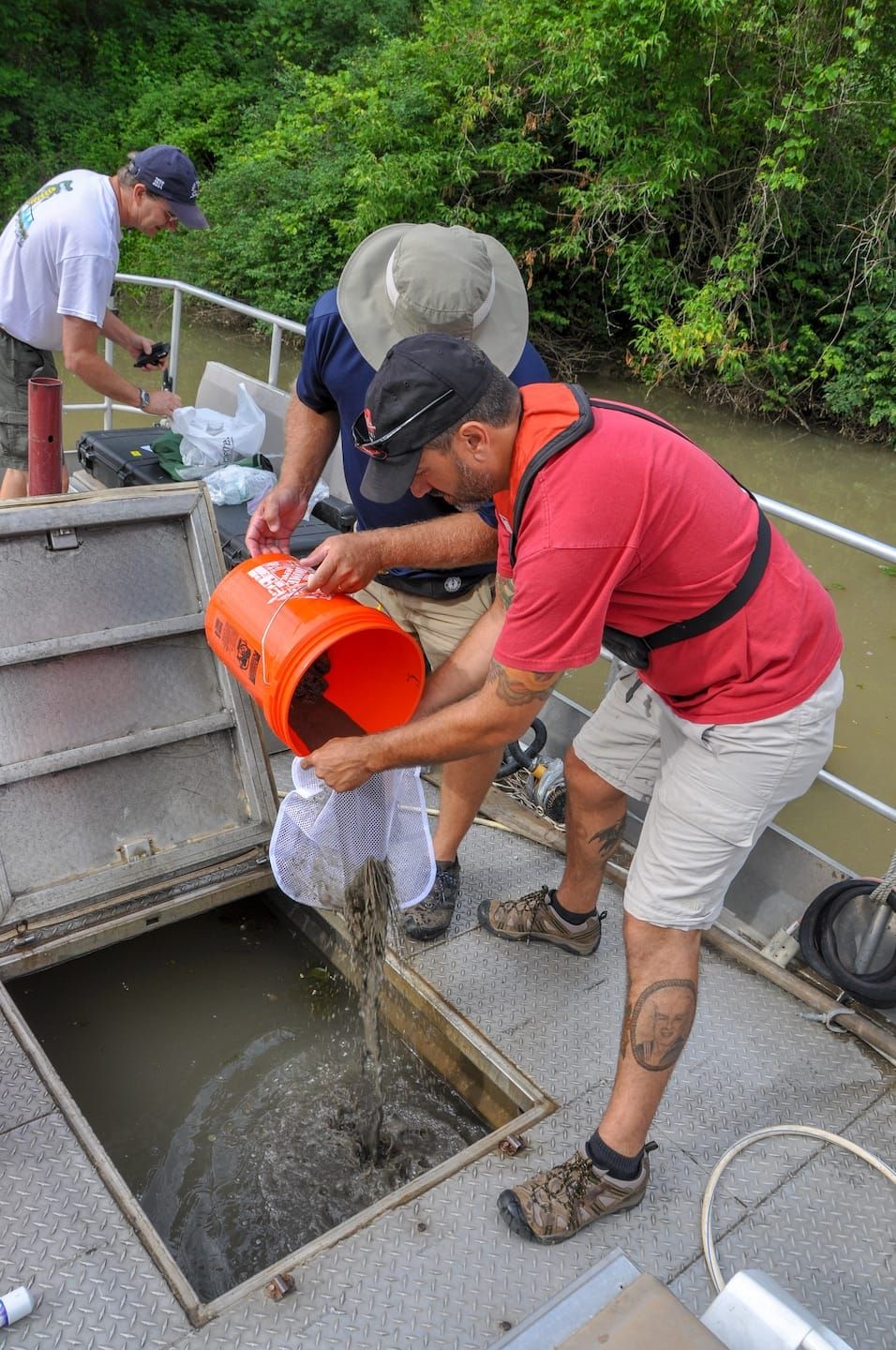
This article looks at the current methods being used to combat invasive hydrilla, along with the public perception of these methods via a survey. To better understand the stakeholders in this situation, participants are thoroughly informed about hydrilla control before being asked about their opinions and level of concern about how the methods could impact local aquatic environments.
“Today, the transportation, importation, cultivation, or sale of hydrilla is strictly prohibited. It is classified as a Florida Class 1 Prohibited Aquatic Plant and is listed on the Federal Noxious Weeds list (USDA NRCS 2015). Since its introduction in the 1950s, hydrilla has posed an environmental threat to Florida's lakes, rivers, reservoirs, ponds, and canals. This invader alters crucial water quality parameters, affecting oxygen levels, temperature, and pH, while also obstructing sunlight, thereby disrupting aquatic ecosystems (Enloe et al. 2019). Beyond its environmental impact, hydrilla severely hampers recreational activities, disrupting Florida's vital tourism industry” (Heinzmann, 2024)
“Hydrilla is primarily managed with aquatic herbicides, a chemical control method that must be approved by the Environmental Protection Agency (EPA) and the Florida Department of Agriculture and Consumer Services (FDACS) before it is used (Enloe et al. 2019). The most common herbicides used to control hydrilla in Florida are endothall, fluridone, and florpyrauxifen-benzyl” (Heinzmann, 2024)
“From September–October 2022, we used a Qualtrics panel to conduct a state-wide online survey of 3,069 Florida residents and gather information on awareness and preferences for hydrilla management in the state. To participate in our survey, respondents had to be at least 18 years old and be a resident of Florida. Respondents were first asked to rate their awareness of hydrilla. Next, they provided information about their history of visiting Florida’s public lakes and answered questions regarding their satisfaction with hydrilla management” (Heinzmann, 2024)
“Our analysis reveals several key insights important for policymaking. We find that Florida residents are concerned about both hydrilla-management practices in use in the state—aquatic herbicide use and mechanical harvesting—but they express higher levels of concern about the use of aquatic herbicides to control hydrilla. Familiarity with hydrilla and its management practices is linked to reduced levels of concern over control measures. Interestingly, all stakeholder groups surveyed largely prefer a combination of methods for managing hydrilla, with 52% favoring the use of both aquatic herbicides and mechanical harvesting.
Public trust in information sources about invasive species is critical for public support of management strategies. The Florida Fish and Wildlife Conservation Commission and the University of Florida's Institute of Food and Agricultural Sciences are considered the most trustworthy sources of information about invasive species management according to the survey results. This trust is important, because managing hydrilla effectively requires not only technical solutions but also public buy-in and informed engagement. By providing transparent, science-based information about the management of invasive species, these institutions can help mitigate concerns and foster supportive public attitudes” (Heinzmann, 2024)
Review
While controlling hydrilla is done for the sake of aquatic environments, the methods are not without their risks or concerns. From the survey sample group, many participants who use bodies of water for recreation, hunting, or other activities share concerns over the impact of herbicide usage as well as methods of mechanical harvesting. While there are few other widespread options for remedying the issue, public opinion is very important in the eyes of the policymakers who have a large amount of control over how these means are managed and deployed. While there could be progress made in the safety of these countermeasures, or a better understanding of the situation communicated to the public, there is an apparent level of apprehension in the matter that could be addressed in order to bring about better solutions.
References
Heinzmann, A. (2024, October 7). FE1159/fe1159: Navigating public perceptions: Exploring the complex social dynamics of Invasive Species Management in public waters. Ask IFAS - Powered by EDIS. https://ask.ifas.ufl.edu/publication/FE1159?



