
Ballet as Physical Therapy
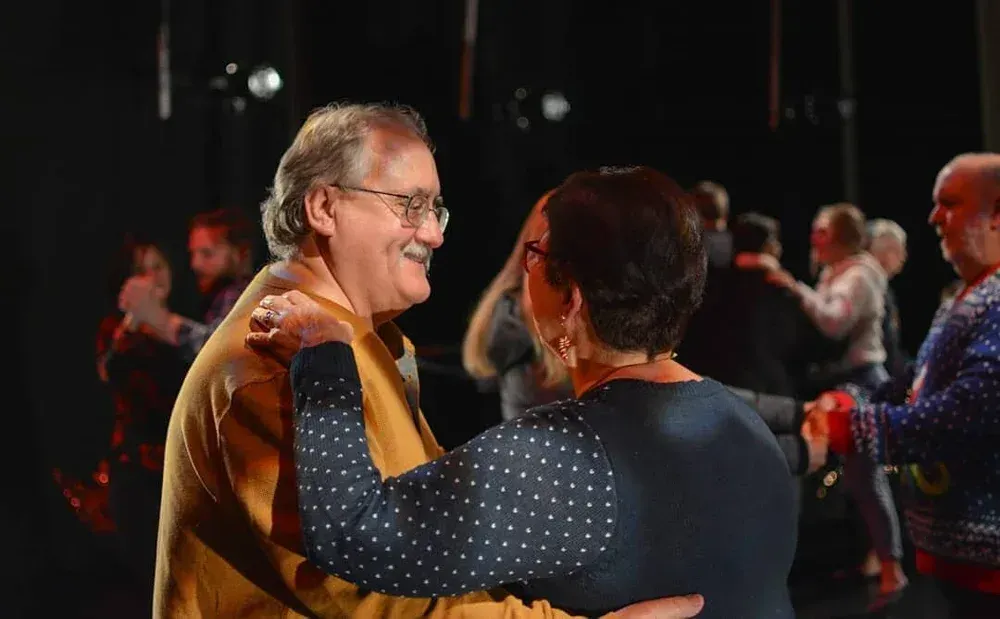
Ballet dancer and traumatic brain injury survivor Jessica Baynes managed to recover her motor function to full capacity through rehabilitative ballet with the help of a neuro physical therapist.
Ballet, when introduced into the context of medicine, can optimize physical, mental, and emotional healing (TEDx Talks, 2019, 1:22).
She now teaches ballet classes to patients who have suffered from Multiple Sclerosis, Parkinson's Disease, and stroke, rebuilding the connection to impaired neuromuscular function.
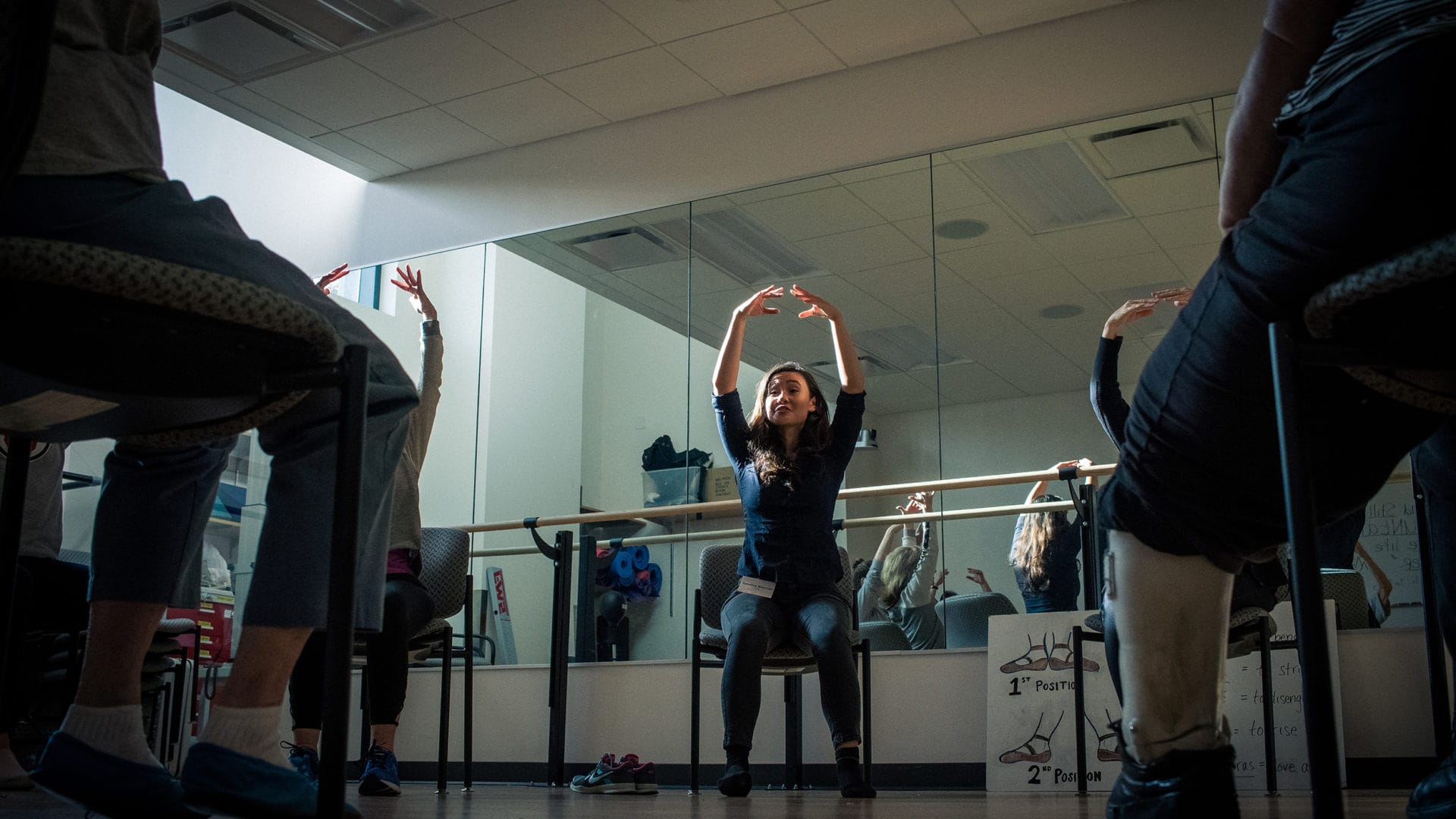
Jessica Baynes touches on her own experiences using ballet barre movements as rehab:
It did offer me an extremely creative approach to my treatment plan. I was artistically engaged and therefore extremely motivated, willing to practice at home and constantly wanting to come back for more. Within nine months of the style of treatment I was able to dance at full capacity again (TEDx Talks, 2019, 3:42).
I was so thrilled by the discovery of the healing potential of basic ballet principle.... this is an arts and medicine initiative that teaches rehabilitative ballet to participants with neurological disorders that impair motor function such as multiple sclerosis Parkinson's disease stroke and traumatic brain injury like the one I had had collegiate dance (TEDx Talks, 2019, 4:05).
Students and physical therapy students work together to generate movement, curriculum, and material that is both artistically and medically beneficial for patients. We do this by introducing a mutually understood structure called ballet barre. For those of you have taken ballet you may be familiar with, this for those of you who haven't ballet barre is a series of exercises that warm up the body in a very specific order (TEDx Talks, 2019, 4:30).
The therapy is rooted in movement and can increase range of motion, aiding individuals who experience stiffness or difficulty with joint mobility. This approach could be particularly useful in rural and remote healthcare settings, where traveling to a hospital or physical therapy facility may be challenging because of distance and limited access to resources. Dance-based therapy could potentially be adapted for use at home, especially through technology such as guided videos or interactive digital platforms that allow patients to follow along with exercises remotely. This could provide patients with greater access to rehabilitation while reducing the burden of frequent travel.
We do this by taking what many people in society have historically regarded as an exclusive movement form and adapting it such that it is available to a wide variety of people of a wide variety of abilities... this is a testament to the current inclusive nature and potential of ballet today (TEDx Talks, 2019, 9:44).
Ballet practice powerfully demonstrates that if you have a diagnosis that impairs your movement this is not the end of a life in motion (TEDx Talks, 2019, 10:04)
This perspective connects to my capstone work with Battelle by emphasizing that medical technology should not only treat a condition, but also help patients maintain their independence, identity, and ability to participate in the activities that give their lives meaning.
References:
Lassonde Staff. (2018, April 5). Healing through Dance | Lassonde Entrepreneur Institute | University of Utah. Lassonde Entrepreneur Institute | University of Utah. https://lassonde.utah.edu/healing-through-dance/
TEDx Talks. (2019, December 5). How integrating ballet into physical therapy enhances recovery | Jessica Baynes | TEDxSaltLakeCity [Video]. YouTube. https://www.youtube.com/watch?v=5LTYo5lWsd4
AI was used to check grammar in this reflection.



