
Can Redesigned Lighting Be Better for Everyone?
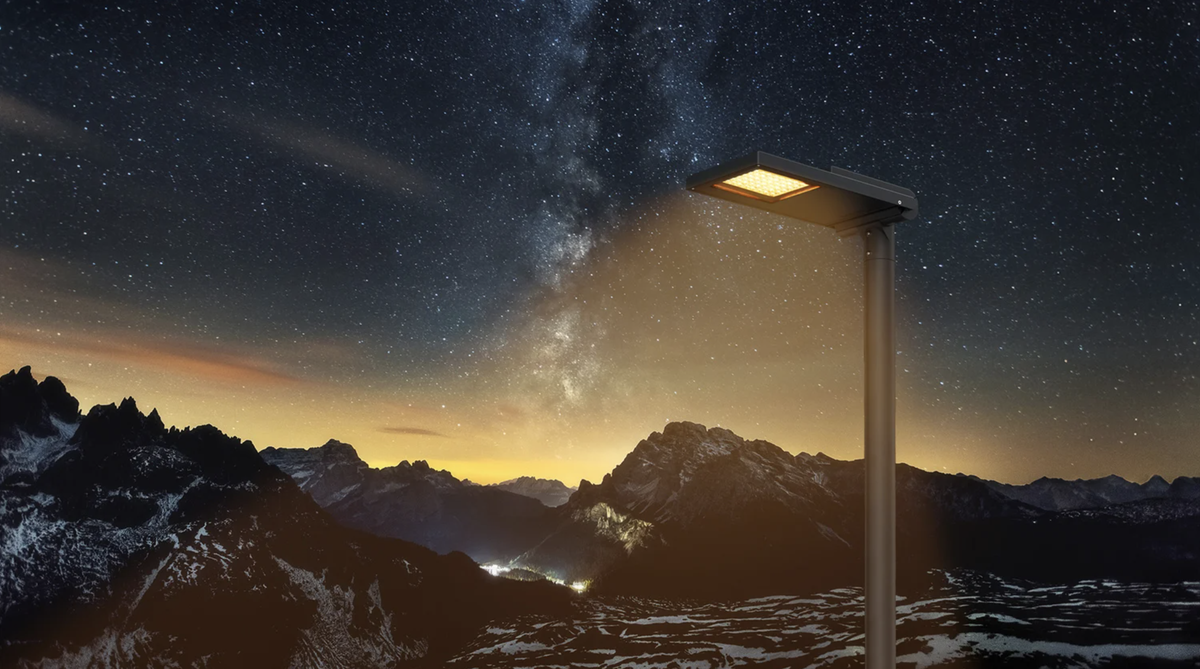
Lighting at night is an important technology for humans, but much of the lighting we use does not fully consider its effects on the surrounding environment. By redesigning how we use and control lighting, we can create environments that better accommodate both people and the wildlife that shares these spaces with us.
“The five options are to (i) prevent areas from being artificially lit; (ii) limit the duration of lighting; (iii) reduce the ‘trespass’ of lighting; (iv) change the intensity of lighting; and (v) change the spectrum of lighting" (Gaston 2021).
“Night-time light pollution is exacerbated by poor lighting design, installation and maintenance providing illumination outside the area of benefit" (Gaston 2021).
“Reducing the trespass of lighting will maintain heterogeneity even in otherwise well-lit areas, providing dark refuges that mobile animals can exploit" (Gaston 2021).
“Decreasing the duration of lighting will reduce energy costs and carbon emissions, but is unlikely to alleviate many impacts on nocturnal and crepuscular animals, as peak times of demand for lighting frequently coincide with those in the activities of these species" (Gaston 2021).
Review
Much of the current lighting that exists does not take into account the farther reaches that its light can affect. Certain light wavelengths and color temperatures, as well as poorly directed lighting, can have negative effects on animal environments, especially for nocturnal animals that cannot easily avoid these interruptions.
By better designing lighting to account for these effects, we can create more considerate and effective lighting environments that work for both people and animal ecosystems. It is important to make these changes not just for our night skies, but also so that we can remain considerate of the animals that we share these spaces with.
When accounting for these factors, we can learn to omit lighting where it is not needed or reduce it where it can be reduced. By designing with these situations in mind, we can create darker and more comfortable environments for ourselves and our communities, benefiting both humans and animals alike.
Reference
Gaston, K. J., Davies, T. W., Bennie, J., & Hopkins, J. (2012). Reducing the ecological consequences of night-time light pollution: Options and developments. Journal of Applied Ecology, 49(6), 1256–1266. https://doi.org/10.1111/j.1365-2664.2012.02212.x



