
Care, In A Backpack: Fighting TB in Peru
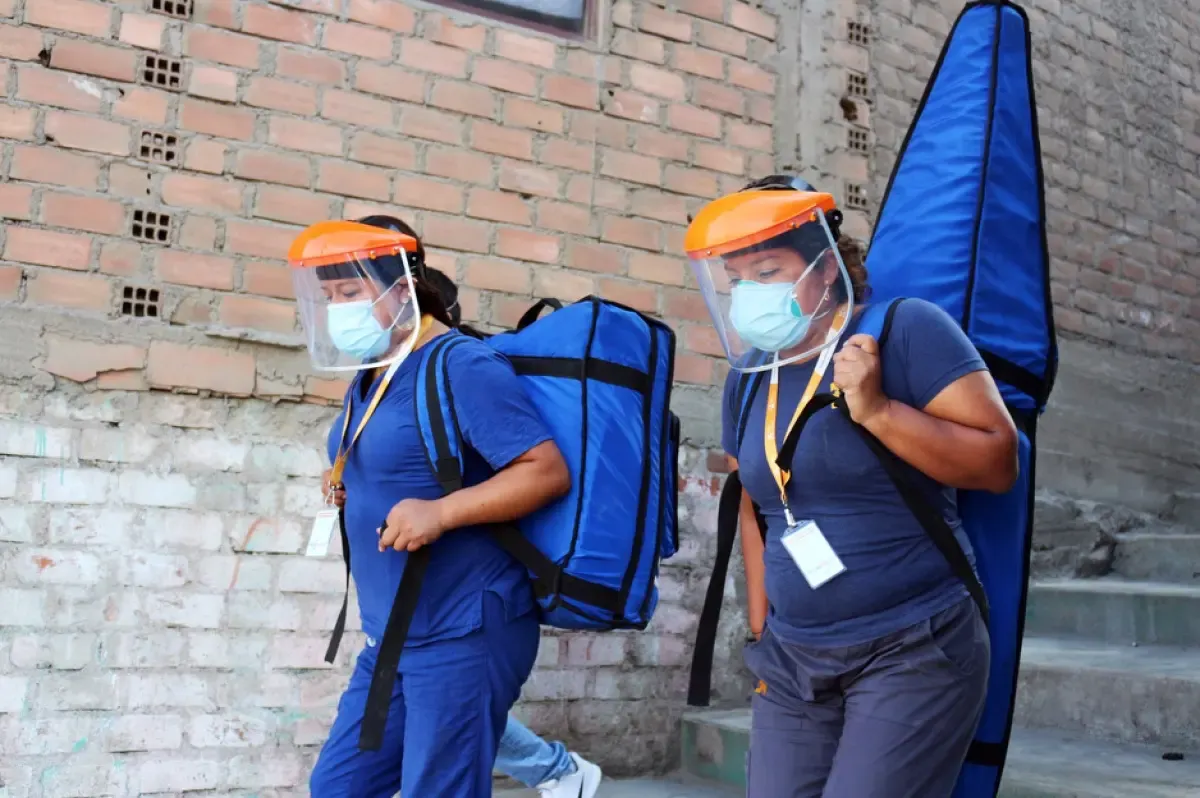
This article is relevant to my research because it shows how healthcare technology can be adapted to provide medical services in rural and underserved communities. My research focuses on designing automated or assisted healthcare systems for rural communities, where people may have limited access to hospitals, doctors, and medical equipment. The article discusses “Mochila TB,” a portable tuberculosis testing system used in Peru. Instead of requiring patients to travel to a hospital or clinic, healthcare workers can bring the technology directly into communities that are difficult to reach.
Before COVID-19, tuberculosis was the world’s deadliest infectious disease, despite being curable and preventable. Each year, 10 million people contract the airborne, respiratory disease and as many as 1.4 million die—a burden that disproportionately impacts low- and middle-income countries due to centuries of global health injustice.
In the years since, Socios En Salud has expanded its work fighting TB, partnering with Peru’s Ministry of Health to train clinicians, hire community health workers, and launch active search strategies such as TB Móvil, which uses campers known as “blue trucks” to bring TB testing to more than 210 people per day. These vehicles set up in streets, squares, parks, markets and health centers and offer free testing for TB and, within the past year, for COVID-19.
But these “blue trucks” can’t reach every patient, especially those in prisons, human settlements, shelters, and rural hillside communities not accessible by car. That’s why Socios En Salud recently began using Mochila TB, a tool that takes testing directly to patients, wherever they may be.
It’s a marriage of digital radiology, artificial intelligence, and molecular biology—and it’s already made an impact. Since early March, Socios En Salud teams have used Mochila TB to serve 3,491 people in some of Carabayllo’s most impoverished communities, helping them access testing, a diagnosis, and care.
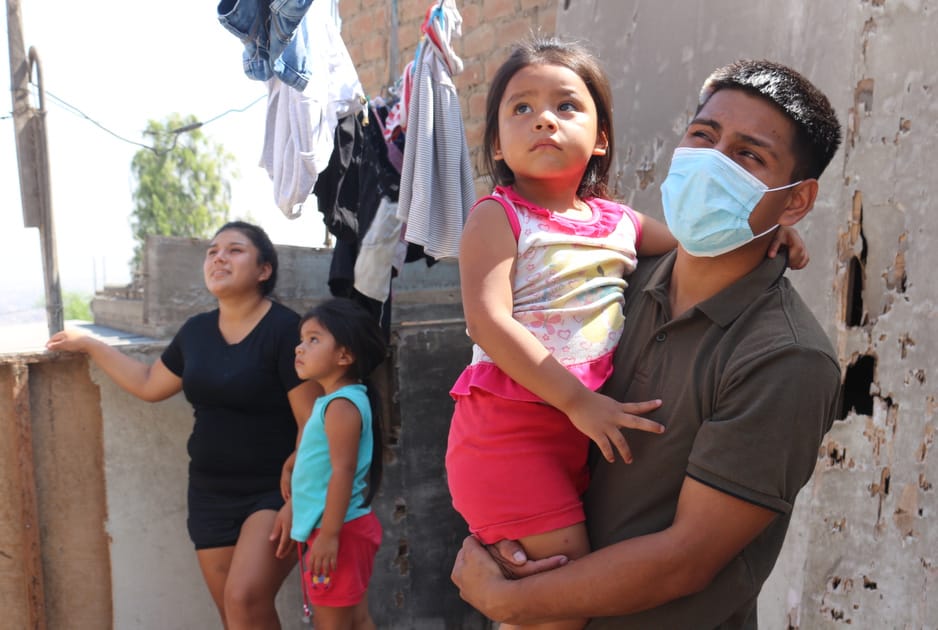
This article shows how technology can make healthcare more accessible to people living in rural and underserved communities. The Mochila TB system demonstrates that healthcare technology does not have to completely replace healthcare workers to be effective. Instead, it can assist them by making testing and treatment more portable and accessible. This is important to my research because my project focuses on designing automated or assisted healthcare systems for rural communities. The article provides an example of how technology can overcome geographic barriers and help healthcare workers reach people who might otherwise have difficulty receiving care. It also shows that successful rural healthcare solutions should combine technology with human support to create a system that is both efficient and practical.
References
Partners In Health. (2021, March 26). Care, in a backpack: Fighting TB in Peru. https://www.pih.org/article/care-backpack-fighting-tb-peru



