
Categorize and Conquer: Triage Tactics and How They Can Fight Botanical Pests
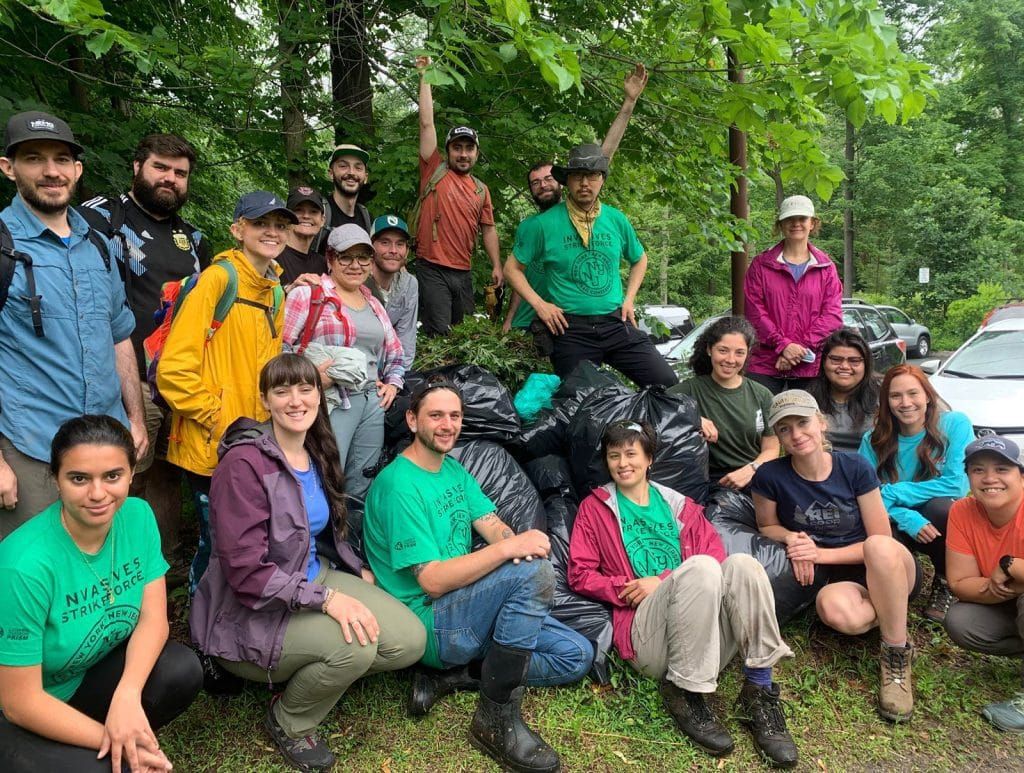
An article straight from the Nation Park Service (NPS), this reading takes a look at a highly impactful organizational tool developed by watershed steward, Art Grover. Through systematic documentation of invasive plants and their severity, parks are able to hold the issues against their own staffing and budget in order to most effectively allocate effort and resources for maximum impact. Looking specifically at recreational and historical locations, this reading shows what is possible with these types of tools.
“The problem with invasive plants is not that they originate outside North America. Many of the ornamentals we enjoy in our gardens are from other countries. Plants, native or not, are considered invasive when they spread in such abundance that they affect ecosystem function, reduce native biodiversity, and pose threats to the long-term health of ecosystems. But damage to natural and cultural resources aren’t the only issues. There are economic costs. Some researchers report a “strongly underestimated” cost of invasives worldwide of at least 1.3 trillion dollars in 1970–2017” (Perles, 2021)
“In 2020–2021, several national parks, the Park Service's Inventory and Monitoring Division and Invasive Plant Management Teams (IPMTs) collaborated to create strategic treatment plans based on Gover’s tool. The tool helped identify the highest priority places and species within each park, so that parks could use their limited resources effectively. The collaboration was vital to their success” (Perles, 2021)
“Over the past decade, Art Gover at Pennsylvania State University created a strategic invasive plant management tool for Pennsylvania state park managers, who also grappled with overwhelming invasive plant problems. The tool was guided by a few basic principles:
- Parks have finite resources.
- We can use existing park-specific data on invasive plants to plan strategically.
- The key to successful invasive species management is to focus on the park’s most important sites.
- Inaction is more harmful than action. If we do nothing, the resources in our parks are in peril.
“We put our heads together and used the data we had to prioritize important areas, which is what we were lacking before. You tend to treat the areas you can see, but just because you can’t see it from the trail doesn’t mean it’s not a priority” (Perles, 2021)
Review
It is not a secret that park management and natural resource departments across the country do not get nearly the amount of funding and resources necessary to tackle all of the issues they face, especially when it comes to invasive species. Managing these plants and animals requires a huge amount of equipment, consumables, and manpower, all of which are almost always in short supply. By observing historical situations in which resources and manpower have been in short supply, solutions can be extracted and tailored to different applications, and by observing wartime triage tactics, invasive species can be fought more effectively with the limited resources held by departments. An order of urgency points to the most important targets, and proper organization can make sure that efforts have a substantial impact, making every decision count when it comes to creating a positive impact, even with very limited resources.
References
Perles, S. (2021). Triaging invasive plants: Strategic planning drives success (U.S. National Park Service). National Parks Service. https://www.nps.gov/articles/000/triaging-invasive-plants-strategic-planning-drives-success.htm



