
Chemical recycling in the future of plastics management
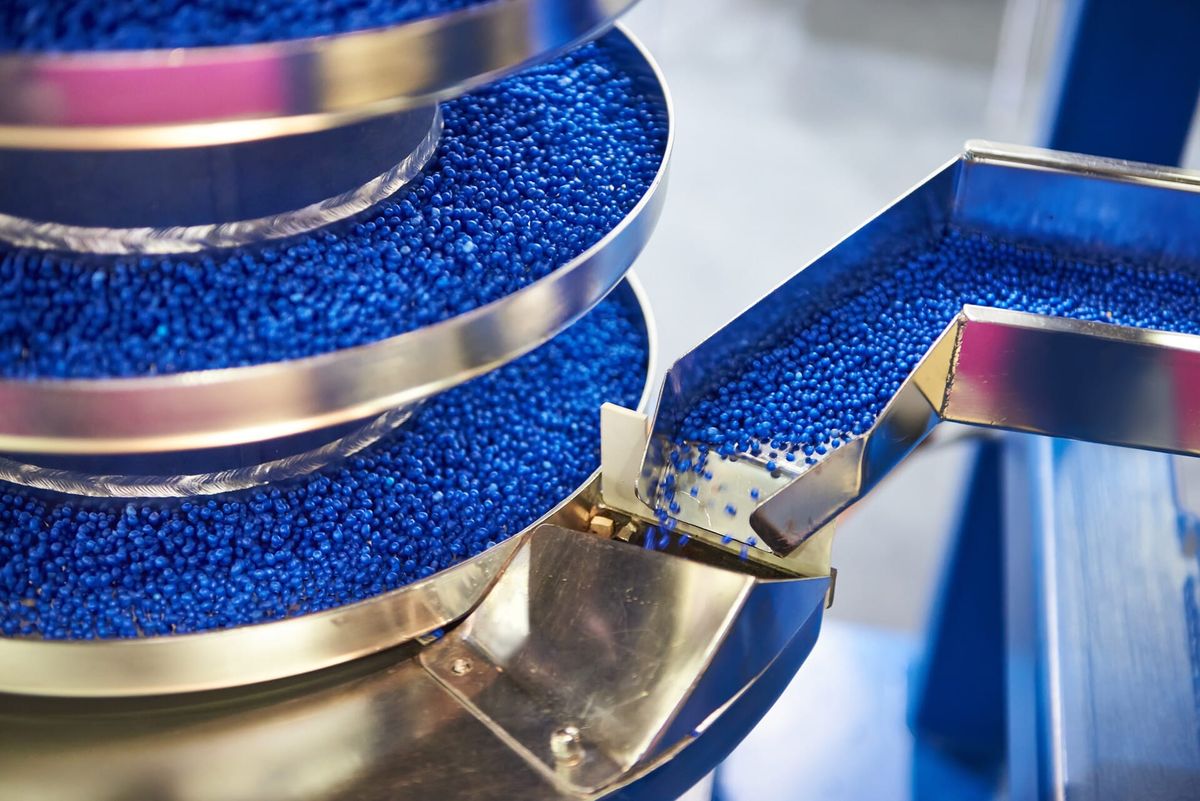
Most of the recycling that is done in the United States is done so through a mechanical process: Material that comes into a recycling center is sorted, broken down mechanically into a pulp or small pellet sized materials, and then through a process such as heat, water, etc, is reconstructed into a new version of the materials.
This process, however, is not one that has been well optimized. These materials, especially those of the plastic variety, often contain a number of contaminants, unique to manufacturing processes that vary amongst brands, products, etc.
Additionally, the use of mechanical means to break down products also comes with the caveat of material degradation.
Plastics recycling at scale currently relies heavily on mechanical methods in which plastics are sorted, cleaned, shredded, and melted down to form new products. However, challenges such as contamination, mixed streams, and quality degradation limit the effectiveness of mechanical recycling, especially for complex or multi-material products.
Addressing the concerns of contaminants and material degradation, researchers in chemical engineering and plastics recycling are working to develop a means of utilizing a chemical process to recycle these materials instead.
By breaking the materials down chemically, they are able to not only remove contaminants to a significant degree, but the breaking down and re-polymerization of the plastic materials mean that they are no longer going to be breaking down and spreading microplastics, but would in fact, come out the other side of this process with as much integrity as they had when the virgin material was produced.
There are, however, additional caveats associated with this process.
The question of whether chemical recycling for plastics should be promoted through policy remains contested. Broad policy objectives such as reducing greenhouse gas (GHG) emissions and fostering a toxic-free environment are not necessarily aligned when applied to a specific recycling technology. While chemical recycling may lower GHG emissions by substituting fossil-based feedstocks, it also entails higher energy demands than mechanical recycling, prompting debate over the appropriate hierarchy of technologies.
Review
In reading more about the process of chemical recycling, I can understand why this topic has become so controversial. The idea of being able to recycle materials into a product in a manner that tackles so many of the issues (contaminations, degradation, etc) that make our current recycling efforts difficult, chemical recycling seems like a very attractive alternative. In regards to the environmental impact, the pushback is also, completely understandable, in the toxins and pollution that the use of such heavy chemicals produces. However, in the face of the tremendous waste issue that we are experiencing globally, a difficult question is posed: is the efficiency of this recycling technology going to eventually outweigh the potential other negative side effects? As a designer and not an environmental scientist, my thoughts regarding this issue can only be placed in a system design style of proposition. How can we design a system that utilizes the benefits of chemical recycling while mitigating or reducing the harmful side effects?
Reference
Kumagai, S., Knauer, K. M., & Huber, G. W. (2025). Chemical recycling in the future of plastics management. Cell Reports Sustainability, 2(8), 100465. https://doi.org/10.1016/j.crsus.2025.100465



