
Chronic Conditions | Comia Smart Nursing Pillow
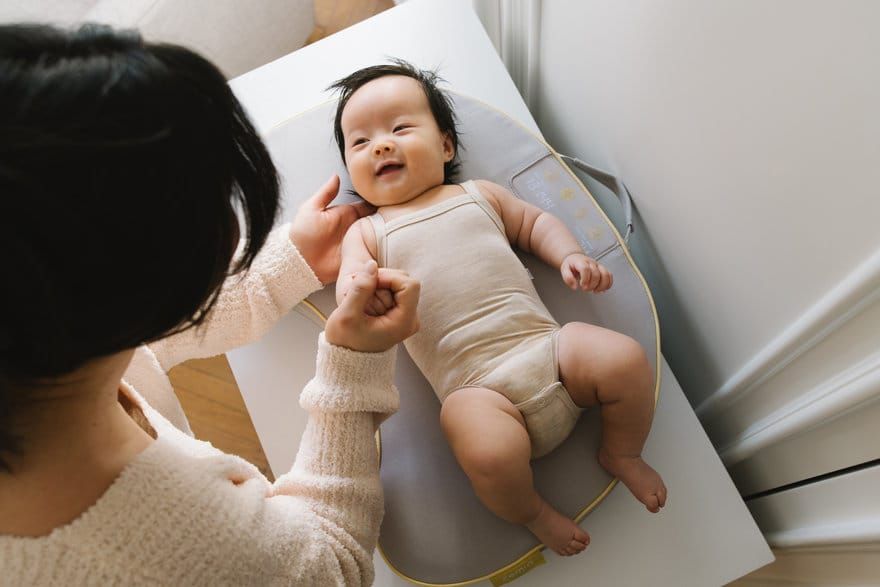
This design collaboration between Pensa and Comia details an assistive product for nursing that helps mothers determine whether their baby is receiving enough milk, which can directly influence the baby’s health and development. While this product is not specifically designed for chronic illness, it demonstrates how an assistive device can support a stressful health-related experience by reassuring parents about an ongoing health need.
Nursing can be challenging for many mothers. One challenge is understanding when a child is full and how much milk they have ingested. Comia Smart Nursing Pillow™ integrates baby weight measurement, nursing data tracking, and management into a nursing pillow and app, supporting the nursing experience as a precious time to bond between mother and baby (PENSA, 2019).
"The most comfortable baby scale" - PENSA

Integrating a weight sensor into a soft pillow to accurately measure a moving baby’s weight is a complex challenge. We developed a unique material stack and assembly by combining rigid frames with firm and soft foams, enabling accurate baby weight measurement (for feed tracking) while keeping the pillow soft, lightweight, and comfortable for both mother and baby. The pillow is contoured beautifully to look streamlined and sophisticated in a modern nursery, while supporting various feeding positions. It hugs the mother’s waist gently to lay the baby securely without overextending the wings, which would take up space and affect accurate measurements (PENSA, 2019).
As we serve the most delicate user group, newborn babies, the interfaces are designed to feel soft and comforting. The technology inside is concealed under soft fabric, so all interactions feel gentle and smooth when touched and used on bare skin. A night light is hidden along the edge of the pillow and gently glows through the fabric at night without waking the baby (PENSA, 2019).
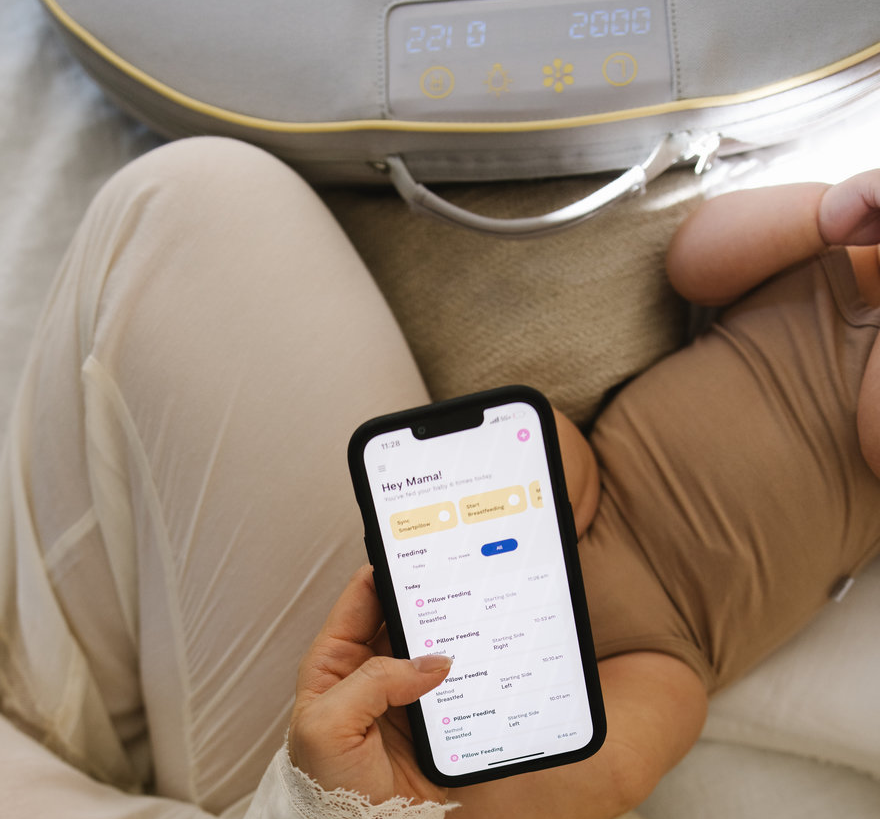
For mothers who are already sleep-deprived, there is much to remember about nursing. From the baby’s weight, intake, and feeding schedule to the feeding side, the pillow works with the Comia app to track and manage comprehensive nursing data, helping mothers relax and enjoy bonding time with their baby (PENSA, 2019).
As EMS responders revealed that pediatric calls were a significant stressor in their work, a product like this made me think about the potential role of preventative health tools in reducing health complications before they become emergencies. Helping parents understand whether a baby is receiving enough nutrition, the device could provide earlier awareness of a potential chronic health concern.
With preventative tools helping people recognize and manage health concerns earlier, this would shift the balance from reliance on emergency care. The use of materiality to ensure product comfort for a fragile age group and sleep-deprived parents also revealed the importance of considering the physical and emotional state of the user when designing healthcare products. Especially in relation to chronic illnesses, where medical technology may need to be used every day, the comfort of the product becomes critical to whether users would want to incorporate it into their daily habits.
References:
PENSA. (2019, May 28). Comia Smart Nursing Pillow. Pensa; Pensa. https://pensa.co/work/comia



