
Chronic Conditions | Dexcom
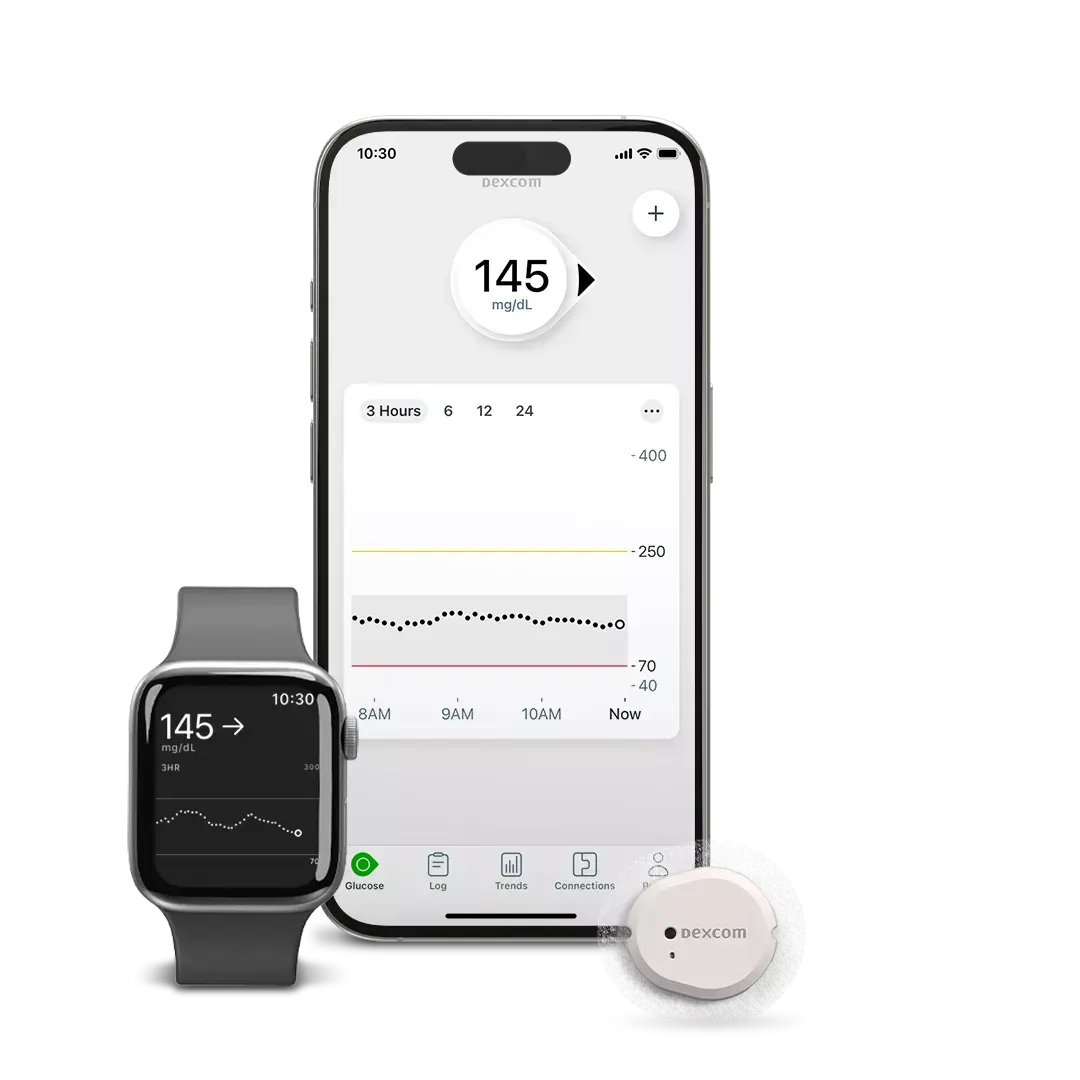
Finding high rates of EMS calls for cardiac induced issues, the chronic disease of Type 1 Diabetes, according to the Mayo Clinic (2024), creates heart and blood vessel damage which leads to a higher risk heart attacks and strokes. A preventative measure for these issues relates to constant monitoring of glucose levels, technologically available to people through the use of continuous glucose monitoring devices. The Dexcom has become the most well known device for this issue.
Roughly 80% of people living with type 1 diabetes fail to meet their target A1C levels using traditional fingerstick monitoring alone (St. Joseph Medical, 2026).

Dexcom technology explanation:
You have the sensor, the transmitter, and the display device. The sensor is the part that actually lives on your body. It is a tiny, flexible hair like wire that sits just beneath the skin. But here is the thing: it does not stay in your vein. It rests in the fatty tissue (St. Joseph Medical, 2026).
Your smartphone acts as the primary interface for alerts and history (St. Joseph Medical, 2026).
Applying a sensor might look intimidating at first... but the modern silk-touch applicators have turned this into a one handed, nearly painless task. You simply clean a patch of skin, place the applicator against your body, and press a button. A hidden needle guides the sensor wire in and then retracts instantly (St. Joseph Medical, 2026.
What most people miss is the importance of site rotation. If you keep placing the sensor in the exact same spot on your abdomen or arm, you develop scar tissue. This hinders accuracy. I recommend “mapping” your body to ensure you are always at least two inches away from your last site. This keeps the tissue healthy and the readings precise (St. Joseph Medical, 2026).
This specific information brought to light the importance of clear explanations for medical devices that are meant to be applied and managed by the user. I had not initially considered how something as simple as repeatedly placing a sensor in the same location could affect its accuracy over time. Without being properly informed, users could easily overlook the development of scar tissue or assume that inaccurate readings are caused by the device itself. The instructional information surrounding a medical device could make or break the function of the device.
Transmitting data caveats:
There is a slight time delay. Because glucose hits the blood before it hits the interstitial fluid, your CGM reading might be 5 to 15 minutes behind a fingerstick (St. Joseph Medical, 2026).
The range is usually about 20 feet. If you leave your phone in the kitchen and go to the backyard, you might see a “Signal Loss” alert. Don’t panic. The system is designed to backfill that data once you get back in range (St. Joseph Medical, 2026).
Bluetooth must remain on at all times for the system to work. Close other high-drain apps to ensure the CGM app stays active in the background. Set your “Critical Alerts” to bypass your phone’s silent mode. Use the cloud sharing feature to let family members see your data in real time (St. Joseph Medical, 2026).
I have found that new users often over-correct. They see a rising arrow and take a massive dose of insulin, only to crash an hour later. Look at it this way: the arrows tell you the velocity of your glucose. One arrow up means your sugar is rising by 2 to 3 mg/dL every minute. Two arrows up means it is rising by more than 3 mg/dL per minute (St. Joseph Medical, 2026).
These examples brought to light how frustrating and potentially limiting continuous reliance on technology could be, especially for people living in rural or remote communities. Requirements such as maintaining Bluetooth, staying within a certain range of a phone, and having a reliable connection may become more difficult when users have limited internet or cellular service. While continuously monitoring chronic illnesses could help identify changes earlier and potentially reduce the need for emergency medical care, the technology itself needs to be simple and reliable enough to use every day with minimal issues. For rural communities, reducing healthcare emergencies is not only about what a device can monitor, but also about how easily and reliably a person can use it in their everyday environment.
References:
Mayo Clinic. (2024, March 27). Type 1 Diabetes - Symptoms and Causes. Mayo Clinic; Mayo Clinic. https://www.mayoclinic.org/diseases-conditions/type-1-diabetes/symptoms-causes/syc-20353011
St. Joseph Medical. (2026, February 27). How Do Dexcom’s Work? A Step-by-Step CGM Guide. St Joseph Medical Corporation | Your Health Is Our Mission. https://stjosephmedicalcorp.com/how-do-dexcoms-work-a-step-by-step-guide-to-cgm-basics/



