
Chronic Conditions | What doctors want patients to know about health wearables.
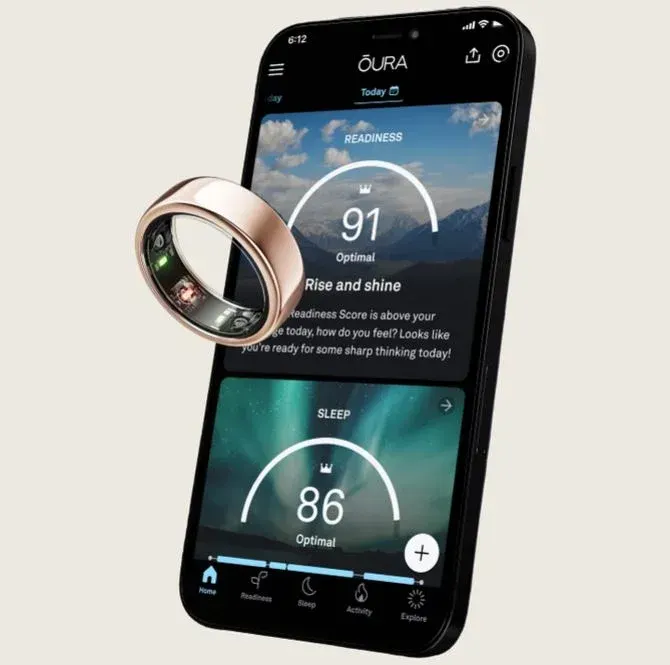
The American Medical Association (2026), describes the positives and negatives of assistive medical technology in the scheme of wearable devices. This was selected for clarification in professional medical usage, digging into how users and doctors interact with wearable device data.
Health wearables such as smartwatches, fitness trackers and smart rings can track heart rate, steps, activity, sleep and other measures, though some scores are estimates created by algorithms (American Medical Association, 2026).
Wearable devices can motivate people by showing progress and health trends in real time, but constant monitoring, alerts and daily goals may also cause anxiety or unhealthy fixation (American Medical Association, 2026).
Data from health wearables can help identify patterns worth discussing with a physician, but it should not be used on its own to diagnose a condition or make treatment decisions (American Medical Association, 2026).
A 2026 survey of more than 2,200 physicians in the U.S. and five other developed nations by the AMA and Medscape shows that doctors are generally interested in wearables and how the data they collect can be used to help manage patient care. Heart-related measurements, physical activity, alerts and sleep were among the information reviewed most often (American Medical Association, 2026).
No more than 6% of physicians in any surveyed country said wearable data had been fully integrated into clinical workflows (American Medical Association, 2026).
Jonathan Martin, MD, a psychiatrist with Baptist Health explains:
“People who thrive off of getting instant feedback or seeing progress in real time—such as exercise based on their heart rate or seeing an improved sleep score—pay off with the use of wearables" (American Medical Association, 2026).
“The downside is it does cause some anxiety or some over-reliance on the wearable... it is people who are more predisposed to an anxiety disorder or obsessional thoughts or perfectionism at baseline” (American Medical Association, 2026).
"There are wearables that will track your oxygen levels—like a pulse oximeter—and if it goes down, you may worry about breathing troubles and the panic may lead to more breathing troubles” (American Medical Association, 2026).
We shouldn’t be using them to make a diagnosis or to drive treatment, just maybe to have extra input to give us an idea of where we should go or what’s going on at home” (American Medical Association, 2026).
Specific medical barriers:
Anxiety can sometimes increase with different wearables if you have certain conditions, such as atrial fibrillation or chronic obstructive pulmonary disease (COPD). For AFib, the worry comes from irregular or elevated heart rhythm. Then for COPD it has to do with oxygen level changes (American Medical Association, 2026).
I found the notes on existing chronic disorders, such as atrial fibrillation (AFib) and chronic obstructive pulmonary disease (COPD), particularly interesting because they made me think more critically about how smart wearable devices interpret and present health data. I had not fully considered how having an underlying condition could affect the accuracy or meaning of the information shown to a user, potentially leading them to misunderstand or misinterpret what their data means.
When considering how to better address the needs of people with chronic illnesses, this stood out to me as an important accessibility gap in current technology. Many smart wearable devices provide health information without fully accounting for the user's existing chronic conditions, which can make the data less meaningful or potentially misleading for those users. This made me realize that designing for accessibility also means considering how different health conditions can shape the way people interact with and interpret technology. The key of these devices, however, seems to lie within the easy transport and consistent monitoring, two aspects that I can use for the rural and remote communities.
References:
American Medical Association. (2026, September 2). What doctors want patients to know about health wearables. American Medical Association. https://www.ama-assn.org/practice-management/digital-health/what-doctors-want-patients-know-about-health-wearables
AI was used to check grammar in this reflection.



