
Cleveland Clinic launches prescription drone delivery
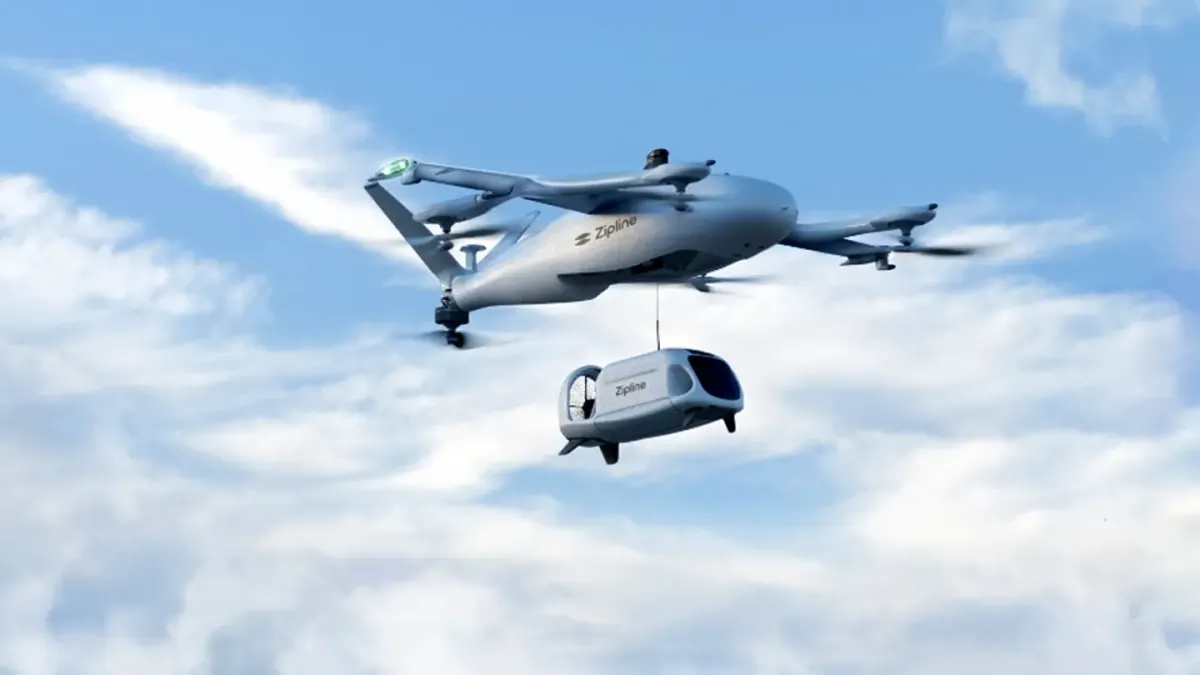
Cleveland Clinic has launched a drone delivery program that allows certain prescription medications to be delivered directly to patients' homes. The program began with deliveries in Cleveland's eastern suburbs and is operated in partnership with Zipline, an autonomous drone delivery company. The service initially operates within a five mile radius of Cleveland Clinic's Beachwood Administrative Campus.
The process begins inside a Cleveland Clinic pharmacy. A pharmacy technician places the packaged medication into a secure Zipline drop box. Next, an autonomous drone retrieves the order and flies to the patient's address. When the aircraft reaches its destination, it remains as high as 300 feet above the ground. A small delivery pod then descends on a tether. The pod places the prescription at the selected delivery location before rising back to the drone. The aircraft returns to its charging station after completing the delivery.
For now, eligibility remains narrow. You must live within the initial delivery zone near Beachwood. You must also participate in Cleveland Clinic's pharmacy home delivery program. Cleveland Clinic patients who are interested in participating should ask their doctor if they are eligible. The Beachwood launch gives the Cleveland Clinic and Zipline a chance to incorporate the experience during regular pharmacy operations.
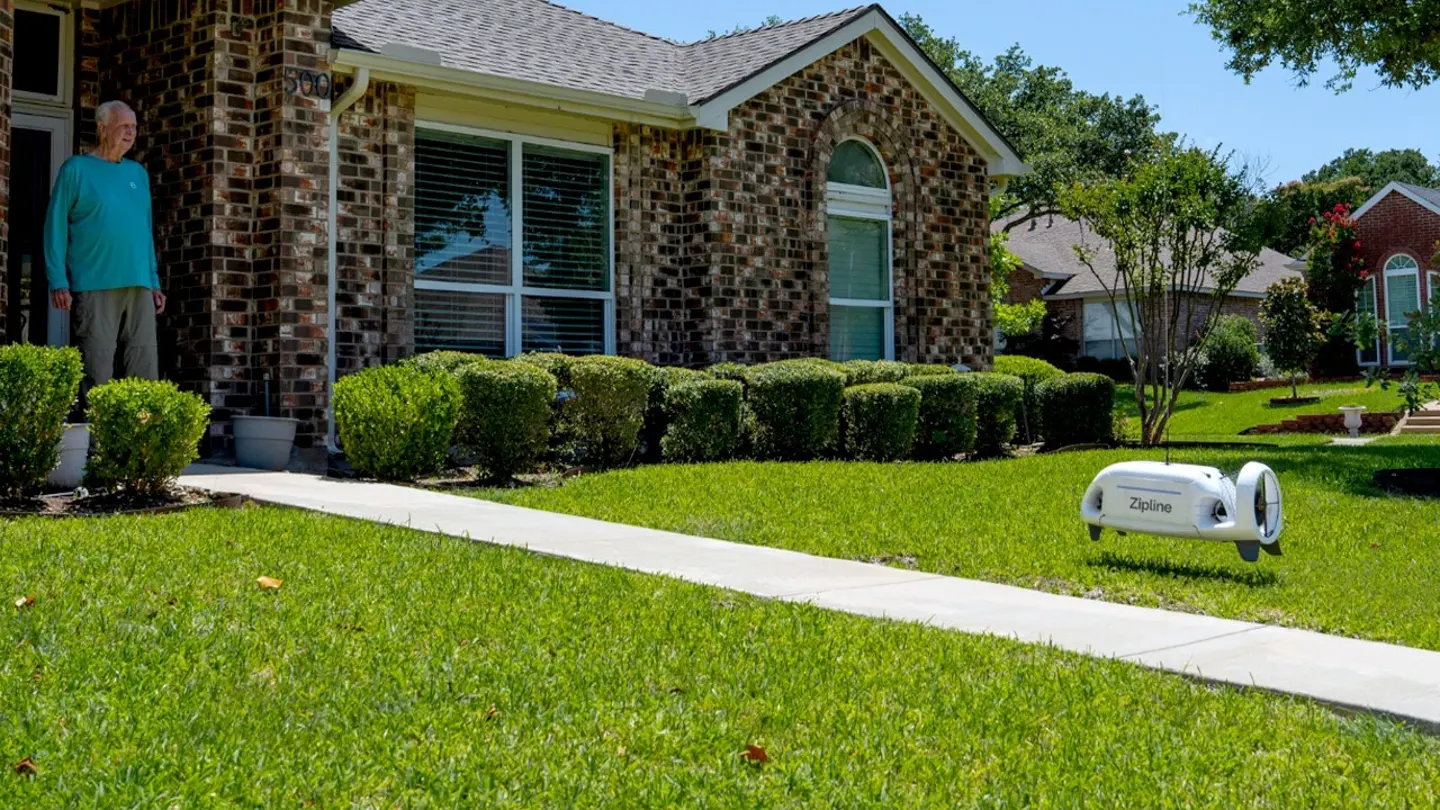
Zipline has already announced its next expansion will be to Austin, Texas. Zipline's president of U.S. healthcare, Hillary Brendzel, described the immediate benefit in simple terms: "That's one less errand to run, and more time back in people's days." That may sound modest compared with the technology involved. However, saving one pharmacy trip can matter when someone feels ill or cannot easily drive. In fact, in Texas, according to Zipline, its most frequent customers are older adults and busy parents.
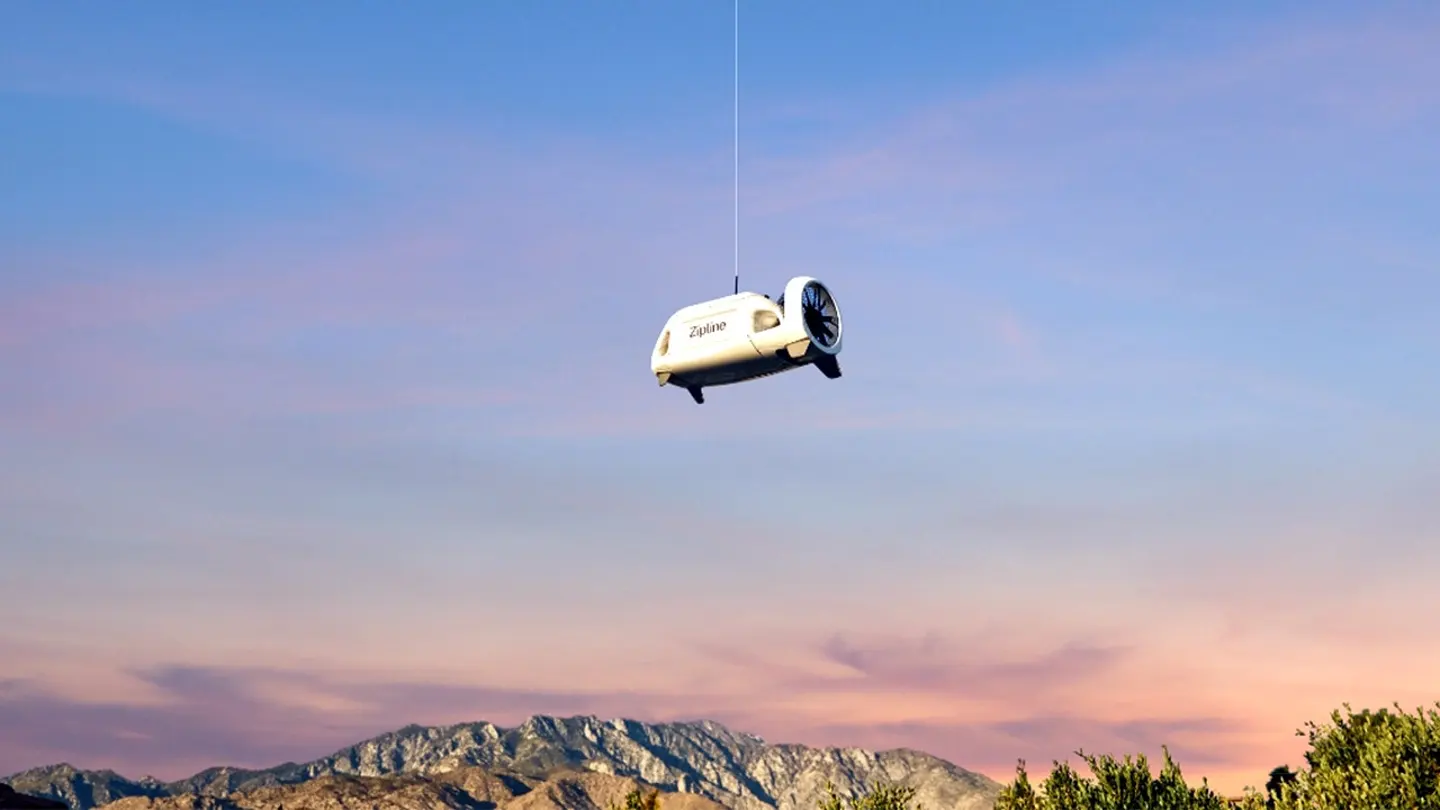
What stands out to me is that the drone is not simply replacing a delivery driver. The entire process is designed around automation. A pharmacy technician prepares the medication, the drone autonomously picks it up and travels to the patient's address, and a tethered delivery pod lowers the package to the ground without the drone needing to land. Patients can also track the delivery through their MyChart account.
This example makes me think about how the same technology could be expanded beyond prescription delivery. Cleveland Clinic is already considering using the system for lab samples, medical supplies, and other healthcare services. For rural communities, this could mean bringing more than just medicine to the patient. It could potentially bring diagnostic tools, medical supplies, or other forms of healthcare directly to people who live far from hospitals and clinics. This article helps show that the future of rural healthcare may involve bringing healthcare services to the patient rather than always requiring the patient to travel to them.
References
Knutsson, K. (2026, August 11). Cleveland Clinic launches prescription drone delivery. Fox News. https://www.foxnews.com/tech/cleveland-clinic-launches-prescription-drone-delivery



