
Connected Things Business Models: Zipline Medical Logistics
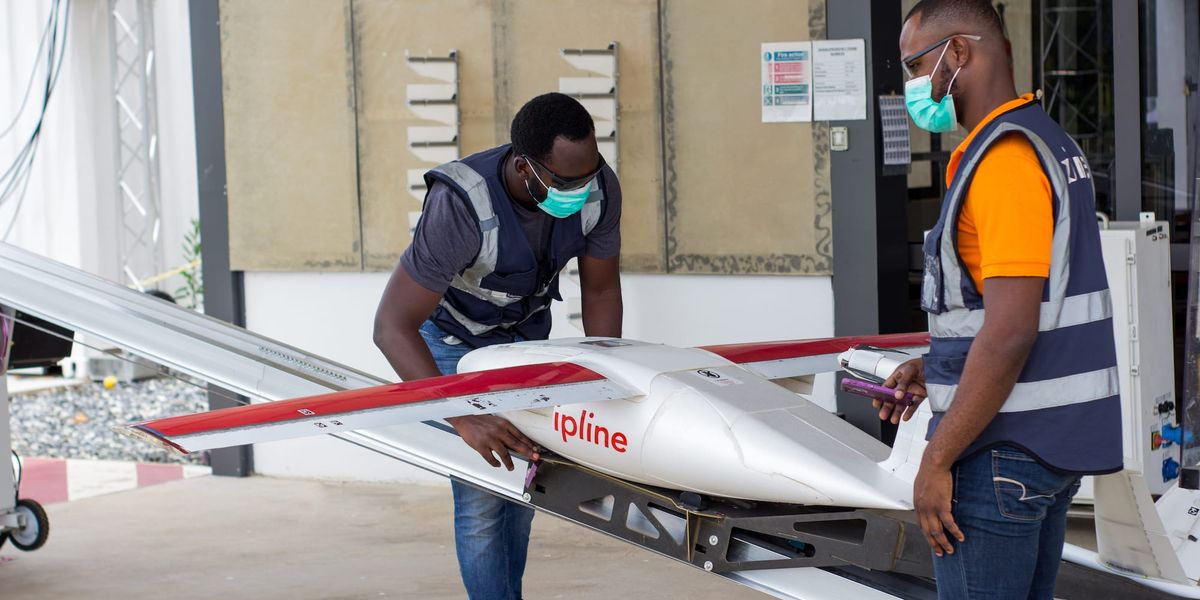
The problem was concrete and severe: in rural, mountainous Rwanda, a doctor needing a specific blood type for a hemorrhaging patient could lose hours traveling on difficult roads to fetch it, time many patients didn't have. Zipline's battery-powered drones, 22-pound aircraft that can carry up to three pounds of blood or medicine roughly 75 miles on a charge, let hospitals order supplies by text message and receive a parachute-dropped delivery within about 30 minutes, skipping the need for on-site refrigeration or a functioning road network entirely.
It would take hours for a rural doctor to put in an order for a specific blood type, then travel on difficult roads and back to get blood to the patient in time.
Zipline worked in partnership with the Rwandan government to develop a logistics system that essentially leapfrogs the infrastructure capabilities despite not having a strong road system. The company recruits and trains local engineers, health workers, and flight operators.
Zipline can deliver with high accuracy onto the doorstep of a hospital or a lab or a health center.
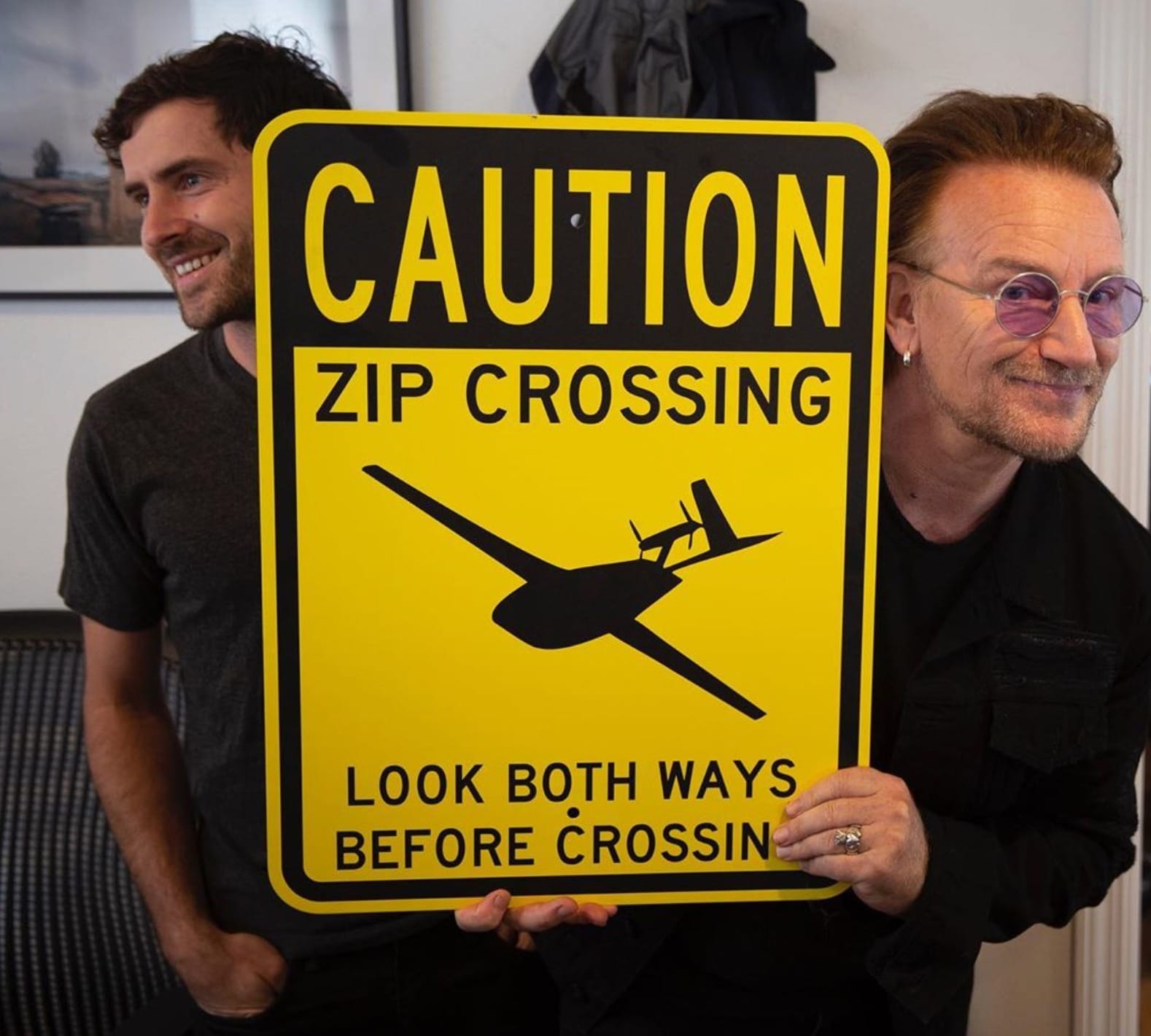
Where you live should not decide whether you live.
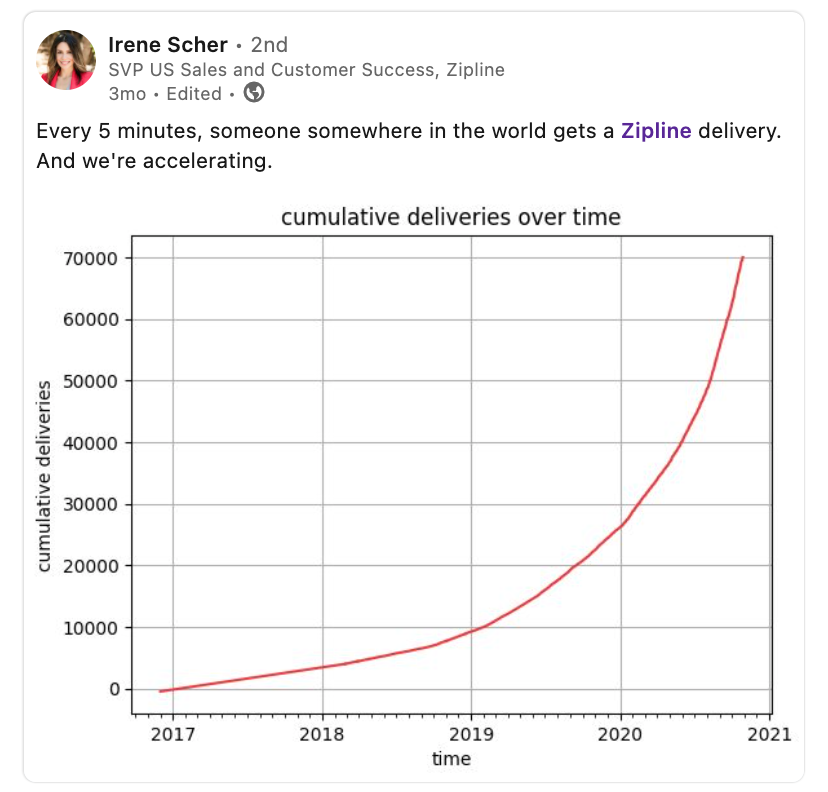
Yet despite pushback from governments and the slowdown of regulators, Zipline shows how deliveries are accelerating on an upward curve.
This article is relevant to my research topic because it reframes what counts as "innovation" in rural healthcare access; the real breakthrough was the decision to treat medical scarcity as a last-mile delivery problem rather than an infrastructure problem. Zipline built a system that routes around the gap entirely, getting the specific thing a patient needs to them within minutes. That's directly useful for thinking about automated and assistive medicine in remote and rural settings, since it suggests solutions don't always need to replace or expand existing infrastructure to be effective.
What makes the case especially interesting is its cautionary side: a technically excellent system still collapsed in Tanzania over funding priorities and public trust, showing that success depends as much on politics, governance, and institutional buy-in as on the technology working. For a design project centered on automation in remote care, that's an important reminder that a solution has to be evaluated t on how it fits into the systems and relationships already in place.
References
Reason Street. (n.d.). Connected things business models: Zipline medical logistics. Reason Street. https://reasonstreet.co/connected-things-zipline-medical-logistics/



