
Could creativity transform medicine? These artists think so
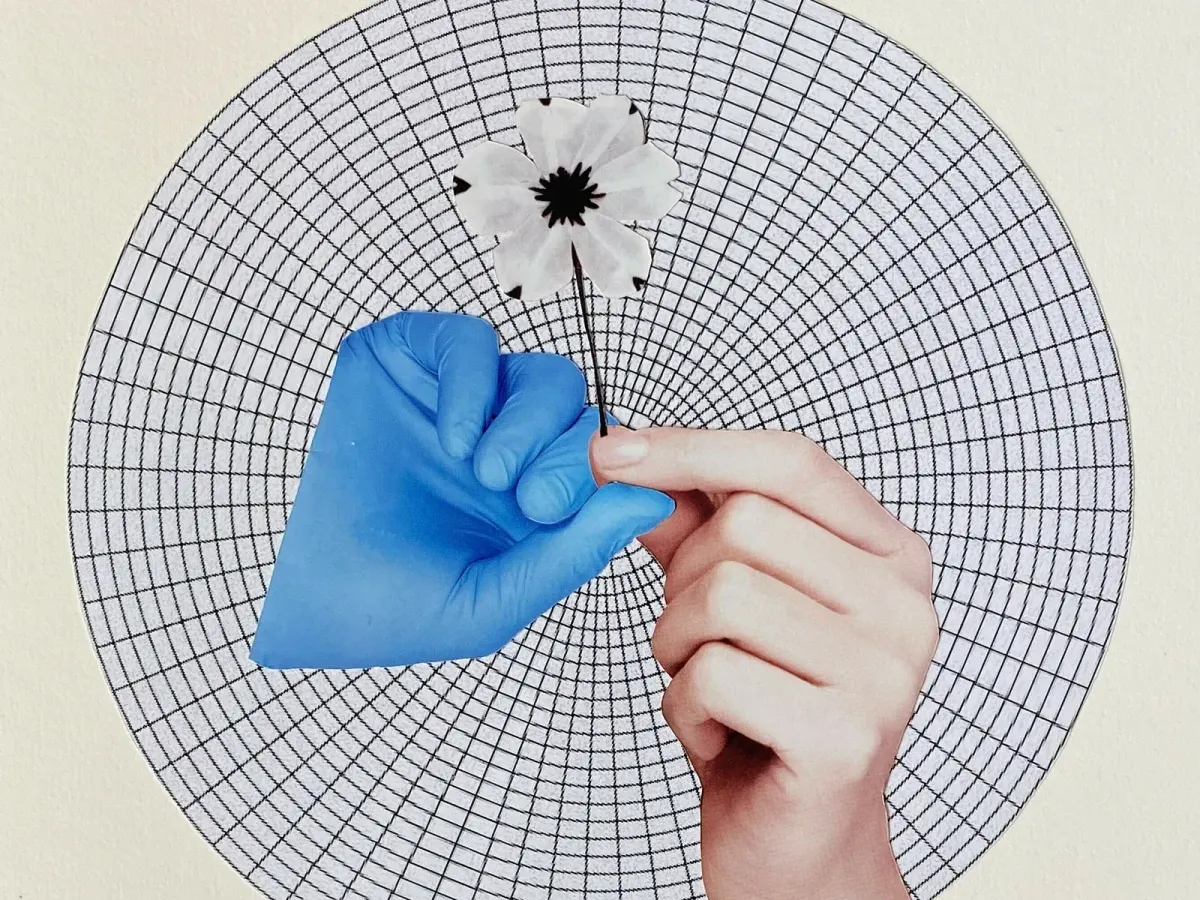
The article “Could creativity transform medicine? These artists think so,” by Mara Goldman explores how the intersection between art and medicine can be pushed beyond its current boundaries to create more humanizing and better care solutions. In many ways, medicine has been seen as sterile and uninviting. Almost dehumanizing in ways. Sometimes it feels as though patients are not seen as people, but bodies and diagnoses.
However, Mara brings hope, showing us how people and organizations have created solutions that redefine and improve existing systems to make healthcare better for everyone. One of the examples that got me thinking differently about designing for the medical field was Yoko Sen’s redesign of the harsh sounds of monitoring devices. Her goal was to create gentle sounds that would improve the patient experience in the hospital. This was very interesting to me, as one of my goals for this capstone project is to design a solution that is not only useful, but one that can improve the user’s experience. As designers, it is our job to understand where there is untapped potential and explore it.
Medicine has a "creativity problem," she says, and too many people working in health care are resigned to the status quo, the dehumanizing bureaucracy. That's why it's time to call in the artists, she argues, the people with the skills to envision a radically better future.
We have solutions that work and people to develop the technology. We make many other products that engage people and touch them emotionally. But with medical tech and tools, they are very sterile and can even be intimidating. (while sterilization and utility are necessary, can we figure out ways to create things that make the experience more humanizing)
For example, the book profiles electronic musician and sound designer Yoko Sen, who has created new, gentler sounds for medical monitoring devices in the ICU, where patients are often subjected to endless, harsh beeping.
Even beginning with reimagining how small changes can make experiences more inviting. We do not have to reinvent the wheel or create new systems. How can we make things that already exist better for the people using them?
Think about children’s hospitals, they try to make these so much more inviting and friendly for them, but for the adults… nothing. When I worked at Nationwide Children’s hospital, I remember one of the features that the kids used the most in their room was being able to change the colored lights in their room.
MG: I've really been acculturated to the idea that sterility is synonymous with professionalism. But there were challenges to that idea in the book – particularly the chapter on MASS Design Group, and the hospital in Butaro, Rwanda, that they helped design. So maybe there's hope that boring doctors like me can accept a little more beauty in our work environments.
https://modelofarchitecture.org/projects/butaro-district-hospital
Let us change how we have seen things for so long, there are good bones, but sometimes you need to add more meat to them.
References
Gordon, M. (2023, November 11). Could Creativity Transform Medicine? these artists think so. NPR. https://www.npr.org/sections/health-shots/2023/11/11/1212000069/could-creativity-transform-medicine-these-artists-think-so
No generative AI was used in the writing of this post



