
‘Country Doctor’: W. Eugene Smith’s Landmark Photo Essay
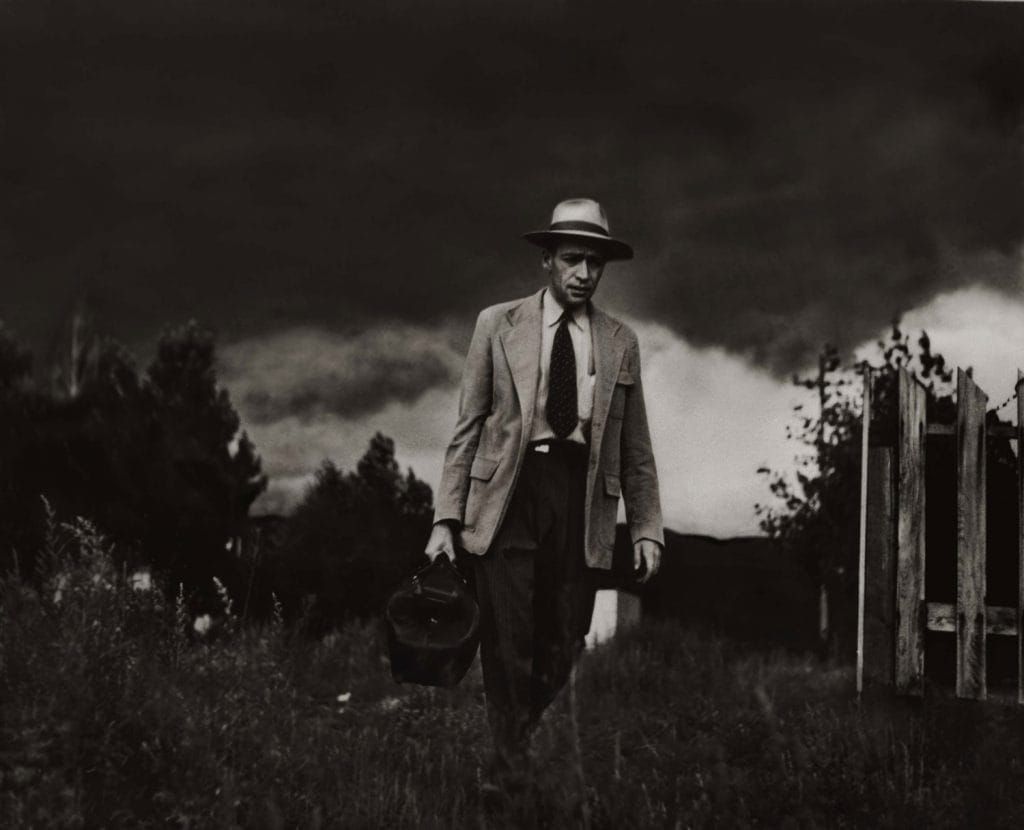
In 1948, LIFE magazine sent photographer W. Eugene Smith to spend 23 days in Kremmling, Colorado, following Dr. Ernest Ceriani, the only physician serving roughly 2,000 people scattered across 400 square miles of Rocky Mountain ranchland. Ceriani had grown up on a Wyoming sheep ranch and trained in Chicago, but chose small-town practice over a city career; after the war, he answered a call from Kremmling newly built 14-bed hospital, itself the product of a local fundraising drive that had scraped together $35,000, much of the equipment secondhand, some of it military surplus, to convert a retiring doctor's former home into the town's only medical facility.
Dr. Ernest Ceriani made a house call on foot, Kremmling, Colo., 1948. The generalist was the lone physician serving a Rocky Mountain enclave that covered 400 square miles.
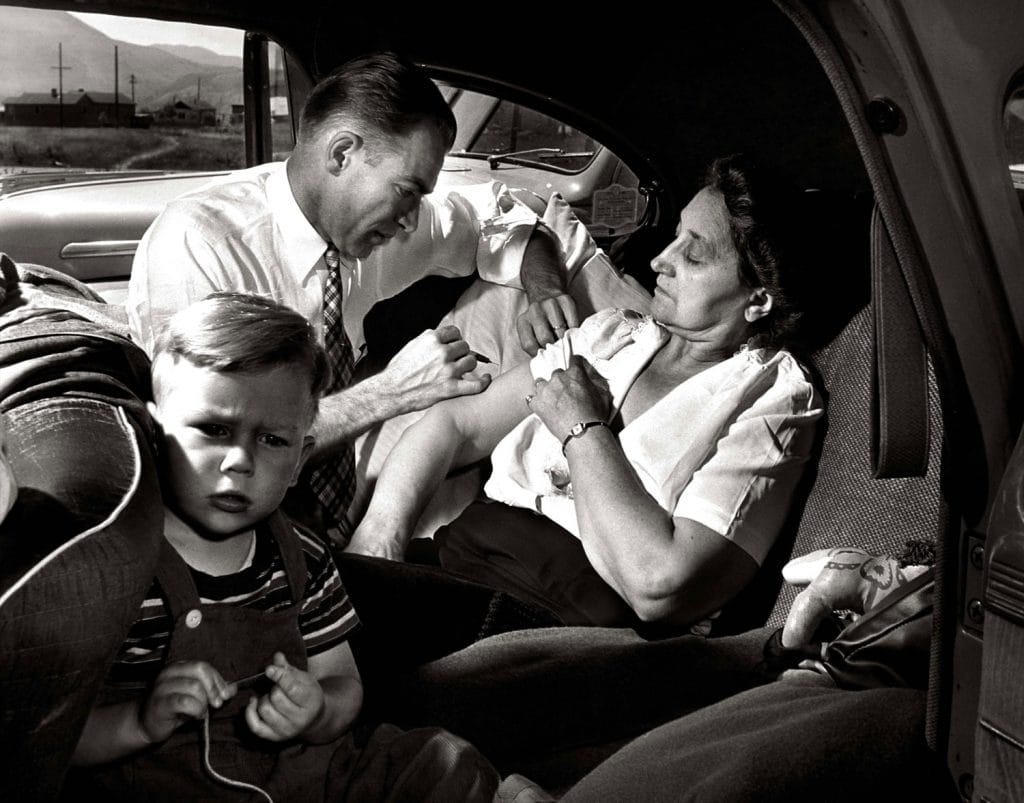
In the backseat of a car, Dr. Ceriani administered a shot of morphine to a 60-year-old tourist from Chicago, seen here with her grandson, who was suffering from a mild heart disturbance.
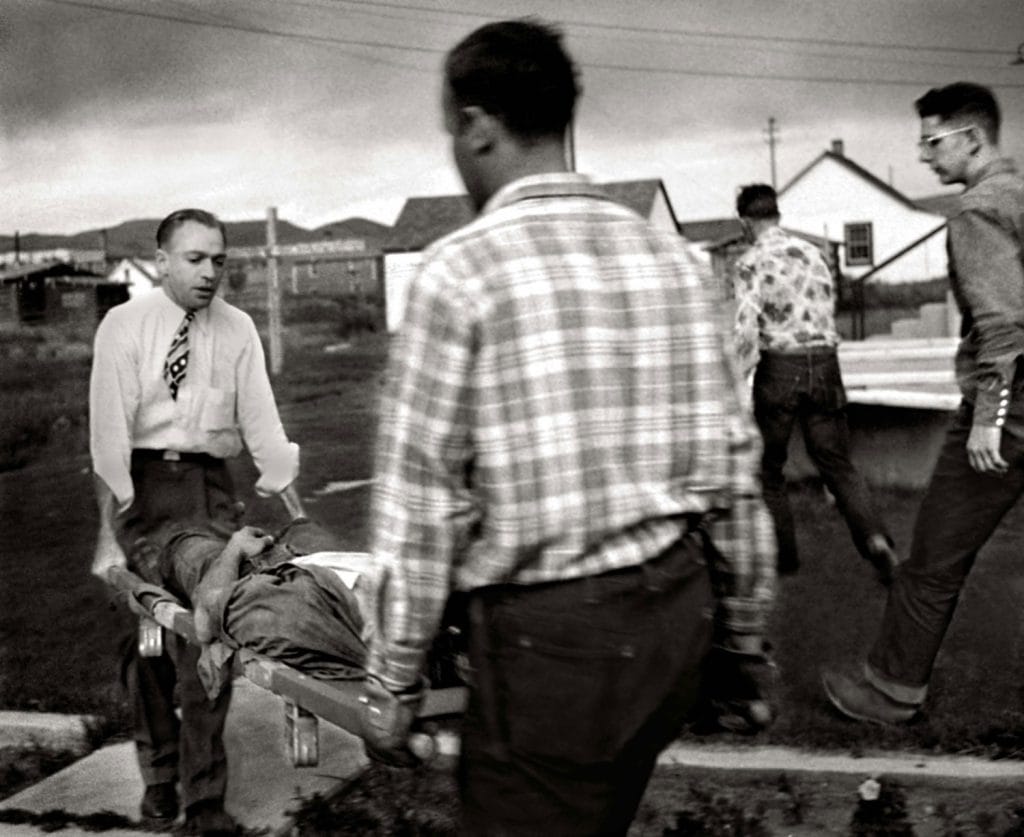
The doctor helped a rancher carry his son into the hospital. The inebriated young man dislocated his elbow when he was thrown from a bronco at a rodeo.
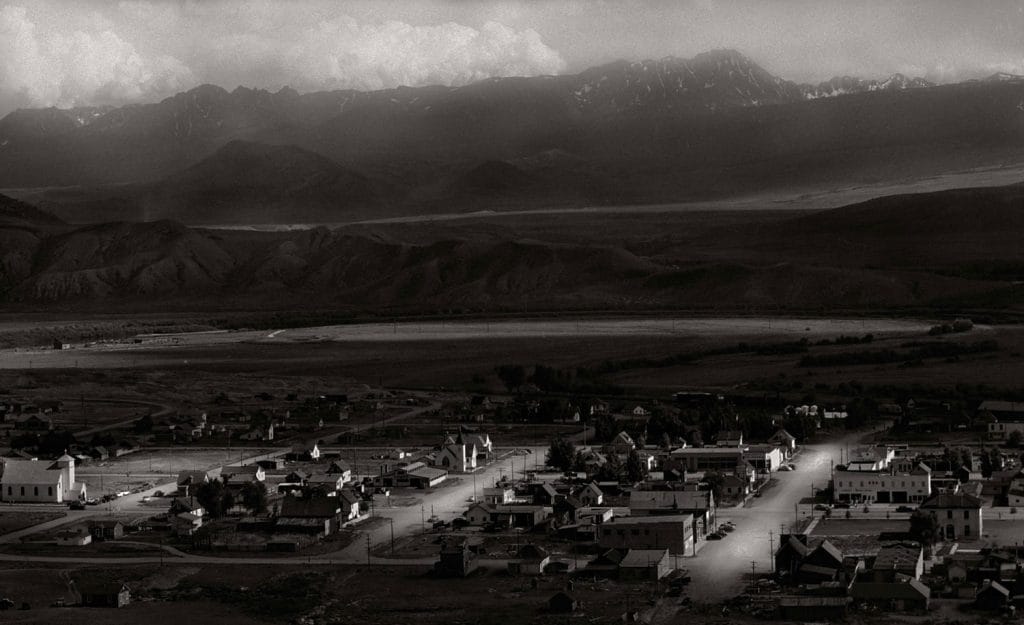
This piece is a useful entry point into the research topic because it shows, in vivid human terms, what "remote and rural medicine" has actually looked like in practice; long before automation or assistive technology entered the conversation. Smith's images document the core conditions that define this problem space: geographic isolation, scarce infrastructure, and a single provider stretched across an impossible workload. Reading it now, it's a reminder that rural healthcare has always been a design and systems problem, not just a technological one; the 1948 solution was fundraising, improvisation, and one doctor's endurance. It also frames the human stakes clearly: patients here aren't abstract "users" but people relying on presence, trust, and familiarity with their one available provider. That's a helpful baseline to carry into research on automated and assistive medicine, since any technology introduced into this space isn't entering a blank slate, it's entering a context with a long, specific history of scarcity, adaptation, and deeply personal care that any new system will have to reckon with in some way.
References
Cosgrove, B. (2012, February 1). "Country doctor": W. Eugene Smith's landmark photo essay. LIFE. https://www.life.com/history/w-eugene-smiths-landmark-photo-essay-country-doctor/



