
Designing for the Heat
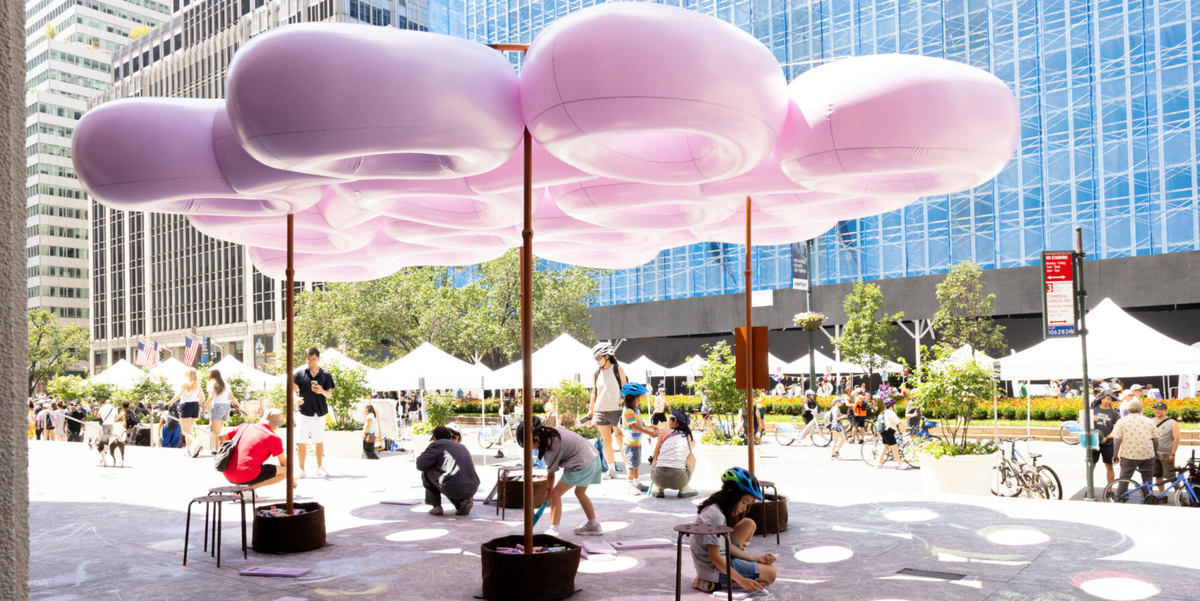
Coming from Saudi Arabia, where temperatures can reach around 44 C (111 F) during hot weather, shade plays a big role in how people experience and use outdoor spaces. When the weather is extremely hot, having a shaded area can make a difference between being able to spend time outside and wanting to leave the space completely.
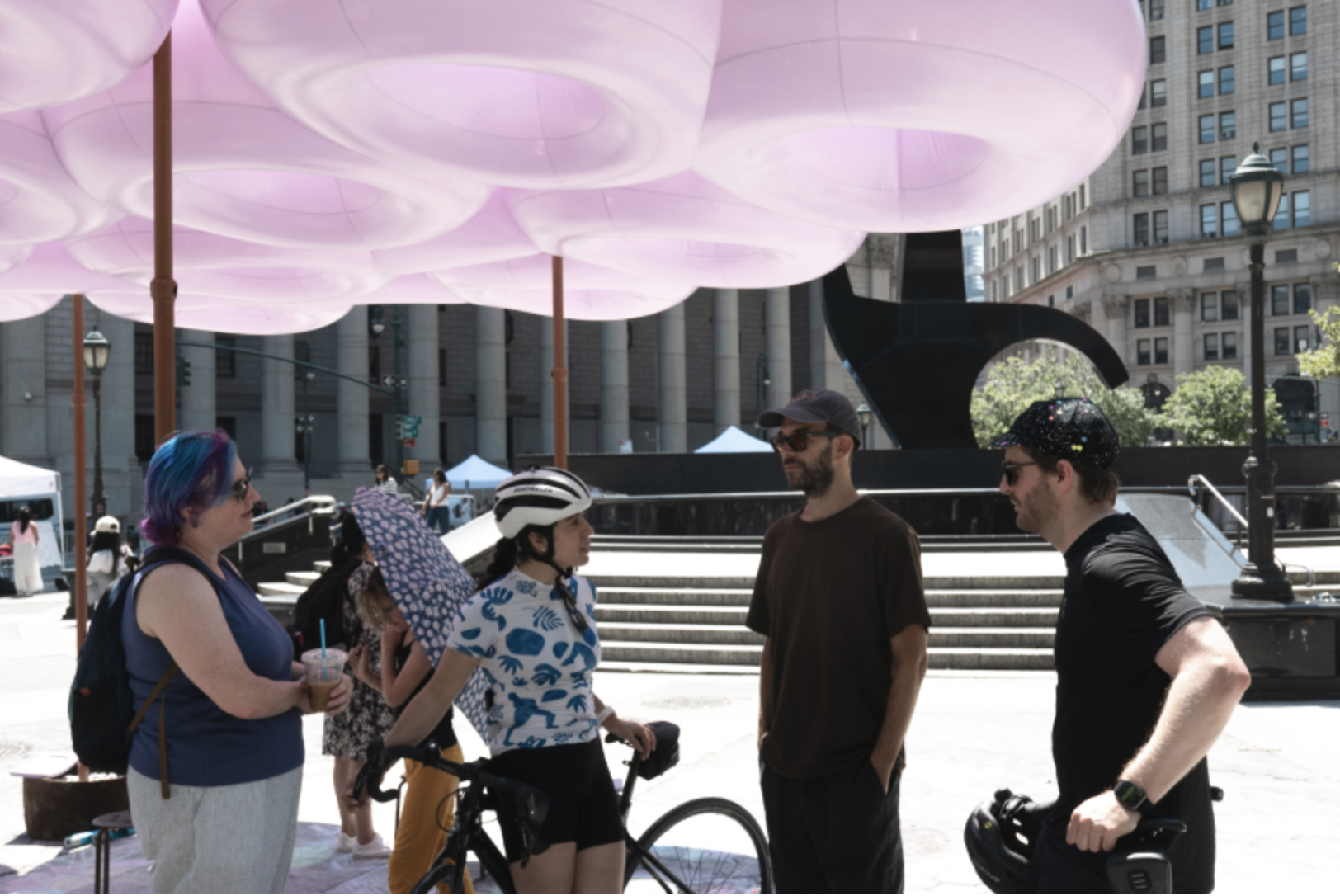
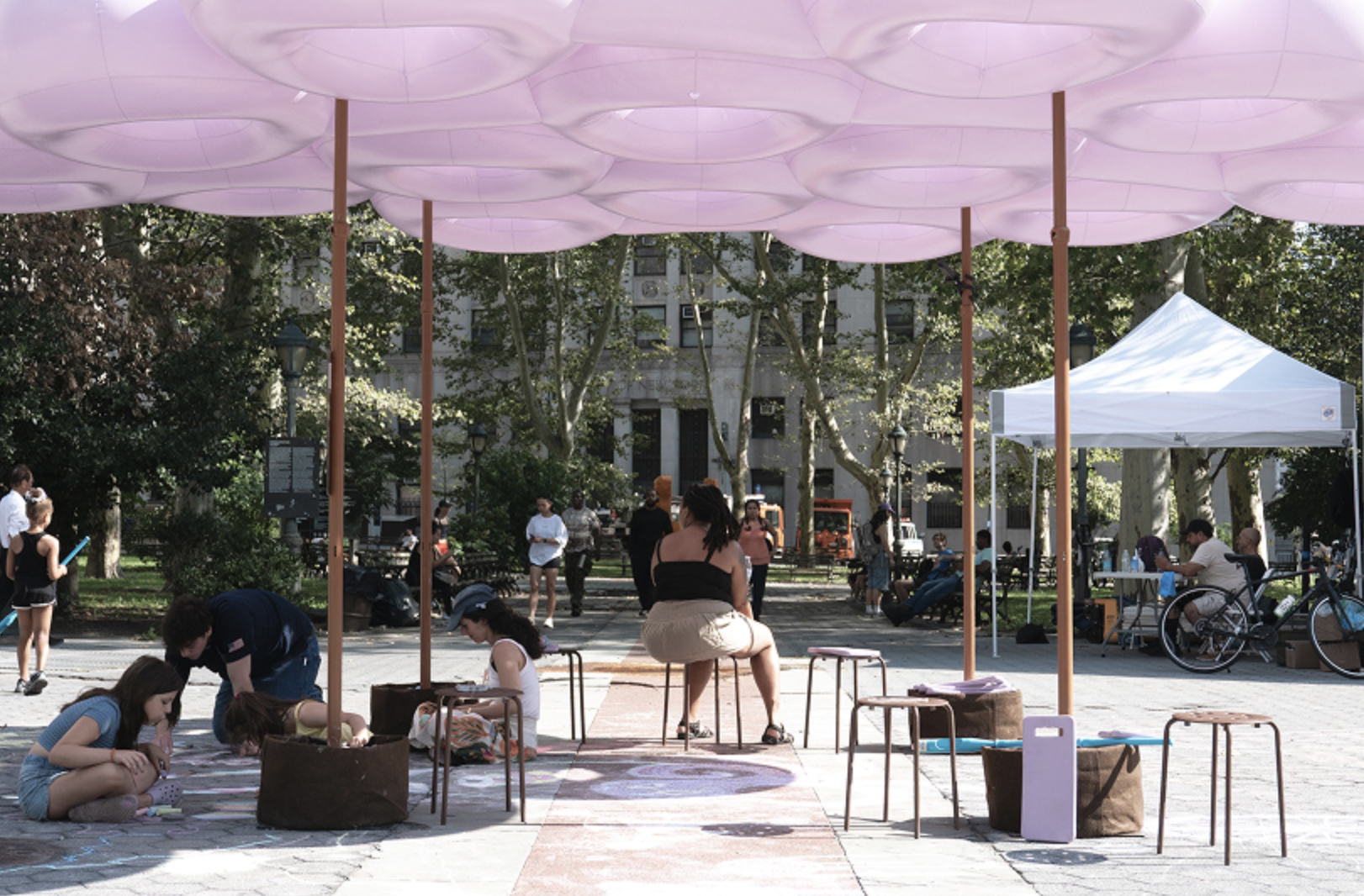
As cities become hotter during the summer, access to shade becomes an important part of outdoor environments. The Bower, designed by architect and artist Elsa Ponce, explores this through a temporary inflatable canopy in New York City. The large pink structure creates shade while also giving people a place to sit, gather, and spend time together (Ponce, 2026).
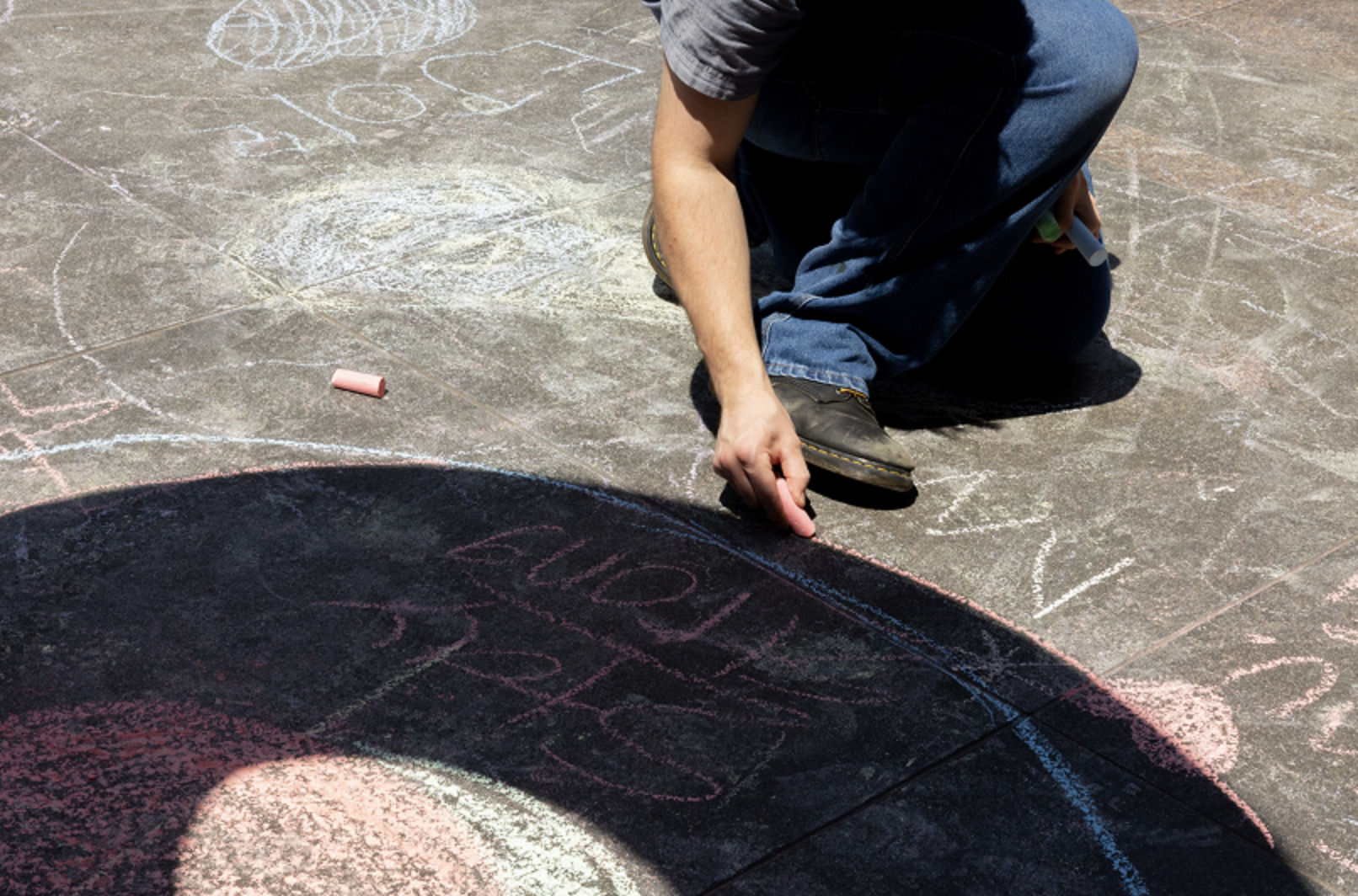
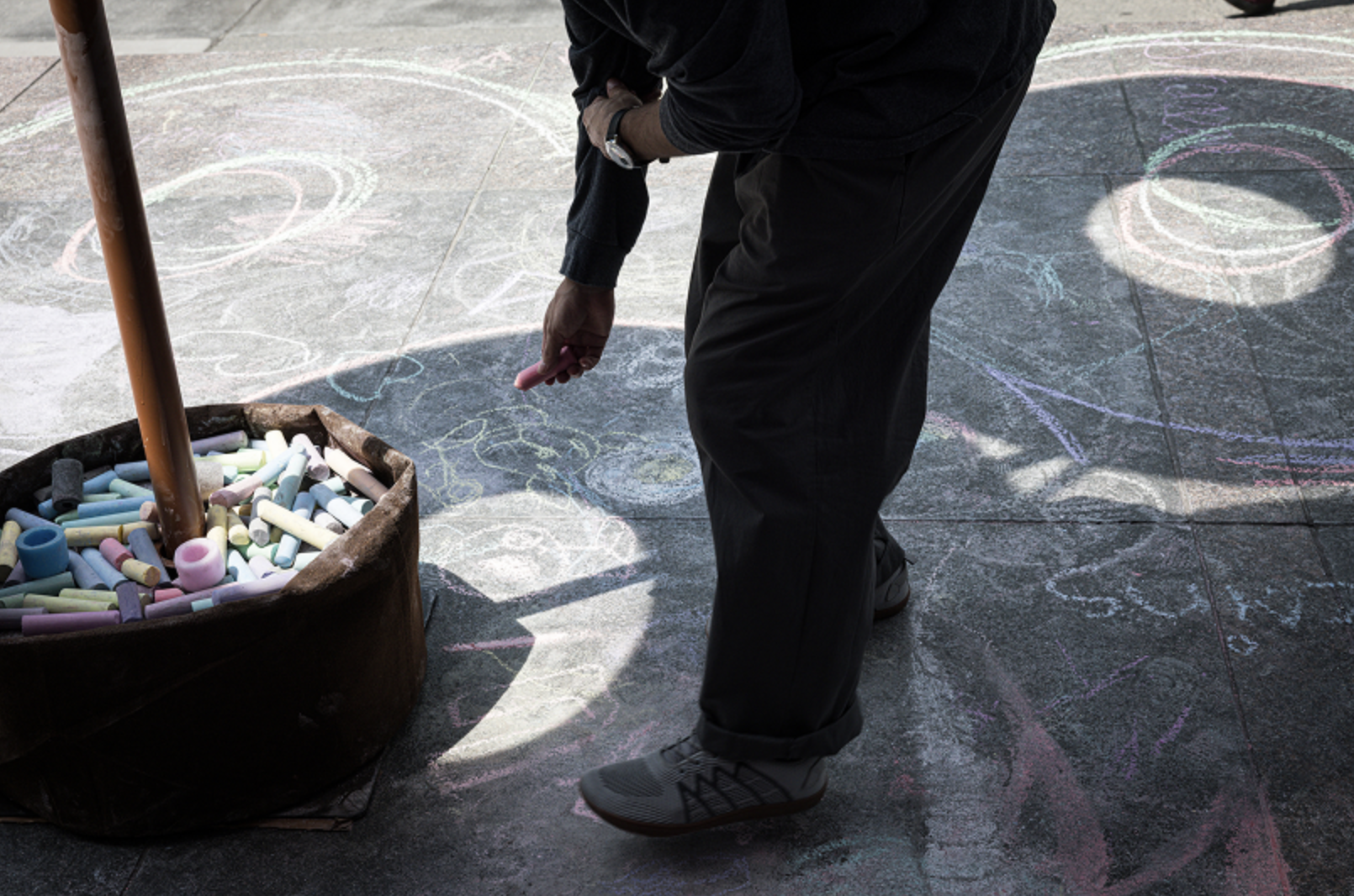
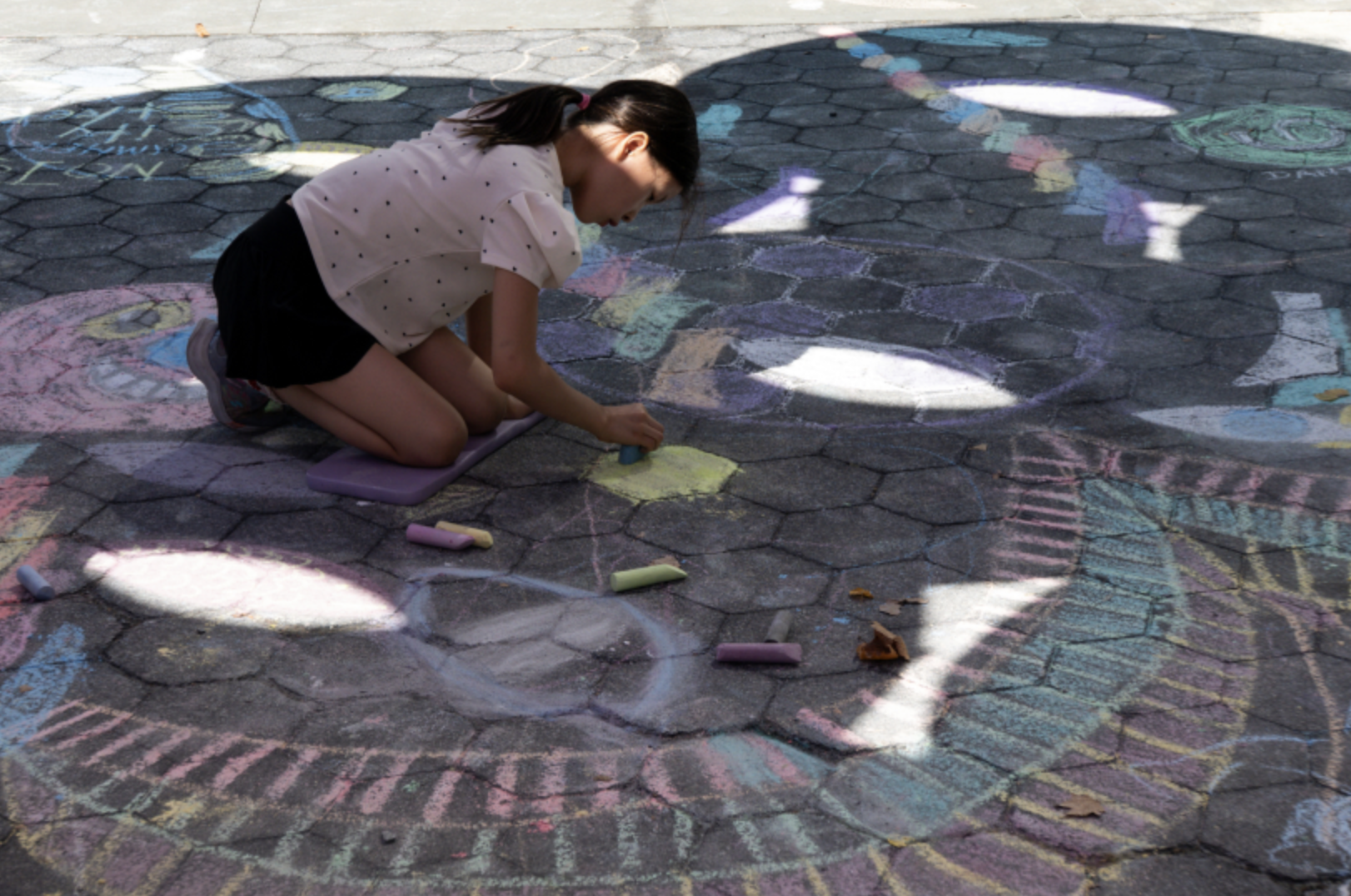
The installation also makes the changing sunlight part of the experience. As the sun moves throughout the day, the canopy creates different shadows on the ground that visitors can trace with chalk. This turns something functional, like creating shade, into an environment that people can also interact with and enjoy (Ponce, 2026).
SOFT INFLATABLE FORMS CONTRAST WITH NEW YORK’S HARD SURFACES (Ponce, 2026).
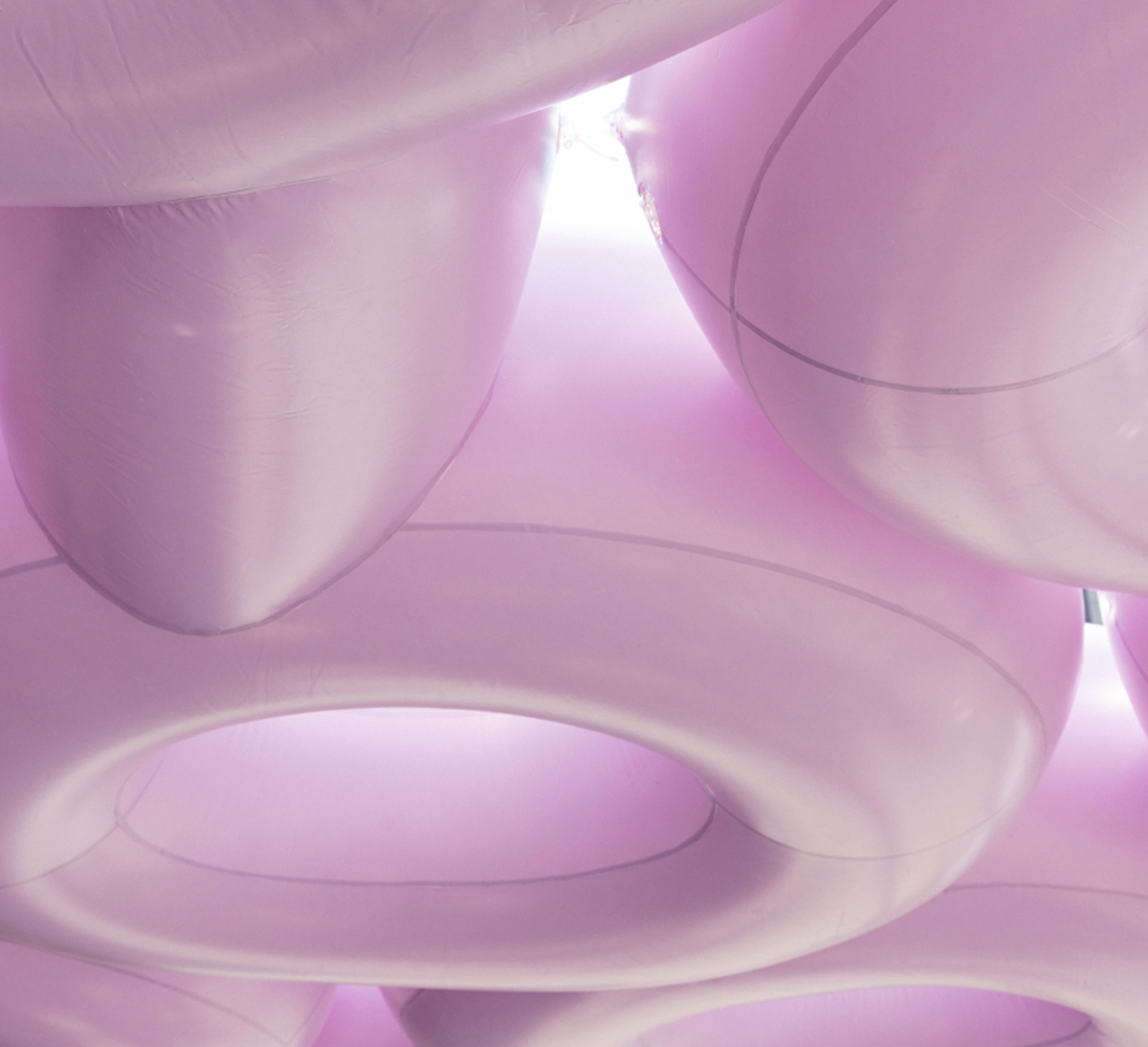
The idea is also connected to the Mexican expression vete por la sombrita, roughly translated as ‘walk in the shade’. Familiar from Ponce’s upbringing in Mexico, the phrase extends beyond practical advice for avoiding the sun, functioning as a small gesture of affection and protection. This understanding of shade as care forms a central idea behind The Bower. The installation by architect and artist Elsa Ponce takes its name from leafy shelters found across cultures, where they have provided protection, respite, and places for social connection. Its geometry draws from the dappled shadows cast by trees, using a composition of mass and void to produce changing patterns of light and shade throughout the day (Ponce, 2026).
Set against New York’s hard surfaces and rectilinear streetscape, The Bower introduces a deliberately soft architectural form. Clusters of inflatable elements hover above the pavement, filtering sunlight and creating a temporary landscape of shadow beneath them. The color palette references the jacaranda, a tree associated with Ponce’s memories of growing up in Mexico, with tones shifting from pale lilac to pastel pink as the sunlight changes. The temporary nature of Summer Streets also informed the construction. Designed to be installed and removed within a single day, The Bower had to remain lightweight and transportable while allowing a small crew to assemble it without specialized tools. For several hours, the structure converts a section of pavement into a temporary public room, providing a place to linger and interact within the street (Ponce, 2026).
Photos by designboom
Reflection
Reading this article literally showed me how something as simple as shade can completely change the way people experience an outdoor space. Coming from a place where the weather can get extremely hot, I know how important shade can be and how much it can affect whether people actually want to stay outside or not.
I also really like how the project does more than just protect people from the sun. The changing shadows become something people can interact with by drawing and tracing them with chalk. I think this makes the space feel more playful and gives people another reason to stay, interact, and spend time together. It made me realize that something functional like shade can also become part of an experience and encourage interaction between people and their environment.
Reference
Ponce, E. (2026, September 15). Pink inflatable canopy brings soft shade to New York’s streetscape. designboom. https://www.designboom.com/architecture/pink-inflatable-canopy-soft-shade-new-york-streetscape-elsa-ponce-bower/
Grammarly. (n.d.). https://app.grammarly.com/



