
Doctor Running For Kansas Office Swears By 'Direct Primary Care' Model
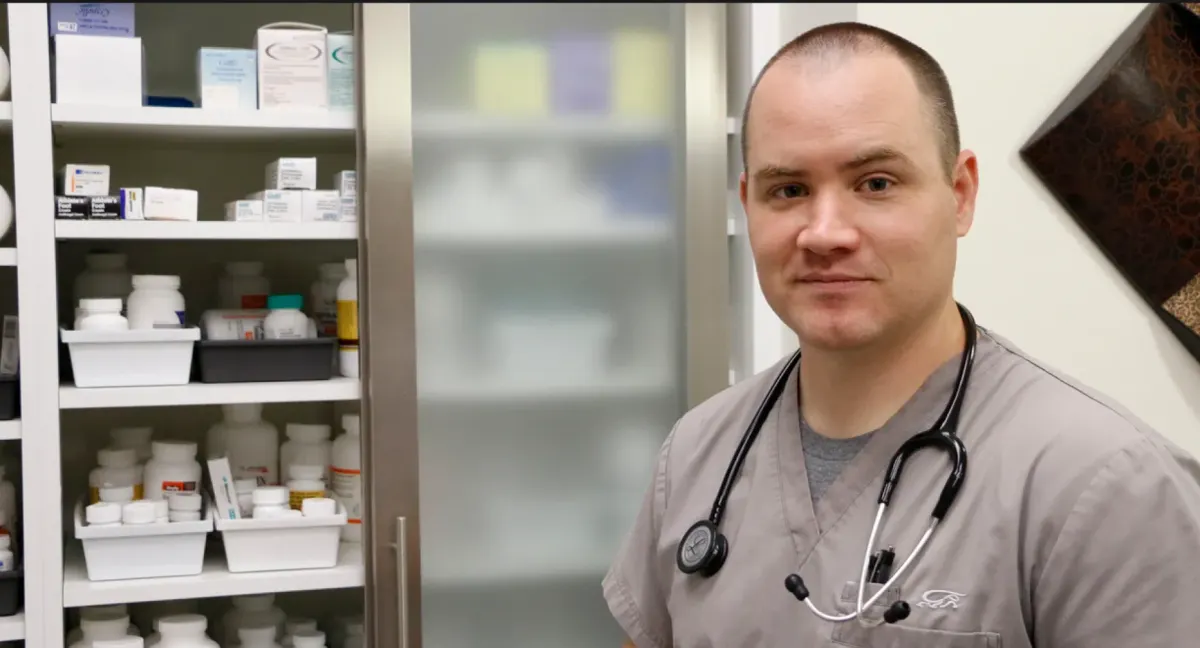
Dr. Josh Umbehr's clinic, AtlasMD in Wichita, Kansas, runs on a model that removes insurance from the equation almost entirely. Patients pay a flat monthly membership, $10 for kids, $50 for adults, that covers unlimited visits, phone calls, texts, and in-office procedures like stitches or lesion removal at no extra charge. AtlasMD bills no insurance companies at all. The clinic's entire revenue comes directly from these membership fees, which is what distinguishes "direct primary care" from traditional concierge medicine, historically priced far higher and marketed mainly to wealthy patients.
Umbehr, who now has two partners and a patient list of more than 1,600, is one of the more high-profile direct primary care physicians in the country. AtlasMD has been written up in the Wichita Business Journal and Bloomberg Businessweek, and Umbehr, 33, spends a chunk of his time these days helping other doctors disillusioned with the traditional insurance model start their own direct primary care practices.
The model is still small but growing nationally, DPC Frontier estimated over 1,200 direct primary care practices operating across 48 states, and ranges from solo Kansas clinics like Umbehr's up to larger multi-site organizations built on the same subscription logic.
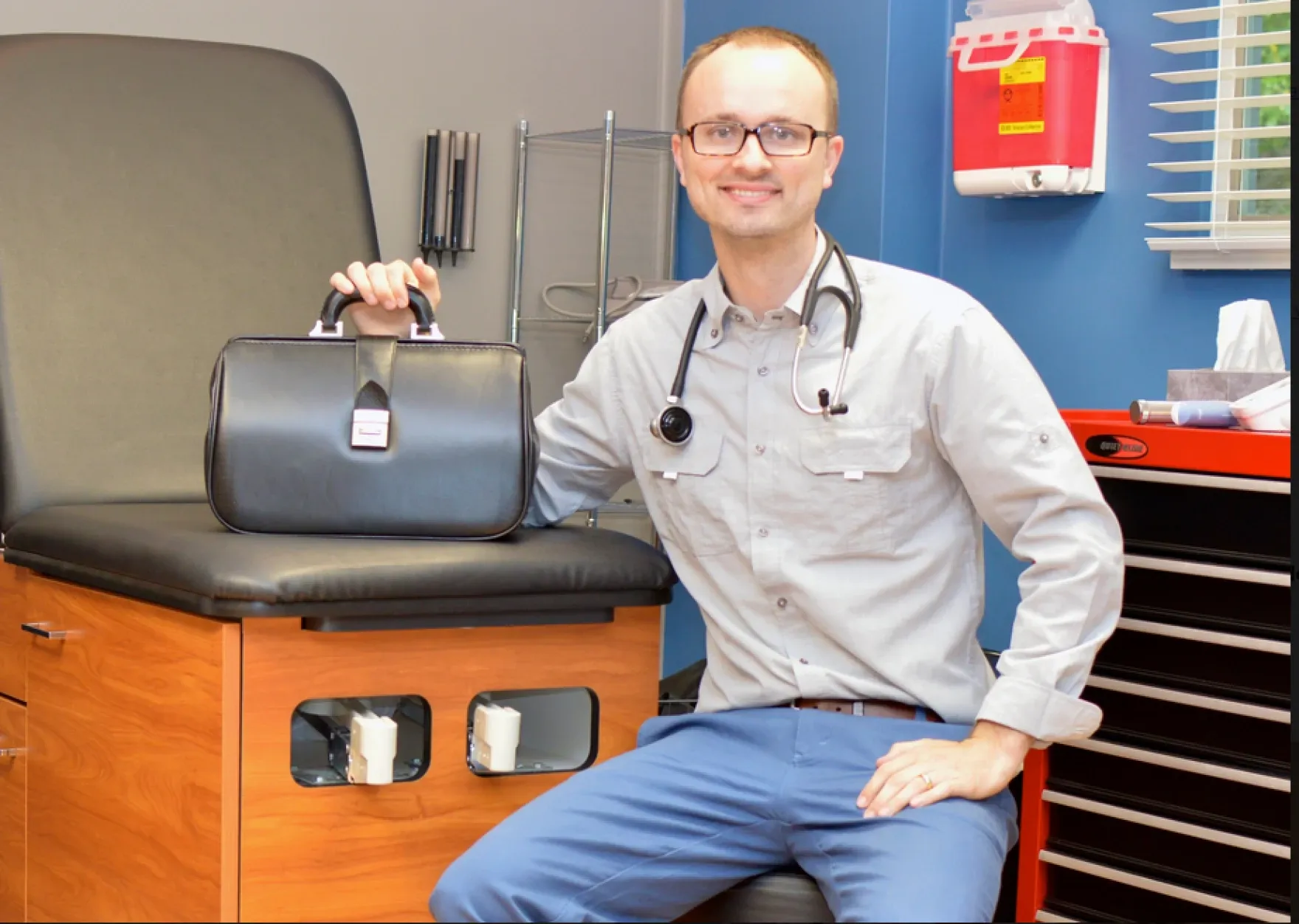
“Because Garraway is self-employed, he had to buy insurance for himself, his wife and their five kids on the private market. Two years ago he meshed his catastrophic coverage plan with membership in Umbehr's clinic.”
“Garraway appreciates the convenience of being able to contact his doctor any time, via email or phone, and feels like he's getting more personal attention than he did from doctors operating under traditional insurance.”
This article is relevant to my research topic because it's a clear example of a business model innovation that isn't about new technology at all, but about restructuring who gets paid, how, and for what. By removing insurance billing entirely, the model frees up time and lowers costs in a way that could matter a lot in rural areas, where fewer specialists and longer travel times already make every appointment more expensive in time and money. It's also a useful model to weigh against automation-focused solutions: instead of adding a device or algorithm to make care more efficient, AtlasMD simplifies the underlying business relationship itself, and gets a similar efficiency gain. For a design project on automated and assistive medicine, this raises a good question, how much of the "access problem" in rural healthcare is actually a technology gap, versus a structural or administrative one that a smarter business model could solve without any new device at all?
References
KCUR. (2014, October 7). Doctor running for Kansas office swears by 'direct primary care' model. Kansas City NPR. https://www.kcur.org/post/doctor-running-kansas-office-swears-direct-primary-care-model



