
Does Anyone Want New Stars in the Sky?
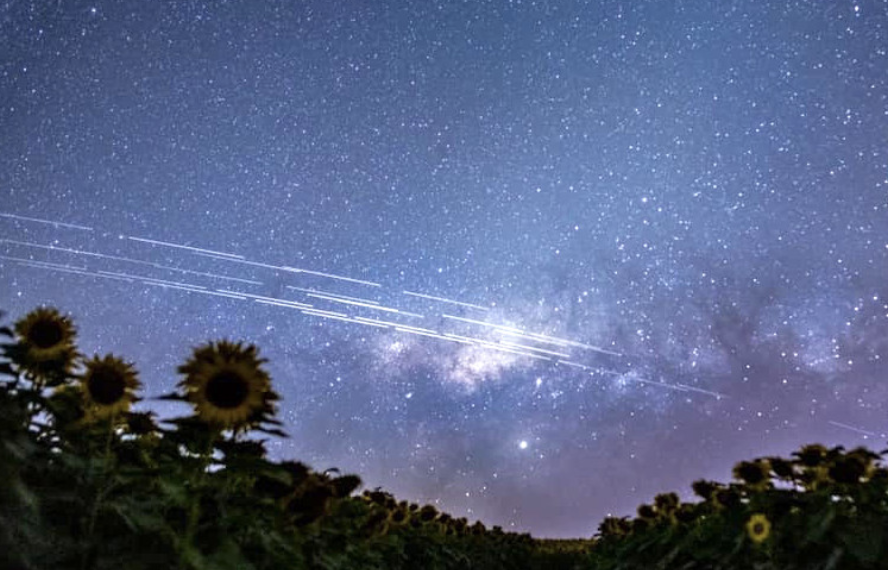
Private companies have begun producing massive amounts of satellites for various reasons; however, these new devices bring up a multitude of concerns. An influx of satellites means new lights in our skies, creating a fundamentally different night sky for each coming generation to look up at. Begs the question; what can actually be done about this?
"As of February 2026, approximately 14,000 active satellites are in orbit. An additional 1.23 million proposed satellite projects are in various stages of development."(Radisic & Lawler, 2026).
"In 2021, astronomers estimated that in less than a decade, 1 in every 15 points of light in the night sky would be a moving satellite"(Radisic & Lawler, 2026).
"Satellites in low Earth orbit reflect sunlight for about two hours after sunset and before sunrise ...projections show future satellites will significantly increase this light pollution."(Radisic & Lawler, 2026).
"This is why the world needs a Dark Skies Impact Assessment, as proposed by space lawyers Gregory Radisic and Natalie Gillespie. It's a systematic way to identify, document, and meaningfully consider all the impacts of a proposed satellite constellation before it goes ahead"(Radisic & Lawler, 2026).
"A Dark Skies Impact Assessment doesn't prevent space development. It clarifies trade-offs and improves decision making. It can lead to design choices that reduce brightness and visual interference, orbital configurations that lessen cultural impact, earlier and more meaningful consultation, and cultural considerations where harm can't be avoided."(Radisic & Lawler, 2026).
Review
The satellites entering our night skies act as light reflectors, introducing an unfamiliar form of light pollution that we are only beginning to understand. This emerging challenge brings complications that extend far beyond environmental and social concerns, morphing into a complex bureaucratic problem.
Currently, everyday citizens have little say in what goes into orbit, and regulatory oversight regarding the full lifecycle of these commercial satellites remains heavily fragmented. While governments and non-governmental organizations are working to establish better legal frameworks and organization, how quickly these policies can be enacted remains uncertain—raising concerns that regulatory bodies may act too late to protect the night sky.
Refrences
Gorosspe, A. (2026, February 23). Too many satellites? Earth's orbit is on track for a catastrophe—but we can stop it. Phys.org.https://phys.org/news/2026-02-satellites-earth-orbit-track-catastrophe.html



