
Driverless Vehicles Get in Less Crashes Than Human Driven Vehicles
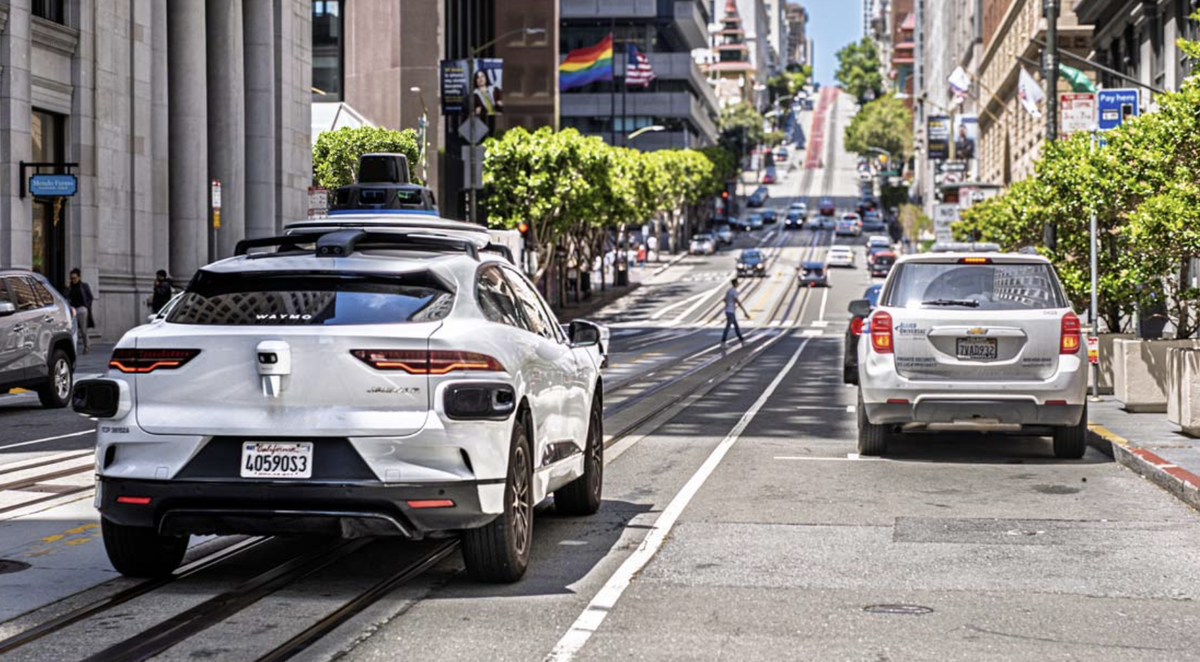
Statistics have shown that self-driving vehicles have been known to be involved in a decreased amount of vehicle-related accidents compared to vehicles with human driving them. Although there is a system currently put in place regarding self-driving vehicles, the system needs improvement based off of a recent study.
"Waymo’s driverless cars are involved in fewer crashes than human drivers, but the federal system for monitoring automated vehicles needs improvement, a new study from the Insurance Institute for Highway Safety shows," (Eric Teoh, 2026).
"Per vehicle mile traveled (VMT), Waymo’s driverless vehicles deployed in San Francisco, Phoenix, Los Angeles and Austin were involved in 68% fewer crashes than human drivers, researchers found. The sample was restricted to crashes that a person would typically report to the police," (Eric Teoh, 2026).
"Started in 2009 as the Google self-driving car project, Waymo launched its driverless robotaxi service for the public in Phoenix in 2020, expanded to San Francisco in 2022 and Los Angeles in 2023, and began limited operation in Austin in 2024. Its vehicles are classified as Level 4 on the automation scale created by SAE International, which means the automation can do all the driving with no human supervision under certain conditions," (Eric Teoh, 2026).
"In contrast, the Level 2 partial automation systems that are widely available for purchase by the general public, such as General Motors’ SuperCruise or Ford’s BlueCruise, require a human driver to remain alert and ready to take over at all times," (Eric Teoh, 2026).
"Level 3 systems can operate without constant human supervision in specified conditions, but a human still needs to be in the driver seat and ready to intervene when requested," (Eric Teoh, 2026).
"Around half of all crashes and a third of injury crashes go unreported," (Eric Teoh, 2026).
"Overall, Waymo’s crash involvement rate was 68% lower than that of human drivers — 76% lower in Phoenix, 35% lower in San Francisco, 71% lower in Los Angeles, and 4% higher in Austin, where the sample size was relatively small. Waymo vehicles were involved in 85% fewer single-vehicle crashes and 81% fewer injury crashes per VMT than human drivers," (Eric Teoh, 2026).
Reflection
I think the statistics coming out from this study shed light on the positive sides of driverless cars. The statistic that more than half of the locations where self-driving vehicles have been deployed—including San Francisco, Phoenix, Los Angeles, and Austin—have not experienced a vehicle-related accident can suggest that these driverless vehicles may be a safer option than a havin a human drive one. In the future, are driverless vehicles going to be a normal aspect of our everyday life? How will these driverless cars differ on the exterior of the vehicle compared to the outside of the vehicle? Will users face pain point along the way as they are not being driven by another human and rather a robot?
Reference
Eric Teoh. (2026). Waymo’s driverless cars crash less often than people. IIHS-HLDI Crash Testing and Highway Safety. https://www.iihs.org/news/detail/waymos-driverless-cars-crash-less-often-than-people



