
EksoBionics Medical Assistance
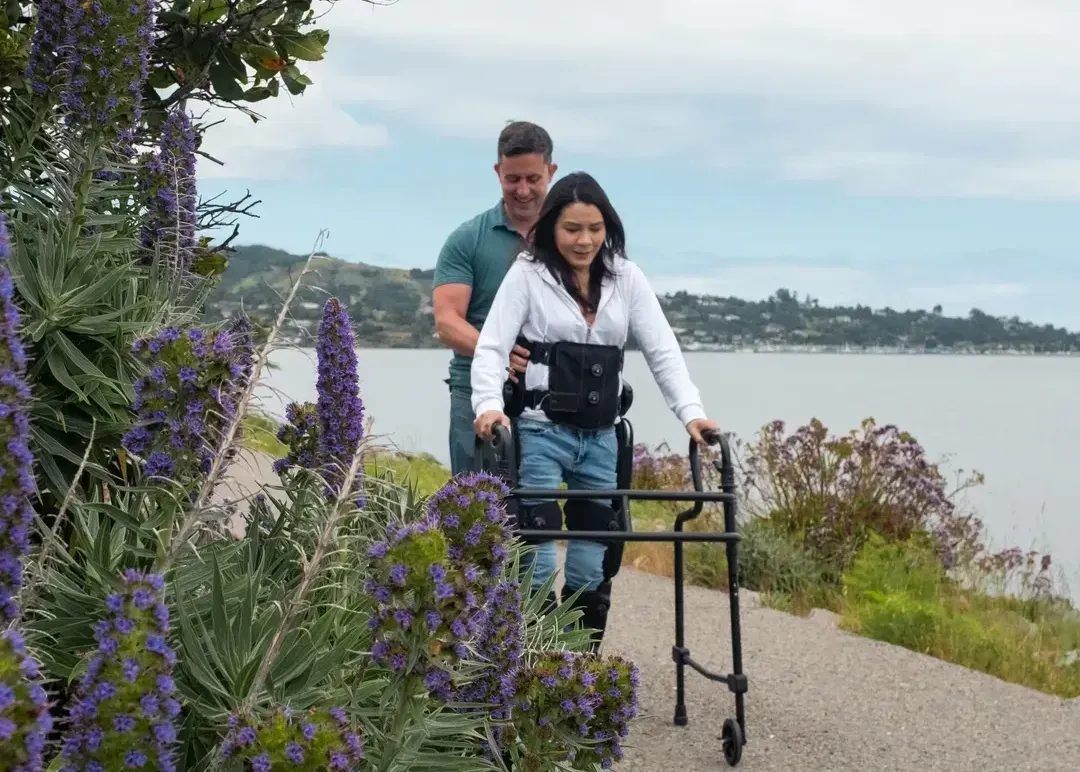
The world of assistive medicine has transformed the lives of individuals with mobility issues due to medical traumas or degenerative diseases. A leading company for this technological advancement is Eksobionics, a company developing exoskeleton technology for both personal and clinical use.
The official website described their target market:
Whether you are an individual living with spinal cord injury (SCI), a physical therapist working with patients after stroke, brain injury, SCI, or those with multiple sclerosis (MS) (Eksobionics, 2018).
Ekso Indego is a powered lower limb orthosis, also known as a powered exoskeleton, which enables people with mobility impairments the opportunity to walk independently. Power is provided by sophisticated motors in the knee and hip joints, and combined with advanced sensors and control strategies, the device allows individuals with gait impairments to stand and walk again, granting them a new level of independence at home and in the community (Eksobionics, 2018).
Instead of relying on a caregiver or healthcare professional for mobility aid, the device gives control back to the patient. This demonstrates how assistive medicine could help address gaps in rural and remote healthcare, where rehabilitation services and direct access to healthcare professionals may be limited.
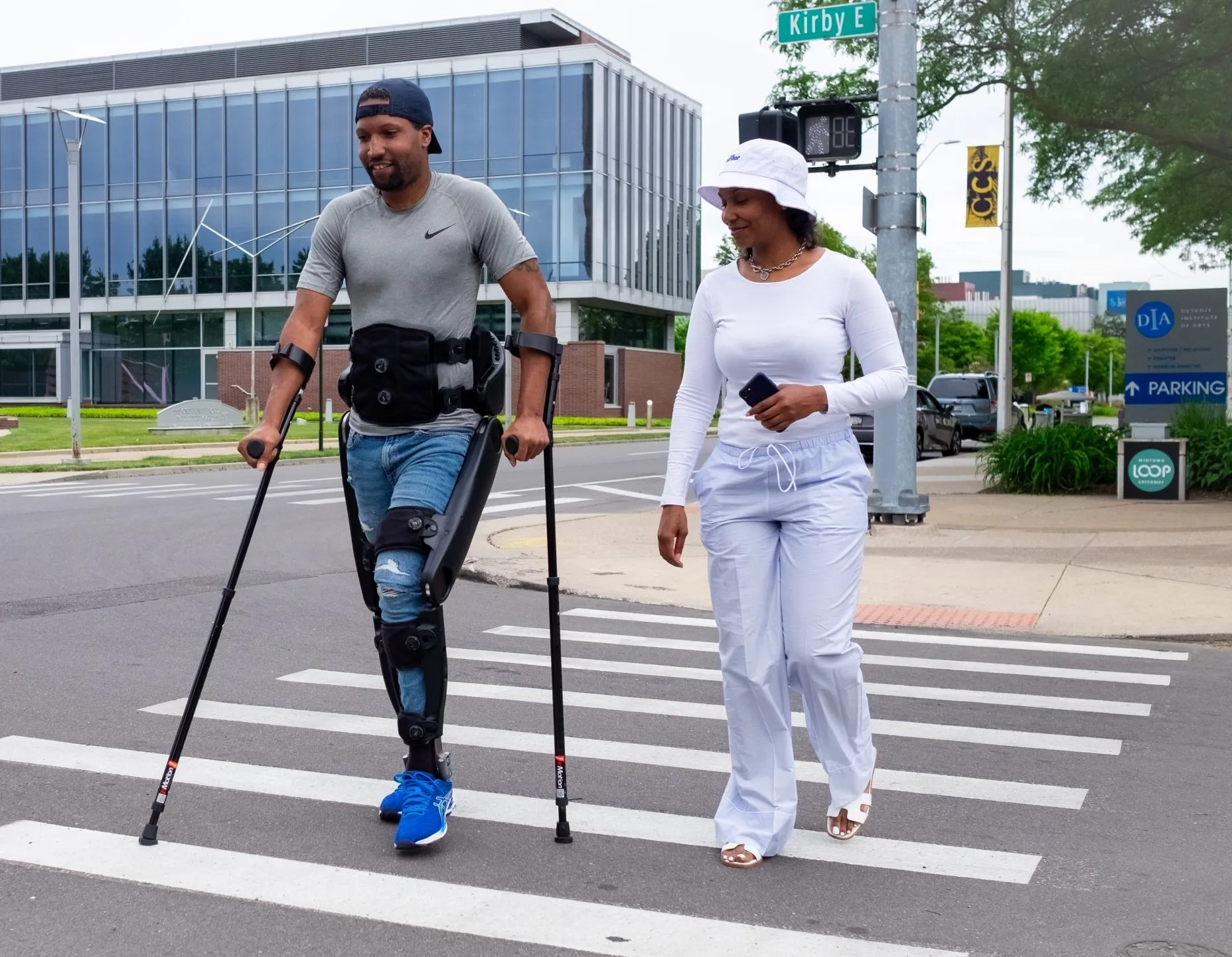
Ekso Indego is the only exoskeleton to offer a modular quick connect design, which allows you to put on and take off the device without assistance. At just 31 lbs (14 kg), Ekso Indego is the lightest commercial exoskeleton available offering ease of handling, transportation, and storage (Eksobionics, 2018).
The five component design including self-aligning connections allows for quick, independent donning and doffing as well as easy transport of the device. Its lightweight and narrow design allows Ekso Indego to be worn while seated in most wheelchairs and can be used on a variety of surfaces including carpets, floor, grass, and asphalt (Eksobionics, 2018).
The “multi-terrain” use would be especially applicable to rural and remote environments as they allow the patient to have minimal geographical barriers despite their medical conditions. In some rural communities, strong values of self-reliance might make people less likely to seek outside assistance, even when they need it. Devices that support people in managing their own needs could therefore address both the limited availability of professional aid and the cultural preference for personal autonomy.
There is also additional feedback from the device for the user with vibratory feedback and LED indicators for the support person (Eksobionics, 2018).
Take charge of your Ekso Indego with our easy-to-use app. Track your progress and performance data, export session reports to your email, and change settings like speed and step height. These simple changes can take place in real time while standing (Eksobionics, 2018).
The ability to provide easily interpretable feedback to both the patient and anyone accompanying them highlights the importance of visual and sensory cues in wearable medical devices. The intuitive feedback can make the device easier to understand and interact with, allowing its functions to feel more natural to the user which is something I will apply to the development of a product.
References:
Eksobionics. (2018). Exoskeletons for medical and industrial uses | ekso bionics. Ekso Bionics. https://eksobionics.com/
AI was used to check grammar in this reflection.



