
Everyone Deserves Access to Nature
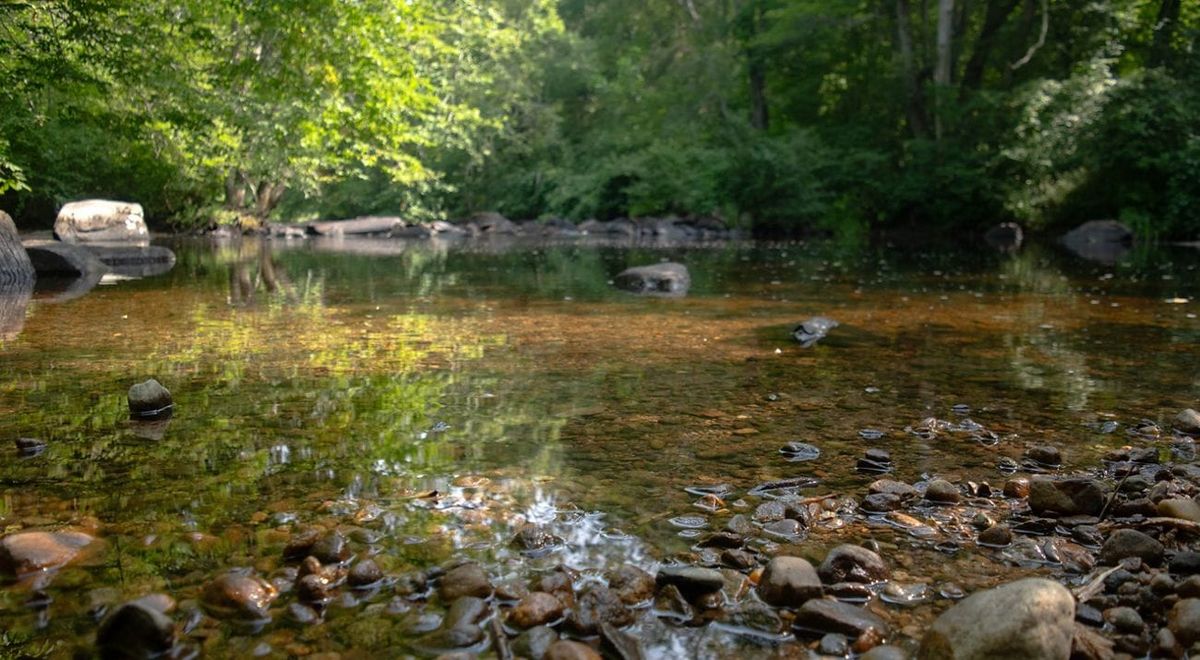
Nature and outdoor spaces can be a great way for people to explore, relax, and enjoy what is around them. However, not everyone is able to experience these spaces in the same way. Things like uneven trails, steep paths, or not having enough places to rest can make it difficult for some people to enjoy nature (The Nature Conservancy, n.d.).
The All Persons Trail in New Hampshire is an example of how an outdoor space can be changed to make it easier for more people to use. The trail was designed with different needs in mind and includes things like wider paths, resting areas, accessible transportation, signs, and an audio tour. These features give more people the opportunity to explore and experience nature in a way that works for them (The Nature Conservancy, n.d.).
Trails for All (The Nature Conservancy, n.d.).
Building a Better Experience (The Nature Conservancy, n.d.).
Preserve managers implemented design features, with input from the community, that open the All Persons Trail to a wider set of visitors. © Daniele Simonelli (The Nature Conservancy, n.d.).
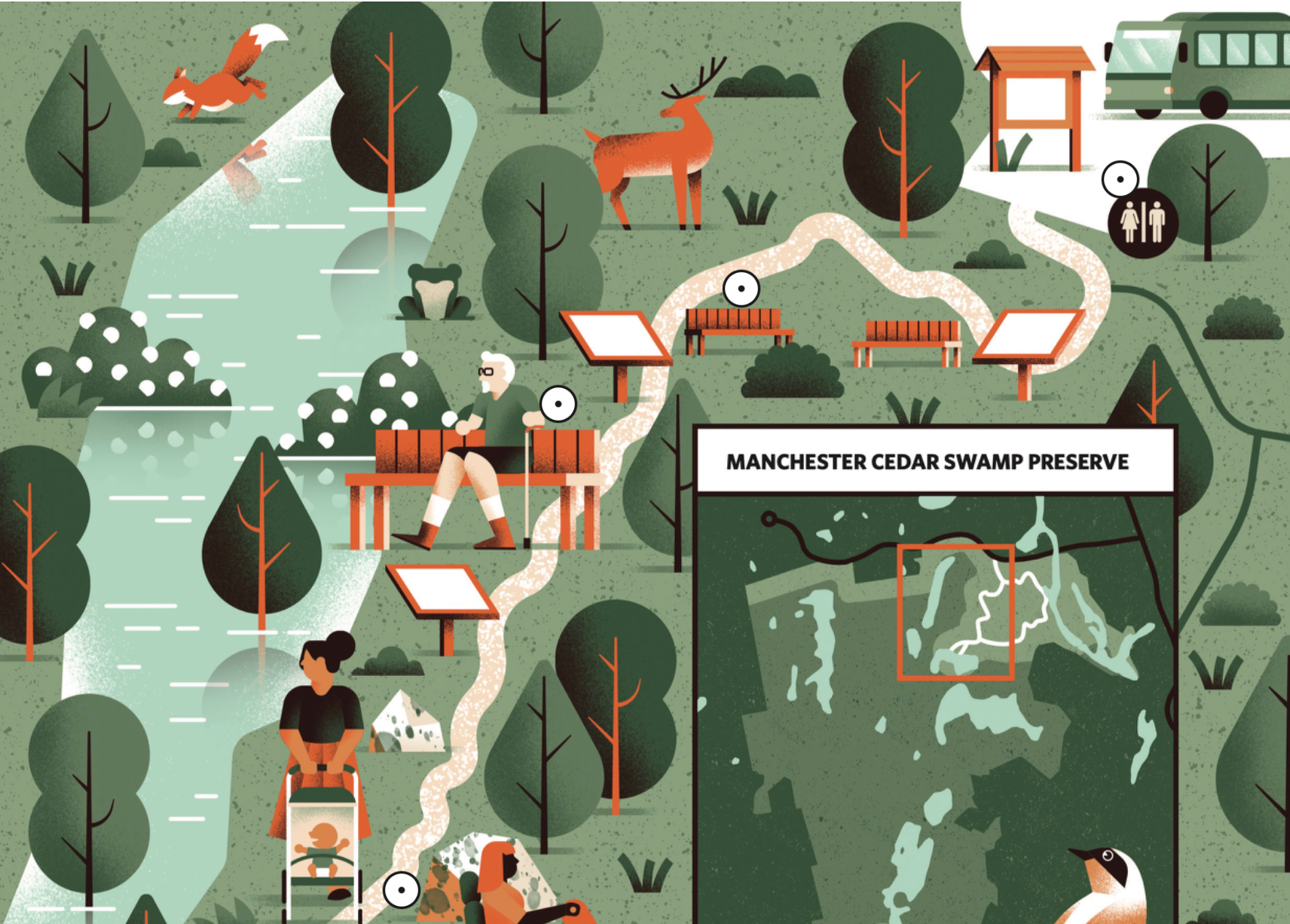
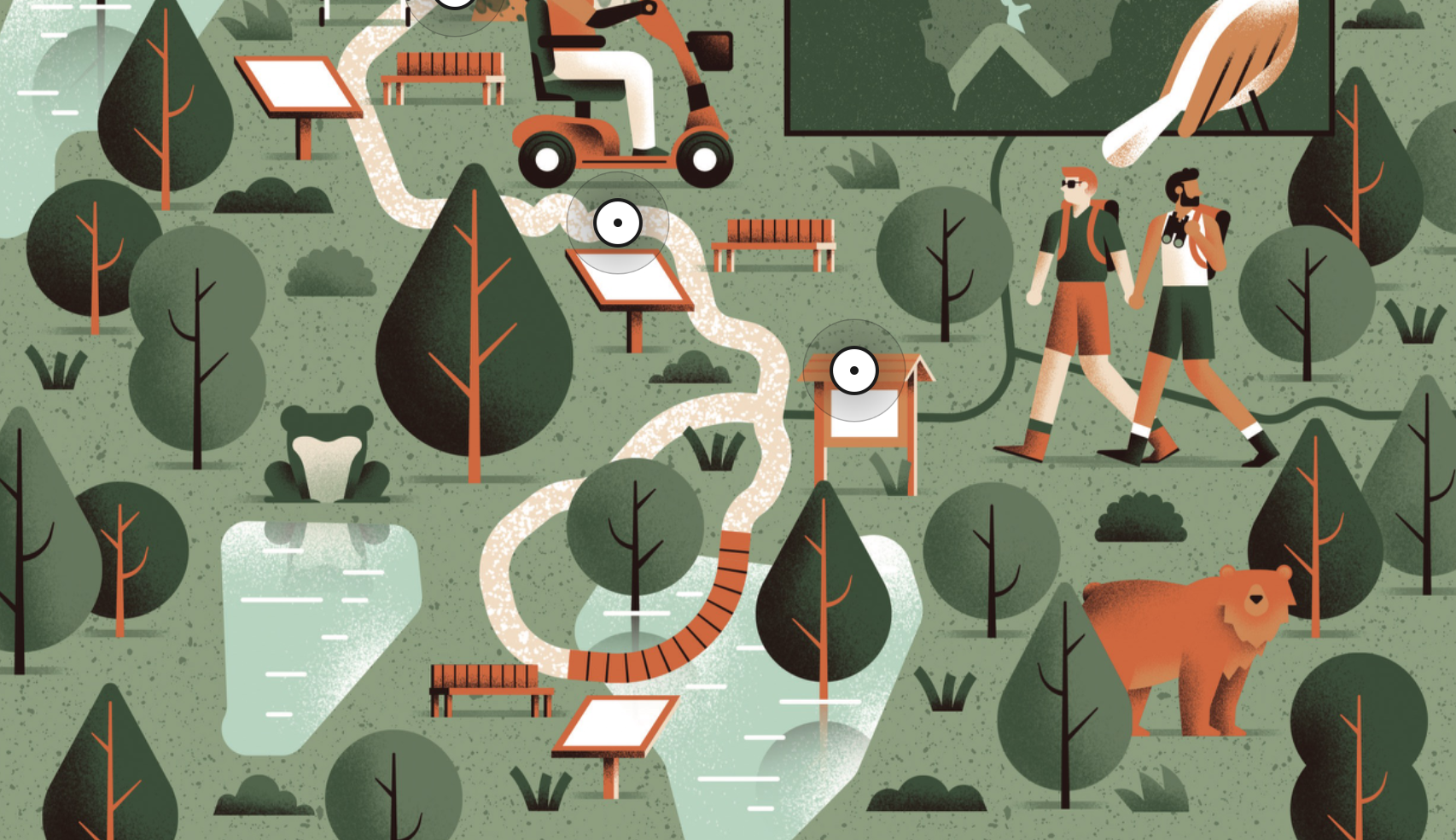
Like many aspects of the built world, these sorts of trails can feel natural, even preordained. In reality, they are a reflection of the priorities of the trail builders, who historically sought to break down barriers between hikers and the environment, sometimes to the unwitting exclusion of those with disabilities. In recent years, however, conservation organizations and park systems have begun to emphasize accessibility, while also acknowledging that inviting greater numbers of people to preserves carries some risk for plants and wildlife. Finding that balance is worth the effort, says Kate Berdan, the stewardship manager for TNC in New York. “Keeping people out of these spaces isn’t going to help us in the long run,” Berdan says. “The more people we have as stakeholders, the more stewards we have for the future” (The Nature Conservancy, n.d.).
common barriers: “We went through and were like, ‘What can we do about this? Anything?’” In a lot of cases, the answer was yes. The final trail design features a 6-foot-wide, crushed-stone path, firm enough for wheelchairs but still permeable to water. New, brightly colored signage includes illustrated depictions of multiple races, genders, sexual orientations and abilities, and explicitly encourages visitors to be respectful to their fellow hikers. An app-based, GPS-enabled audio tour can be downloaded by anyone, including those who are visually impaired or don’t read English. And evenly spaced along the length of the trail are six hand-built wooden benches, including one within view of the trailhead, a visual signal to less-confident hikers. “We never, ever would have considered putting a bench so close to a trailhead if it wasn’t for very specific recommendations that we got from the disability community,” Glode says. (The Nature Conservancy, n.d.).
Reflection
This article shows and talks about how changing small parts of an environment can completely change the experience for someone. I really like how they thought about different people and their needs when designing the trail. Something that might seem simple, like adding wider paths, places to rest, or different ways to receive information, can make a big difference in whether someone is able to enjoy the space or not. It made me realize that accessibility is not only about being able to enter a space, but also about being able to actually enjoy and participate in the experience.
An environment doesn't have to work the exact same way for everyone. Giving people different options can make the same experience more comfortable and enjoyable for more people.
Reference
Trails for all. The Nature Conservancy. (n.d.). https://www.nature.org/en-us/magazine/magazine-articles/making-nature-accessible-for-all/
Grammarly. (n.d.). https://app.grammarly.com/



