
Friendly Neighborhood CPS
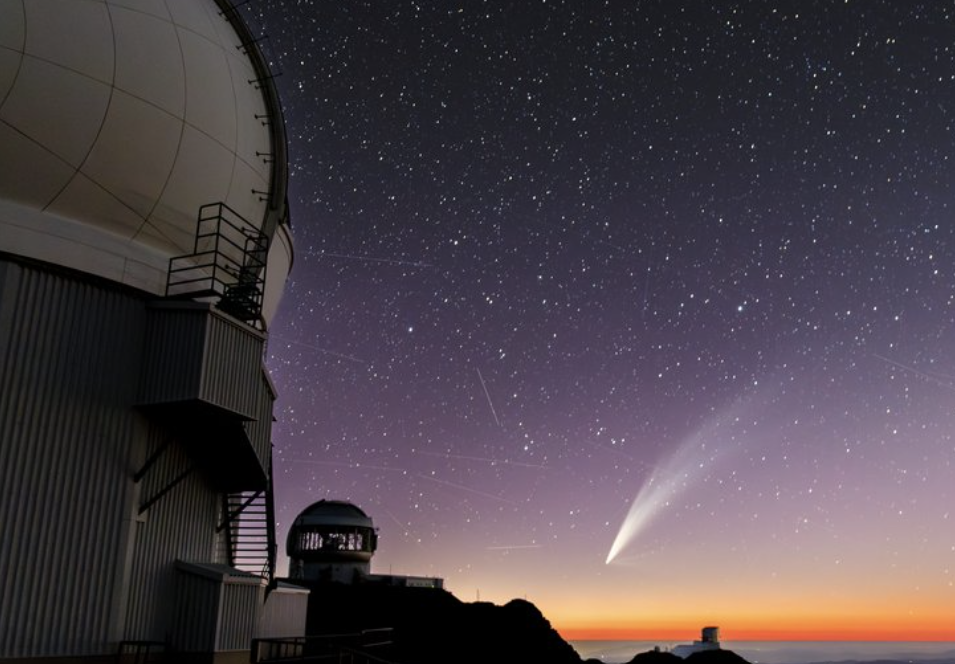
In September 2025, the International Astronomical Union, NSF NOIRLab, and the SKA Observatory renewed funding for the Centre for the Protection of the Dark and Quiet Sky (CPS) for another five years, through March 2030. As part of the renewal, the Centre's name was also shortened from its original, longer title (CPS, 2025). But what exactly do they do for dark and quiet skies innitiatives?
"The core mission of the CPS remains essentially the same: to raise awareness of the impact of satellite constellations on professional and amateur astronomy and people’s enjoyment of the night sky, as well as coordinate work to study the impact of satellite constellations, develop potential mitigations, and propose good practice and regulation" (CPS 2025).
"The Centre’s outputs will include developing tools to help observatories minimize satellite encounters, fostering closer links with industry, supporting hardware mitigation development, collaborating with space agencies to facilitate access to up-to-date orbital parameters, supporting the development of relevant regulation through international bodies, and establishing satellite observation standards" (CPS 2025).
"It has achieved relevant goals in all four areas of initial activity. These include the scientific characterisation of satellite interference, the development and testing of possible mitigating measures in collaboration with satellite companies, the analysis of existing policies, and the engagement of parts of wider society to understand the epochal change in the use of outer space" (CPS 2025).
"The CPS and its contributing members have answered several requests for comments, as well as facilitated the inclusion of the protection of dark and quiet skies in the G7 declaration of Science Minister in 2023" (CPS 2025).
The CPS plays a significant role in bringing attention to the impact that satellites have on the night sky. By organizing a dedicated group to address these effects, it serves an important coordinating function for the astronomy community.
In addition to raising awareness, the CPS works to develop the best possible mitigations for this growing industry by seeking input from professionals and partnering with satellite companies to build mutual understanding going forward.
The goals the CPS has set for itself continue to expand, aiming to foster education on these topics as well as the development of technical standards for satellite observation.
Despite the good work the CPS is doing, it operates only through grants and outside funding from partner organizations. As that work continues, the CPS will need to keep securing funding to sustain it.
“The CPS has achieved a tremendous amount of progress with limited resources during its initial mandate. The entire CPS team and all its members are delighted to continue this work and expand our activities over the coming years, as we work toward solutions that contribute to the sustainable use of outer space for everyone,” Piero Benvenuti.
Reference
Centre for the Protection of the Dark and Quiet Sky. (2025, September 18). Centre for the Protection of the Dark and Quiet Sky secures five-year extension. CPS. https://cps.iau.org/news/centre-for-the-protection-of-the-dark-and-quiet-sky-secures-five-year-extension/



