
From Synthetic Material to Art
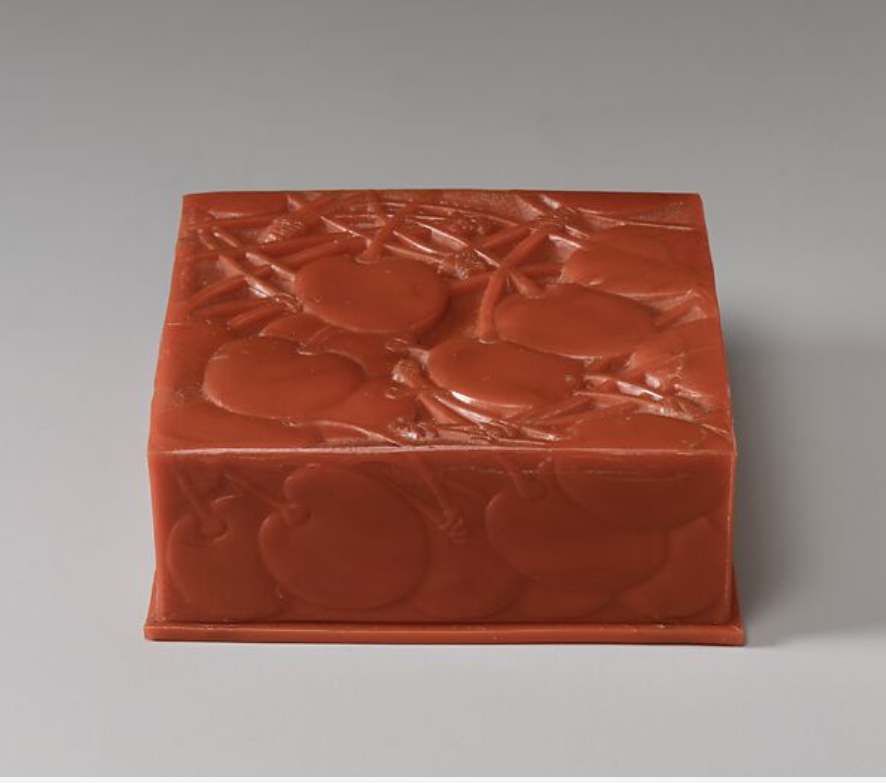
“The development of plastics from the mid-nineteenth century to the present has profoundly changed the materials of our physical world. As plastics inundated the home, workplace, and every industry and profession, they also found their place as a material for the creation of art"
Plastic has become a general term for synthetic materials that, as their name connotes, can be bent, molded, or formed into any shape, be it rigid, flexible, or liquid. The earliest plastics were actually modifications of natural materials. Horn, amber, shellac, and tortoiseshell can all be manipulated into forms by heating. In the nineteenth century, the world of synthetic chemistry began to boom, resulting in the new technologies of the chemical, dye, paper, and textile industries.”
“As early as 1938, artist Charles Biederman used plastic sheeting to create the planar forms of his work New York, Number 18 (1980.419). This shallow relief uses plastic as the main medium. The shot of yellow from the dyed plastic illustrates the capacity of plastics to have bright intense colors even when transparent.In the early twentieth century, hard plastic materials were also chemically manipulated to create paints and coatings. The industrial demand was great and the scarcity of raw materials made synthetic alternatives very attractive.” (Mustalish, 2004)
This article is very relevant ot the local loops project because it explores the idea of plastic being more than just a one-time use material. Throughout the article, it demonstrates how plastics have the ability to become a key design material, shifting the cultural view and functional abilities of the material. One of the main points that is discussed throughout the article is the change that has come about through the introduction of plastics into the world. Plastics have been introduced into every industry and profession, making it one of the most used materials and one of the most misunderstood at the same time.
Marble Plastics has already moved past the idea that plastic is just waste by transforming the material scrap into solid sheets that can be repurposed for a variety of uses. Another key idea that is present throughout the article is the idea that innovation of materials often comes from reconsidering what can be done with the material rather than just trying to create a new material.
References:
Mustalish, R. (2004, October). Modern materials: Plastics. The Metropolitan Museum of Art. https://www.metmuseum.org/essays/modern-materials-plastics



