
Giving HIPS a New Life through 3D Printing
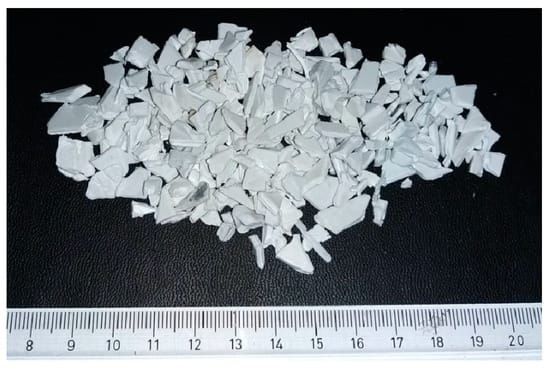
In the recent century, polymeric materials experienced a surge in popularity in the electrical and electronic equipment industry (EEE) due to their natural insulator properties. Consequently, the waste from the EEE industry, namely electronic waste (e-waste), grew as old appliances were replaced by newer ones [1]. According to a recent analysis by the United Nations, only 20% of the estimated 44.7 million metric tons (MMT) of e-waste was confirmed to be collected and effectively recycled [2]. Containing an estimate of 20–35% plastics, high-impact polystyrene (HIPS) and acrylonitrile butadiene styrene (ABS) were two of the most abundant plastics found in e-waste
The rapid growth of the electronics industry is producing excessive electronic waste. One of the common types of materials in electronic waste is high-impact polystyrene (HIPS). In this study, HIPS from electronic waste was recycled through an extrusion process and used as a 3D print filament. The effects of recycling on printability, physical properties, and mechanical properties in horizontal and vertical directions were examined. It was found that until the fourth-cycle, mechanical properties such as horizontal tensile strength, horizontal flexural strength, vertical flexural strength, and vertical impact strength were comparable with virgin commercial filament. In addition, the vertical flexural modulus in the fourth cycle increased by 77.28%. However, the density of recycled HIPs’ first to the fourth cycle slightly decreased by 10.6%, and the melt flow rate increased by 20.3%. It was also observed that until the third cycle, the effect of the reprocessing steps was insignificant on the defect of the 3D-printed product. In general, the experiments show various results, mainly in mechanical properties. Nevertheless, recycled HIPS filaments are comparable to or better than commercial ones in some cases. As a result, recycled HIPS filaments hold the potential to be considered as an alternative to other types of 3D print filaments. (Hanitio et al., 2023)
This article directly ties into the problem space that Marble Plastics is exploring since it is discussing the recycling of high-impact polystyrene. In this study, it discusses the large availability of HIPS and how this material is found in a lot of electronic waste. With it being so widely available in electronic waste, this study explores how it can be used as a 3D printing filament, giving new life to the material waste. In the study, it was revealed that even through multiple recycling cycles, there were some mechanical properties that remained comparable to other virgin commercial filaments. A takeaway from this article is that it is possible to consider this recycled filament as an alternative to the other available 3D printing materials. This article provides a different processing stream that could be used in future product design for the scrap material. The article provides a promising direction to take with the scrap material but shows the need for testing the material before committing to it.
References:
Hanitio, E. W., Lutfhyansyah, N. R., Efendi, B. M., Mardiyati, Y., & Steven, S. (2023). From Electronic Waste to 3D-Printed Product, How Multiple Recycling Affects High-Impact Polystyrene (HIPS) Filament Performances. Materials, 16(9), 3412. https://doi.org/10.3390/ma16093412



