
Hands Free Driving: Confusion vs. Convenience
Self-driving cars are a new commodity that is popular amongst the public. This system allows users to drive hands free with periodic check-ins to ensure the driver is awake and paying attention. Although, with this new technology, comes other issues with the self-driving feature. For example, there have been a numerous amounts of reports regarding BlueCruise, Ford's self-driving technology that has caused many accidents, some fatal. After many lawsuits have occurred regarding BlueCruise, there is a split between it being the user's fault or the companies.
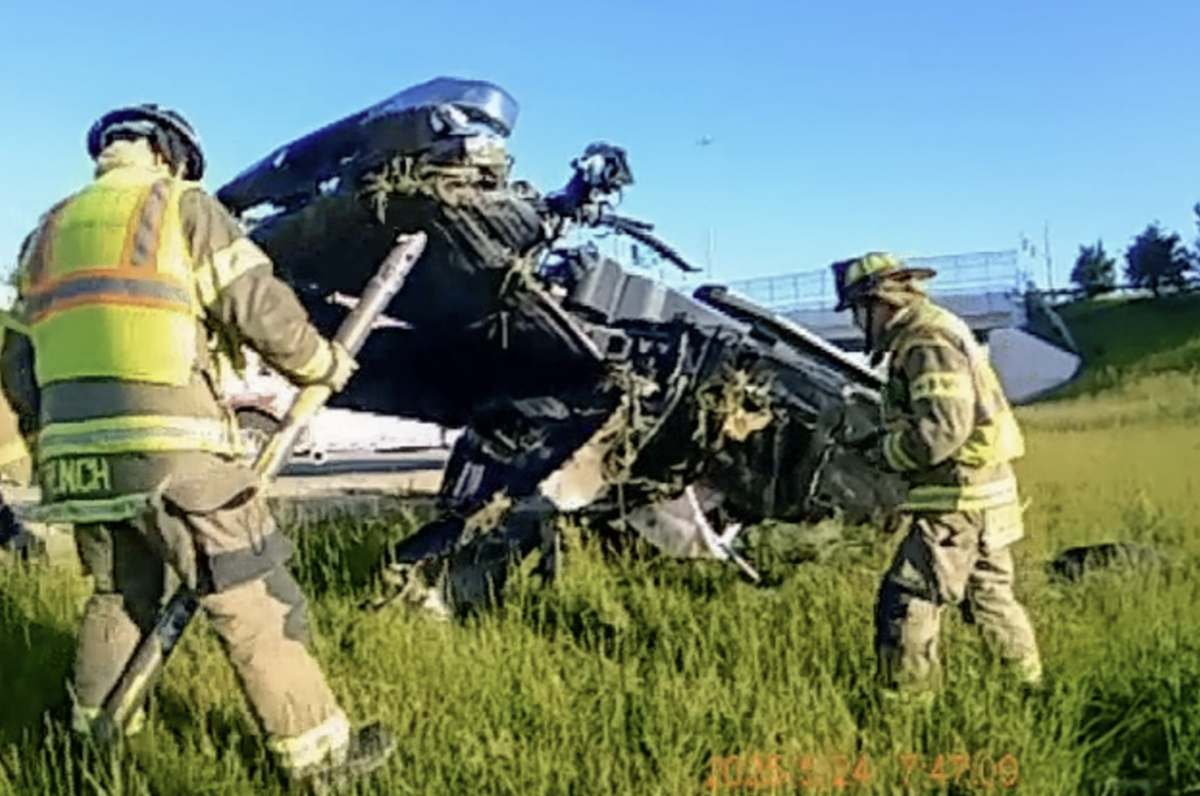
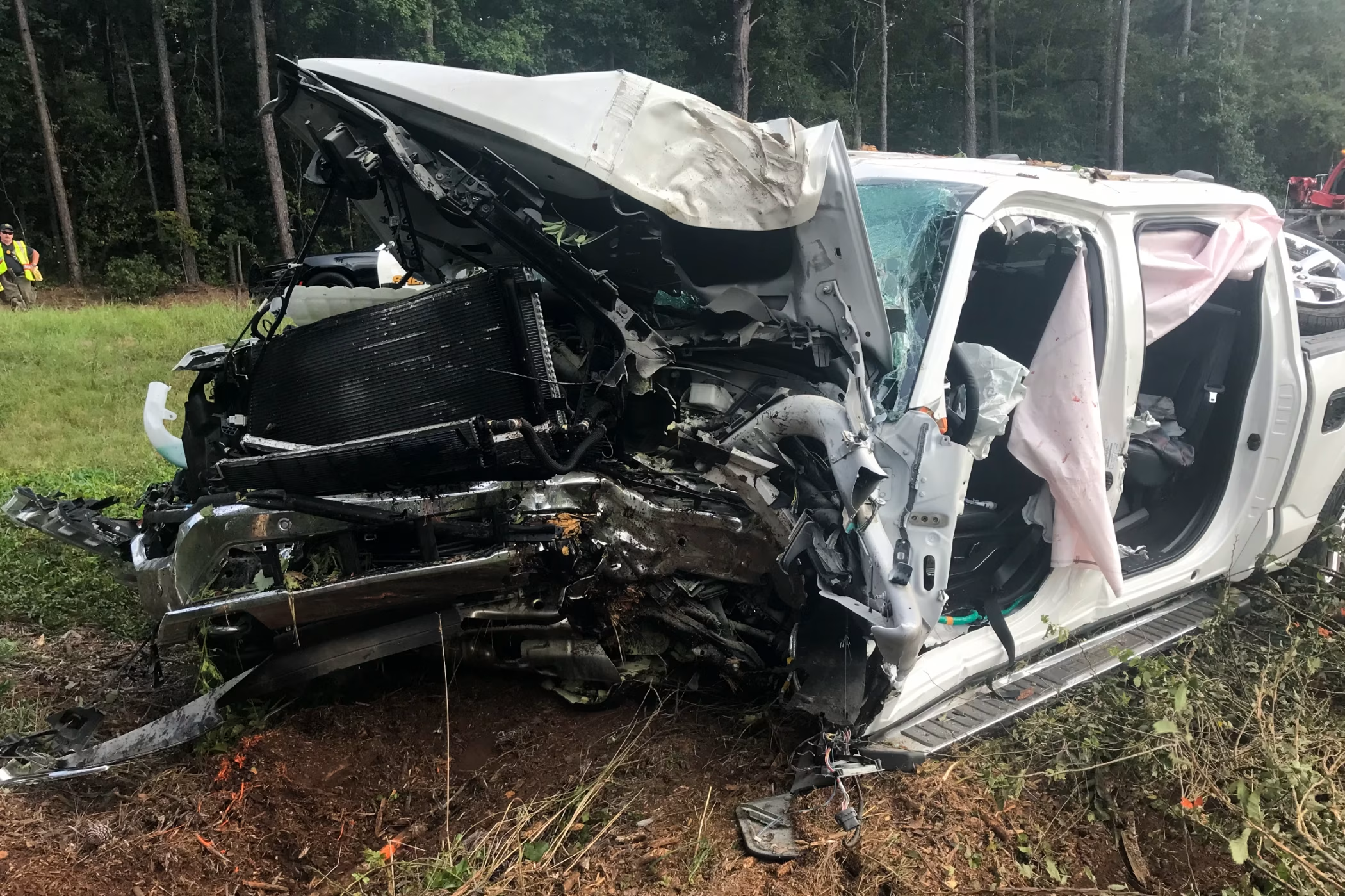
"Just outside downtown Toledo, Ohio, on I-75, Seetaram Palepu tapped the brakes to slow as he merged onto an exit ramp. But instead, the truck accelerated. It smashed into a guardrail, rolled over and came to a stop upside down," (Felton, 2026).
"Its BlueCruise driving system promises to keep a car in its lane, manage its speed and slow it down upon approaching another vehicle, without the driver’s hands on the steering wheel," (Felton, 2026).
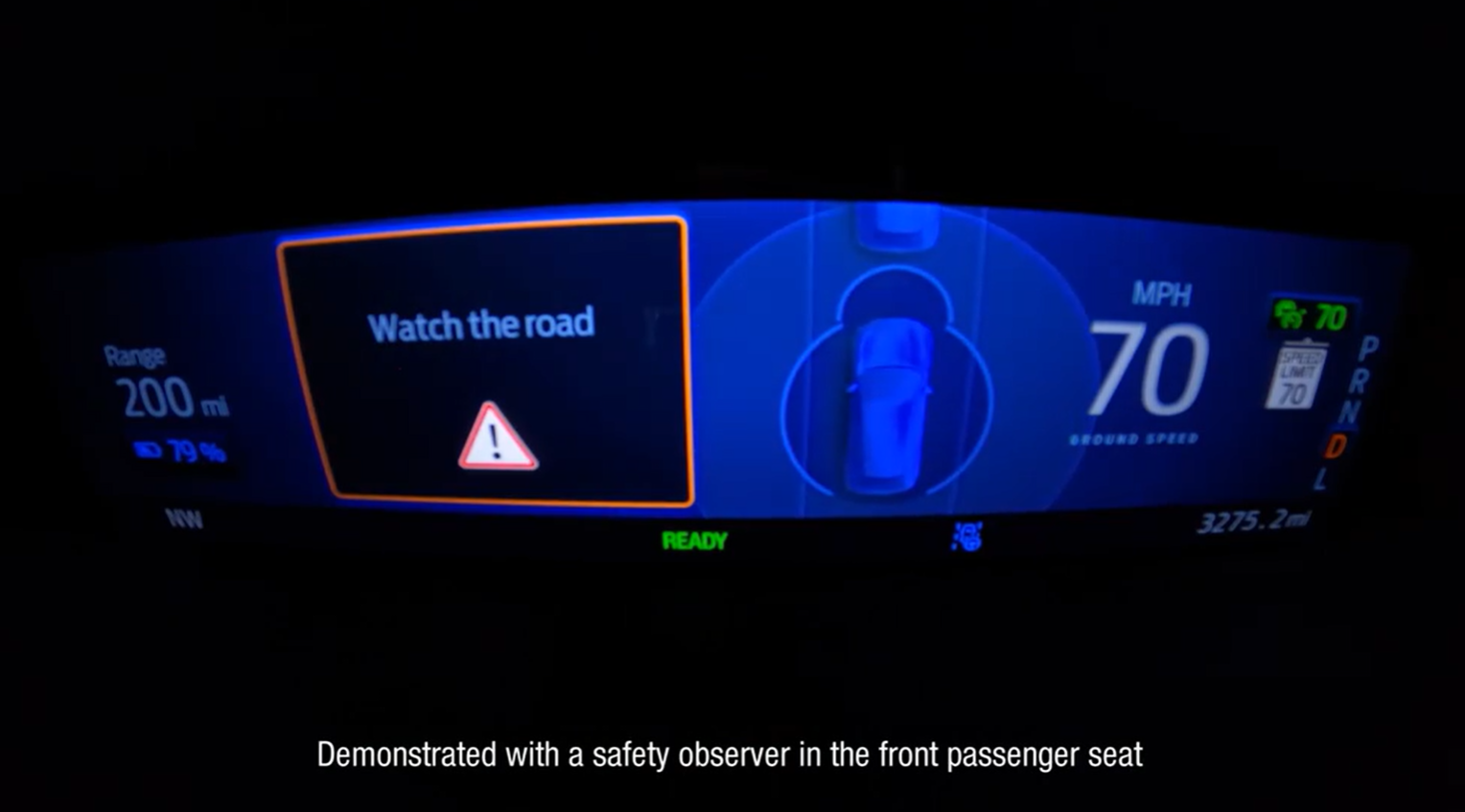
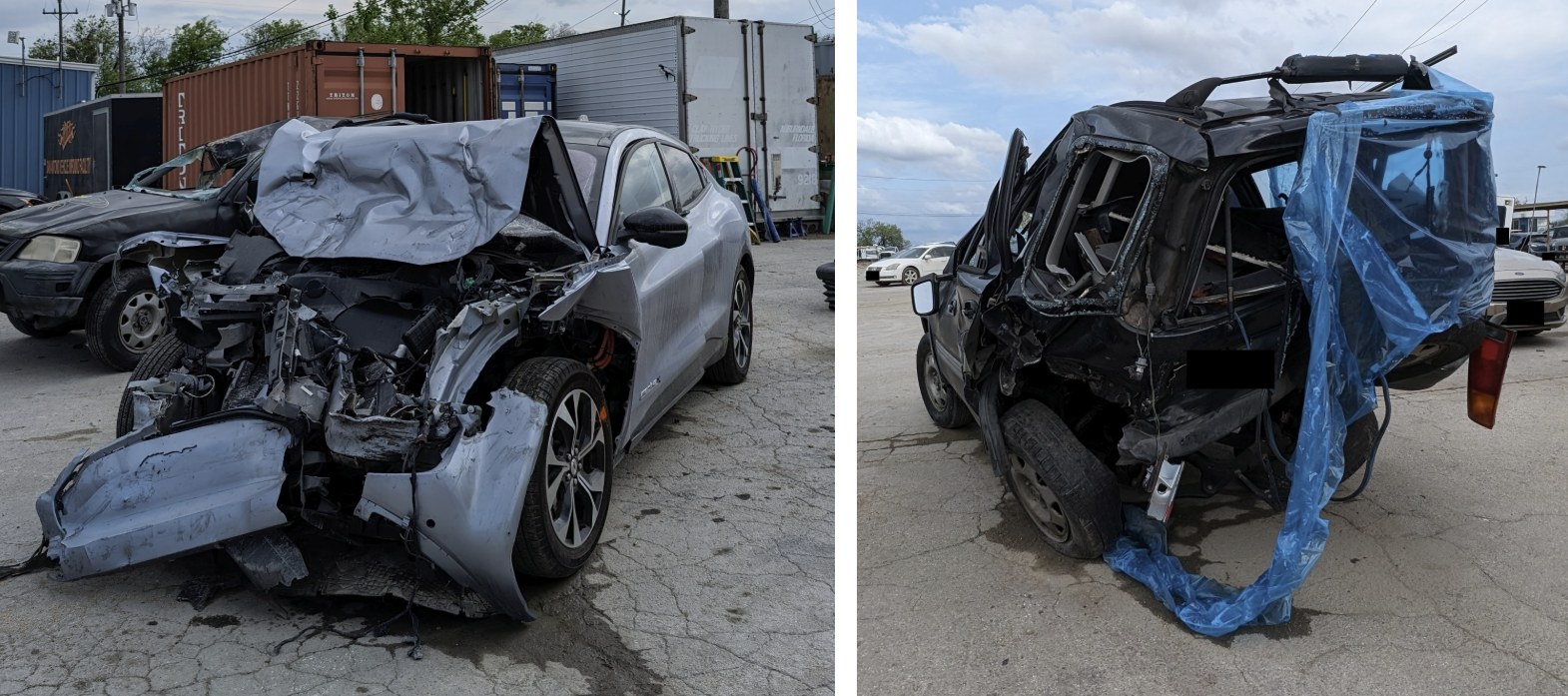
"Since 2021, Ford has reported to U.S. regulators 32 crashes, including three that were fatal, in which the company’s automated driving technology was suspected to be engaged at the time of the collision, according to federal data," (Felton, 2026).
"The agency said it has received more than 2,000 reports from drivers saying they experienced an issue with BlueCruise or Ford’s other automated-driving features," (Felton, 2026).
"Ford refocused in the late-2010s on developing a driver-assistance system controlling steering and speed—the product that eventually became BlueCruise," (Felton, 2026).
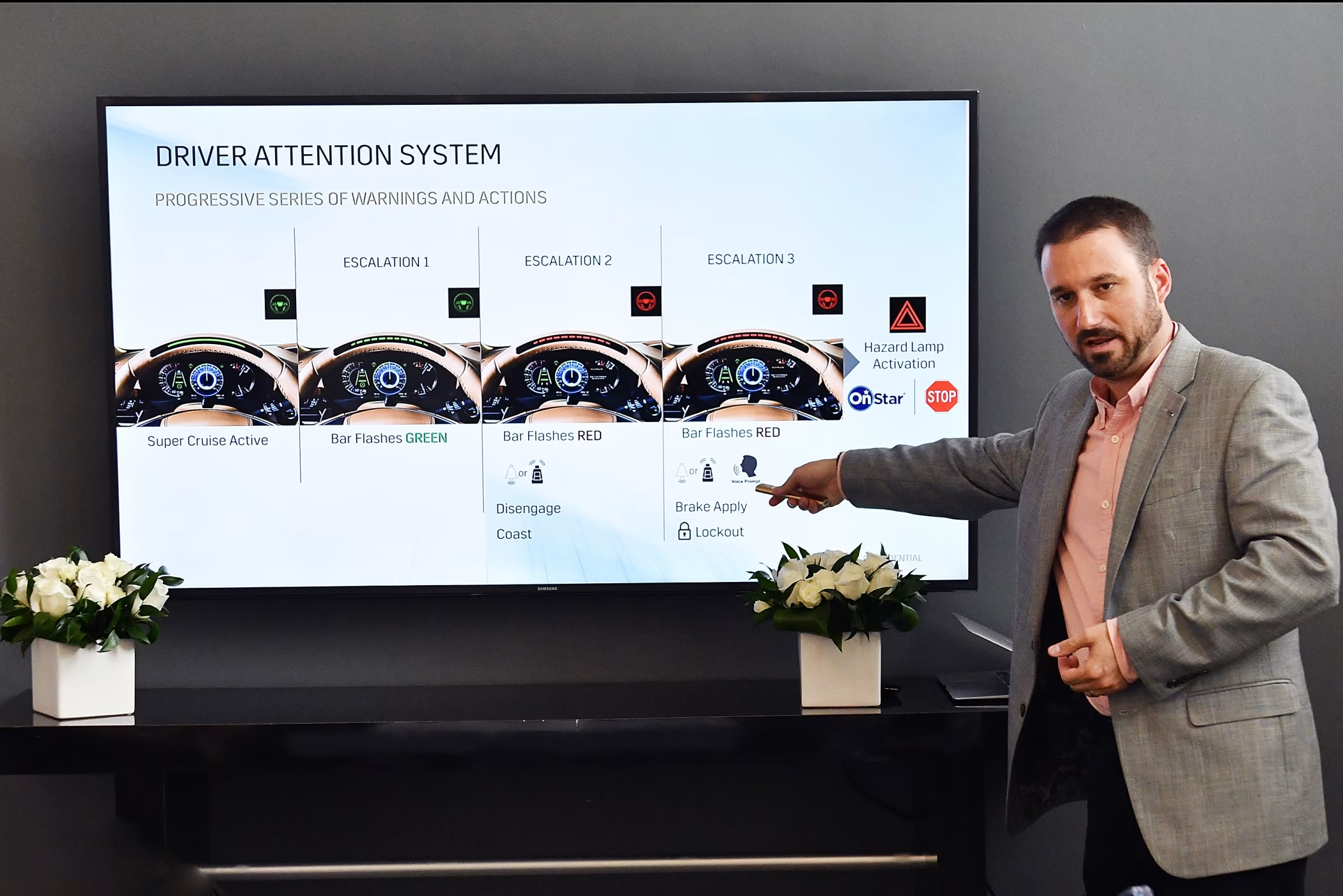
"If the technology’s auto-steering fails and veers the car out of a lane, drivers are supposed to grab the wheel and reposition it. Yet one-in-four drivers incorrectly believed Super Cruise would handle the function, the presentation said," (Felton, 2026).
User Confusion
"In a 2019 study of its own developing product, in which Ford sent drivers along a stretch of Highway 101 in California, the company found more than half the drivers failed to engage the correct adaptive cruise-control button, and 60% of drivers incorrectly believed the technology would reposition the vehicle if it veered out of a lane. “It’s still not clear to the driver that they are responsible for steering the [vehicle] back into the lane,” a presentation about the study, reviewed by the Journal...," (Felton, 2026).
"Farley, the CEO, told analysts early last year that Ford sees a lot of potential in developing a robust automated driving system that allows for “eyes off” driving in some scenarios," (Felton, 2026).
Reflection
I think it is up to the user to be aware of the technology and all it has to offer in case something does go wrong. Being in denial is an option when you are unsure but having prior knowledge of how to use the technology can save your life. Although, I do believe Ford is accountable in many of these accidents because it is their technology the stems to these accidents. When using a new technology, users need to be fully aware of what they are getting themselves into prior to utilizing it.
Reference
Felton, R. (2026, February 11). Hands-Free Driving Systems Confuse Drivers, but Carmakers Push for More. The Wall Street Journal. https://www.wsj.com/business/autos/hands-free-driving-ford-investigation-4fc87266



