
Harmful or Helpful? A Look at Invasive Species through the Eyes of Anglers
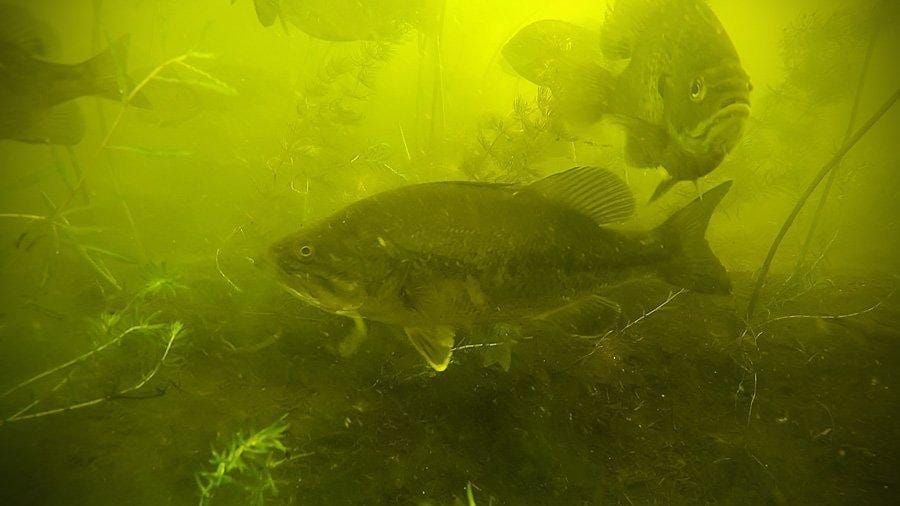
This article takes a look at the invasive aquatic plant species, milfoil, and how it impacts recreational anglers in different parts of the country. The post points out that even though this species can be harmful to ecosystems because of how it spreads, fishermen will also welcome its presence, as it can help facilitate the bass populations they target.
“To some, a lavish spread of milfoil is a fish magnet, a fertile jungle tailored to largemouth bass growth and comfort. To others, it is a devilish nuisance, or worse – an overbearing plant quick to dominate a body of water and frustrate all forms of recreation, even fishing. Often, it takes turns at being both.” (Pehanich, 2026)
“Anglers here still place a high value of importance on milfoil and their ability to fish around it,” says Dave Armstrong, aquatic nuisance species supervisor for the Alabama Department of Conservation Natural Resources. “Though I assume that may be true in most parts of the country.” He is right in that conjecture. The North, too, has its share of lovers and haters. A surprising number of Minnesota anglers roll out the welcome mat for invasive milfoil, notes In-Fisherman Editor Cory Schmidt. (Pehanich, 2026)
“First is the seasonal head start it gets on native plant species. It tolerates the cold well, thriving in lower water temperatures, often surviving even when the lake is capped with ice. It also grows quickly — up to five inches per day in summer and to depths of 10 to 20 feet. As the plant reaches the surface, it creates a thick canopy, blocking the vital sunlight competing plants need for photosynthesis. The condition frequently results in a monoculture with Eurasian milfoil plants dominating the underwater landscape and crowding out native plant species and inhibiting development of the more complex food web generated around the native plants” (Pehanich, 2026)
“Invasive milfoil is often welcomed upon early arrival when it is seemingly harmless and often deemed a boon to bass and bass fishing. The new growth ushers in a healthy food chain, hosting invertebrates, becoming home to panfish, fry and forage species, and providing prime ambush and feeding areas for largemouth bass. Yet it is a hungry plant that gobbles nutrients. It can burgeon quickly and spread into massive expanses” (Pehanich, 2026)
“Poor milfoil management decisions or poorly timed or overzealous execution can generate more harm than good by either strengthening the invasive’s presence or harming the overall lake ecology, including native plants and fish populations. Ideally, any lake management decision will be knowledge-based with high priority given to lake health and its wondrous by-product, a thriving fishery” (Pehanich, 2026)
Review
A look at sentiments held by bass anglers, a heavily impacted demographic, sheds some light on the complex relationship caused by these problematic plants. Usually, invasive species in an area of recreation means trouble for those visiting, but fishermen across the country are not shy about sharing how beneficial this vegetation can be to their sport. While the term “invasive” is quick to cause worry (and rightfully so if unchecked), plants like milfoil create a very robust support system for native life, benefiting the food chain all the way down to bottom-level invertebrates. There are absolute dangers in having a heavy infestation of milfoil or hydrilla, but there is also room for the possibility that these plants could be an integral part of maintaining the health of aquatic ecosystems if proper tools and procedures are developed to keep them in check and control the rate of spread within and to other bodies of water.
References
Pehanich, M. (2026, May 22). The expanding challenge of invasive milfoil growth - in-fisherman. In-Fisherman.com. https://www.in-fisherman.com/editorial/the-expanding-challenge-of-invasive-milfoil-growth/547556



