
Help from Above: Drones and How They Can Aid in Plant Management
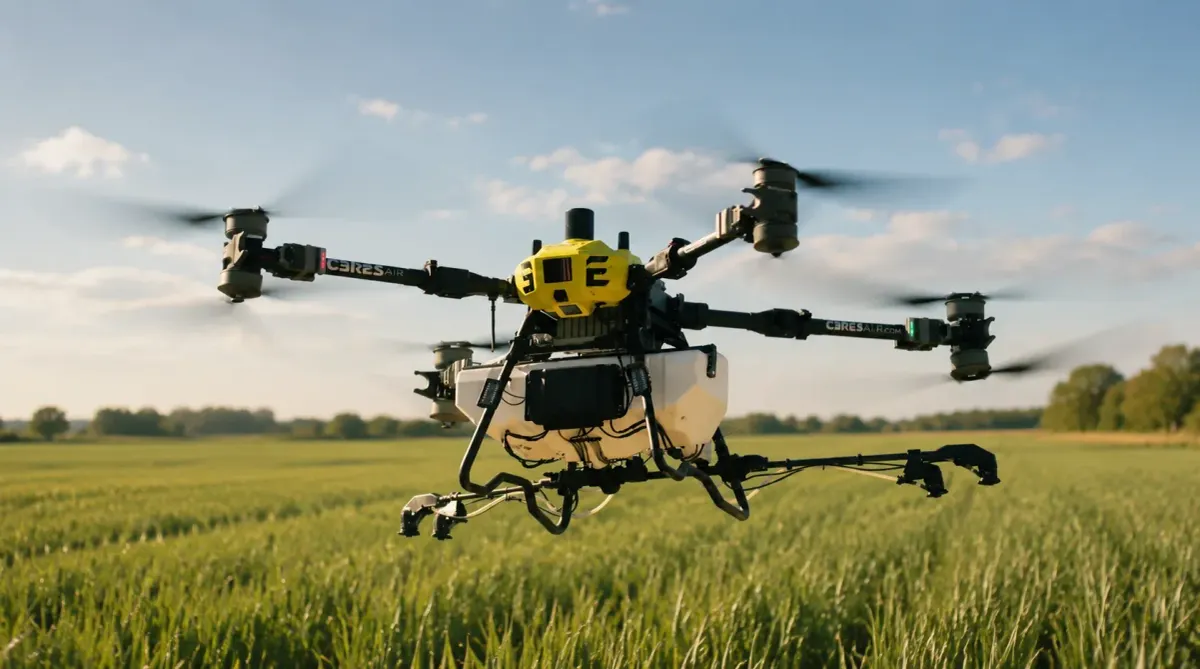
As technology progresses and remote control implementations become more readily available, long-standing issues, such as invasive species, become the target for new applications of technology. While we have been historically limited by what we are able to physically do as humans, the development of remote tech has opened the doors for people to accomplish tasks in areas never before accessible and in volumes never thought possible. This article takes a look at some of the goals for managing invasive plants and animals using drone technology.
“According to the U.S. Department of Agriculture’s National Invasive Species Information Center, a 2021 study estimated invasions of non-native plant and animal species have cost the North American economy at least $1.26 trillion between 1960 and 2017… Another study estimated that the approximately 50,000 nonindigenous species in the U.S. result in environmental damage and losses totaling $137B annually” (Bathrick, 2024)
“Despite the growing challenges and costs associated with invasive species, there is new tech that holds the promise of achieving “better, faster, cheaper, and safer” results—drones” (Bathrick, 2024)
“Drones have demonstrated the ability to dispense products five times faster than traditional equipment. When incorporated with drone-based crop monitoring, they’ve also been shown to reduce the amount of product required by 60% through targeted treatments, supported by drone-based monitoring that provides higher resolution data than traditional satellite methods and faster detection of crop stress, disease, and infestations. The same drone attributes that continue to benefit farming and agriculture offer great promise for being a game changer in invasive species early detection and rapid response (EDRR)” (Bathrick, 2024)
“Expanded access: Drones can access areas that are difficult or impossible for traditional ground-based equipment to reach.
Less Overspray: Drones allow for more precise control over spray application compared to traditional methods.
Mapping & Performance Monitoring: Modern drones are equipped with sensors, Real Time Kinematics (RTK), and imaging technologies that allow them to collect valuable data during their flight.
Precision Targeting: Drones excel in precision targeting, which allows for applying chemicals to specific areas rather than blanket-spraying entire areas.
Improved Safety. The use of drones significantly improves worker safety. Traditional methods of spraying often require human operators to work near hazardous chemicals” (Bathrick, 2024)
“Drones offer a promising new tool in the early detection and rapid response to invasives, providing expanded access, precise application of treatments, detailed mapping, and improved safety. Their growing use in agriculture demonstrates their efficiency and reduced environmental impact” (Bathrick, 2024)
Review
In the current fight against invasive plants, one of the most common limiting factors is the lack of staffing to combat the rapid spread of these species. Now, with the power of aerial drones with the capability to deliver targeted payloads of pesticides, observe various plant populations, or reach particularly hazardous areas, smaller departments and organizations now have a powerful tool in their arsenal to combat these species. This means more workforce that can focus on other issues, less collateral damage from overspray of product, and an overall more efficient and effective approach to the problem as a whole. As technology continues to move forward, these applications are bound to improve, and in the future, we may be looking at drones equipped with AI to autonomously maintain plant populations, or advanced power sources so they may run much longer and perform more work on a single flight. No matter the path, this is a greater good that technology can inevitably aid us in improving.
References
Bathrick, M. L. (2024, November 13). The battle against Invasive Species: Leveraging Drone Tech and empowering new warriors. Commercial UAV News. https://www.commercialuavnews.com/the-battle-against-invasive-species-leveraging-drone-tech-and-empowering-new-warriors



