
How Art Is Making People Healthier
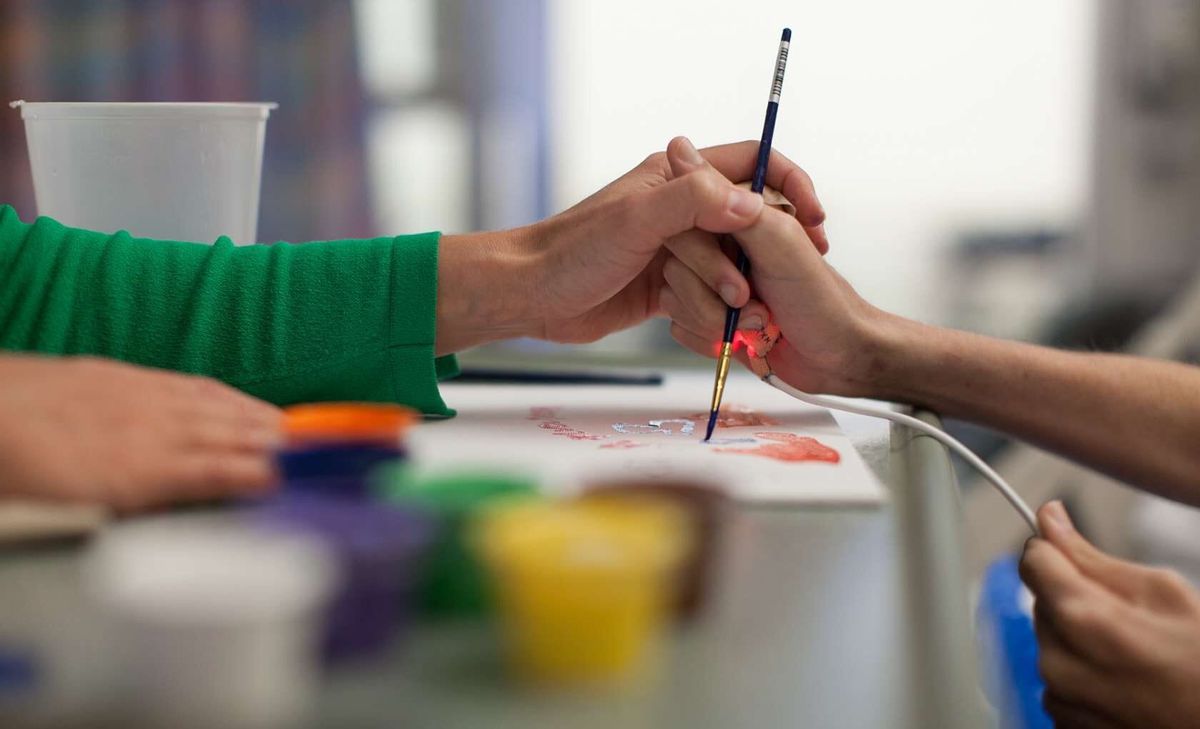
“How Art Is Making People Healthier,” by Elizabeth Hewitt, explores the healing power of art and art programs. Elizabeth brings to light multiple cases where the arts have helped patients ranging from improving mental health to even improving patients’ gaits at the end of a dance class session. The article advocates for more readily and affordable access to the arts within the medical field. The goal is not to replace medical interventions with art, but to have both work together in tandem to create better opportunities and results for care. Here, the arts refer to the broader discipline that includes, but is not limited to, painting, dance, and music. Something I found interesting from the article was some of the roles of artistic interventions in improving patient outcomes. It was found that these interventions helped people manage mental illness, neurological conditions, noncommunicable diseases, and supported end of life care.
The arts, research finds, have benefits for everyone, not just those who have medical conditions. A recent study, for example, found that 15-minute mindfulness exercises in museums reduced anxiety and improved mental well-being among non-clinical visitors.
What practices are helpful to people that they will also value and implement? Is there a way to bring these into healthcare in a meaningful way?
Meanwhile, evidence is showing how effective arts interventions are for specific conditions. Dance classes like the ones in Colorado, for instance, have been found to improve participants’ gaits after the class ends. A singing program for new mothers with postpartum depression found participants ultimately showed lower levels of depression and improved well-being.
“We would never say that the arts can replace medication or medical treatment,” Sonke says, but “they really can be an important complement and adjunct and partner to medical treatment.”
Finding ways to incorporate helpful practices into the lives or treatment plans of patients in a manner that is easy to follow, and access would be an interesting way to improve patient outcomes
While every practitioner has expertise in their own discipline, part of the efficacy, explains program director Jenny Baxley Lee, is that artists work with patients outside of their specialties. One cultural challenge, she says, is that many people feel reluctant to try something artistic if they aren’t good at it. But artists help them take incremental steps to explore creativity, which can help achieve self-transcendence, a psychological state that can lead to feelings of greater meaning and connection.
“It’s about knowing the craft of facilitating the arts practice in a way that leads to a potential flow state,” she says.
It’s interesting, this is similar to the problems we are trying to solve. We as experts in design, must work with the specialists in the problem area, the people we will talk to. They are the ones that truly know and understand the issue, we are just there to make sense of what everyone knows
References
Hewitt, E. (2026, March 30). How art is making people healthier. Reasons to be Cheerful. https://reasonstobecheerful.world/art-for-health/
No generative AI was used in the writing of this post



