
How Do the Amish Approach Healthcare?
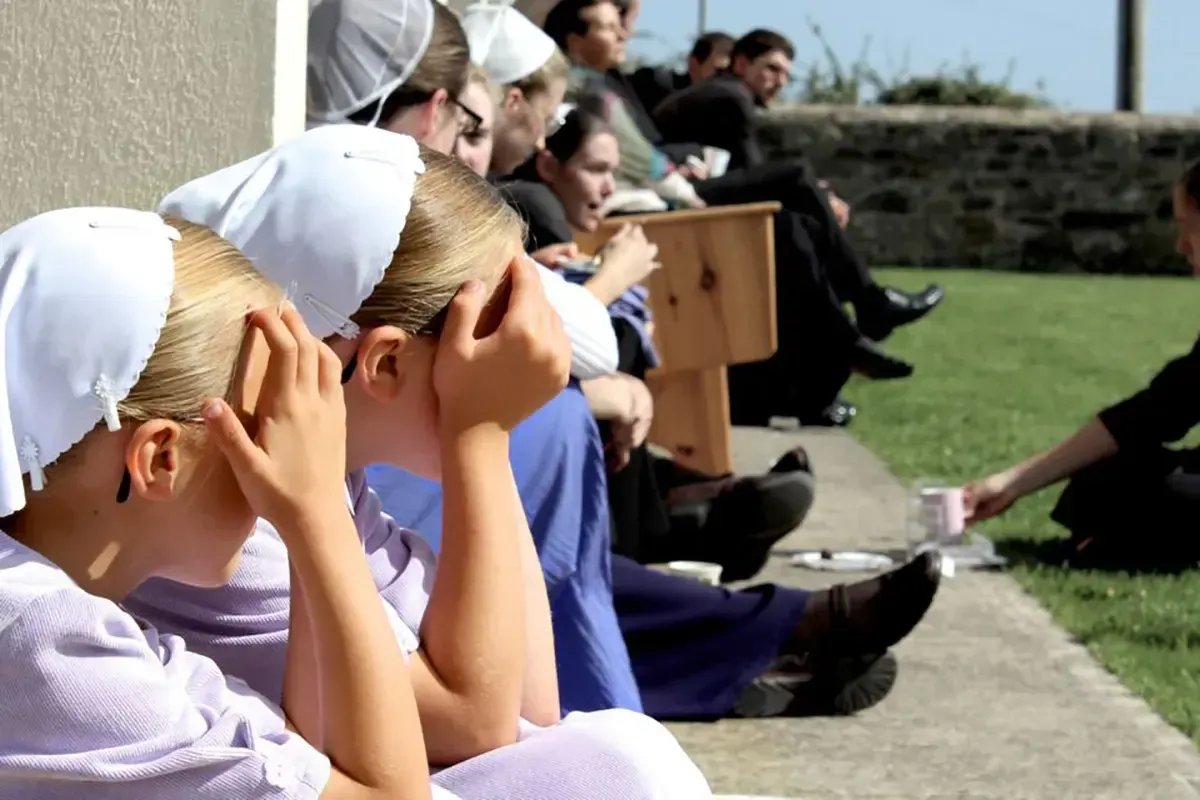
What's most relevant to my design thinking is the clear hierarchy the article describes: home remedies and family/church care first, professional medicine second, pursued once a condition is serious enough. That sequencing matters for any tool I design; it wouldn't be replacing a first response; it would need to fit into what happens after home and community care have already been tried.
The Amish do go to doctors, but typically as a second or last resort. For minor illnesses, injuries, or chronic discomforts, many Amish families rely on home remedies, herbal medicine, and spiritual healing. However, when a condition is serious or potentially life-threatening, they will seek professional medical care. This cautious yet pragmatic approach demonstrates that reliance on faith and tradition does not equate to rejection of modern medicine.
Although many Amish births occur at home or in birthing centers, complications like prolonged labor or hemorrhaging require hospital intervention. Midwives often coordinate emergency transfers when medical equipment or surgical care is needed.
Herbal medicine remains central to Amish health traditions. Commonly used herbs include echinacea, comfrey, and garlic for boosting immunity and treating infections. A study in Ohio found that over one-third of Amish women use herbal or natural remedies before seeking professional care. These treatments are typically passed down through families.
The Amish approach to mental health, disability, and aging is grounded in faith, family responsibility, and community care. Mental health concerns such as depression or anxiety are often viewed through a spiritual or communal lens, addressed first through prayer, pastoral counseling, and support from relatives or church members. While some families do seek professional mental-health services, stigma and a preference for non-medical approaches can delay formal treatment. Likewise, the Amish prioritize caring for elders and individuals with disabilities within the home: aging parents typically live with their children, and church members assist with daily needs.
This same family and faith centered model extends into how the community approaches the end of life.
End-of-life care also reflects this deeply relational and faith-driven model. When hospice services are used, they are typically coordinated to support home-based care. Decisions about life-sustaining treatments are made collectively, involving family members, church leaders, and sometimes the patient, with an emphasis on dignity, quality of life, and alignment with religious values rather than aggressive medical intervention.
What I find most valuable here, is the article's treatment of mental health and disability care, since that's an angle largely missing from the other sources I've collected so far. The description of elders and disabled family members typically remaining in the home, cared for by family and church rather than institutions, suggests a design opportunity I hadn't fully considered: tools that support in-home, family-administered care might be more culturally aligned with this community than anything designed around clinic or hospital visits. It's a reminder that "access to care" in this population may sometimes mean support for the family member providing care at home, not just a faster route to a doctor.
References
Dimmitt, T. (2025, December 10). How do the Amish approach healthcare? Amish Furniture Factory. https://www.amishfurniturefactory.com/amishblog/how-do-the-amish-approach-healthcare/



