
How One Artist is Turning Pesky Weeds into Vibrant Paintings
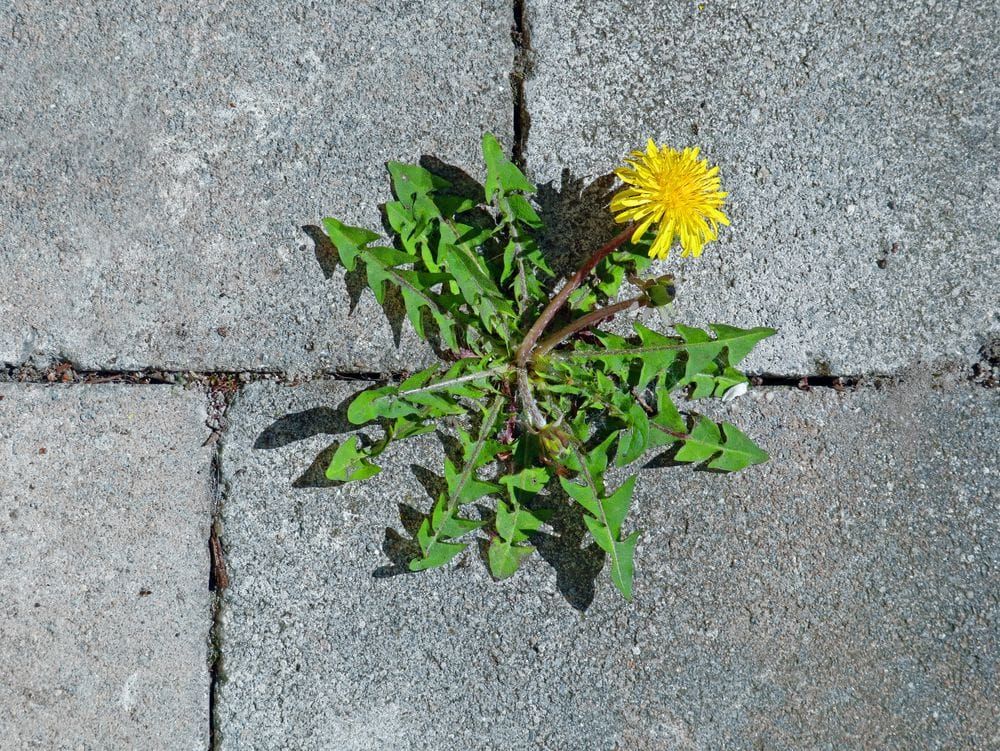
This article looks at the work of artist Ellie Irons, whose work consists of pieces created with pigments extracted from invasive plants. Her unique perspective on invasive plants in urban areas does well to reframe an issue that many people are quick to want to solve.
“In the abandoned lots of the Bushwick neighborhood of Brooklyn, NY, dandelion, black nightshade, and dozens of other weedy plants thrive. Although some see hotbeds of invasive species, artist and Brooklyn local Ellie Irons sees a vibrant urban ecosystem. She also sees the makings of a unique color palette.” (Beans, 2018)
Irons extracts pigments from these weeds—or as she calls them, “spontaneous urban plants”—and transforms them into watercolor paints. She then paints diagrams and maps out plant species. Through this Invasive Pigments project, her works detail the spread of plants on scales ranging from continents to city blocks” (Beans, 2018)
As researchers grapple with how to view urban invasive species, Irons seeks to prompt a new perspective from city dwellers. “Become receptive to spots of color and splashes of leafy green,” she instructs in her handbook for painting with weeds. “Bend down, reach up, crouch, investigate. These plants are everywhere, but they are easy to miss if you’re not anticipating them.” (Beans, 2018)
“Irons noticed, for example, that the native pokeweed spreads prolifically—an observation that helped her dispense with notions of native plants as basically good and nonnative ones as bad. “If [weedy plants] can survive now in a city where we are already 10 degrees hotter than the surrounding area because of the heat island effect,” she says, “then we kind of need them.” (Beans, 2018)
As Irons works outside in vacant lots, people stop and ask her tough questions. “I get to have these more in-depth conversations about what it means to think about an ecosystem as pristine or not pristine, as made up of desirable natives versus undesirable invaders,” Irons says. “I am always trying to trouble that binary.” (Beans, 2018)
Review
I believe that the most important idea this article has to offer is perspective and how we choose to view invasive plants in the contexts in which they show up. In many situations, what we see as weeds are plants that have aggressive or stubborn traits that allow them to survive and thrive in environments where other plants tend to not do as well. When it comes to urban environments, the ecology has changed rapidly and drastically over the time towns and cities have been developed. Where these weeds and invasive plants have shown up is not always a coincidence, and the presence of various species based on their ability to survive should not always be a call to a solution, but sometimes a call to appreciation and reflection on what exists around us and why.
References
Beans C. (2018). Science and Culture: Painting with invasive pigments. Proceedings of the National Academy of Sciences of the United States of America, 115(4), 627–629. https://doi.org/10.1073/pnas.1721721115



