
How Sri Lanka is Making the Most of a Snakehead Invasion
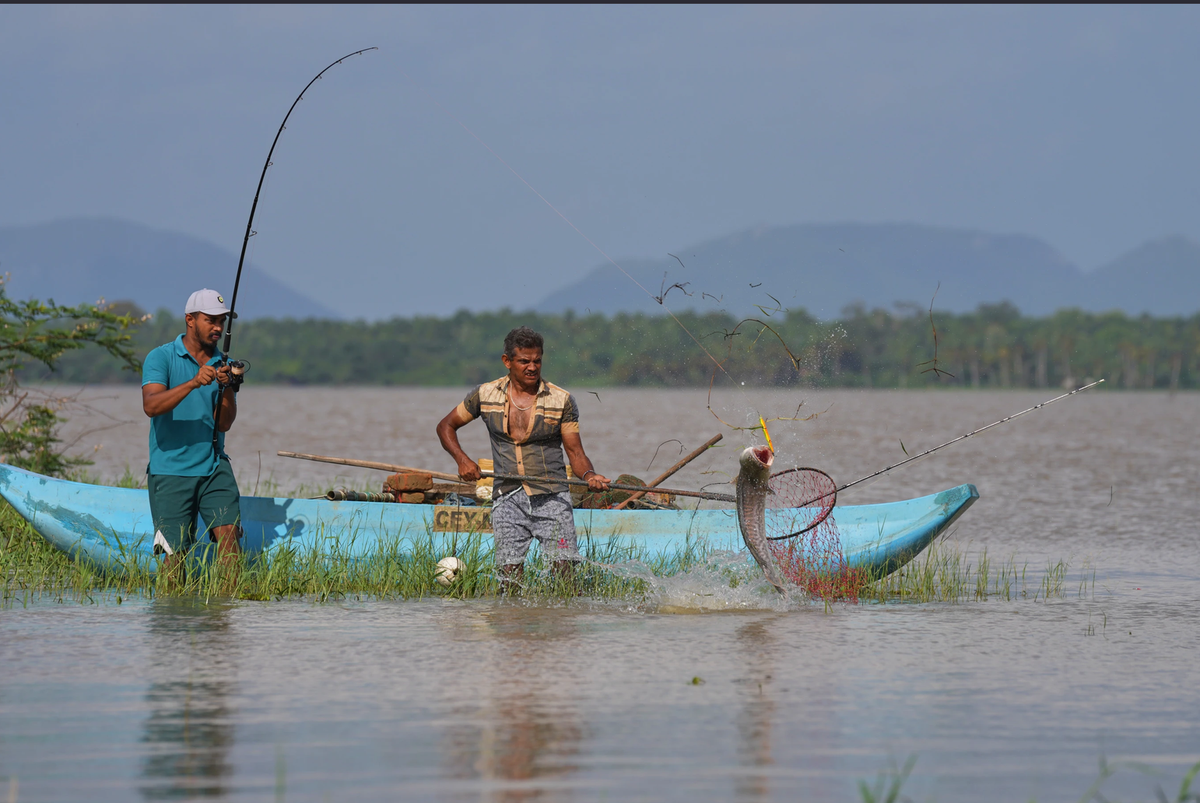
As a Sri Lankan village faces ecosystem disruption at the hands of the invasive snakehead fish, locals have come up with a variety of tactics to reduce the invader’s numbers while simultaneously coming up with ways to benefit from the situation.
“DEDURU OYA, Sri Lanka (AP) — An invasive fish is threatening the livelihood of people in this northwestern village by aggressively eating traditional fish and shellfish species in the Deduru Oya reservoir, but the Sri Lankan fishers want to turn the adversity into an advantage. Fishermen on the reservoir have noticed over the past two years a dwindling number of the fish they have been typically catching, while the snakehead fish, which have never be seen in Sri Lanka before, have been appearing in droves” (Jayawardena, 2025)
“The snakehead fish, seen in countries like Thailand and Indonesia, could have arrived in Sri Lanka with imported ornamental fish, local officials said. When they started outgrowing the tanks, it was likely that their owners released them into the reservoir. Dr. Kelum Wijenayake, an academic researching the fish, said there is no species above the snakehead in the food chain of Sri Lanka’s ecosystem, and that the Deduru Oya reservoir has provided them with an ideal breeding ground with ample food and no predator.” (Jayawardena, 2025)
“Authorities organized an angler competition to try to control the snakehead population, but it was unsuccessful. Fishers, however, hope to turn the invasive species threat into an opportunity. Ranjith Kumara proposed that authorities promote angler tourism as a consistent control method, which could also provide alternative economic avenues to the villagers who are mostly engaged in fishing and farming” (Jayawardena, 2025)
“Fisherman Sujeewa Kariyawasam, who produces salted dried fish using the invasive species, said although fresh snakehead fish has relatively low market demand, the dried fish made from it is tasty and a popular delicacy” (Jayawardena, 2025)
“I am working to further develop this business. As demand continues to grow, more snakeheads will be caught for production, which in turn will help control the spread of the snakehead population.” (Jayawardena, 2025)
Review
The concept of turning invasive species into a business is not particularly new, but the level of experimentation and creativity explored in this case is inspiring. Where there is no straightforward way to remedy the issue, a variety of approaches are always necessary to find the correct angle of attack. I found that gamifying the issue was particularly creative, and as an angler myself, I would genuinely like the chance to travel and go for large game fish, especially if I knew that it was serving a greater cause at the same time. Harvesting and preparing invasive species is also a very effective format for fighting the issue, and one I would like to see applied to more situations, including plants. In Ohio, autumn olive is a berry-bearing shrub that disrupts soil composition and forces out native plants. Its berries are edible and high in nutrients, possibly opening a similar opportunity for turning invasive species into a business model.
References
Jayawardena, E. (2025a, November 12). Sri Lankan freshwater fishers keen to turn invasive species threat int... AP News. https://apnews.com/photo-gallery/sri-lanka-invasive-fresh-water-fishing-snakehead-ec53bc5cefdfb2ce0234949d8c6236e8



