
How To Unmake a Shirt
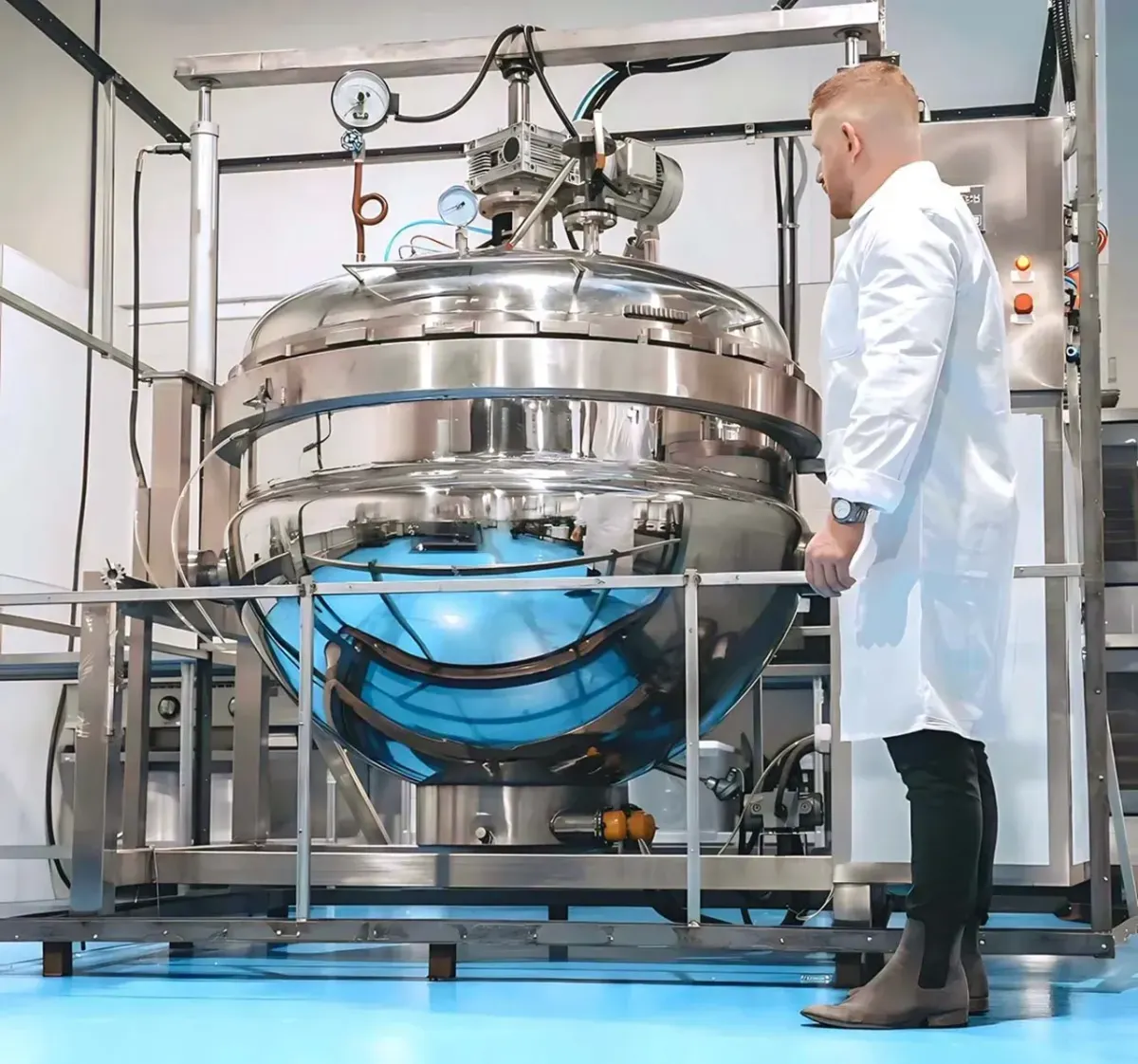
Denovia is a research company in the sustainable waste management industry that is working toward a new era of plastic recycling. The company is developing a chemical recycling technology that converts post-consumer textile waste into high-purity acid monomers, creating a potential solution for a more profitable circular economy.
Earlier this year, Denovia reported that its chemical recycling technology converted contaminated post-consumer textile waste into terephthalic acid monomer with 93.8% purity, which is close to its virgin state. Unlike traditional mechanical recycling, which shreds textiles and remelts them into new materials, Denovia’s technology breaks down the plastic molecules and recovers their chemical building blocks. This creates a much cleaner material that can potentially be used again to make new products. Denovia states that the recovered material is valuable enough to sell, helping offset the cost of the recycling process. This approach focuses not only on keeping textile waste out of landfills, but also on creating valuable materials that can help make recycling economically sustainable.
Denovia uses a type of depolymerization that makes the process faster and requires temperatures between 158 degrees and 194 degrees Fahrenheit. The technology's low energy consumption levels make it more resource-efficient than the energy-intensive processes required to produce virgin materials from petrochemical feedstocks, according to the company. -Plastics Today
The system is also designed for a closed-loop approach to its own process inputs, reinforcing circularity at each stage, according to a company press release. -Plastics Today
A large waste management company using Denovia's technology would typically take five to 15 minutes to transform plastic forms back to their base chemical building blocks. The process can be as quick as 30 seconds, according to Spina. -Plastics Today
The technology also helps reduce the high cost of chemical recycling that can prevent waste management, recycling, and other companies from making money in the processing of contaminated input. Rather, Denovia has proven, at scale, that it can turn some polymers in plastic waste into high-purity outputs that can be sold for profit, offsetting technology costs. -Plastics Today
I think this technology is such a good way to approach sustainability because it has the right people in mind. Denovia recognizes that recycling facilities can struggle to make money when the clothing industry creates waste that is difficult to process. Dyes, sealants, coatings, and other materials can become mixed together, making it difficult for textiles to be properly recycled. Instead, they are often remelted into another material, which can continue the cycle of mixing materials and chemicals together.
What I find interesting about Denovia is that they are researching a technology that considers both the environment and the people affected by the recycling process. They are not only trying to find a way to recycle more clothing, but also a way to make the recovered material valuable enough to support the recycling business. I think this is important because a sustainable system cannot work if the people and businesses responsible for processing the waste cannot afford to continue doing it. It is refreshing to see technology approach sustainability from more than one perspective. It also reminds me as a designer to think about who my decisions affect throughout the entire life of a product, instead of only thinking about what happens when the product is first made or used.
ReferencesLisette Hilton. (2026, June 22). Technology Aims to Sew up Texctile Plastics Processing and Recycling. Plastics Todayhttps://www.plasticstoday.com/sustainability/technology-aims-to-sew-up-textile-plastics-processing-and-recycling
Denovia (n.d) [A New Era for Plastic] https://denovialabs.com



