
Improving access to genetic services for underserved populations: Amish, Mennonite, and other Plain communities
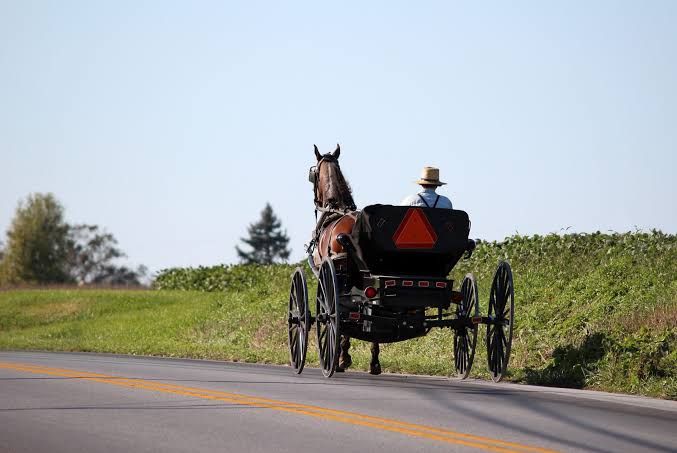
This article is exceptionally relevant to my research topic because it moves my project from a general "rural healthcare" framing into the specific, documented reality of the Amish community. It confirms several assumptions from my own fieldwork, limited transportation, low insurance use, and a cultural preference for home remedies until care becomes necessary, while also surfacing a detail I hadn't fully considered. Amish families have specifically elevated rates of genetic and metabolic conditions due to population isolation, meaning the healthcare gap isn't uniform, it's concentrated around a particular category of diagnosis.
Lack of access to genetic services in rural areas could contribute to disparities in quality of care, but tailored approaches can overcome some barriers and improve care. Here we present the example of the Midwest Genetics Network (MGN) outreach with the Plain communities.
What makes the disparity more urgent, rather than incidental, is that genetic and metabolic conditions occur at elevated rates in these communities specifically because of shared ancestry and population isolation, meaning the population least able to easily reach specialty care is also the population statistically most likely to need it.
In addition to MGN’s work, certain states with high numbers of Plain people have introduced modified newborn screening algorithms to improve detection of newborns with genetic conditions that are common in these communities. Some states offer free prenatal genetic carrier screening for these conditions, and if both parents test positive, the family is connected to a healthcare provider to discuss recommendations for care upon delivery.
Public health can play a vital role in reducing health inequities and advancing access to care for rural populations such as the Plain communities. Providers who have worked with Plain communities successfully have attributed their success to several factors, most notably awareness and respect of differing cultural practices and beliefs. Building relationships and gaining the trust of communities takes time, but ultimately can result in improved overall health for underserved populations.
The single most useful detail for my design work is the finding that families have been receptive to telehealth specifically when it happens inside a clinic and isn't recorded, which directly validates the "shared community-based telehealth point" concept I've been developing, rather than a personally owned device.
References
Kantipuly, A., Edick, M. J., Pilditch, J., & Green, R. F. (2022, August 3). Improving access to genetic services for underserved populations: Amish, Mennonite, and other Plain communities. Centers for Disease Control and Prevention. https://blogs.cdc.gov/genomics/2022/08/03/improving-access-to-genetics/



