
Improving Patient Experience in Healthcare
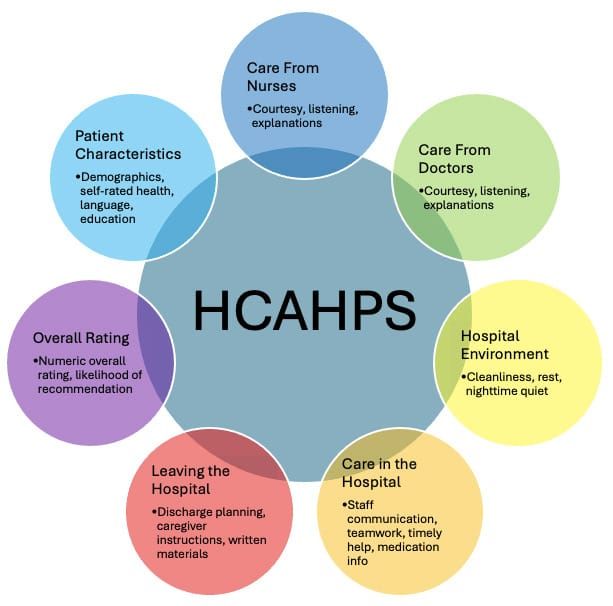
In order to improve patient care, there must be an understanding of what is important to the patients and outcomes of provided healthcare services. It has been found that the patient’s perception of their care is critical to a healthcare system’s quality, safety, and outcomes from care. Factors like adherence to treatment plans, trust, and long-term health engagement were enhanced as a result of positive patient experiences. Clear, consistent, and collaborative communication were also essential for these positive experiences. This included being included in the decision-making process in their treatment and having clear expectations for pre-intake and post-discharge processes. To further understand what solutions will be helpful, co design approaches should be used.
Patient experience is shaped by a series of interconnected moments that occur throughout a hospital stay, beginning long before clinical care is delivered and continuing through discharge. Each touchpoint, whether with front-line staff, the care team, or the physical environment, contributes to how patients interpret the quality, safety, and compassion of the care they receive. Understanding this journey helps hospitals identify opportunities to strengthen trust, improve communication, and create environments that support healing
Need to have a better understanding of what goes wrong the most at each stage. This will give a better understanding of where healthcare systems are lacking, could vary for each facility or service.
By contrast, poor early experiences, such as unclear directions, long wait times, or brusque interactions, can erode trust before a provider even enters the room. This kind of early dissatisfaction can influence the patient’s perception of subsequent care, making it more difficult to recover their confidence.11 Because these initial moments are simple to address yet profoundly influential, they represent a low-cost, high-impact opportunity to shape patient experience.
First impressions, especially in the healthcare setting matter. If we are able to design for better care earlier on, outcomes and maybe even usage of care systems could be improved.
When outcomes are less than ideal, patients who feel that they were informed, respected, and heard are more likely to express trust and gratitude.9 Given their sheer volume of time spent with patients, nursing communication especially stands out as one of the strongest predictors of overall satisfaction.
There are some areas where technology probably will not help. Having clear, empathetic, and respectful communication is something that people need to develop better.
Communication and delivery of information outside of clinical settings could be an area where technology can help
By reducing decisional conflict and aligning care plans with patient priorities, SDM improves patient-experience domains such as clinician communication, shared understanding of the treatment plan, and discharge preparedness, particularly for culturally and linguistically diverse populations.35,36 Shared decision-making also mitigates power asymmetries by positioning patients as partners, strengthening trust and adherence.
There are remote and in person translators, but are there other ways to supplement understanding between culturally different individuals and their care? The current system is not always enough, and at times it can be clear that both parties are not on the same page.
Reference
Szewczyk, T., & Hoque, F. (2026, January 1). Improving Patient Experience in Healthcare. NIH National Library of Medicine. https://pmc.ncbi.nlm.nih.gov/articles/PMC12764323/
No generative AI was used in the writing of this post



