
Infestation or Eradication: Letting Anglers Decide
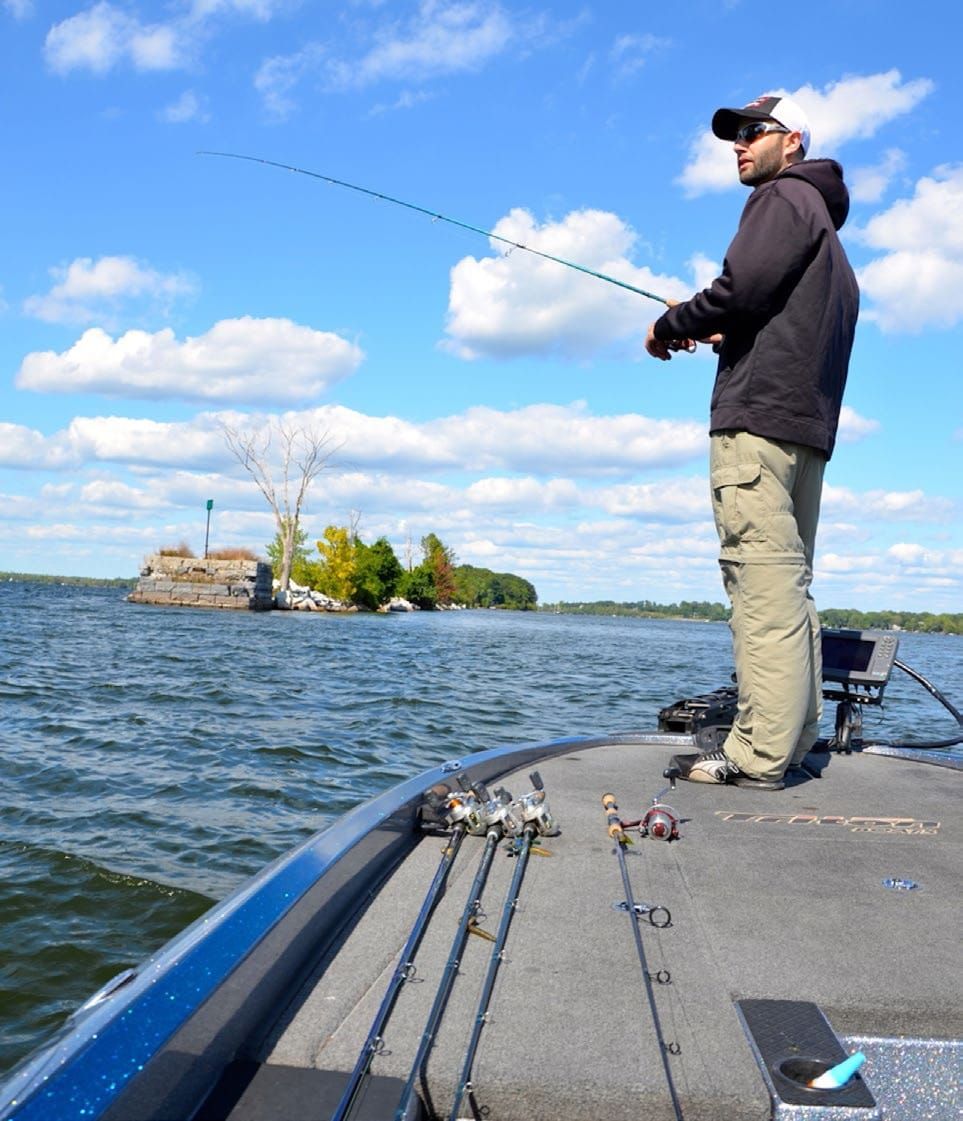
This article takes a different stance than most reports on invasive species. As opposed to looking purely for issues and solutions surrounding aquatic invasive species, this reading looks at the benefits that invasive plants have brought to Ohio’s Mosquito Lake.
“Mosquito Lake is facing a threat from people intent on eradicating an invasive plant that many say has a huge benefit to the reservoir's fish population. Long popular with Northeast Ohio anglers, Mosquito Lake, as early as seven or eight years ago, began experiencing a dramatic shift in the behavior of two of its most important fish populations: walleyes and largemouth bass. The shift is a result of the proliferation of two plant species, hydrilla and milfoil. Both plants are considered invasive species, introduced from their native ranges by migrating waterfowl and by people whose boats and trailers transported sprigs of the plants to Mosquito Lake and other popular Ohio fisheries” (Wollitz, 2024)
“Those who target Mosquito's largemouth bass cite the proliferation of lush vegetation for the surging fish population. Expert walleye anglers also have learned to target weed-loving walleyes. Fishing is a major contributor to Trumbull County's travel and tourism industry. I recently reported on the thriving bass population in the April issue of Bassmaster Magazine. In the article, I quoted comments from Mosquito State Park Manager Josie McKenna and B.A.S.S. Conservation Director Gene Gilliland” (Wollitz, 2024)
"We fishermen hope whatever measures are taken to control vegetation, whether native or invasive, rather than deciding to eliminate them, we get all of the stakeholders together-bass anglers, walleye, crappie, water skiers, boaters, whoever lives around the lake-and come up with a plan to manage rather than eradicate plant species," Gilliland said in the article. "Invasive species can be a real problem, even to bass anglers. There can be too much of a good thing. When invasive species come into a body of water, for a period of time they do a good thing. Then as the percentage of cover increases, they can provide too much cover, and forage can hide too effectively." (Wollitz, 2024)
Review
Considering the massive issue of hydrilla and milfoil, this article give hope for a middle ground between total infestation and total eradication. While these species are very costly and get out of hand quickly, not everyone wants to see them disappear, and there appear to be new opportunities that they present. A system of management may coincidentally be the best course of action, where resources are not stretched too thin, but enough action is taken to prevent large scale damage. This balance is important to explore for the sake of finding solutions that are both desired and realistic.
References
Wollitz, J. (2024, April 13). Eradicating vegetation puts Mosquito Lake Fish at risk. The Vindicator. https://www.vindy.com/sports/2024/04/eradicating-vegetation-puts-mosquito-lake-fish-at-risk/?



