
Innovating the car buying experience

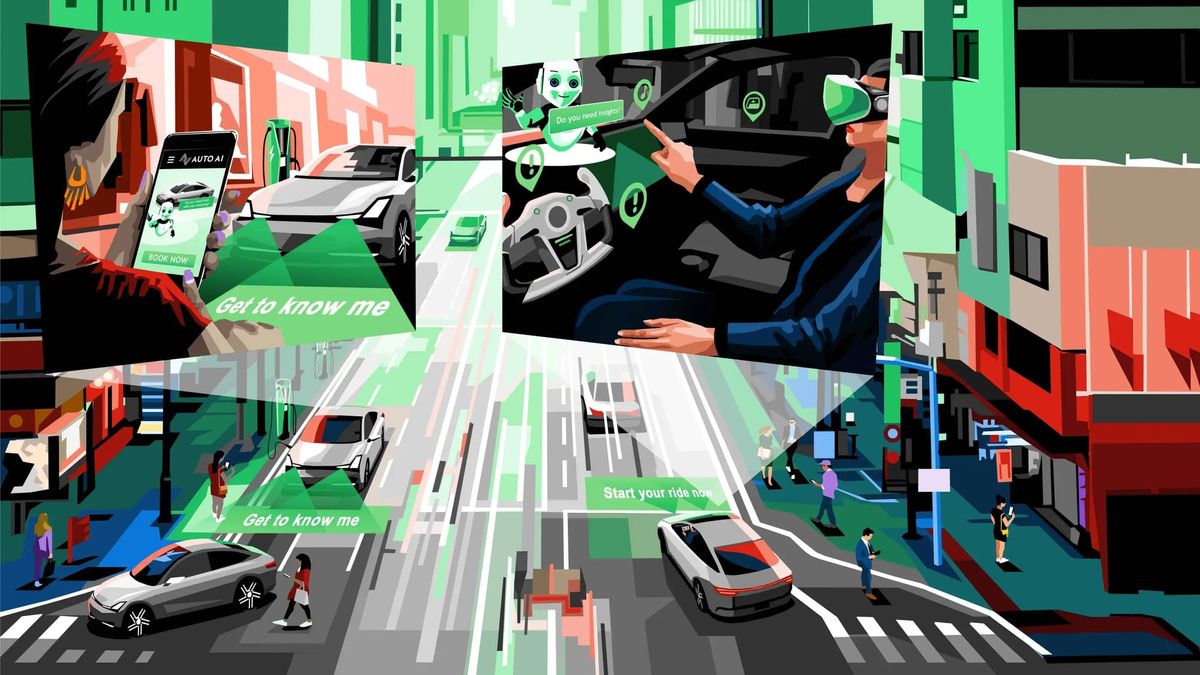
One of the major issues with cars today has nothing to do with the car itself but they way they are purchased. This in depth article proves how the customer landscape of car buying is largely dissatisfied with the way they buy, gives reasons as to why this is happening, and provides solutions that Original Equipment Manufacturers (OEMs) can develop to radicalize the way their customers approach their vehicles.
Only about half of car purchasers say that they were completely satisfied with their latest buying experience, according to a BCG survey of nearly 2,000 consumers in China, Germany, and the US who had purchased a car within the past two years.
Fortunately, OEMs can hurdle these shortcomings in their customers experiences if they are willing to embrace creativity and innovate their sales and marketing tactics. Emerging technologies offer numerous opportunities to create more attractive and enjoyable car purchasing experiences.
The most pivotal strategies to disrupt a prospective customer’s car buying journey fall into three categories:
Direct-to-Consumer (D2C). The D2C model (not applicable in the US) allows OEMs to move closer to end-customers, selling vehicles directly to them through online channels (for instance), with physical dealers and agents acting as product experts. This approach can also aid potential buyers in customizing the vehicle and finalizing the sales paperwork.
Generative Artificial Intelligence (GenAI). For some time, OEMs have been channeling resources toward AI for autonomous vehicle (AV) driving and advanced driving-assistant technologies. But automakers have paid little attention to using AI to enrich the customer experience, even though the required level of investment is lower and the horizon for positive returns nearer. Among other things, AI can help OEMs analyze massive amounts of driving and usage data that their vehicles that are already on the road collect. This data can be combined with information drawn from customer responses and engagement during the purchasing process.
Augmented Reality (AR) and Virtual Reality (VR). AR and VR create immersive, interactive landscapes and overlay digital information onto the real world. Although AR and VR are not new to the industry, the quality of these technologies has significantly improved in recent years. When deployed together, they can revolutionize the customer journey, allowing customers to experience the car in various simulated environments, explore configuration options, and virtually test-drive vehicles from their homes.
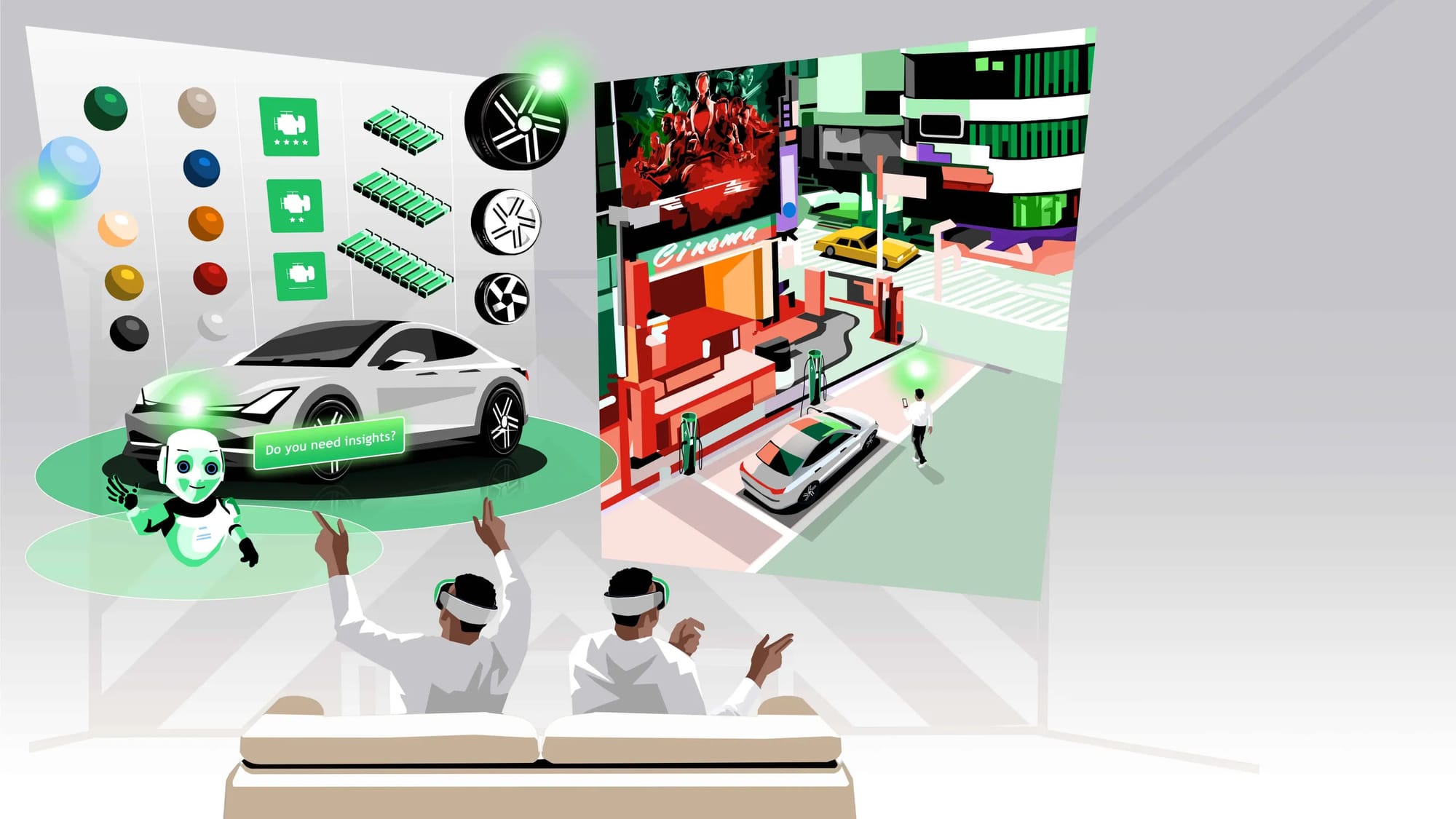
One intriguing example involves what we call a pop-up store in the customer’s living room. With this approach, OEMs employ VR to create a digital showroom in customers’ homes, enabling customers to configure colors, interiors, accessories, and other features in real time, and to experience the car with various looks, feels, angles, and settings applied. Without leaving their homes, they can virtually test-drive cars in different terrains and conditions and enjoy a highly personalized and interactive experience.
A blend of cutting edge technology that can be easily used in a customer's home and an engaging way to view the car buying experience create images of a distant future of possibilities that can easily be achievable in the near future.
I feel that this is just one of many examples where modern technologies like this can be implemented into the way we interact with cars. AR and VR technologies can be used to turn ordinary interiors into wonderous worlds of imagination and creativity. The backseat experience
References
Levin, A., Wiederer, A., Lellouche Tordjman, K., Heuser, C., & Bornschlegel, L. (2024, January 9). Innovation Has Transformed the Car but Not Yet the Car Buying Experience. bcg.com. https://www.bcg.com/publications/2024/innovation-transformed-car-not-car-buying-experience



