
Interview: Finding the Middle Ground
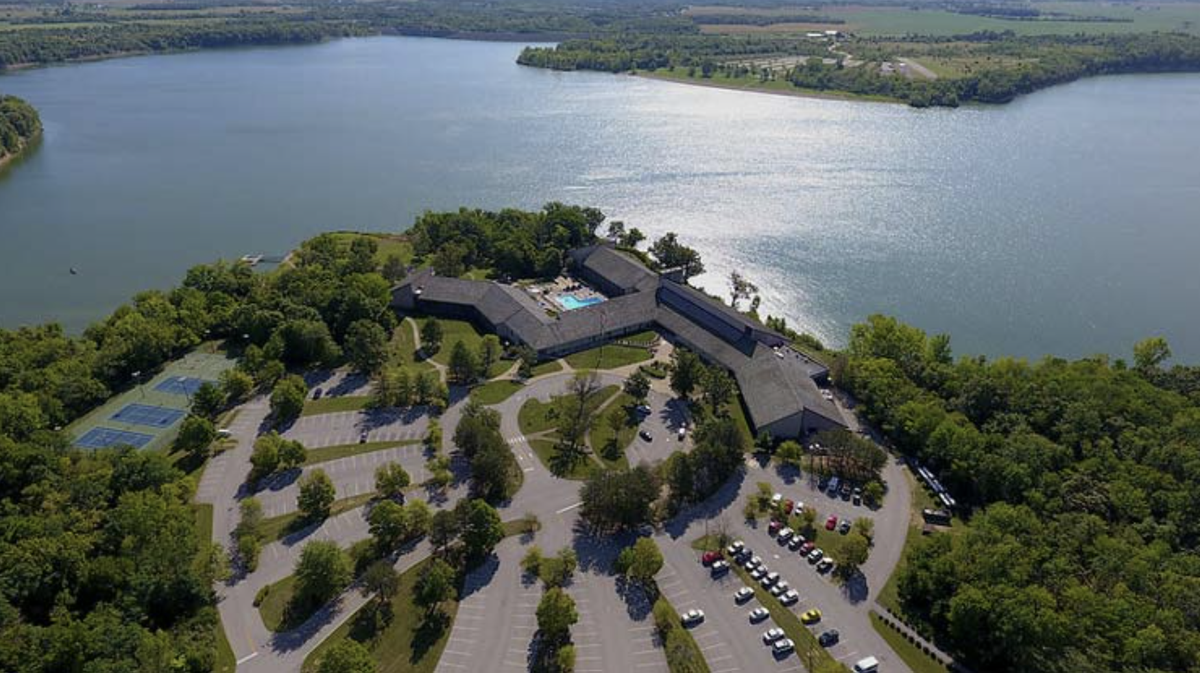
My conversation with Summer, a naturalist at Deer Creek State Park, gave me a different perspective on the Dark Skies initiative because she was able to explain what the issue looks like from inside a state park. Our conversation was originally supposed to happen as part of an event we found through the ODNR website, but the scheduled event did not end up having any attendees. Since Summer was already there and willing to talk with us, the conversation became an informal interview about the park, visitors, and the challenges of reducing unnecessary artificial light. One of the biggest things I learned was that supporting dark skies is not necessarily the difficult part. Summer was very supportive of the initiative, but she explained that actually making changes can involve management decisions, maintenance, funding, visitor safety, and getting multiple people to agree. She explained that different state parks can operate differently depending on their managers, staff, budgets, and individual circumstances. At Deer Creek, she felt fortunate that her manager already understood and supported dark-sky principles. However, even when management supports the idea, there may not be enough funding to replace existing lights or change infrastructure.
“Sometimes people only change when something becomes life-threatening. Obviously, we don’t want it to get to that point. But if we can find somewhere in the middle and get people to care enough to recognize that this is important, then I think you’re on your way to creating a product that can really make a difference.”
“We can still make the product work and get people to care about it. You just have to find that middle ground—how are you going to get people to care? Because if the product doesn’t have value to them, and they don’t have a reason to care about it, then why would they buy it?”
“You can make something that’s actually installed where people don’t necessarily need to think about it, and it could still affect how they feel when it’s dark. But if you’re making a product that people have to actively use, then you have to think about how they’re actually going to use it and whether they care about it at the end of the day.”
“Campers would be a great audience to target. People love their campgrounds, and I’m sure there are people who really appreciate that beautiful night sky. They love coming back to their favorite state park for whatever reason, and they enjoy seeing that night sky. But when it’s gone, they’re going to notice. That could be one of your target audiences. You can start there and then expand from there.”
This made me realize that designing a new product for parks cannot only focus on whether the product works. It also needs to consider how realistic it would be for a park to purchase, install, maintain, and eventually replace it. Summer also brought up an important conflict between reducing light and keeping visitors safe. She explained that simply turning lights off at a certain time could create problems because visitors may still arrive or leave after the lights are scheduled to shut down. Someone could trip over something they cannot see, or a visitor could feel unsafe in a completely dark area. This made motion-activated lighting an interesting possibility. Summer thought a system that turns on when someone approaches and shuts back down when they leave could be useful, although she also pointed out that fishermen create another challenge because someone sitting still for a long period may cause a motion sensor to turn the light off. This showed me that even a seemingly simple solution needs to account for different types of park visitors.
Another major perspective Summer introduced was the importance of convincing people to care about the problem. She explained that people are often resistant to changes in familiar routines, so creating a product is only part of the challenge. Visitors need to understand why the change matters to them personally. She suggested that campers and families could be potential audiences because they already have a reason to value the nighttime environment. This conversation helped me understand that my design should not only focus on reducing light pollution. It should also consider park budgets, management, safety, different visitor behaviors, and how to make people personally invested in protecting the night.
References
Grammarly. (n.d.). https://www.grammarly.com/
ODNR. (n.d.). Deer Creek Park Lodge. Deer Creek State Park Lodge. https://www.deercreekparklodge.com/



