
Interview with Bryan Boulanger
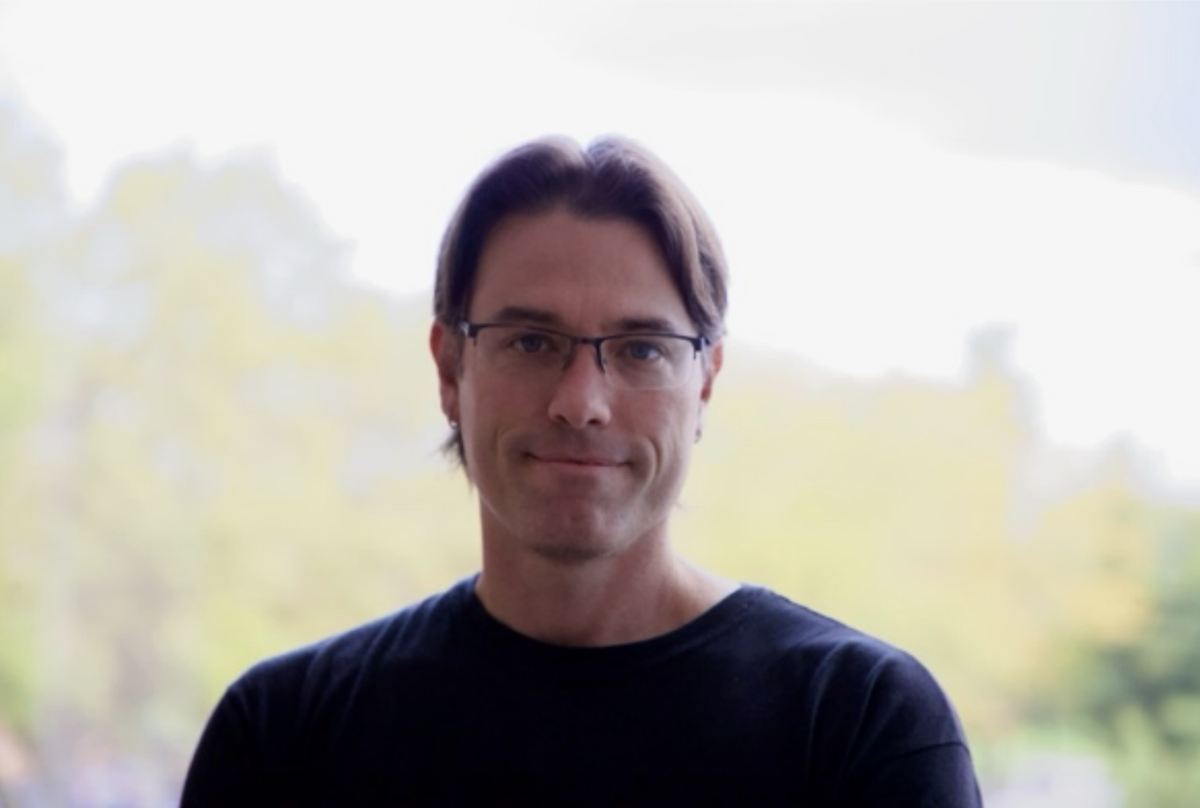
Bryan Boulanger, Ph.D., is the Engineering Centennial Alumni Endowed Chair for the Kokosing Department of Civil and Environmental Engineering at Ohio Northern University. His path into dark sky work started with a night in West Texas, where he realized that his own profession (civil engineering) was to blame for the stars he could no longer see back home. Since 2015, he has focused on developing tools and practices that help decision makers reduce the impact of artificial lightscapes on nocturnal ecosystems, natural resources, and human experiences. His work began with Yellowstone and has grown to roughly 72 partners, from national parks to state parks in Ohio, and he has been recognized with DarkSky International's Nocturnal Habitat Protection award.
I recently had the opportunity to interview Bryan Boulanger, and these are some of the things I learned. Because he has worked with both national parks and Ohio state parks, he offered perspective on how park managers, designers, engineers, and visitors each relate to nighttime lighting. Our conversation covered the stakeholders behind the dark sky movement, effective outreach and storytelling, the challenges of funding and liability, and opportunities where design can make a difference. The summary below organizes these insights by themes.
When speaking with Bryan, I began by seeking his personal perspective on dark sky initiatives and why they are so important.
"It's ubiquitous and that 's why light pollution is everywhere. At the same time, it's one of the few forms of pollution that we can make a dent in by literally just shutting something off or designing it to be better."
"I got involved because lighting is just poorly designed, period."
As a civil engineer, Bryan has a background in designing infrastructure for people, and after realizing how large an effect that infrastructure has on the night sky, he decided it was time for a change.
I told him that lighting design doesn't seem like a straightforward problem-and-solution scenario, and I wanted to see whether his perspective differed or aligned.
"So, it does smear between design, policy, and engineering, right? That's where lighting becomes really interesting."
"It's not solely turning them off. It's directing them downward and using better color temperature lamps, right? People can have light."
A large pain point seems to be the installation and service required to find unnecessary or poorly designed lighting, so I asked what Bryan had seen when it comes to implementing dark sky lighting in practice.
"The nice thing about fixtures is they're not super expensive. Like we can make a light better for a $100 investment per [fixture]."
"If they think, okay, I'm going to take care of, you know, 2 fixtures per year for the next 5 years, then they've solved their problems within 5 years."
After hearing how manageable implementation can be, I wanted to know who the actual stakeholders are: who wants change, and who is making it happen.
"Within ODNR, I think the people who are most pushing these forwards are park biologists or interpretive staff, who are there to tell the story. [Of] why resources are important."
With a better idea of who is driving change, I asked Bryan what he believes is the best way to get people to believe in dark sky.
"I think you have to meet people where they are, right? It's not actually about preaching, but what values do people have? [That] you might be able to tune into?"
"This is like 20, 30 years ago, you had a better quality viewing experience that night. ...that's a time frame that most people can relate to."
"I think the most impactful thing was just showing satellite imagery. The data that says, okay, here's the light as it was 10 years ago, and here's the light as is today. It's grown, right?"
"Can Ohio continue to be a space leader if our kids can't even see the stars?"
Our conversation then turned to the cultural significance of the stars, from Indigenous cultures to Ohio's own history. Bryan sparked my interest in how we can teach dark sky principles while reminding people of the long histories the stars carry.
"Ohio was populated for 10s of 1000s of years. And we have some sites in Ohio that exist for cultural astronomy purposes."
"Prior to modern navigation, people did navigate by stars. Right? So the Portuguese, who did whaling out of the harbors, they knew how to read the Night Sky, and that's lost now completely."
One of the main subjects I wanted to explore was how the stars can bring more visitors to parks while also raising awareness of dark sky efforts.
"A lot of providers, they want to understand, like, how do we get more people?"
"If you're gonna view a night sky, And you're a tourist, you have to stay overnight somewhere. So, a lot of providers, they want to understand, like, how do we get more people? But if they offer nighttime activities, ranger talks, um, That's got viewing opportunities that drives some sort of astratorism [astrotourism], park tourism. So that's all there too."
After this, we touched on the incentives lighting companies have to switch to more dark sky friendly products. Bryan explained that this shift has become increasingly important to manufacturers, and that the lighting industry has also helped fund dark sky organizations.
"The lighting industry, especially the large manufacturers, they understand that, you know, everything's a market and this is a direction they can take to."
"They were funded by the lighting industry. So they still are, and it's still one of their biggest advocates is the lighting industry." (on DarkSky International)
"I think the industry is going to self-correct."
Speaking with Bryan gave me a clearer picture of the challenges dark sky efforts face and a renewed sense of where design can make a difference. What stood out most is that light pollution isn't only an engineering problem. As he put it, it sits between design, policy, and engineering, and that gap is where a designer can contribute. I came away understanding that better lighting is often affordable and achievable, but that lasting change depends on people: the biologists and interpretive staff telling the story, the visitors who need to connect with it, and the industry that is starting to shift. His advice to meet people where they are, using memories of the night sky, Ohio's cultural history, and the draw of stargazing for park visitors, made me realize that how we communicate and design the experience matters as much as the fixtures themselves. This conversation reinvigorated my desire to bring a design mindset into dark sky projects, one that considers the user, the story, and the environment together, and it left me excited to help parks create nighttime experiences that people want to protect.



