
Keeping Up With Our Screens: Can Vehicle Motion Cues Be The Cure To Long Distance Boredom?
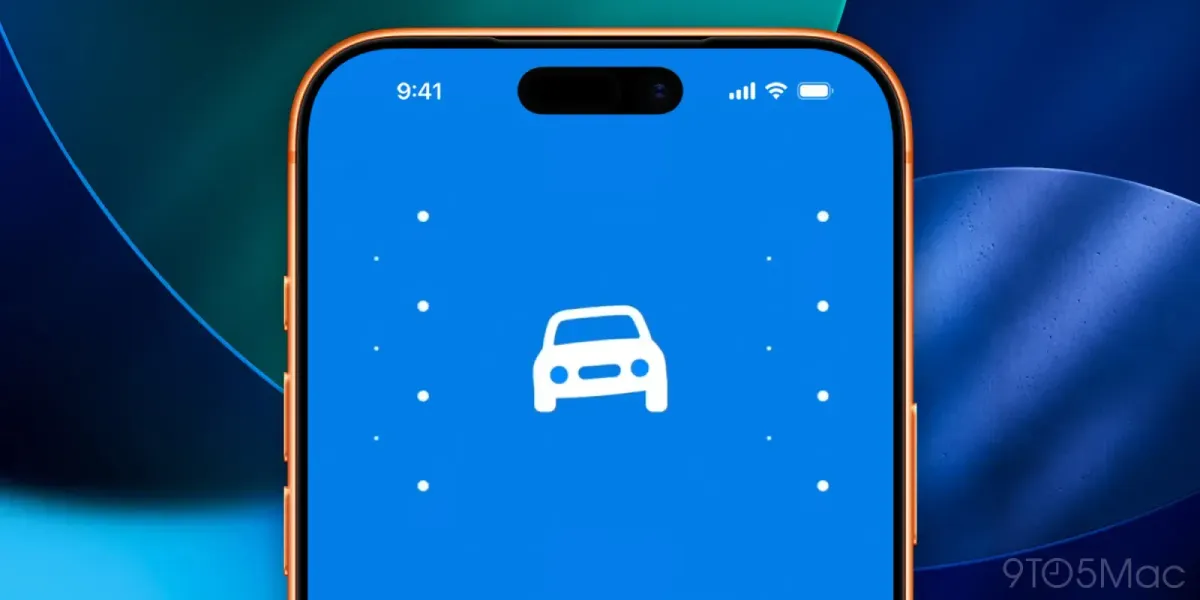
Reading, watching films, and playing games can help passengers pass time on long journeys. However, concentrating on a screen can also cause discomfort. Apple’s Vehicle Motion Cues is designed to reduce motion sickness while using an iPhone or iPad in a moving vehicle (Apple, 2024).
“a sensory conflict between what a person sees and what they feel” (Apple, 2024).
A passenger can be looking at a steady screen while feeling the car turn or accelerate. These sources of information can conflict. This makes comfort an important consideration when designing activities that require someone to keep looking at a device.
Apple addresses this through:
“animated dots on the edges of the screen” (Apple, 2024).
The dots move to represent changes in vehicle motion. They give passengers visual information about movement while keeping their content visible. I think this is useful because the interface responds to the conditions in which someone is using it. Apple describes a potential benefit, though its announcement provides no controlled trial results.
The driver has more control over the journey. They decide when to steer or brake and watch the road ahead. Kuiper et al. (2020) discuss the ability to anticipate movement as one explanation for why passengers experience more motion sickness. A passenger could be occupied by a game while having little awareness of the next turn.
“participants reported significantly lower sickness scores when correct anticipatory auditory information about upcoming events was provided” (Kuiper et al., 2020, p. 4).
In this study, 20 adults sat inside a moving laboratory cabin. Accurate spoken cues arrived one second before movement. Participants reported less sickness than when cues arrived afterward and gave unreliable direction information. Each condition lasted 15 minutes, and misleading cues may have worsened the comparison condition (Kuiper et al., 2020).
This suggests that useful information about movement deserves attention in passenger entertainment. Apple’s dots respond to movement, while the study tested warnings before it happened. Both approaches interest me, although the study does not establish how well Apple’s feature works.
For my research, I would consider how much uninterrupted screen attention an activity requires. A shared trivia game could read questions aloud and let passengers answer while looking outside. Someone could remain involved while taking a break from the display.
I would also want to test comfort over longer journeys. Fifteen minutes leaves questions about several hours of use. An activity might be enjoyable at first and become difficult to continue. Understanding when people stop, and why, could help determine whether the experience is suitable for travel.
References
Apple. (2024, May 15). Apple announces new accessibility features, including Eye Tracking, Music Haptics, and Vocal Shortcuts. Apple Newsroom.
Kuiper, O. X., Bos, J. E., Diels, C., & Schmidt, E. A. (2020). Knowing what’s coming: Anticipatory audio cues can mitigate motion sickness. Applied Ergonomics, 85, 103068. Full article.



