
LEGO: Designing Adaptive Lighting Through Play
LEGO Education is a learning platform that uses building, programming, and hands-on activities to help students understand concepts through experimentation and problem solving. This subcompany of LEGO allows kids to have the opportunity to physically create something rather than just reading or listening to a topic. I think that this is very great and important type of learning that should be used to help educated the younger population considering they get to understand issues firsthand, advance their motors kills, and start to conceptualize difficult concepts. The goal is to make learning more interactive while allowing students to make decisions, identify problems, and improve their designs.
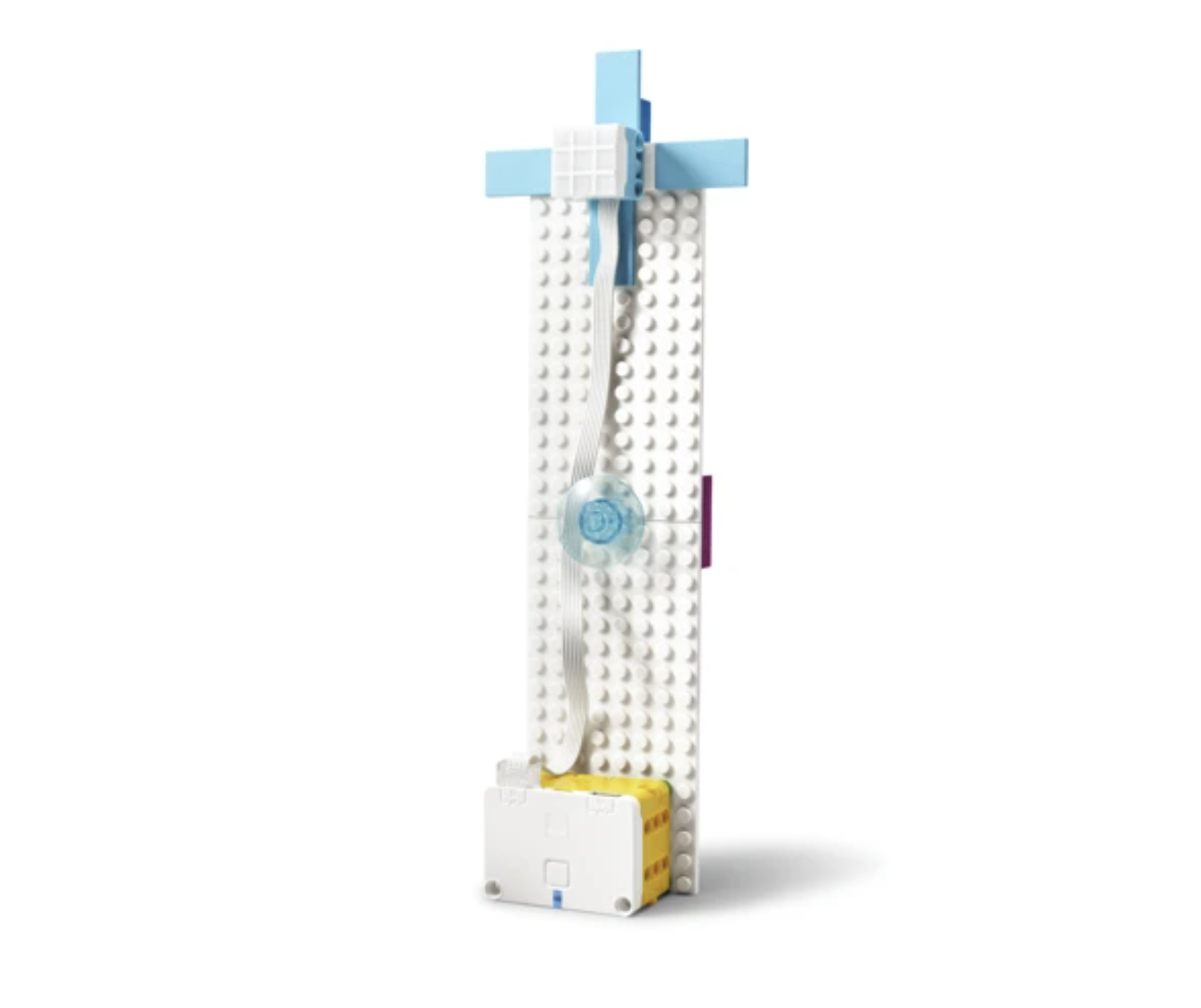
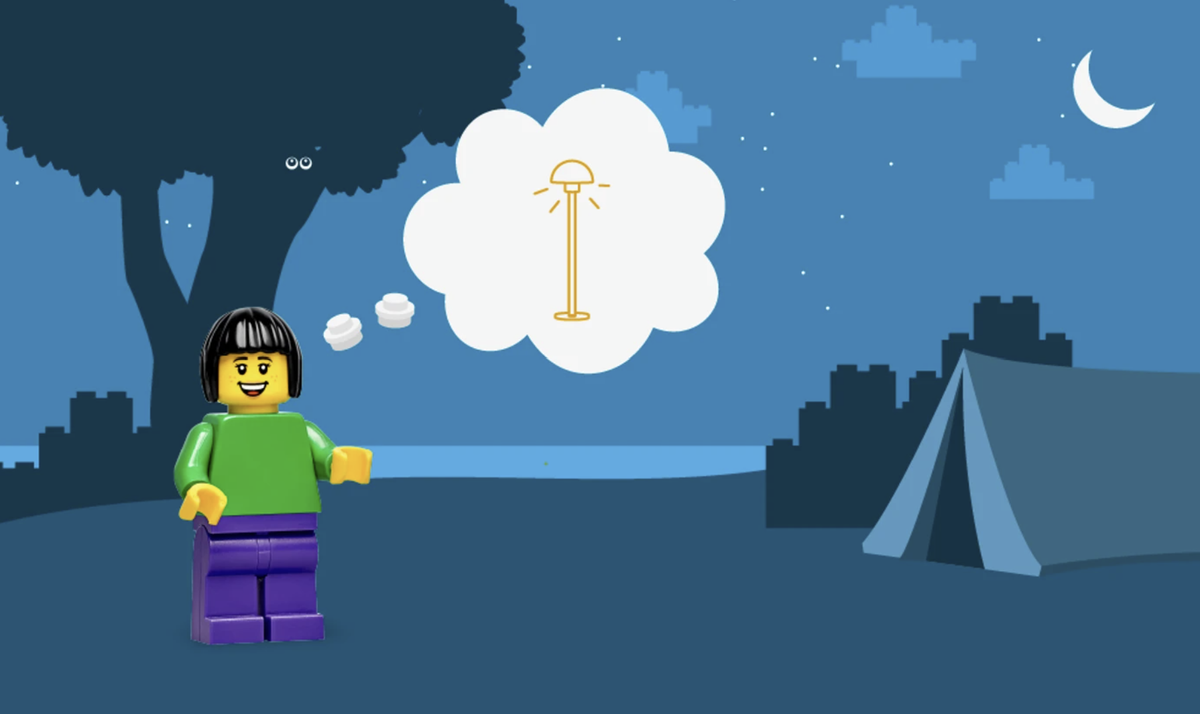
The Daytime and Nighttime activity is an example of how LEGO Education uses a simple physical project to teach students about environmental changes, data, programming, and design. Students are introduced to a campsite where a lamp is needed to provide visibility when it becomes dark. Students build a small overhead lamp and then program it so that it operates during nighttime conditions. The activity is not simply teaching students how to make a lamp, but it is encouraging them to understand when lighting is actually necessary.
In this lesson, the important learning occurs when graphing the amount of darkness and light in a particular month. Programming a lamp to come on when it’s dark and turn off when it’s light is an opportunity to present that learning in a fun, hands-on way.
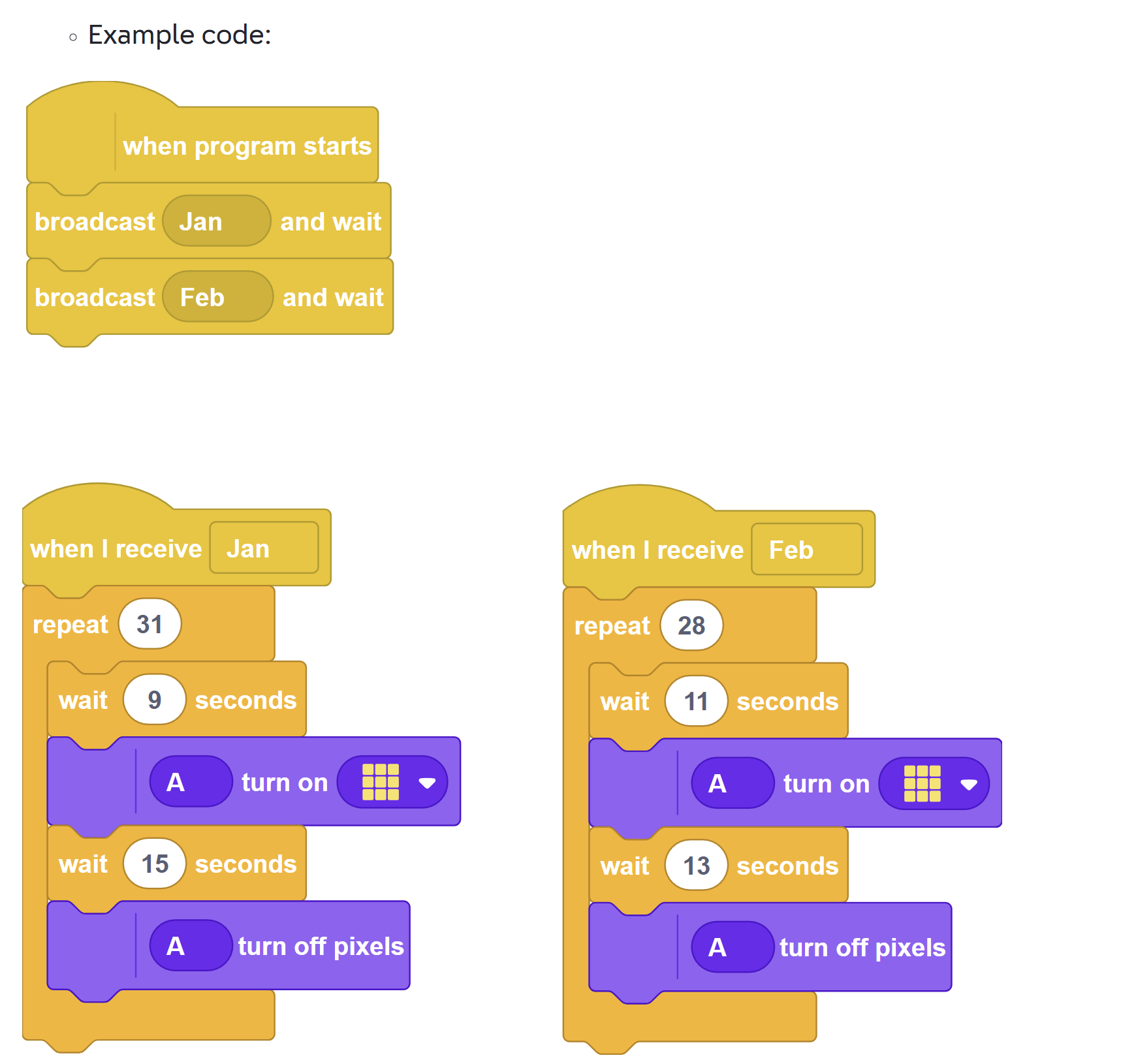
Facilitate brainstorming about ways to program the light, for example, by representing each hour of nighttime with one second of lamp light. This will enable them to see a “night” without waiting for a real night to elapse.
This Lesson also teaches about the amount of daylight and darkness throughout different months. They can represent this information using graphs and then use what they learn to determine when their lamp should operate. This connects physical design with information and programming. Instead of automatically assuming that the lamp should remain on for a certain number of hours students now have to consider the actual amount of darkness in their environment.
Have your pupils iterate and test their models to complete the next challenge in the app: Add a path and trees to expand Sofie’s campsite. Then test the model and program to make sure the lamp illuminates the path at night when it’s dark. Change them to improve how the lamp performs and test again.
What if students could not merely navigate, but truly thrive in an ever-changing world? With AI and other technologies redefining our daily lives, students need more than knowledge to succeed. Students need confidence to lead, curiosity to adapt, and the real-world skills to create positive change in the world around them.
LEGO Education identifies darkness rather than simply the time on a clock, as the important factor in determining how lighting should behave. In this way we can see how us designers can use this as an outline for co-designing. I also think that this could be useful for us in our case because when we grow up I feel that we don't have the type of creativity we had before. we become more logical about situations and having these sets of induvial can help with that and allows us to think outside the box. After creating the initial campsite model, students can add features such as a pathway and trees and then check whether the lighting continues to work effectively. They are encouraged to make changes and test the system again. This creates a basic design process. The activity demonstrates the idea that lighting does not necessarily need to operate continuously. A lighting system can respond to environmental conditions and provide illumination when it is needed. This could be applied to state parks instead of asking how much lighting a park needs, designers can ask when lighting is actually necessary and how a system can respond to those needs.
References
Daytime and nighttime. LEGO® Education. (n.d.). https://education.lego.com/en-gb/lessons/spikeessential-science-we-cannot-see/spikeessential-daytime-nighttime/



