
Lighting Changes for Insects
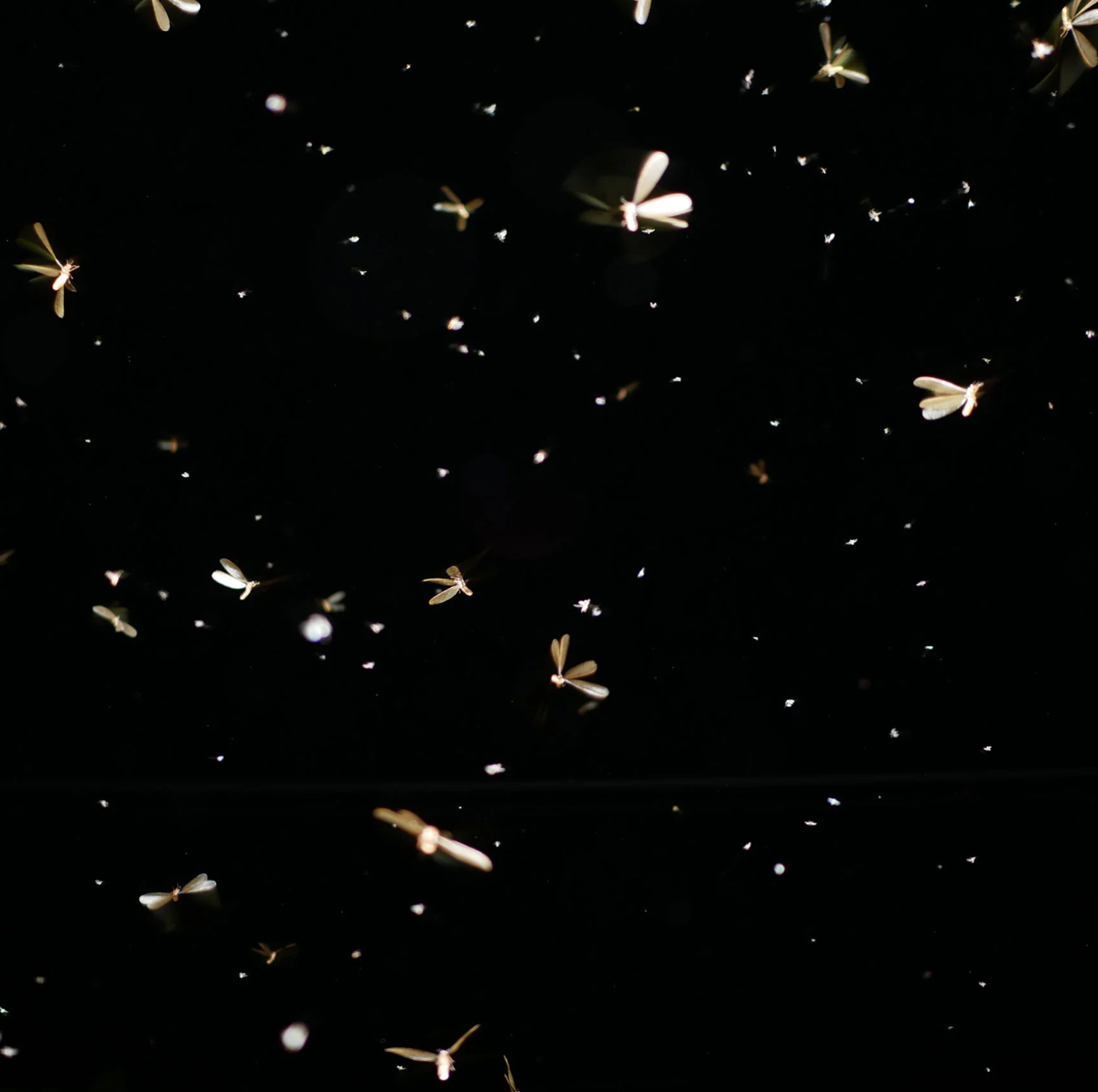
Studies show, insects are naturally attracted to artificial light because of their instinct to use the moon for navigation. When artificial light interferes, insects become disoriented, but small changes can be made to greatly reduce the number of bugs swarming around local fixtures.
While insects face multiple severe stressors, including climate change, pollution, and habitat loss, German researchers have discovered that modifying artificial light spectra can help protect many of these vulnerable species from accelerated population decline.
"Amber LED lights (1800 K) with low blue light content attracted significantly fewer individuals and species, as well as threatened and legally protected taxa than conventional cool white LEDs (4000 K) and high-pressure sodium lights (2000 K)" (Cockrill 2026)
"These are more expensive to run than LEDs, which is why in many parts of the world you'll notice the warm glow of sodium lights has been swapped out for their more energy-efficient counterparts"(Cockrill 2026)
By implementing lighting within specific color temperature and power categories, specifically around the 1800K LED range, a significantly reduced number of insects will be attracted to these artificial lights.
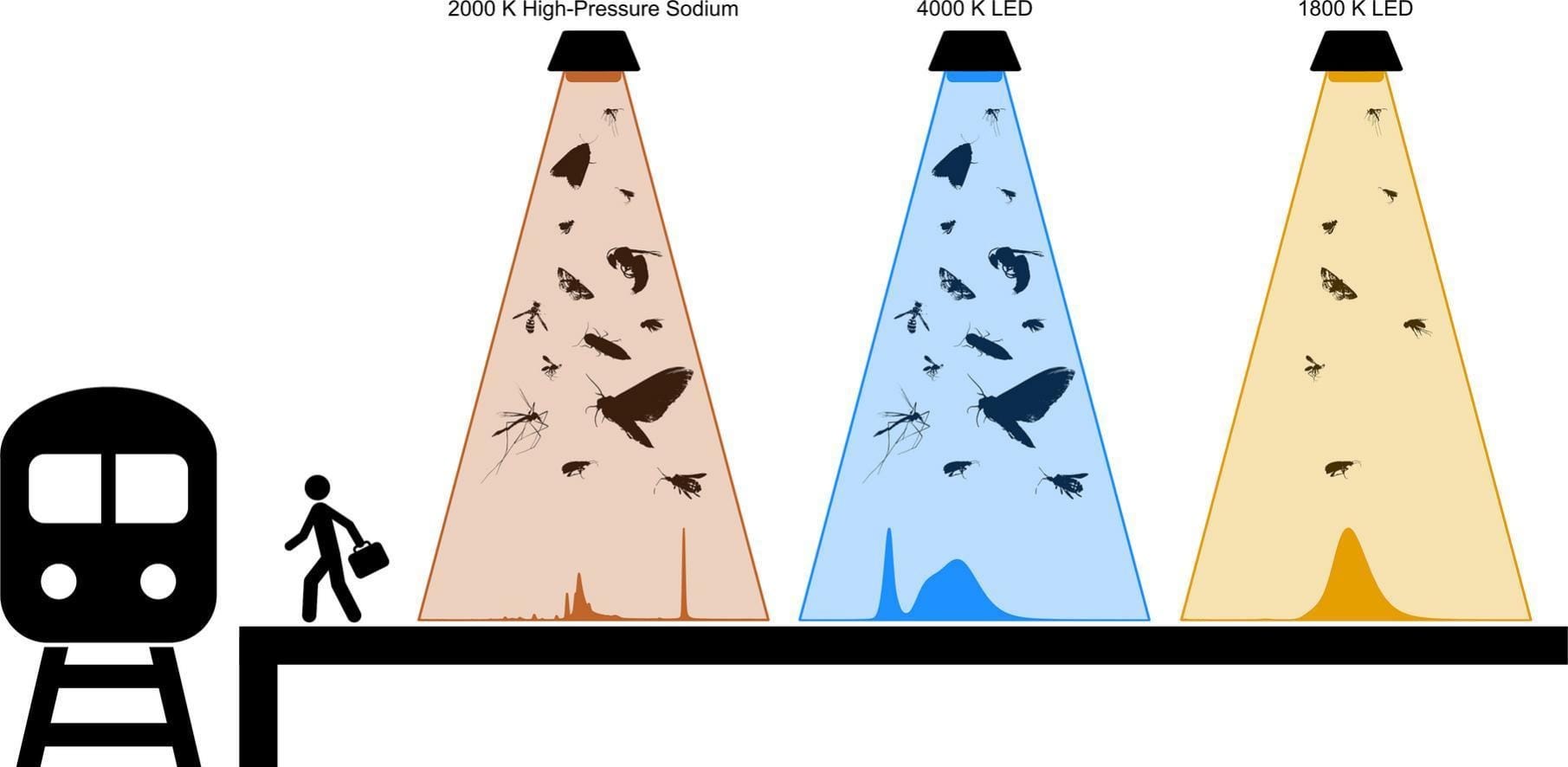
"Not all insects react to light in the same ways, so this strategy might not help all species equally. The study only focused on nocturnal flying arthropods, so it's unclear what effects these experiments might've had on ground-dwelling species, for instance"(Cockrill 2026)
"Further studies at the species level are essential to improve understanding of taxon-specific responses to artificial light at night, particularly for threatened or legally protected species"(Cockrill 2026)
Additional studies are necessary to fully understand the actual ecological consequences these lighting choices may introduce, especially since the precise impact that various light types have on other species remains difficult to determine. Even so, while 1800K lights consume slightly more energy than alternative options, making mindful adjustments can still help protect local insect populations while minimizing environmental disruption.
References
Cockerill, J. (2026, July 29). A simple lighting swap could save millions of insects. ScienceAlert.https://www.sciencealert.com/a-simple-lighting-swap-could-save-millions-of-insects



