
Moving Datacenters to Space. Is it Really a Good Idea?
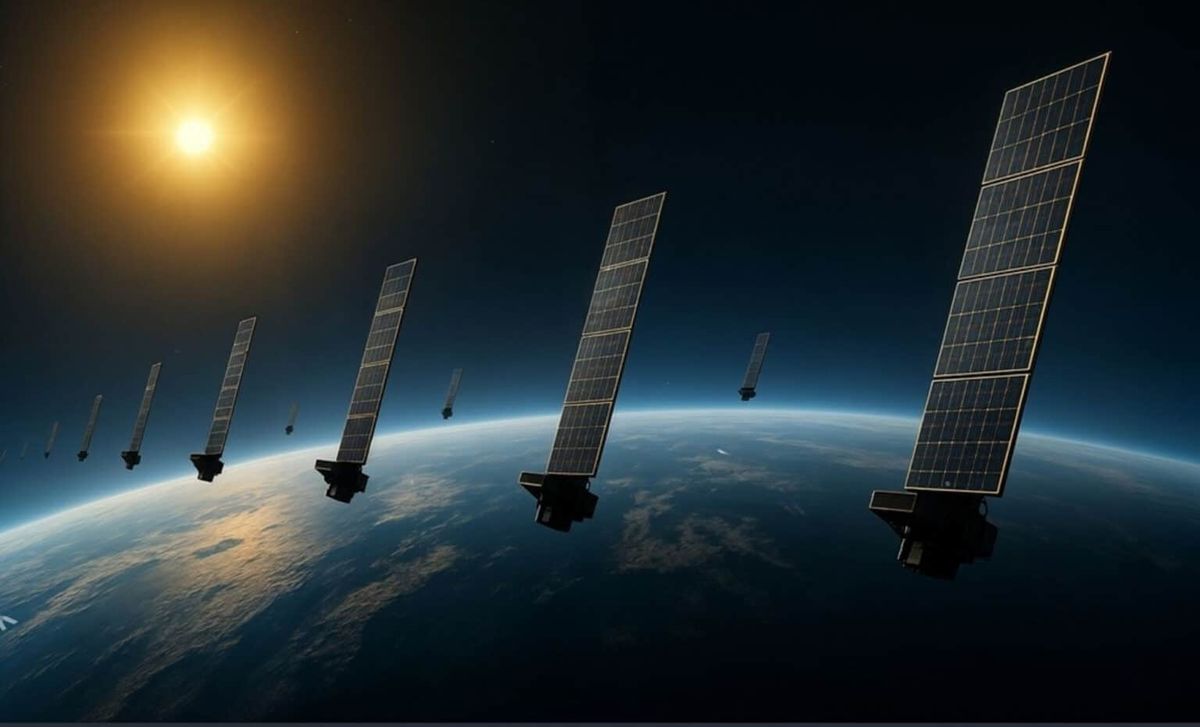
As satellite datacenters become more and more common, the question is, are they really a better option for our planet. Science is beginning to say that although it seems good on the surface, the long-term effects that it may cause could be detrimental to the environment.
"SpaceX’s plan is for this sprawling megaconstellation to become a distributed network operating as an orbital data center... instead of having equipment capable of all that processing power stored in massive warehouses, each satellite in orbit would do a small part of the number crunching and then beam the final results back to the ground" (Plait 2026).
"And as the use of computationally intensive artificial intelligence soars, so, too, will the appetite for ever more power—and the potential for ever greater environmental harm" (Plait 2026).
"Exporting most of that “compute” to orbit, SpaceX claims, is the way to break this vicious cycle. And there is some truth to that: The satellites will be solar-powered, easing the electricity demand on Earth. They won’t need water to cool their hot chips and will instead rely on large radiators to vent heat" (Plait 2026).
"The environmental consequences wouldn’t be trivial. A single Starship launch emits the equivalent of 76,000 metric tons of carbon dioxide, for example—leaving aside issues of noise pollution and potential damage to nearby habitats" (Plait 2026).
"The fiery atmospheric reentries of satellites would be a source of pollution, too, dumping significant amounts of vaporized metal and plastic into our planet’s fragile upper atmosphere. At least one Starlink satellite is already burning up in this way every day" (Plait 2026).
Review
On the surface, the idea of cooling data centers in space seems like a clear solution. The cold vacuum of space provides the natural heat-sink properties these high-powered computers need; however, analysis suggests this approach could introduce exponential problems during both launch and disposal.
The rockets required to lift these massive payloads into orbit generate significant environmental impacts, including intense noise pollution, toxic emissions, and physical disruptions to surrounding habitats. Studies indicate that as the commercial space sector expands, launch frequencies will only continue to rise.
Beyond the launch phase, operational satellites create long-term consequences by altering the appearance of the night sky. Furthermore, because hardware in orbit regularly requires repair and replacement, decommissioned units eventually re-enter the atmosphere or accumulate as space debris.
Addressing these increasing challenges will require balancing the growing demand for technological infrastructure with extensive environmental oversight and sustainable space governance.
Refrences
Plait, P. (2026, March 6). Rampant growth of satellite mega-constellations could ruin the night sky. Scientific American.https://www.scientificamerican.com/article/rampant-growth-of-satellite-mega-constellations-could-ruin-the-night-sky/



