
Museums as Prescription Medicine
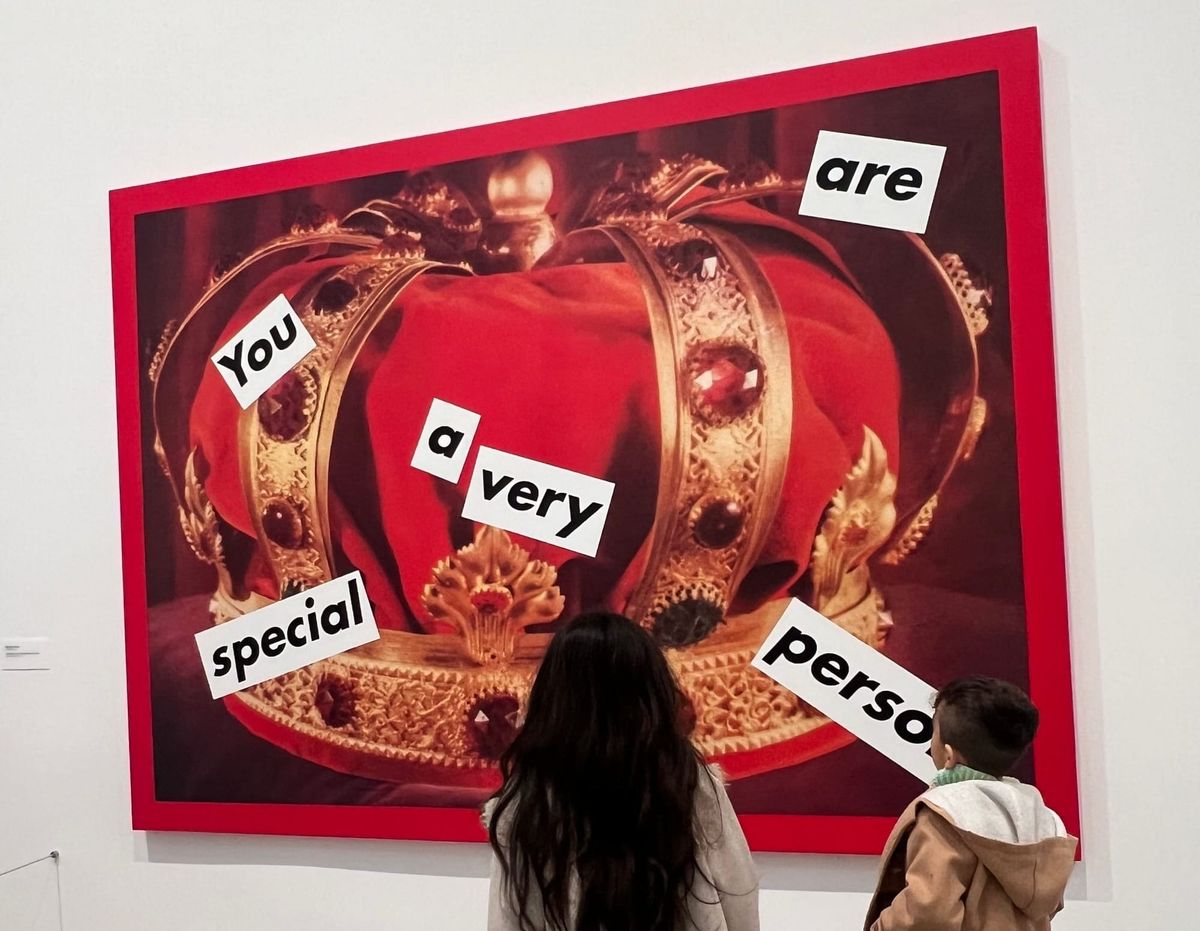
Julia Hotz’s article in the Observer, named Museums as Medicine? The Growing Trend of Art Prescriptions (2025), explores the growing use of art and cultural activities as part of healthcare through the practice of social prescribing. According to the article, rather than relying solely on medication or traditional medical treatments, healthcare professionals are beginning to recommend activities such as museum visits, botanical printing, jewelry making, art classes, photography, and creative writing to support patients’ well-being.
But the practice of prescribing art and cultural activities by providers in clinical settings has spread in recent years under the umbrella of social prescribing—wherein healthcare professionals refer patients to non-medical supports and services (Hotz, 2025).
A landmark review of over three thousand studies concluded art played “a major role in the prevention of ill health… and management and treatment of illness across the lifespan” (Hotz, 2025).
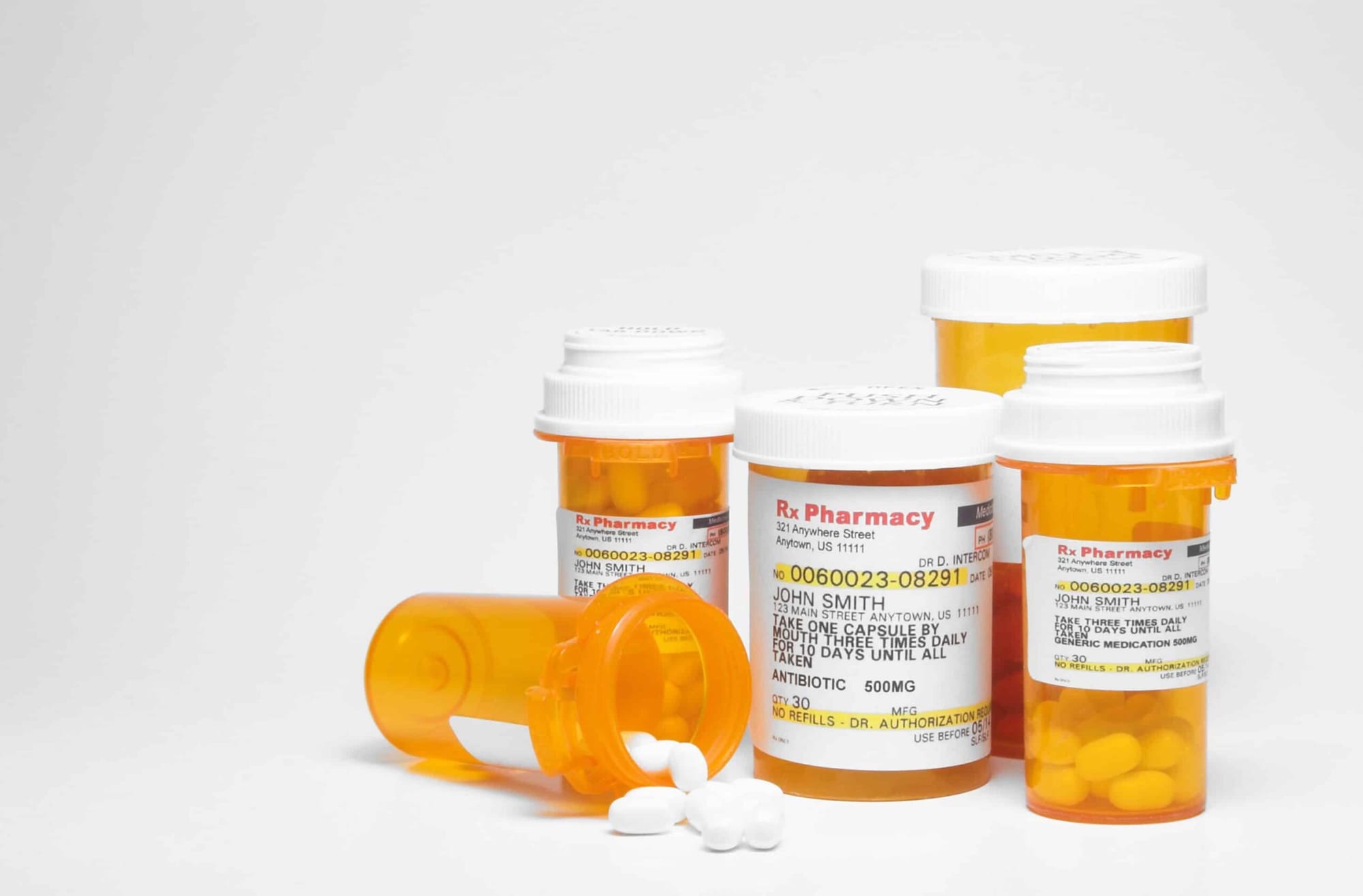
The University of Florida Center for Arts and Medicine looked into the connection, developing a framework that positions art as a true medical treatment. They touch on different medical conditions that could be very relevant in rural or remote conditions.
Art promotes empathy, facilitates meaning-making, and encourages self-expression and self-efficacy. Their research suggests arts and cultural engagement can be used to help treat symptoms of several conditions, including Parkinson’s, chronic pain, depression and addiction (Hotz, 2025).
The guide points out that social prescribing has been more systematically integrated in the United Kingdom, where healthcare is nationalized. A recent U.K. government report found that engaging with the arts generates £8 billion worth of improvements in people’s quality of life each year, and other research on social prescribing suggests that it can save money by reducing pressure on healthcare. The United States, meanwhile, has a different set-up and different cultural attitudes toward healthcare (Hotz, 2025).
"Here, we pay for healthcare, and we want to get our money’s worth, [and] if a doctor says, ‘I want you to take a dance class,’ the patient might say, ‘Oh please… this is not what I came here for,’” said Dr. Jill Sonke, the founding director of UFCAM, in The Connection Cure (Hotz, 2025).
Still, Dr. Sonke believes cultural shifts in American healthcare are possible. She points to how doctors now recommend regular exercise in a way they didn’t seventy years ago and thinks a similar future could be in store for the arts (Hotz, 2025).
This relates to my capstone work with Battelle because it emphasizes the importance of designing medical devices and experiences that fit within patients’ existing cultural expectations while also creating opportunities to introduce new approaches to care. When designing for diverse populations, it is important to consider how cultural backgrounds may influence what patients find comfortable, familiar, or acceptable.
This article also makes me think about how art could be incorporated directly into the medical device experience. If a device includes a digital interface, for example, it could display artwork, calming imagery, or other creative content while the patient is using it. This could provide a small moment of distraction or allow the user to express themselves naturally during an otherwise stressful medical experience. Incorporating art into the interface could allow the device to support not only the patient’s physical needs, but also their emotional and psychological well-being.
Reference:
Hotz, J. (2025, February 8). Museums as medicine? The growing trend of art prescriptions. Observer. https://observer.com/2025/02/museums-as-medicine-art-prescription-trend-healthcare/
AI was used to check grammar in this reflection.



