
My Beautiful Medical Device
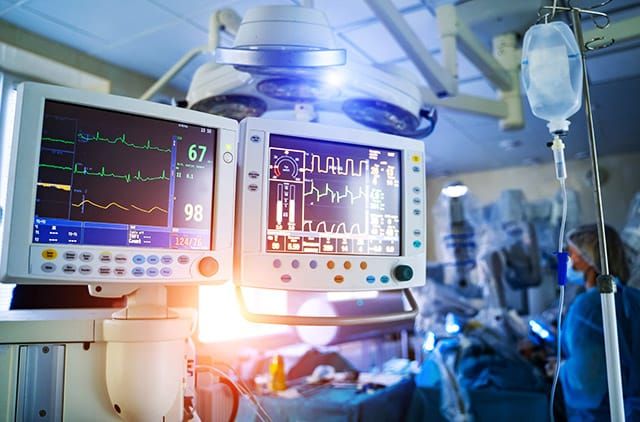
The article “My Beautiful Medical Device,” by Dorothy Shamonsky enlightened me on why making aesthetically pleasing designs can play an important role in a product's usability. To enhance user experience, one of the most important things to understand is human behavior and logic. This information is critical to developing harmony between the aesthetics and the technology. As a result, when these decisions are informed, users have an easier time navigating the system and can even feel more tolerant and resourceful when interacting with it. One thing that the article opened up my eyes to was the fact that medical devices need to be well designed to prevent false calls, patient harm, or even worse, patient death. This will be very important when developing a solution for my capstone, as the last thing I want to do is design something that will harm people.
But for medical device users, a well-designed interface is the primary way to ensure that they utilize a device in accurate, effective and safe ways. The UI should provide clarity of workflows and restrictions on what the user can do, so as to prevent dangerous or fatal errors in the use of the device.
Understanding what our design is meant not to do is just as, if not more important than understanding what our design is meant to do
Crafting an appropriate aesthetic in an interface is about providing the user with signs and signals that work on multiple levels, conscious and subconscious, to create the most clarity of how to interact, even in typically busy and stressful clinical environments.
Reminds me of when we met with Battelle and we had asked about whether there were any human factors, not technological, that limited the usage of new medical technology. One of the things that had been mentioned was about learned how human error came into play during testing. Functions were explained outside of use case scenarios and people clearly understood functionality. However, when it came to using the technology in a use case scenario, people would forget things as they were not called to attention or they were not used to using functions in a certain manner
People have limited attention spans → we need to harness what we know and can process
Logic is part of the equation in interface design – but emotions play a large role in how we perceive, process, remember, and most importantly, act on information (i.e., how we interact with computer interfaces).
Creating solutions that resonate with us emotionally and logically is difficult, but a testament why research with our target audience is going to be very important
The skillful melding of aesthetics and logic is key to creating safe, easy-to-use interfaces, and ultimately better medtech products. Ultimately, the future of medical devices is not centered just around innovation with sophisticated technologies, but also around gaining a better understanding of human behavior and skillfully applying that to the design of device interfaces to make them safer, more natural for humans to interact with, and as a result, used at their peak effectiveness.
Reference
Shamonsky , D. (2022, December 15). My Beautiful Medical Device. Boston UX. https://www.bostonux.com/blog/my-beautiful-medical-device
No generative AI was used in the writing of this post



