
No, Amish kids aren’t immune to cancer, diabetes and autism — and they aren’t vaccine-free, either
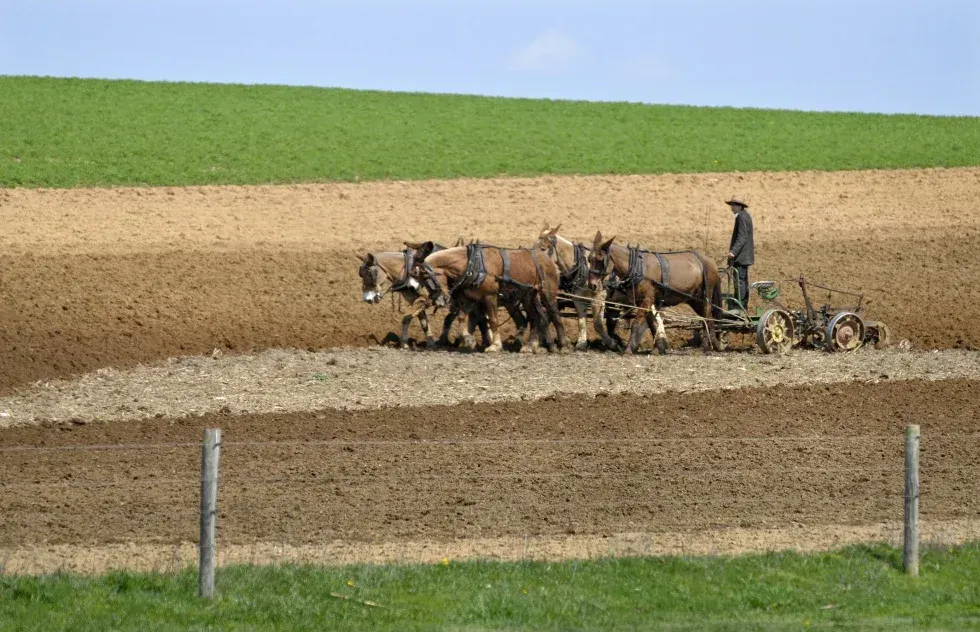
This article is relevant to my research topic because it directly complicates a romanticized outside narrative about Amish health that I need to be careful not to unconsciously absorb into my own design assumptions. A viral claim held up Amish communities as proof that vaccines cause chronic disease, framing them as essentially free of cancer, diabetes, and autism, a narrative that erases the real, documented health needs (including the elevated genetic and metabolic conditions I found in the CDC's genetics article) that my entire project is built around addressing. If I unconsciously carried this "the Amish don't really get sick" myth into my design process, I'd risk building something for a population I'd mistakenly assume doesn't need it. This piece is a useful check on outsider assumptions before I do any more fieldwork.
The Amish are a conservative Christian group that shuns many modern technologies, including electric and gas-powered machinery. They’re largely concentrated in the Midwest and East Coast, including in Pennsylvania’s Lancaster County.
Other posts claimed Amish people died of COVID at a rate “90 times lower than the rest of America” because they weren’t vaccinated. But there’s no new study supporting that figure or the notion that the Amish are immune to serious medical conditions because of vaccine reluctance.
Going back further, research published in 1988 in Social Science and Medicine found Amish communities have unusually high rates of breast cancer and juvenile leukemia but relatively low rates of cervical cancer, noted Mark Louden, an Amish expert at the University of Wisconsin in Madison.
What's most useful about this piece for design purposes is what it reveals about where reliable health information about this population actually needs to come from. The fact that a false claim about Amish health spread widely enough to require an AP fact-check suggests outsiders, and possibly even people within these communities encountering the same viral content, may be working from significantly distorted assumptions about Amish health realities. That has a direct implication for anything I design: information sourcing and trust matter enormously, and a tool or system built for this community should be traceable to credible, named experts and real data, not vague claims. It also reinforces something the CDC genetics article touched on, an actual barrier to diagnosis in Plain communities is that conditions like autism require clinical evaluation.
References
The Associated Press. (2023, July). Debunking myths about vaccines, autism, and the Amish. AP News. https://apnews.com/article/fact-check-amish-covid-vaccines-cancer-diabetes-autism-356029928165



