
Ohio rural healthcare access — an advanced solution?

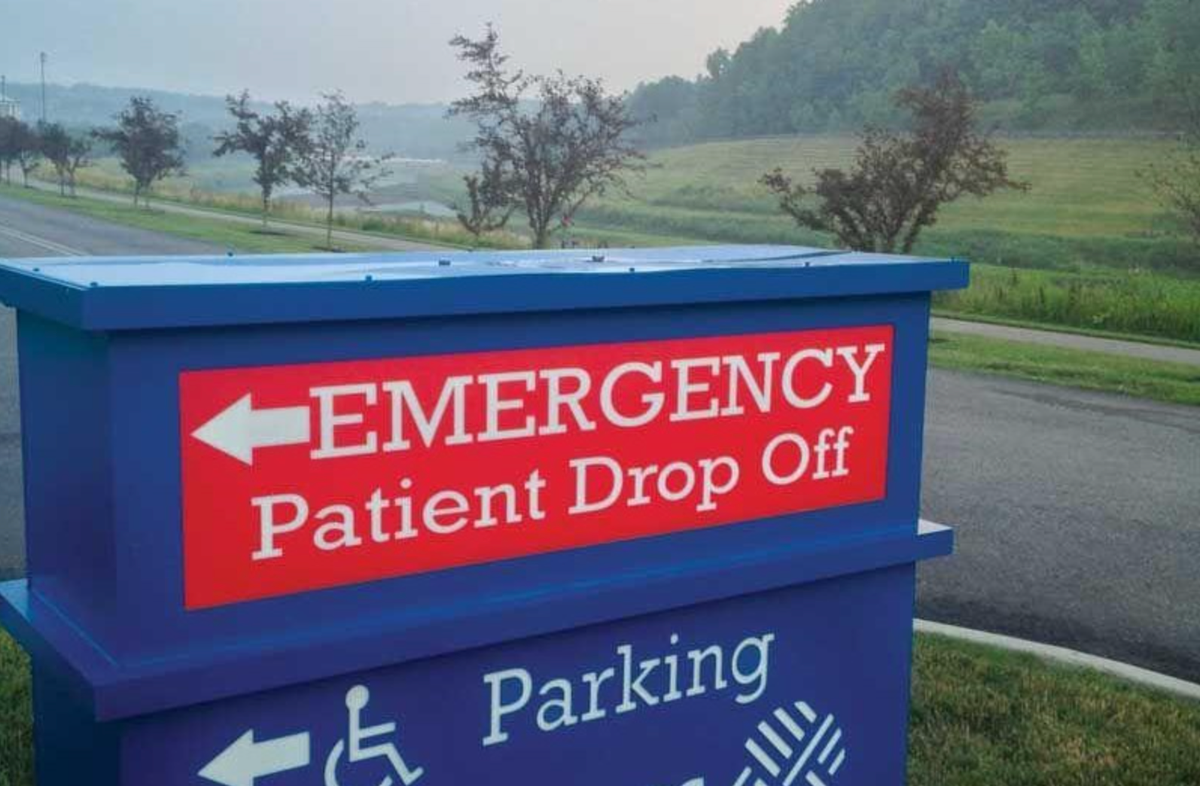
“Ohio citizens living in rural areas are dying earlier and more often than people in other parts of the state. A report from the Health Policy Institute of Ohio found that rural residents are 15% more likely to die before the age of 75 compared to the rest of Ohio. Many factors make this worse: 17% are living in poverty, 18% lack internet access, 8% do not have a vehicle, and 9% are uninsured — all higher than state averages” (Ohio Capital Journal, 2026).
These statistics will be helpful to include in my presentation, as well as to consider throughout the design process. My final project would need to consider a lack of internet and insurance, while still enabling access to healthcare.
“The Ohio Senate Bill 258, the Better Access to Health Care Act, offers a way to help. The bill would allow Advanced Practice Registered Nurses (APRNs) to practice more independently. An APRN is certified to diagnose and treat illness, and prescribe medicine. Right now, APRNs must have a collaboration agreement with a physician. That means APRNs can only work where doctors are available” (Ohio Capital Journal, 2026).
“In the states where APRNs can practice to the highest level of education and training, the overall health ranks much higher, according to the Commonwealth Health ranking national survey” (Ohio Capital Journal, 2026).
My main takeaway from this article is how helpful supporting elements around traditional doctors are. Currently there are many barriers to being able to practice medicine and provide care outside the traditional healthcare system. Supporting rural patients does not require direct copies of how healthcare would work in a city, rather a network of support that can help in most cases besides when larger healthcare units are needed.
“For the rural community, if the bill passes, it could mean more primary care, urgent care, and maternal care. Hospitals, clinics, community health centers, and private practices could also staff more easily, both in person and virtual visits. Independently practicing APRNs help organizations overcome staffing barriers and can save money. For Medicare insurance, primary care from APRNs costs less than care from physicians. Communities also benefit when geographic barriers are reduced, and more providers are available” (Ohio Capital Journal, 2026).
Importantly, the article wraps up by stating that not only do communities benefit from this but also the traditional healthcare system. This will make it easier to grow care available, as large healthcare companies will be willing to contribute to this APRN initiative, and could be open to other supporting elements like my design capstone.
References
Ohio Capital Journal. (2026, May 8). Ohio rural healthcare access: An advanced solution. https://ohiocapitaljournal.com/2026/05/08/ohio-rural-healthcare-access-an-advanced-solution/



