
Taking Root in Ohio
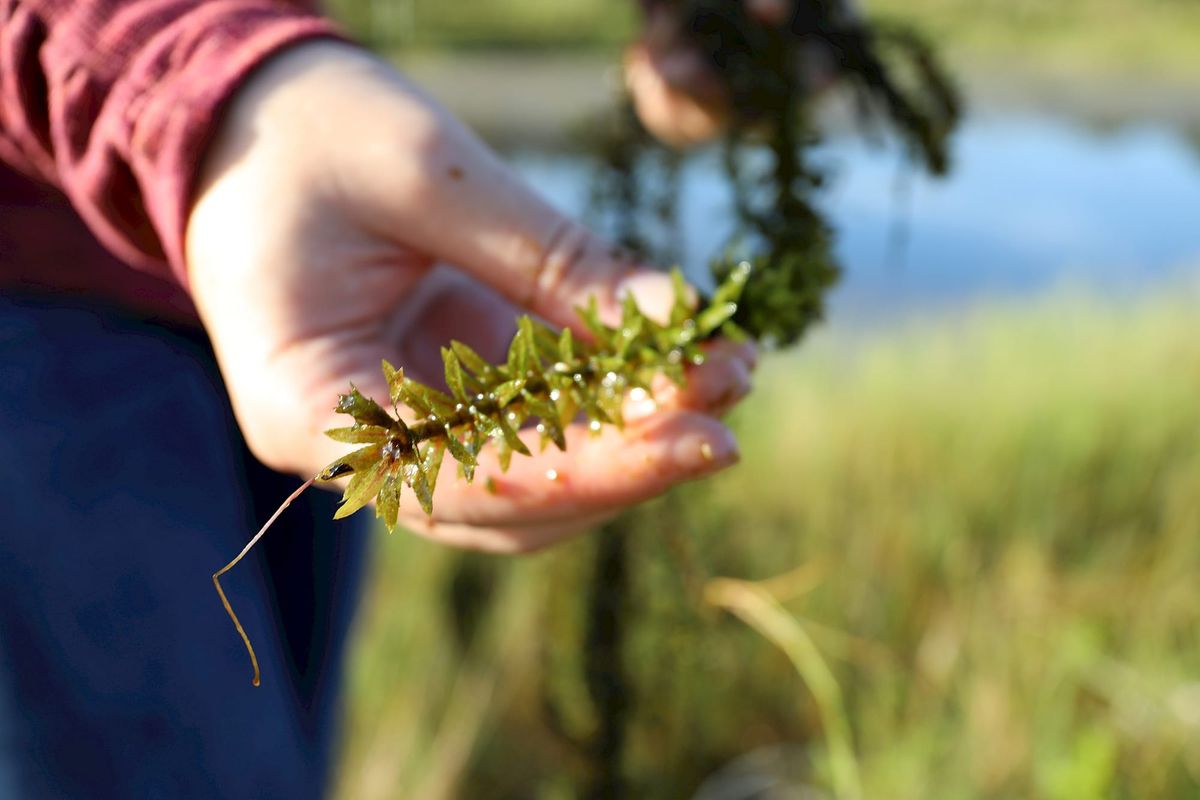
Ohio’s forests, fields, parks, and lakes are valuable environments for wildlife, recreation, and the people who interact with them. But these environments face an ongoing threat from invasive plant species. From plants spreading through forests and wetlands to aquatic vegetation taking over lakes and waterways, invasive plants can alter ecosystems, disrupt recreation, and create challenges that are difficult and costly to manage.
My capstone research, working in partnership with the Ohio Department of Natural Resources (ODNR), explores the issues and situations surrounding invasive plant species and how design might play a role in addressing them. With the help of our direct ODNR contacts, Sustainability Coordinator Heather Bokman, and Clean Marina Coordinator Tracey Coe, I began evaluating the major players in the issue to start building a well-informed view of the situation. Rather than looking at invasive species solely as an environmental problem, my goal was to look at the relationships between the plants, the people who interact with affected environments, and the systems currently used to manage them. This included examining how boaters, hikers, and management experience the problem and where opportunities for intervention could exist.
Survey
To gain a level of context as to how invasive species have been impacting Ohio's parks, I assembled a preliminary survey that was delivered to a list of park managers with the help of Heather and Tracy. While the survey included a decent range of questions on how invasives affected various aspects of the parks and their visitors, some of the responses began creating patterns that revealed productive insight on the issue.
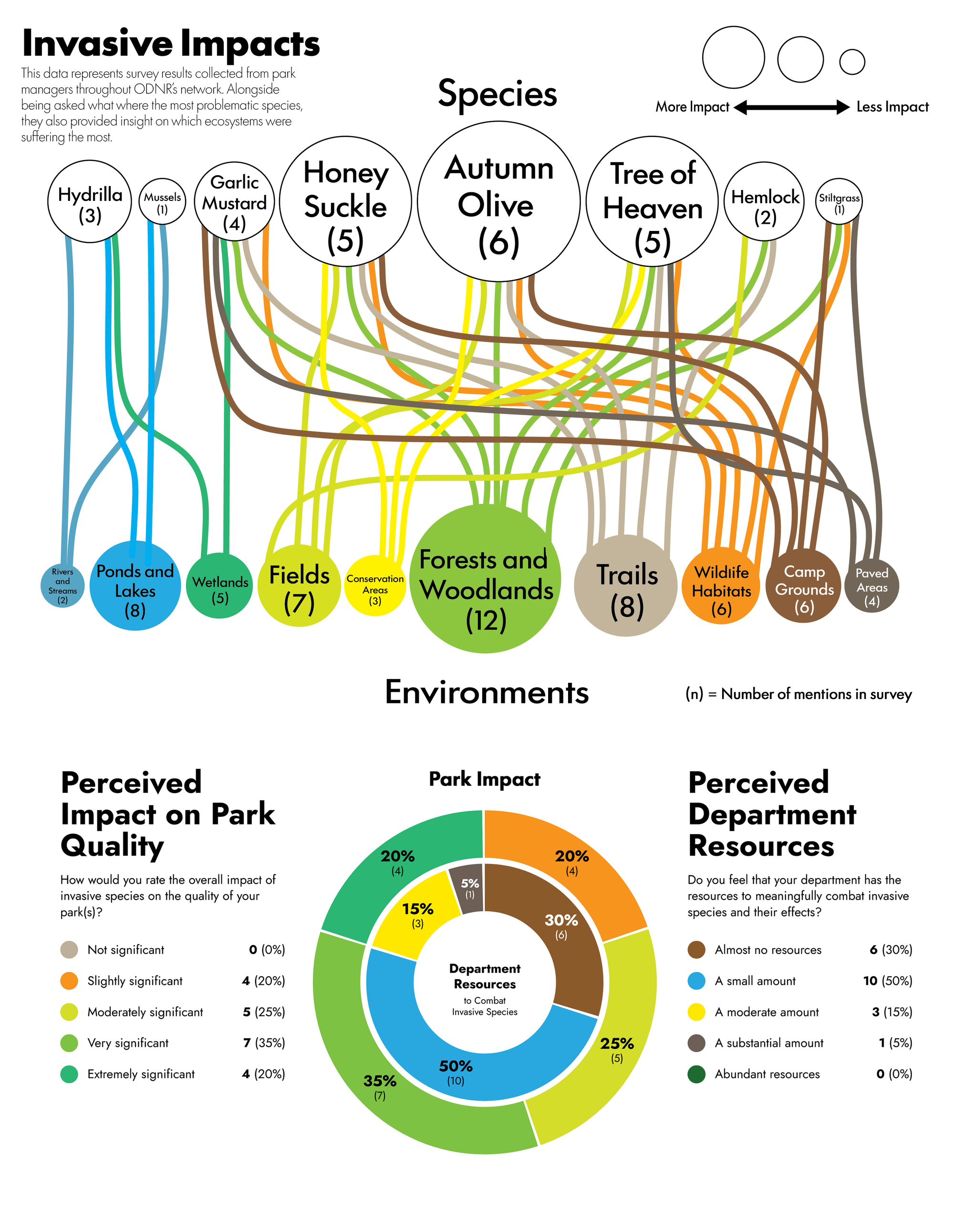
The results began painting a more legible picture of invasive impact across various ecosystems, as well as highlighting some of the major issues the department had with combating these species. Both funding and lack of workforce were reported as the largest obstacles in dealing with these impacts, giving me a valuable lens to look at my research through.
Fieldwork
To start gathering information and build my understanding of the issue, I began my fieldwork. There are two major categories of invasive plants that require attention: aquatic and terrestrial. Based on damage to aquatic infrastructure over the past several years, Hydrilla Verticillata, or hydrilla, is by far the largest threat in terms of aquatic species. To get more firsthand experience through the lens of species control, I attended Alum Creek's annual hydrilla survey in mid-September to see how severe the issues were.
ODNR Hydrilla Survey
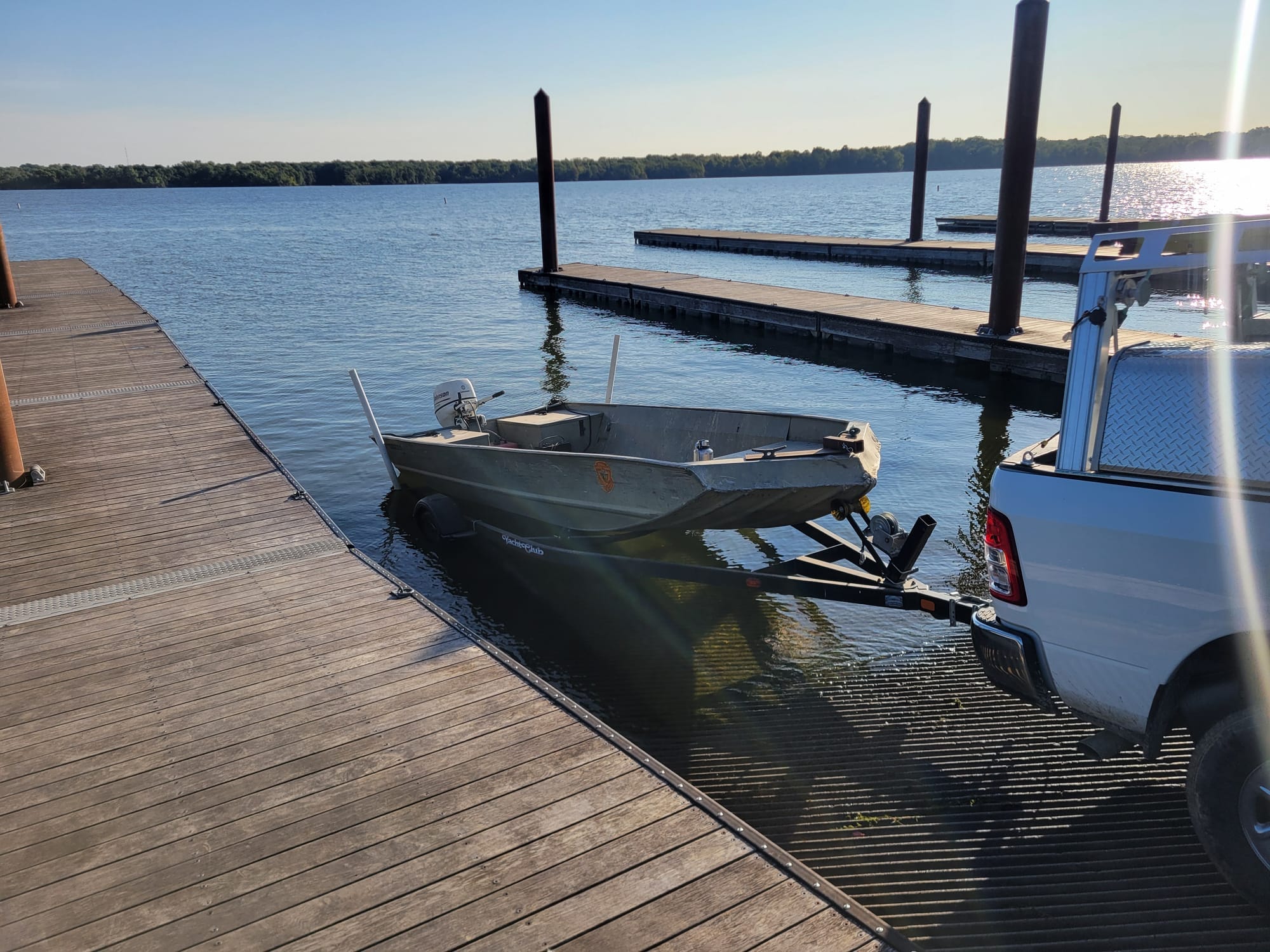
As we surveyed the lake, we actively kept track of the hydrilla severity on a physical map that would later be returned to ODNR for review. What we found was that almost every branch of the lake that turned into a stream or creek had some significant amount of hydrilla infestation. Some areas were worse than others, but it was apparent that the plant had completely proliferated throughout the lake to a point where it would be a permanent issue. An important aspect of hydrilla is the fact that it is a very stubborn species that can regenerate from a ~1 inch piece of stem, making mechanical harvesting as a form of eradication ineffective.
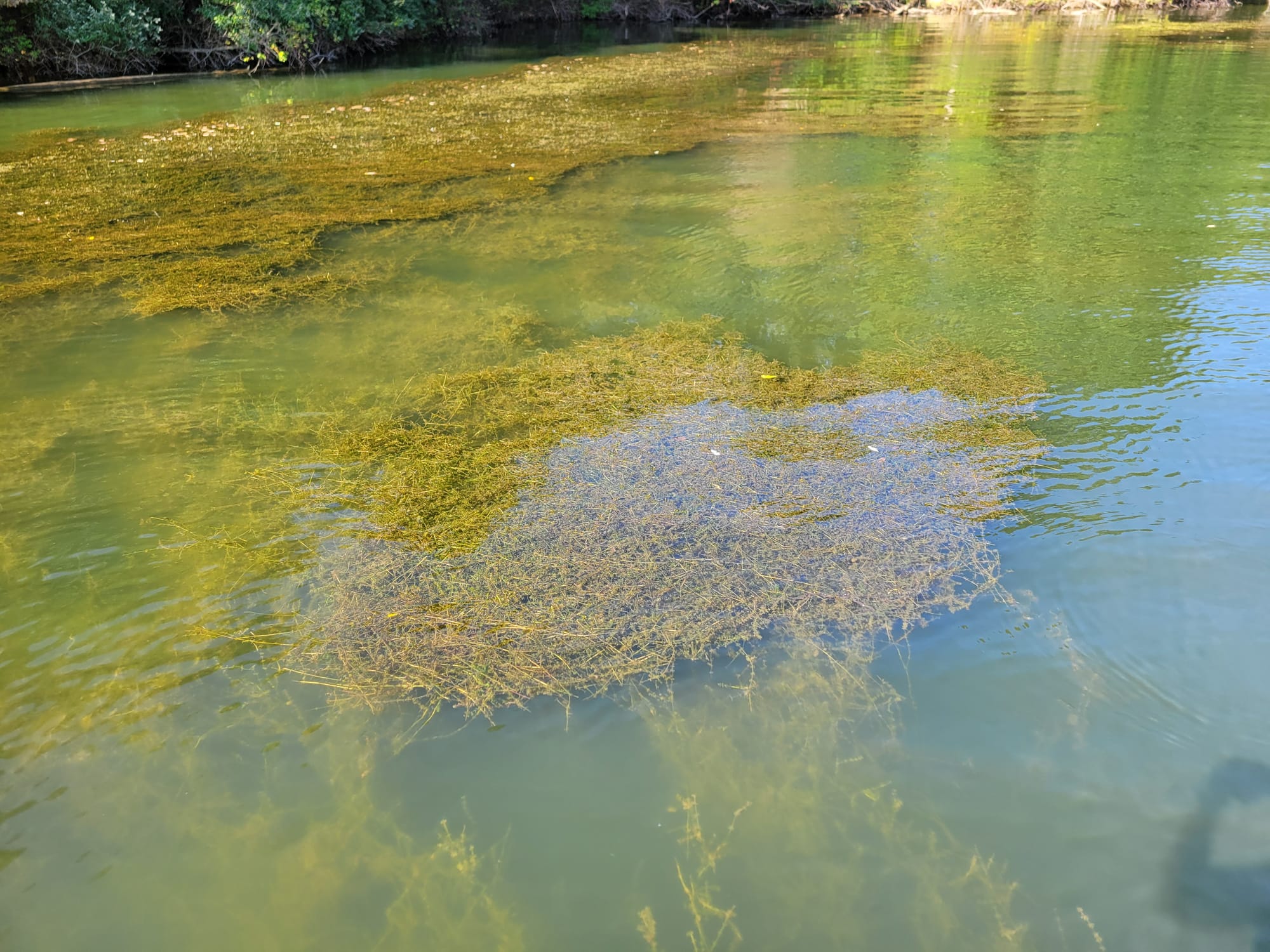
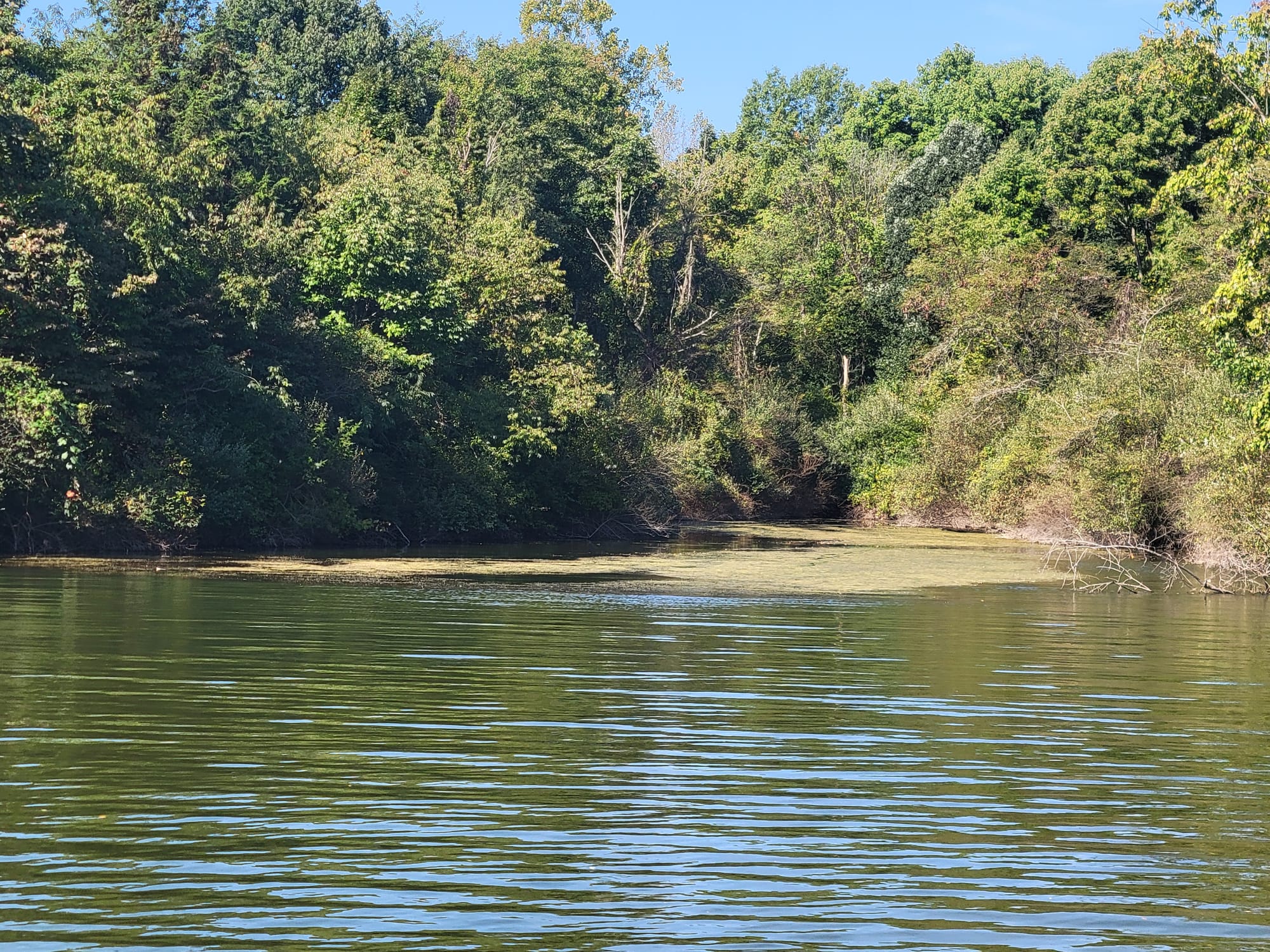
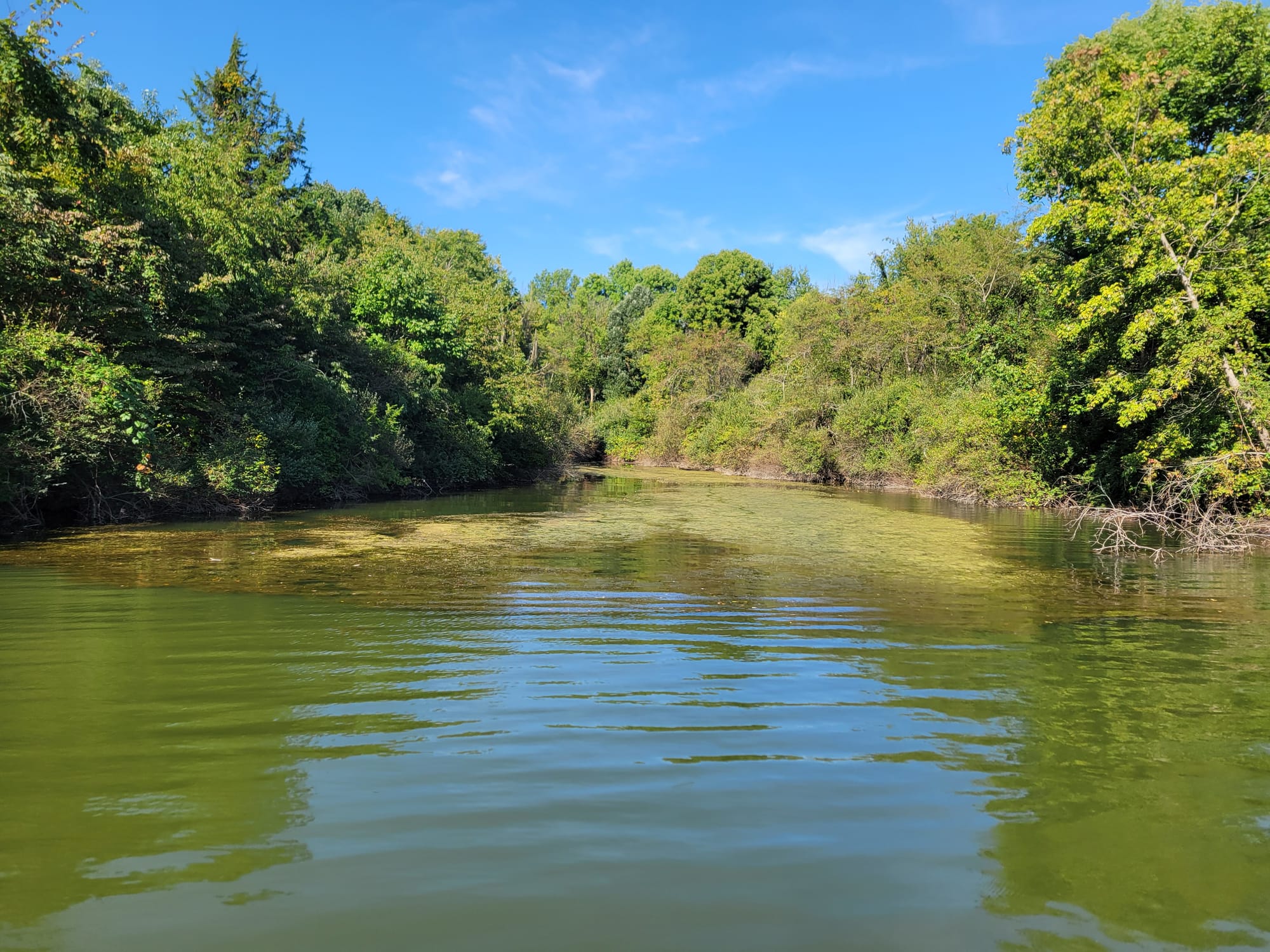
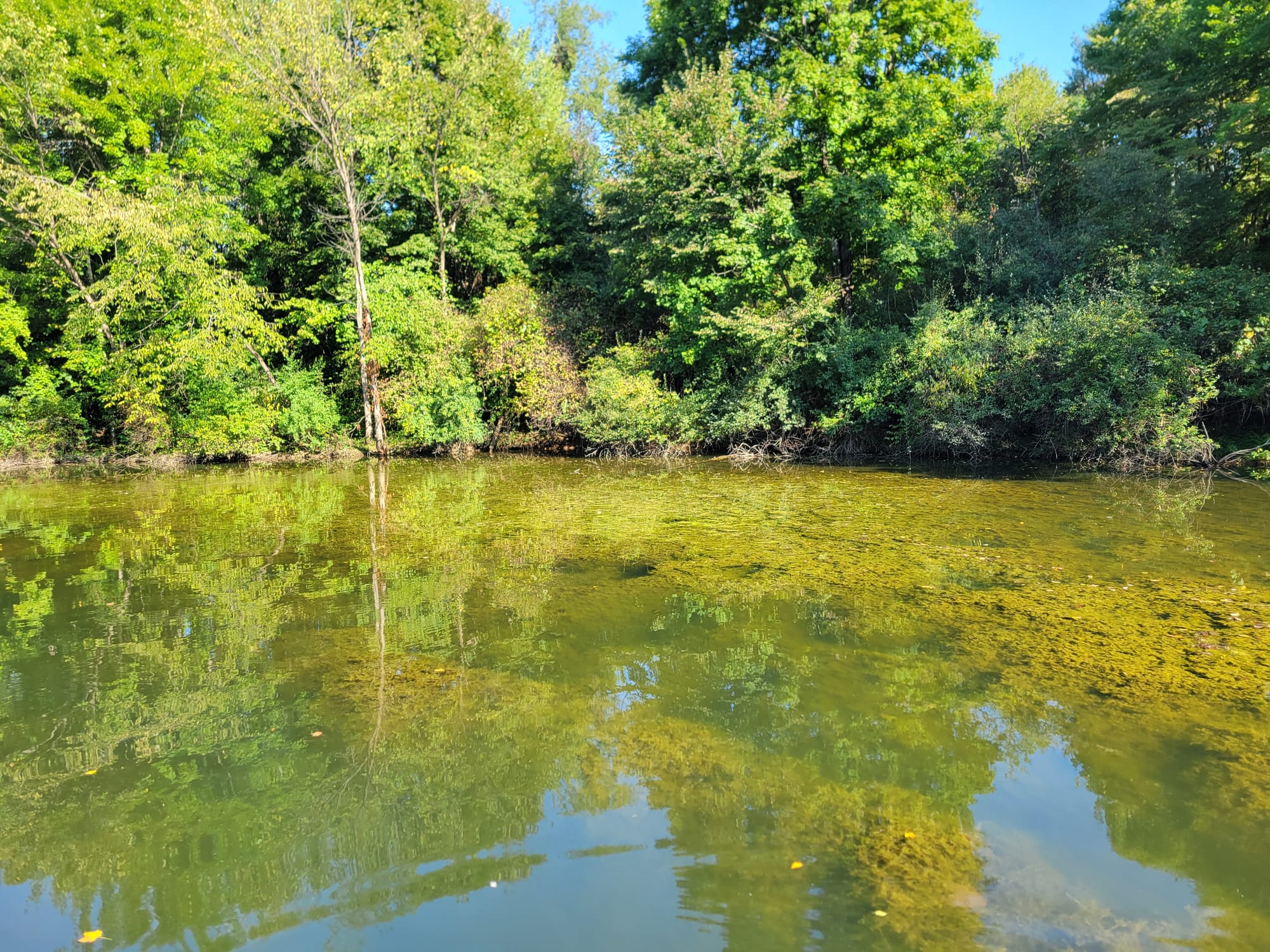
Hydrilla Presence in Alum Creek Lake
With the present level of hydrilla, ODNR's plan for eradicating the weed needed to shift to management. After some more research, this appears to be the case for any infested body of water beyond a certain size. Aquatic herbicides are the most common method for controlling hydrilla in these situations, as mechanical harvesting introduces the chance for fragmentation, increasing the likelihood that the plant will simply multiply from its own debris. Regardless of tactic, various challenges occur with this treatment, such as the price of herbicide, accessibility of heavily infested waters, and general resource availability at the disposal of ODNR.
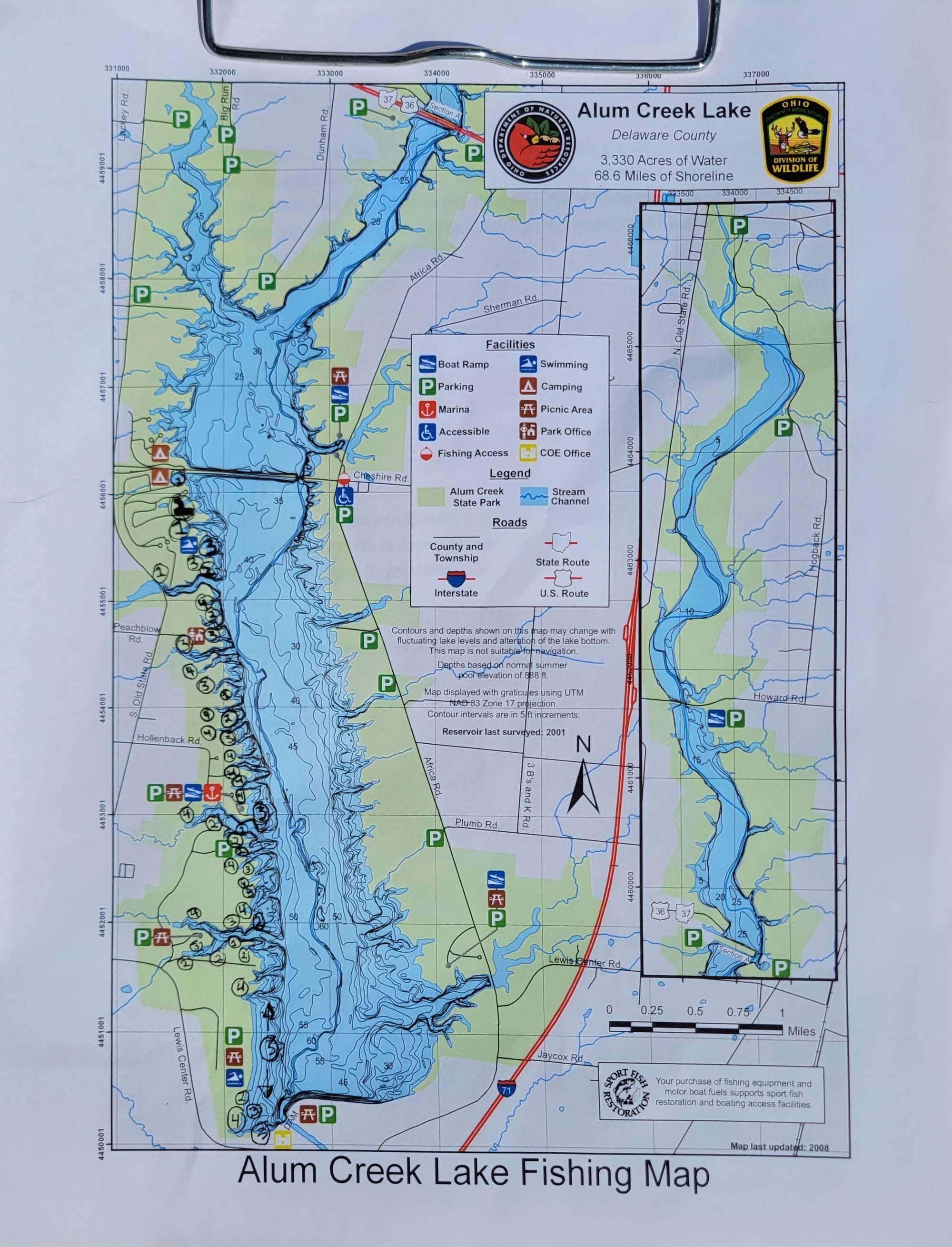
An important sentiment gathered through my survey research is the lack of staffing available for documenting and combating these plants. Funding is another obstacle in the way of remedying these issues, but action can be taken to improve the invasive issue, even if funds are not wholly sufficient. In that way, systems that allow park visitors to "work" for ODNR in an unofficial capacity are a valuable concept in order to help boost productivity that cannot be covered by their current employees.
Citizen Survey App
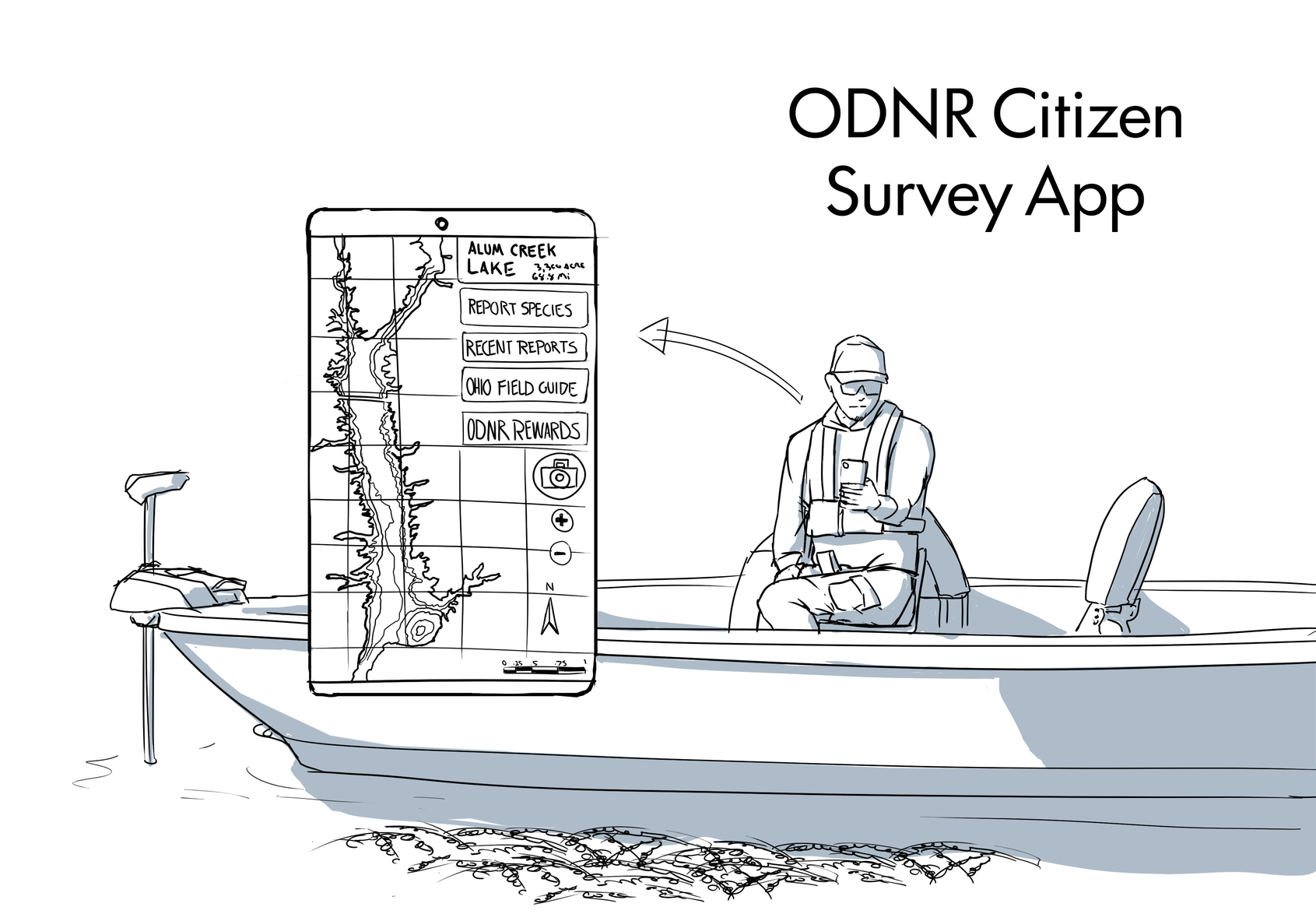
This concept explores the idea of letting park visitors and watercraft users contribute to the efforts of surveying aquatic invasive species. With aquatic species being much harder to track and survey due to them being out in the water, employing the help of local anglers and boaters could greatly benefit this issue. An article from my secondary research, "If you think technology has no place in the national parks, think again" provided some insight on how the utilization of technology in national parks can be a massive benefit to studies and conservation efforts. By using these concepts to combat the lack of workforce within ODNR, I felt like I had uncovered a bountiful area for design opportunity.
Terrestrial Invasives
While hydrilla is a huge problem across the country, I also felt like I needed to explore terrestrial invasive species to get a more complete picture. In my immediate area, I visited O'Shaughnessy Nature Preserve, a park surrounding two lakes branching off of the Scioto River. The area surrounding the water was covered in heavy foliage, making it prime for invasive plants to lurk. While I expected to see a wide variety, one plant was absolutely dominant in the area: Amur Honeysuckle.
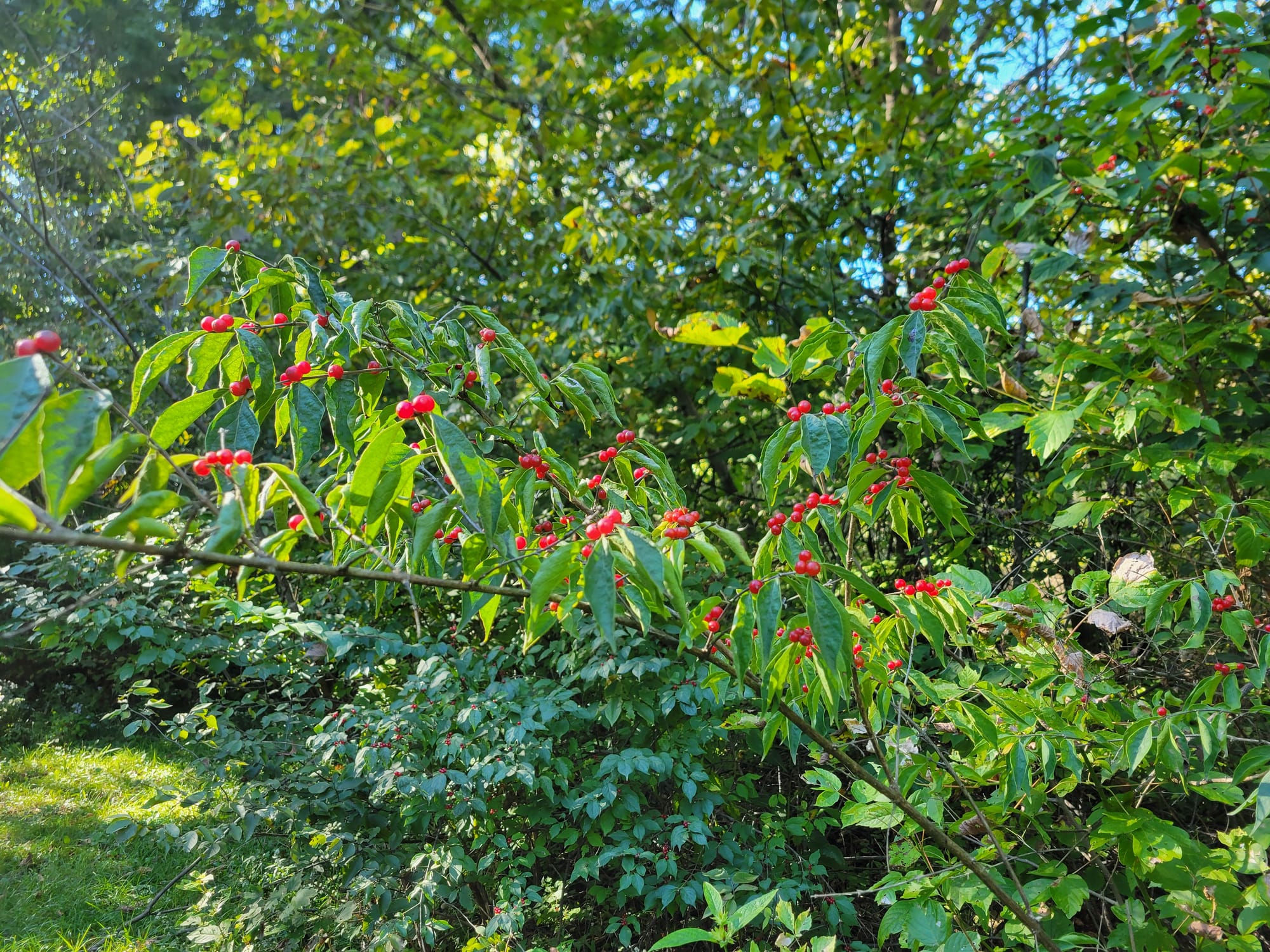
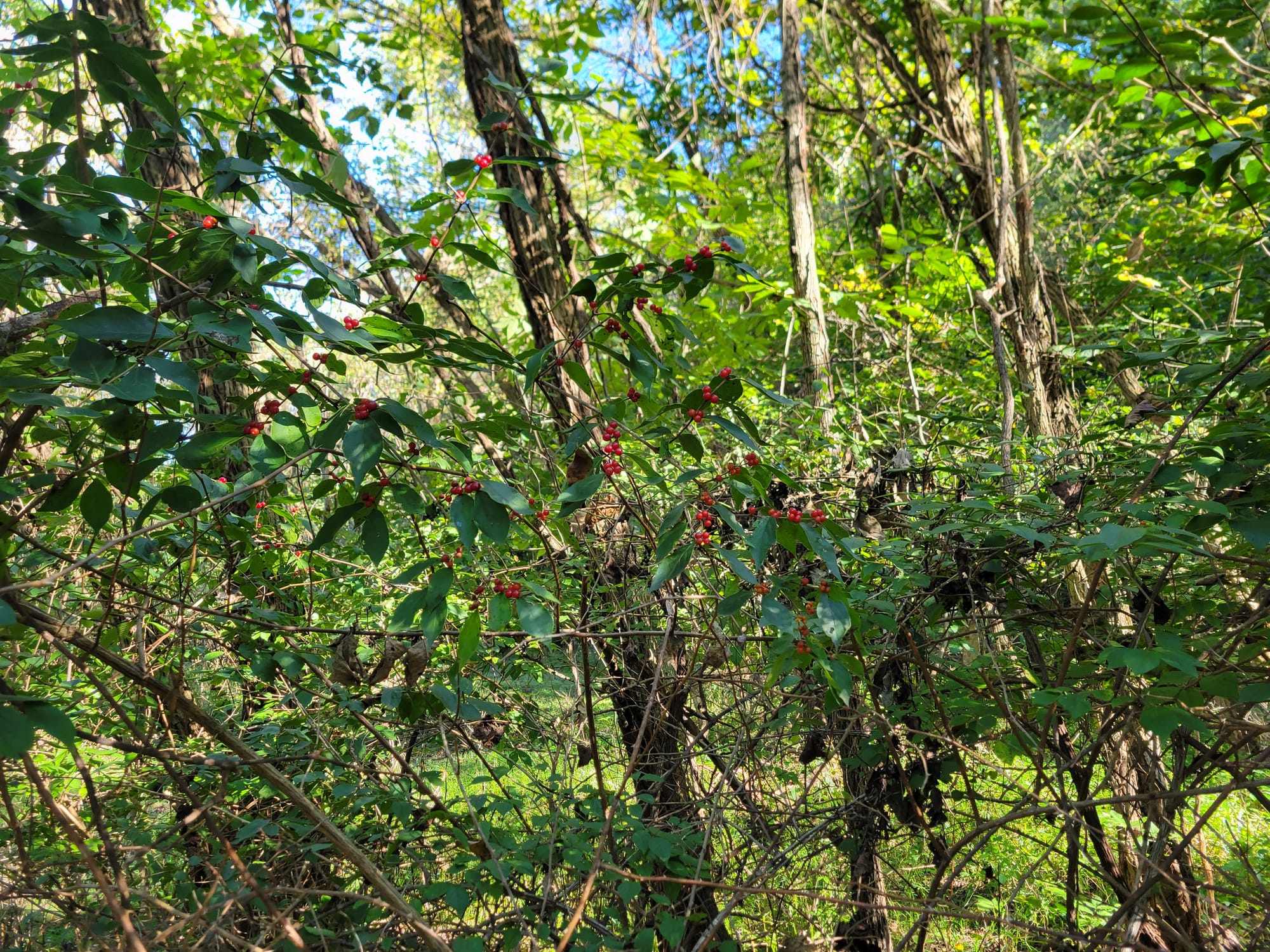
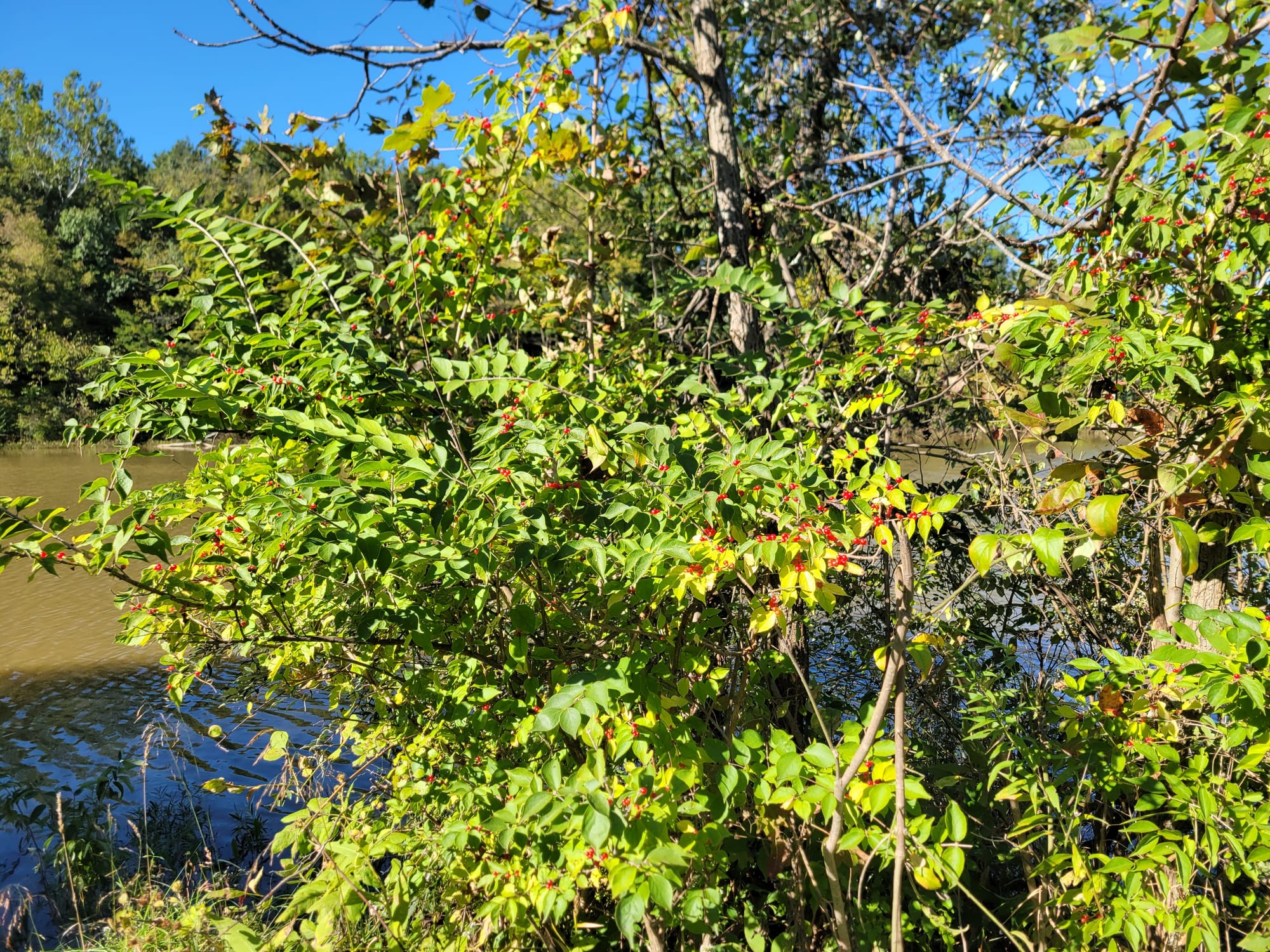
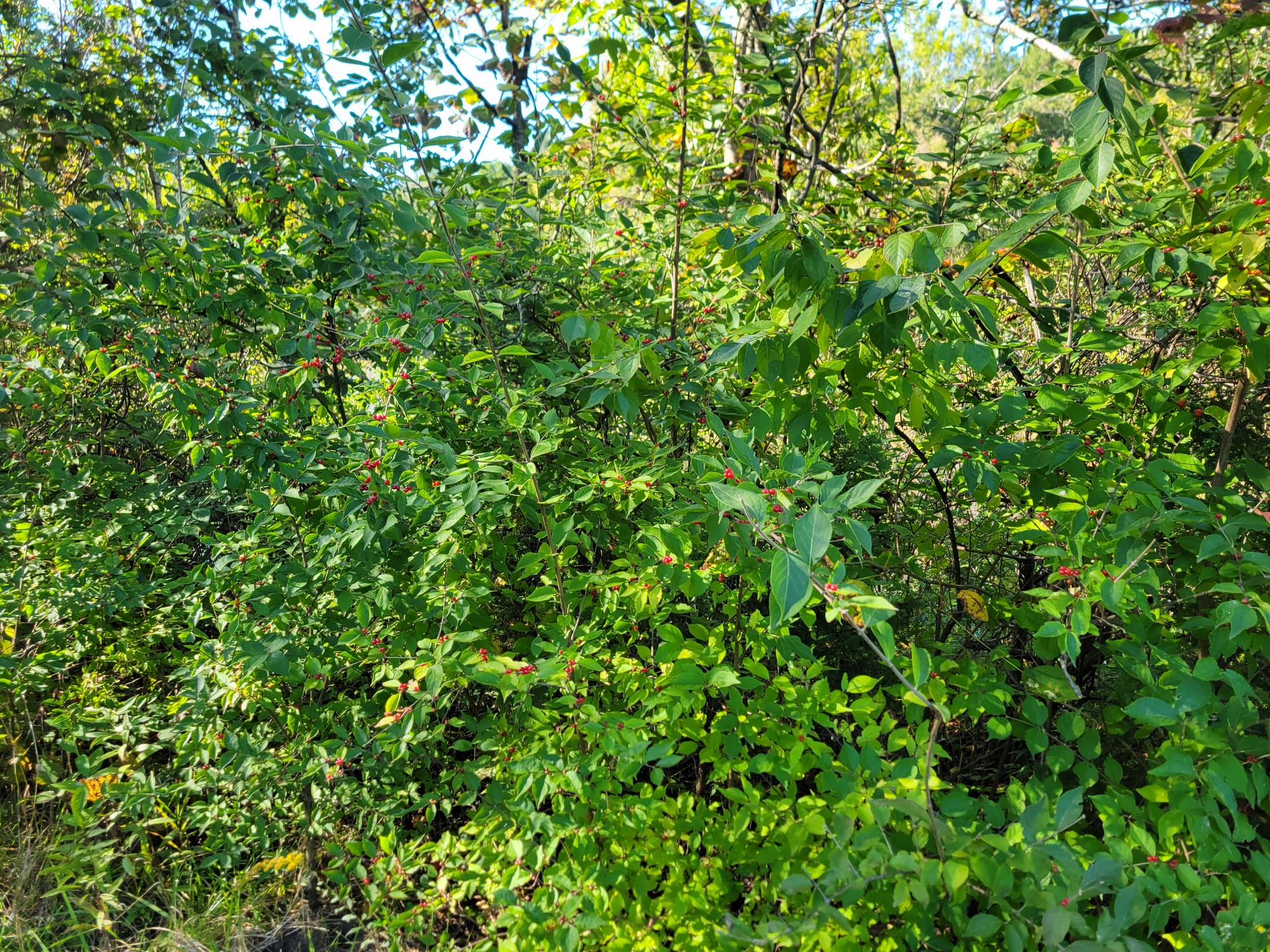
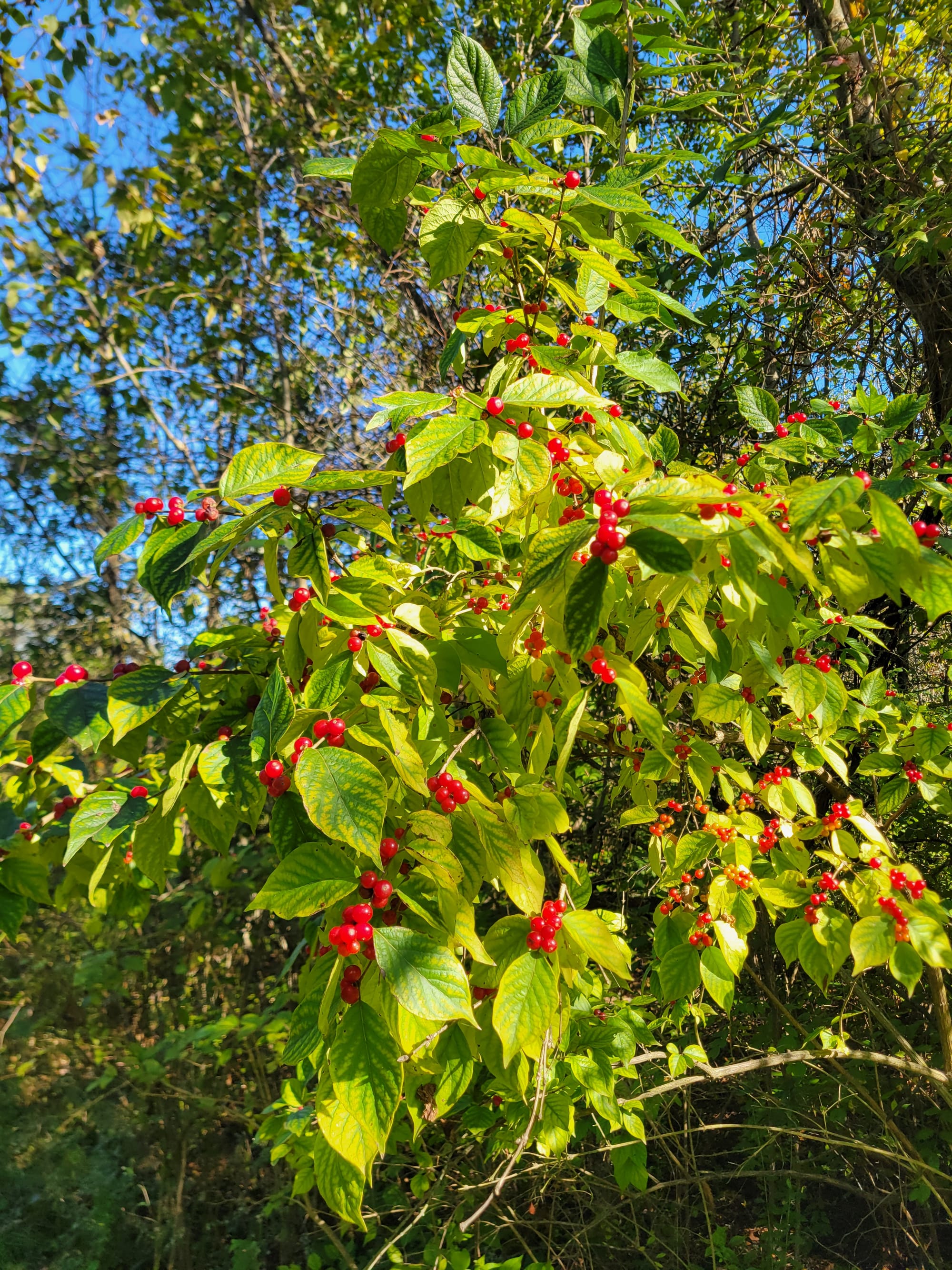
Amur Honeysuckle Presence at O'Shaughnessy Nature Preserve
Further investigating parks in the area, I decided to return to Alum Creek to survey some of the trails as opposed to the water. At first, I had trouble spotting invasive species in the immediate vicinity, but I soon came across some prime examples.
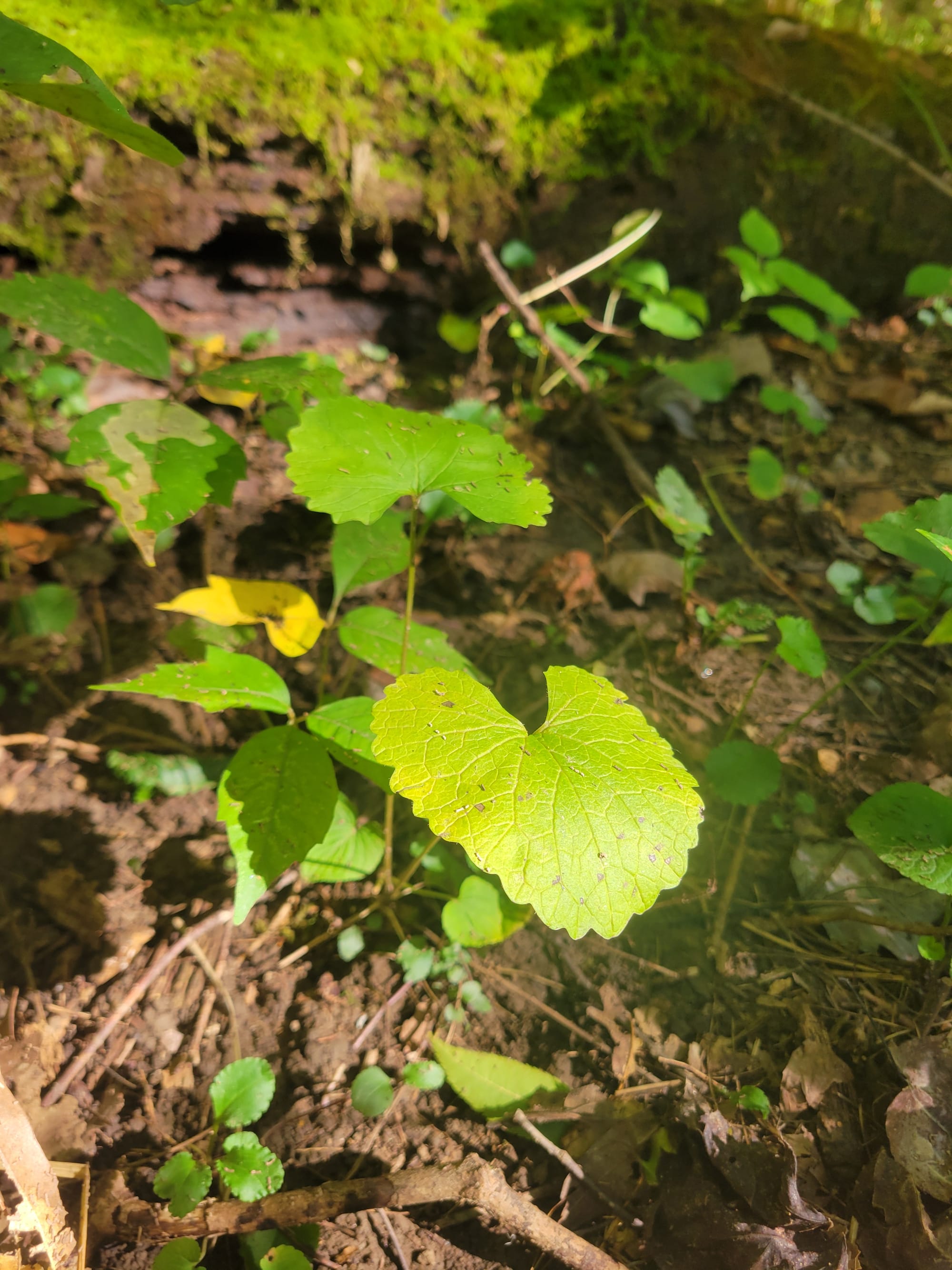
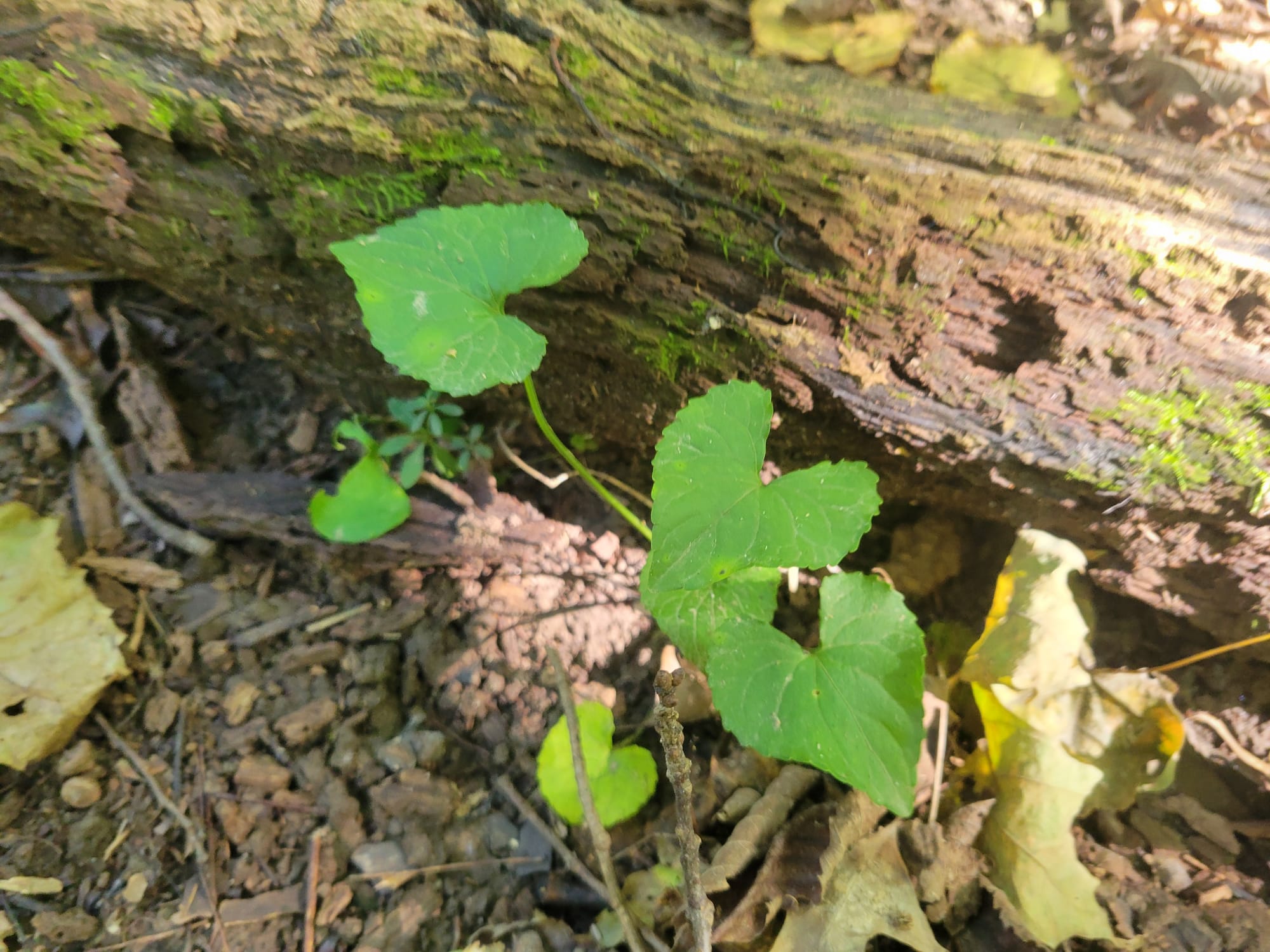
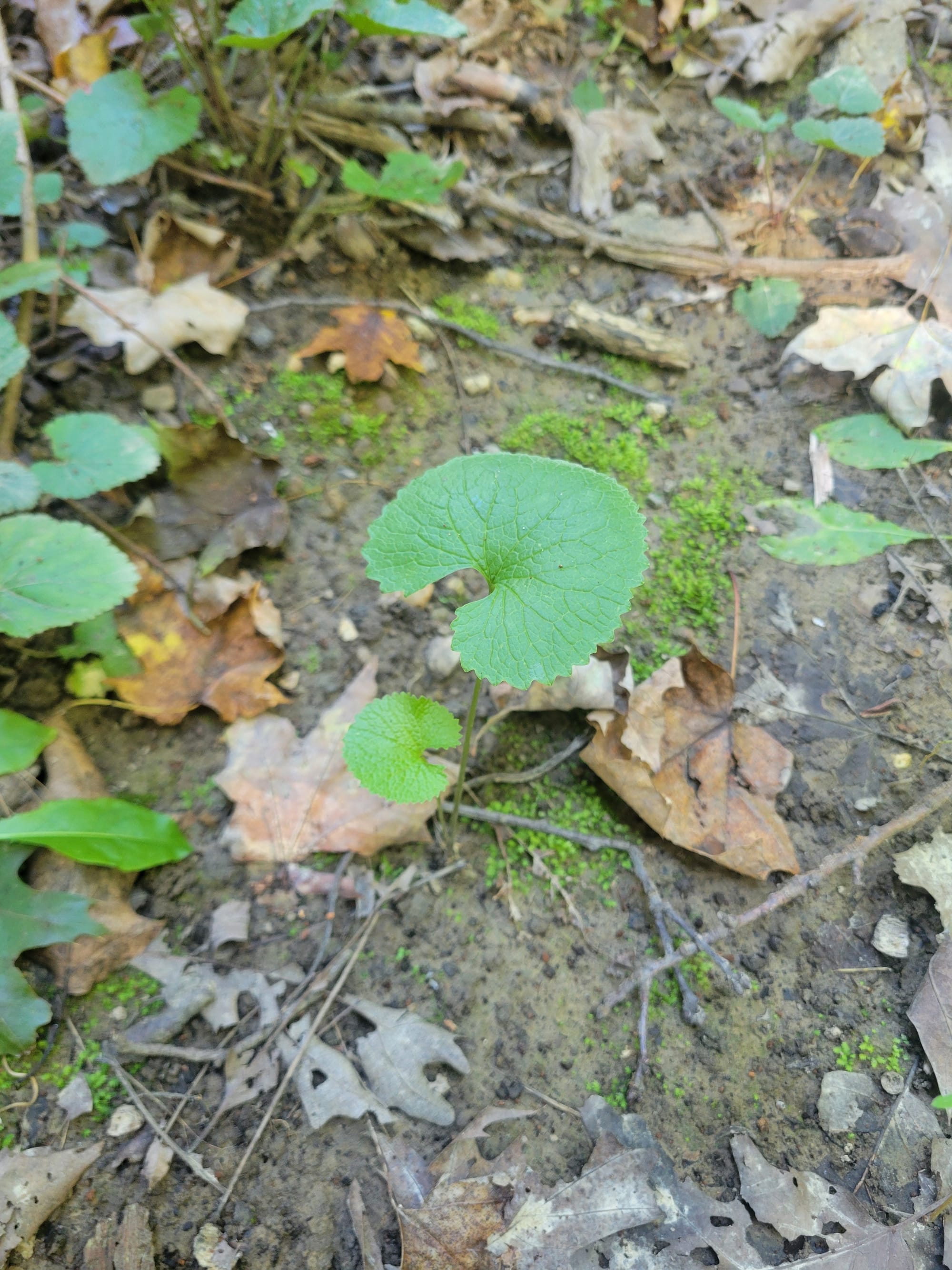
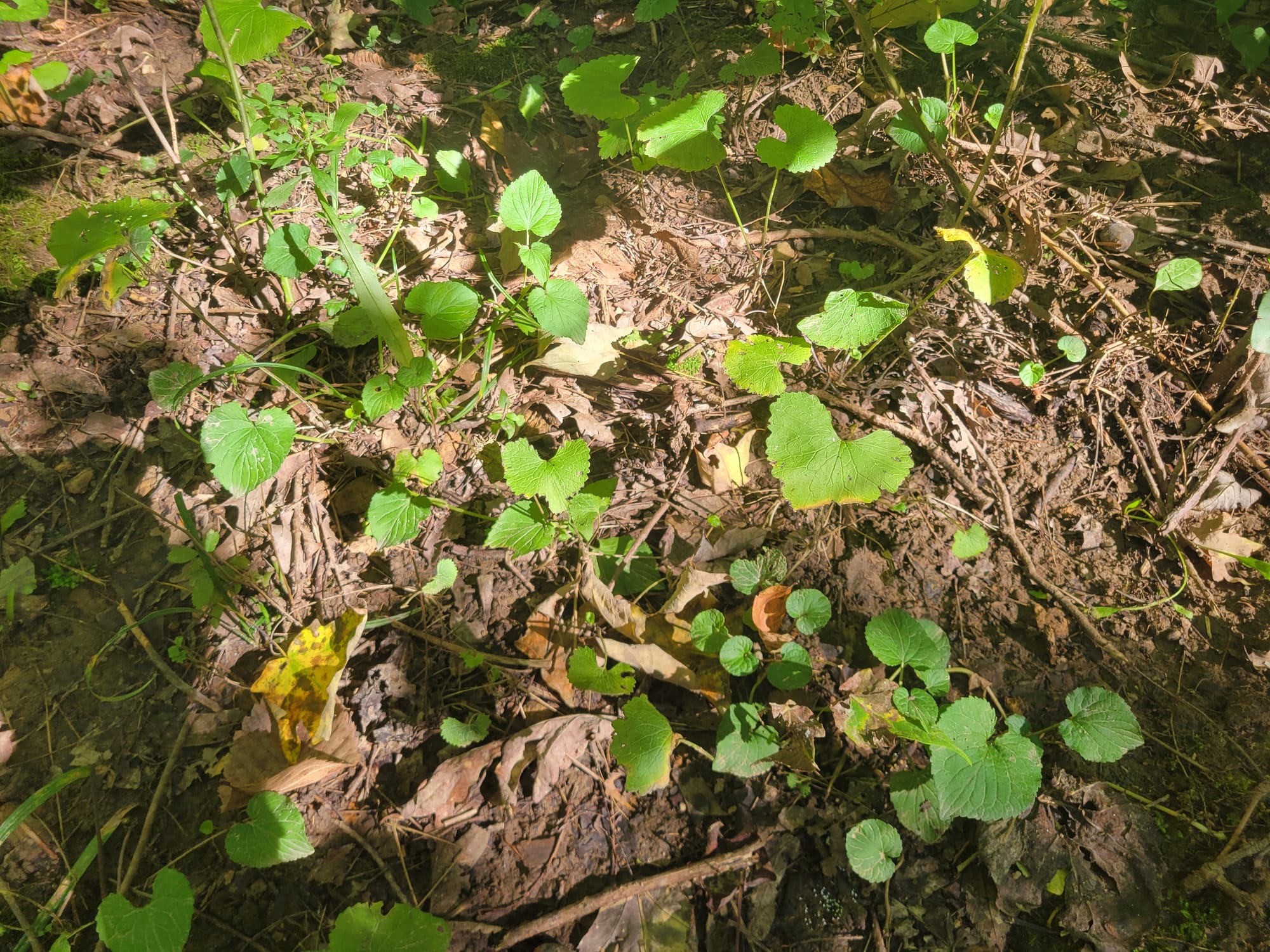
Garlic Mustard Presence on Alum Creek's Mountain Bike Trail
At first, it took me nearly 20 minutes to find one instance of invasive garlic mustard, one of the top reported problem species as per my survey. Unfortunately, the further I walked, the more frequent it became. Soon, I came to a clearing where the forest floor was nearly flooded with these little green plants. This was far from the first time I've seen a situation like this out in the wild, but searching for these plants with the intent to find invasive species made me look at the wilderness through a significantly different lens. This paradigm shift is what fueled my ideation for a new design concept centered around actively informing park visitors about invasive species and how to spot them.
Invasive Insight Concept
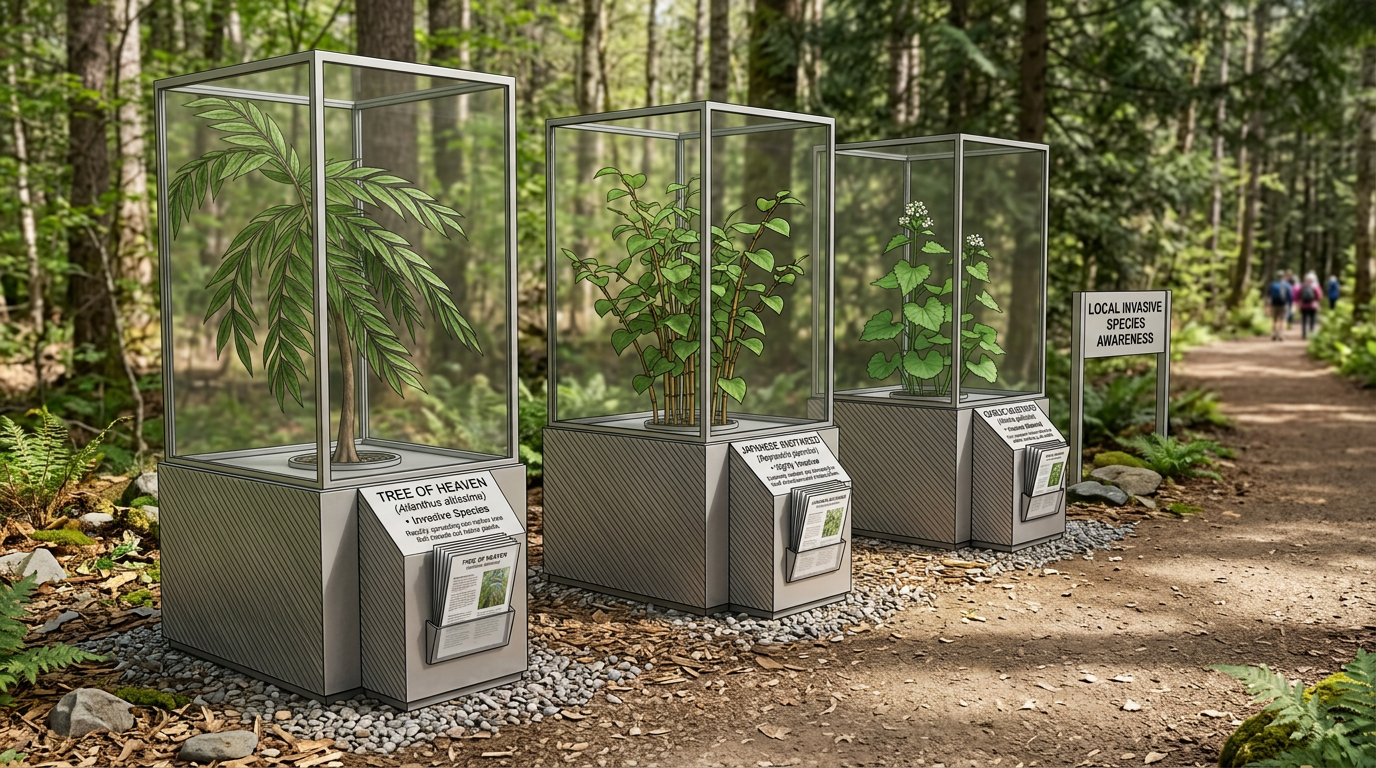
This concept looks at how we can educate the average visitor on invasive species by showing them a detailed model for reference and providing comprehensive information about why and how these species are invasive. By increasing general awareness, there is an opportunity for park visitors to better understand the scale of the situation, what is at risk, and how they can do their part to prevent further spread. While this concept is limited to a physical area, requiring the user to visit a part to initiate interaction with the concept, I believe engaging and digestible information like this is a major component empowering park-goers in the efforts to control the issue of invasives.
In both my survey and my secondary research, I have learned that a significant driving factor for the spread of invasive species and a hindrance to control efforts is the lack of awareness at the individual level. Two articles in my secondary research. "Navigating Public Perceptions: Exploring the Complex Social Dynamics of Invasive Species Management in Public Waters" and "How do gardeners define ‘invasive’? Implications for invasion science and environmental policy instruments on invasive species" both go into greater detail about public education on invasives as important for supporting control efforts and helping people understand the threats and patterns these species present.
Where do we go from here?
Through the data I have collected and the research I've digested, the situation surrounding invasive species is overwhelming, to say the least. There is much room for design thinking and application when it comes to solving these issues, but proper scope and careful consideration are necessary for assembling a well designed solution.
When it comes to framing the problem, one aspect that I know must be addressed is the involvement of park visitors in the effort to control invasives. The issue is too large, and ODNR does not have the personnel to take on these species all by themselves. One of my primary goals for this project is to utilize the participation of guests to help bridge the gap in the department's workforce.
Another aspect that has massive potential in this area is emerging technology and how it is reshaping the way environmental management can be administered. Through drones, satellites, apps, and data processing, ecologists are more productive than ever, and finding new ways to employ this tech is key to creating a maximum positive impact. Because of this, I also want to focus on how we can bring technology into the solution as a way to increase the efficiency of control efforts, and potentially put that power in the hands of visitors wanting to help maintain Ohio's parks.
References
Urry, A. (2021, April 7). If you think technology has no place in the national parks, think again. Grist. https://grist.org/business-technology/if-you-think-technology-has-no-place-in-the-national-parks-think-again/
Jones, T. S. (2024, January 3). How do gardeners define “invasive”? implications for invasion science and environmental policy instruments on invasive species. Science Direct. https://www.sciencedirect.com/science/article/pii/S1462901123002630
Heinzmann, A. (2024, October 7). FE1159/fe1159: Navigating public perceptions: Exploring the complex social dynamics of Invasive Species Management in public waters. Ask IFAS - Powered by EDIS. https://ask.ifas.ufl.edu/publication/FE1159?
Vizcom. (2026). Vizcom (Sketch-to-render AI tool) [Image generation software]. https://www.vizcom.com



