
The Technological Disconnect

Introduction
Family experiences have been ever changing with the advancement of technology overtime. Technology has its pros and cons, as it has created a more connected family experience, but it has also torn families apart as individuals are glued to their screens. Through design, there is an opportunity to create a more connected experience for families. This idea can be implemented in settings for families, including the cabin of family's cars.
Problem Areas
Primary Research, Interviews
I conducted four interviews over the phone to gather a greater understanding of how families interact in a car setting and a home setting. Below are two of the eleven questions I asked the individuals in the interview. Here is how they responded:
What is the biggest challenge you experience when playing with your child or children at home?
“Just spending more face-to-face time. [Ther are] lots of screens [and it is] hard to get the one on one on time together without electronics. Finding time without electronics,” (Ron T., 2026).
“Trying to get them off them off their phone,” (Christin T., 2026).
“[I] get distracted so much with business [I] lose track of important things. We have structured family times, at dinner or go out sometime. Discipline about connections as a family, [but we get] sucked in own worlds,” (Justin S., 2026).
Imagine you are taking a seven-hour road trip across the United States with your family. What activities would you consider essential for keeping both you and your children entertained and connected during a car trip?
"Three items [include an] iPad (for each kid)," (Rachel B., 2026).
“A place to eat our meals [and] being able to just talk to each other,” (Christine T., 2026).
"iPads, we give the kids a heads up to have shows and movies you want have to downloaded. If they do not download or forget, they just jump on hot spot. Devices are really important," (Justin S., 2026).
Secondary Research
In addition to the primary research I conducted, I also conducted secondary research through resources online and my own experiences out in public.
"Despite challenges, technology can strengthen family relationships when used as a tool for education, connection, and shared experiences," (Salazar, 2025).
"By setting healthy boundaries, prioritizing real-life connections, and using tech as a tool for togetherness, families can create a balanced digital lifestyle," (Salazar, 2025).
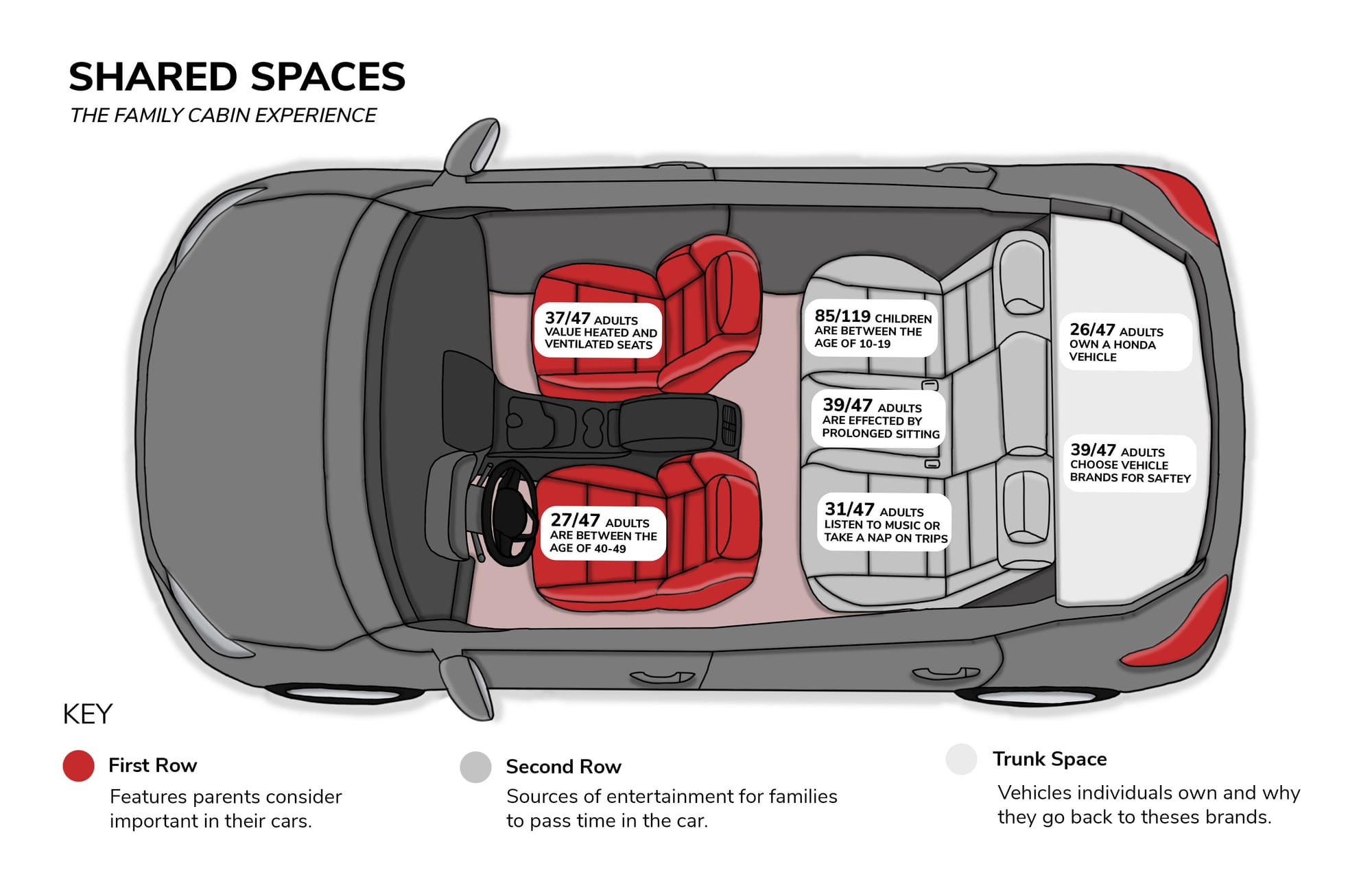
At the conclusion of my research, I noticed there was a disconnect amongst for screens and against screens. Through my primary research, I found a recurring trend regarding families having an issue with the amount of screen time their children had. Although it is ultimately up to the user to regulate their own screen time, being of adolescent age creates an additional barrier for a user to determine an optimal stopping point. In addition, parents can only intervene so much with the management of their child's screen time before it becomes a problem. In turn, this problem can create a disconnect amongst family members due to the presence of technology in shared spaces. In the Shared Spaces, The Family Cabin Experience Data Visualization shown above, none of my participants mentioned screen time as being an activity of entertainment on long family road trips. Rather, there were other outlets of entertainment for passengers, including taking a nap or listening to music on the car radio.
Through my primary and secondary research, I found opportunities to promote the use of technology while simply limiting it. One individual I interviewed mentioned iPads being an important aspect of a long car ride, while another individual mentioned devices were very important. From an article How Technology Impacts Family Relationships, families can create a digital balance of real-life connections and technology (Salazar, 2025). In turn, design can be used to promote technology as a source of connection amongst family members in the car.
Stakeholders Impacted
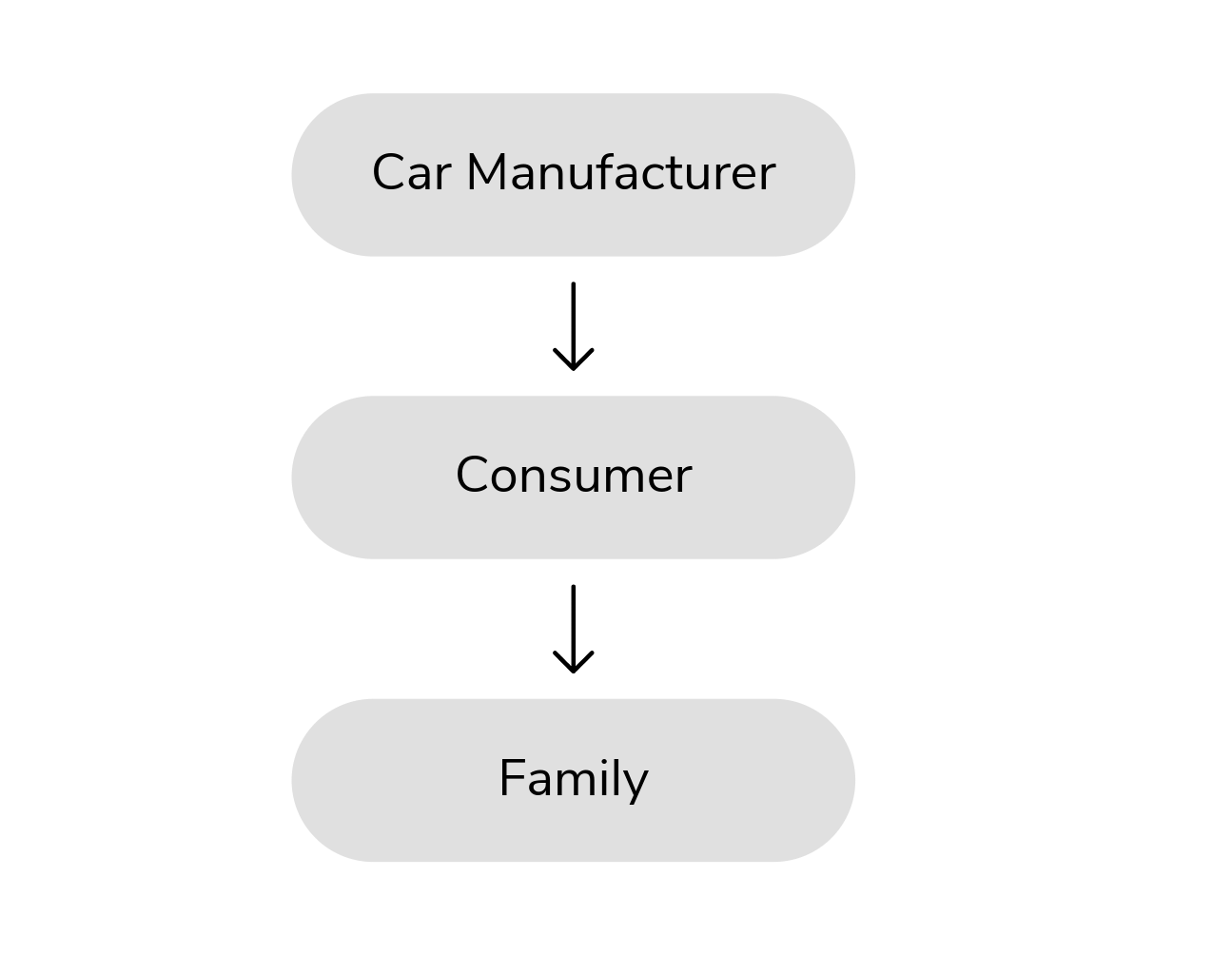
The individuals affected by these problems include a few groups of people. In the beginning of the design process, car manufacturers are the starting point as they are the individuals who are making decisions about what is included in the car on behalf of their client. From there, the consumer is the following stakeholder because they have the purchasing power on behalf of their family; choosing the car that fits their family needs the best. Once the consumer decides the car they are going to purchase, themselves and their families are directly impacted as they are the primary users.
Areas of Opportunity
Based on the primary and secondary research I have conducted, I am proposing two areas of opportunity regarding shared spaces in cars to be further explored through design. The first option is to create a design that allows for increased face-to-face connection and decreased screen time in the car. The second option is to create a design that promotes technology as a source of connection amongst family members in the car. Although both of these options contradict one another, I am confident these are areas that can be explored through design. In addition to my research, I designed two concepts to tackle these areas of opportunity problems.
Conceptual Response to Decreased Screen Time
Porta-Cool
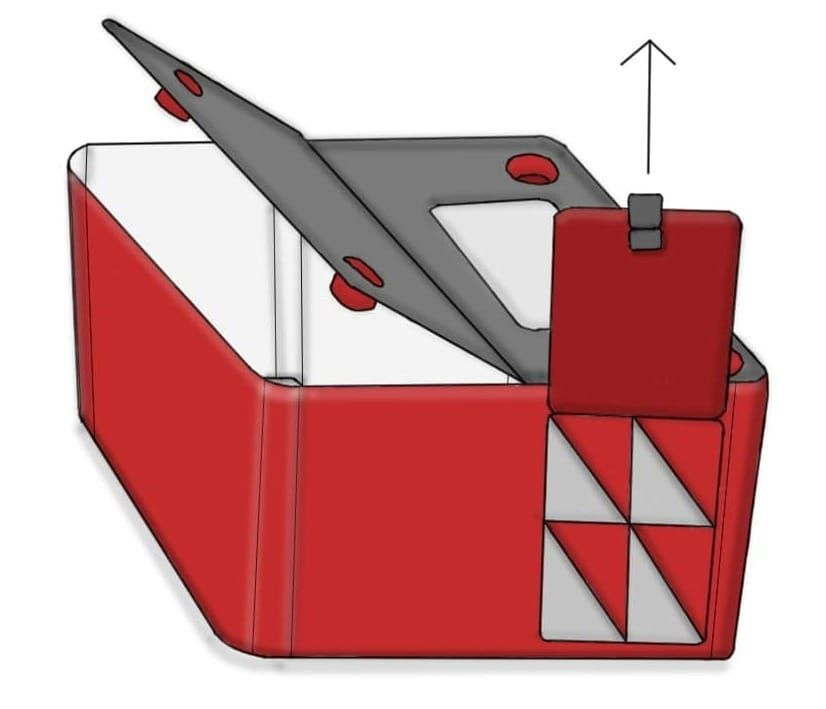
The Porta-Cool is a concept I designed in response to self-driving cars becoming a popular commodity amongst the public (Xu, 2021). The primary goal of this design is to decrease screen time and increase face-to-face time amongst passengers. The Porta-Cool is a small cooler and eating area for families on the go. This product includes a cooler, a removable cutting board, a tabletop to eat food on, built-in storage, and cupholders wide enough for all water bottle shapes (Busi, 2026).
Conceptual Response to Increased Screen Time
Sun Gaze
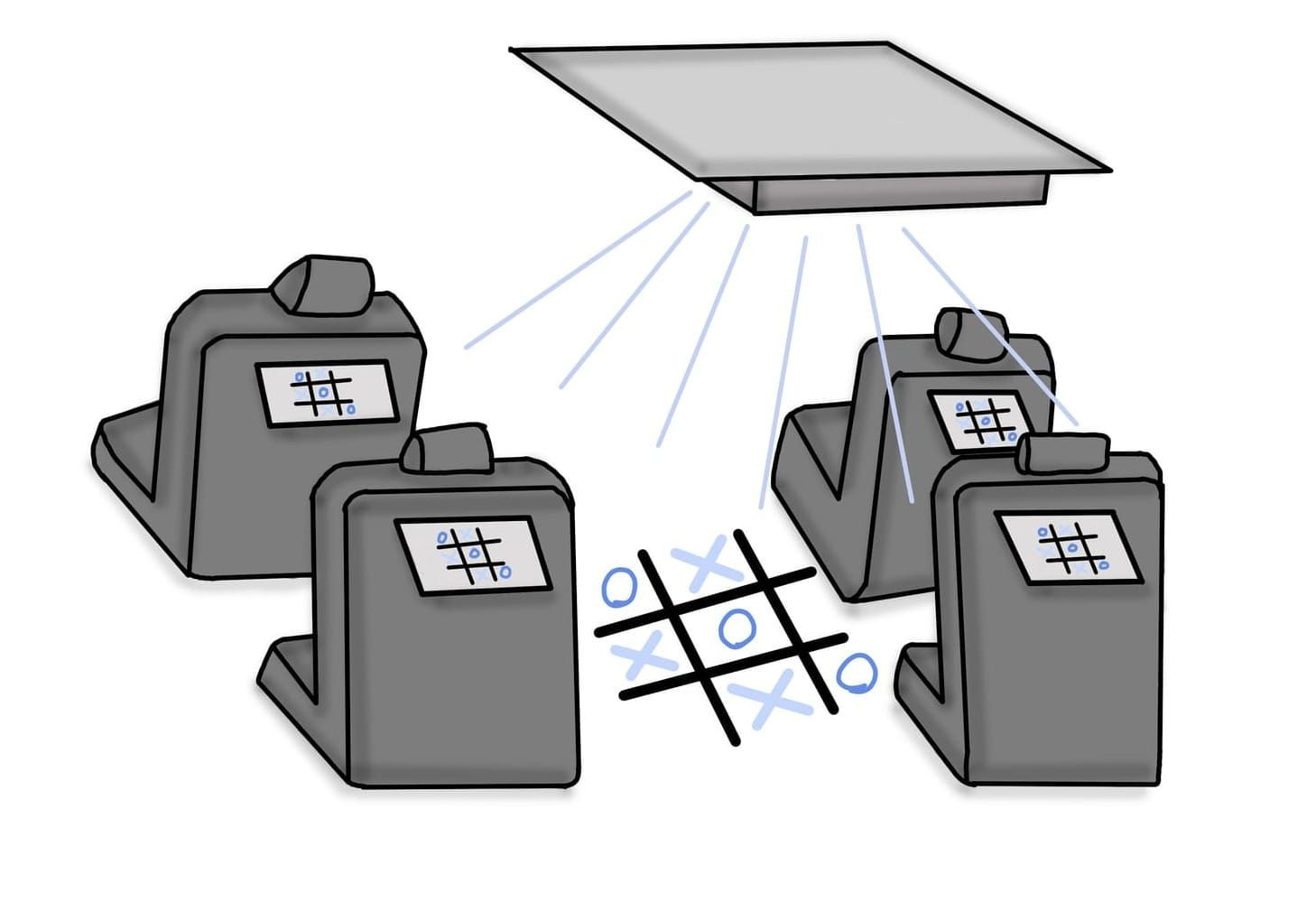
The Sun Gaze is a concept I designed in response to the increasing number of sunroofs randomly breaking in cars across many brands (Felton, 2026). The primary goal of this design is in response to the promotion of screen time through technology. The Sun Gaze is a reimagined projector that replaces the average sunroof in a car. The tablet that coincides with the projector is attached the rear of the passenger seats. This allows users to detach the tablets and partake in real-time activities amongst other passengers in the car (Busi, 2026).
Conclusion
Technology has changed our world at a faster rate than anyone could have expected. As designers, it is up to use to determine how to create a more connected cabin experience for families in the car. Is it through the implementation of technology, or not?
References
Busi, A. (2026, September 23). Design Conjecture Two, Sun Gaze. Capstone News. https://capstone-news.ghost.io/dsun-gaze/
Busi, A. (2026, September 23). Design Conjecture Four, Porta-Cool. Capstone News. https://capstone-news.ghost.io/design-co/
Busi, A. (2026, September 23). Primary Research Method One, Interviews. Capstone News. https://capstone-news.ghost.io/primary-research-interviews-2/
Busi, A. (2026, September 23). Shared Spaces, The Family Cabin Experience. Capstone News. https://capstone-news.ghost.io/numbers-9/
Felton, R. (2026, August 30). Car Sunroofs Keep ‘Spontaneously’ Exploding—and the Problem Is Getting Worse. The Wall Street Journal. https://www.wsj.com/business/autos/car-sunroofs-keep-spontaneously-explodingand-the-problem-is-getting-worse-b197d466
Prostockstudio. (2023, August 5). Family enjoying a car ride with mother holding a phone and child smiling in the back. Dreamstime. https://www.dreamstime.com/family-enjoying-car-ride-mother-holding-phone-child-smiling-back-cheerful-enjoys-smartphone-father-driving-their-image296416845
Salazar, S. (2025, February 7). The Impact of Technology on Family Relationships. Our Family Lifestyle. https://www.ourfamilylifestyle.com/impact-of-technology-on-family-relationships/
Xu, S., Shi, C., & Pinyan, T. (2021). Shaping driver-vehicle interaction in autonomous vehicles: How the new in-vehicle systems match the human needs. Applied Ergonomics, 90, 103238. https://doi.org/10.1016/j.apergo.2020.103238



