
Op-Ed | Overcoming Medical Isolation in Remote and Rural Communities

Overview
Ask someone in an urban city to rate the inconvenience of their last doctor’s visit on a scale of 1 to 10, and they might complain about wait times or parking. Ask someone in a rural county, and the answer may be vastly different with complaints like miles and miles of travel or unwanted large bills they can't afford. In rural communities, the distance between a patient and a doctor boils into overdue check-ups, unaffordable ambulance rides, and diseases that grew for years before anyone noticed.
Healthcare in rural environments has been challenging as people ration, delay, or replace with whatever is within reach in avoidance of a bill, a long drive, or overall disbelief in the system. The more medical issues are avoided, the more exacerbated they become. How can we overcome geographical, financial, and cultural factors through the use of automated and assistive design to make healthcare accessible to these remote places?
"The bitter paradox of rural healthcare is that in the places where it's needed most, there is very little of it. It's been that way for a long, long time" - Sarah Reardon (Reardon, 2022).
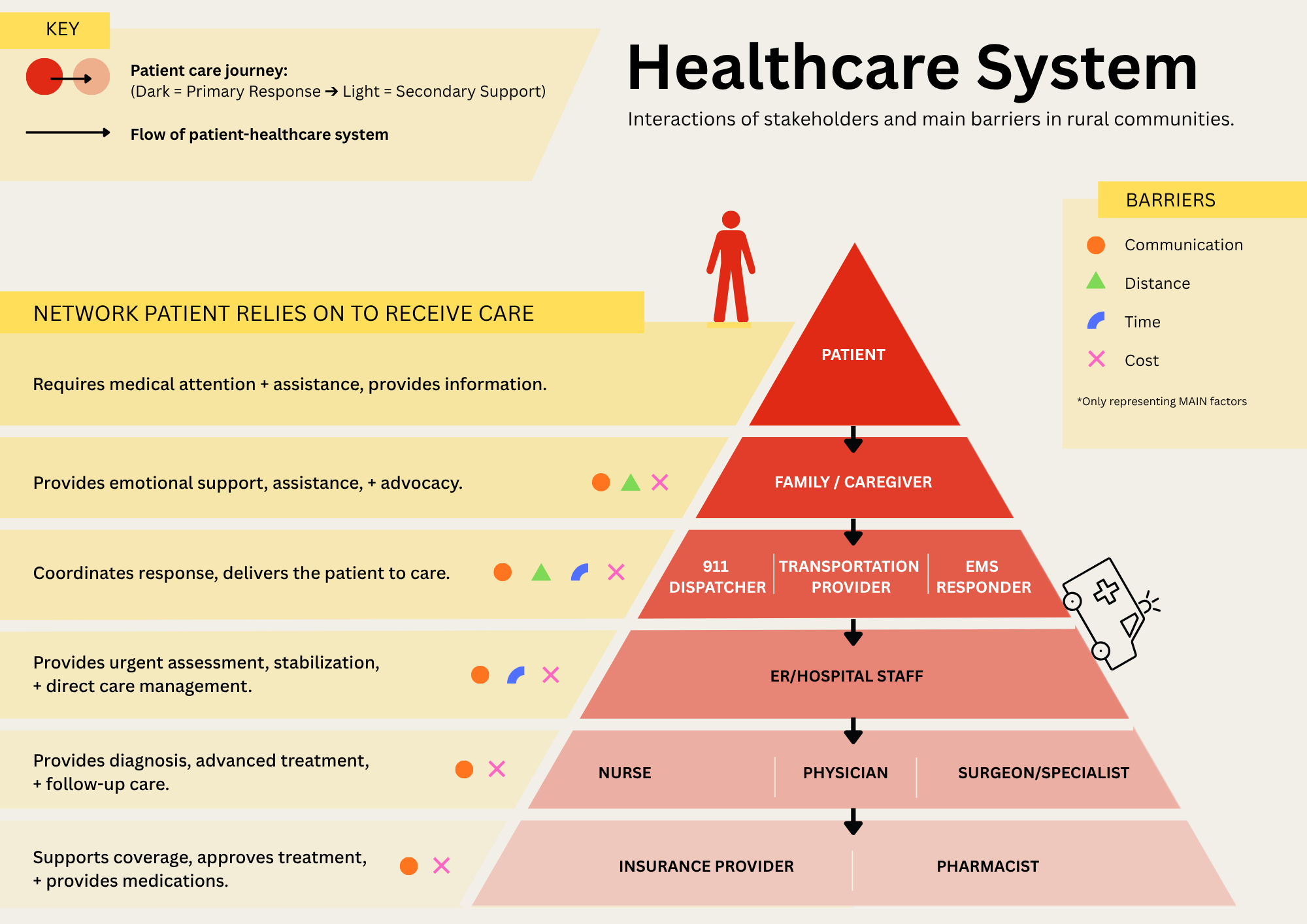
Talking to the People
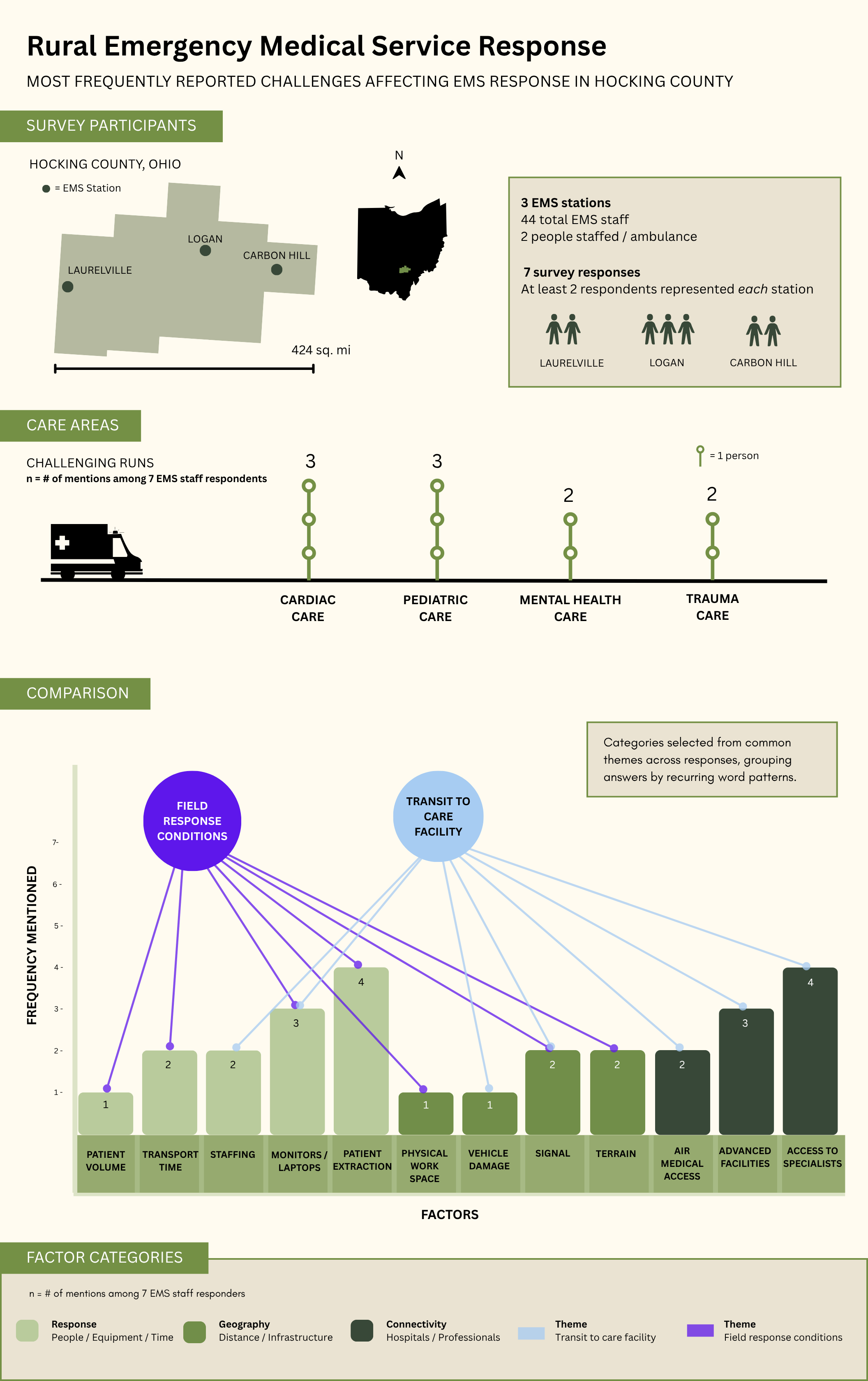
Consider Hocking County in Ohio, where a single EMS station covers a expanse of farmland, hills, and winding back roads far larger than its population and staff size suggests. Imagine being in a terrifying medical emergency yet being hours away from the hospital you desperately need. Simultaneously, this rural community seemed to have a common thread: a lack of medical check ups, transforming the EMS responder role into a dual-acting ER. Emergency responders in Laurelville and Logan within Hocking county mentioned their frequent callers, those who have chronic conditions yet do not seem to go to hospitals for health status reviews.
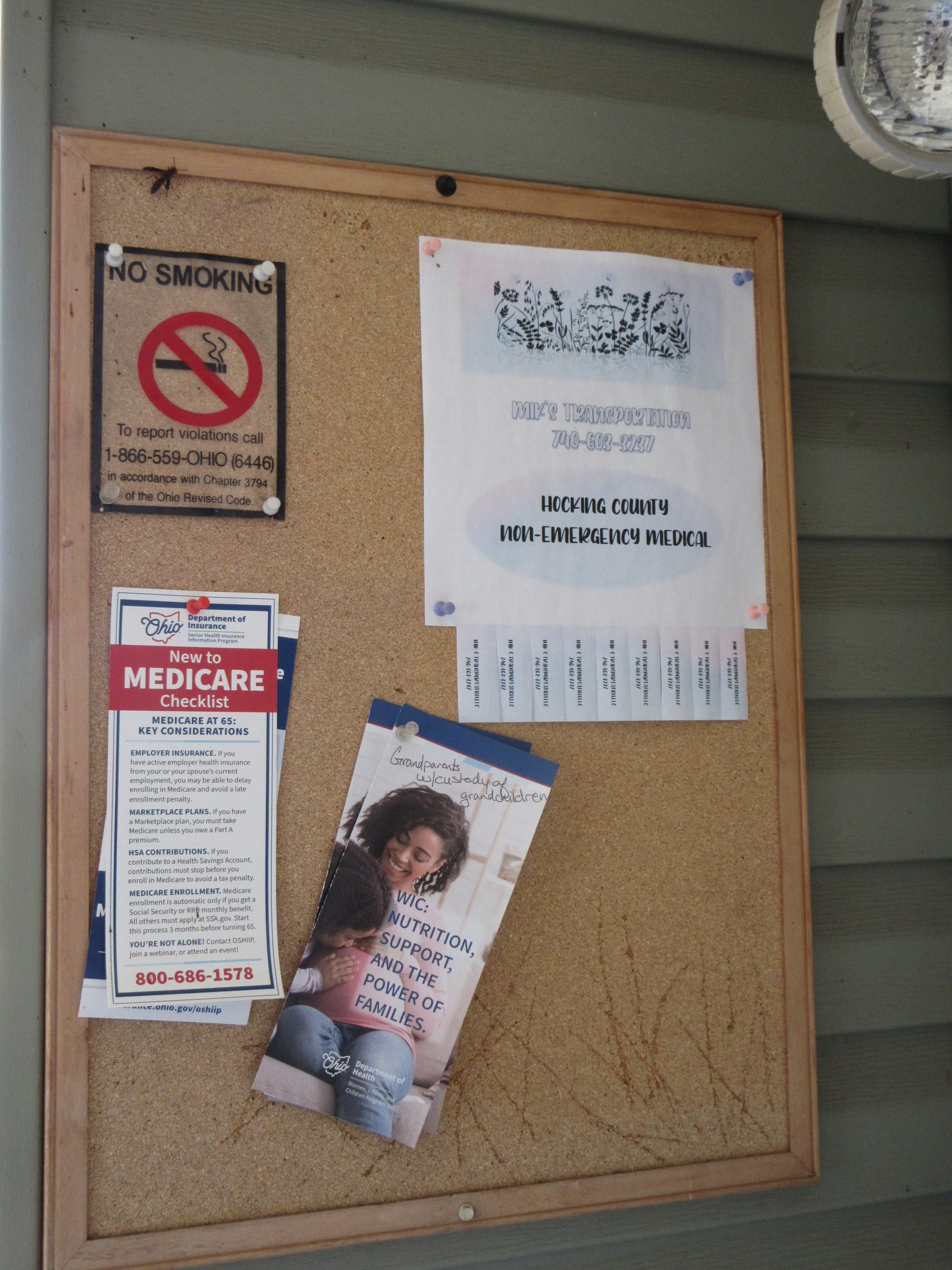
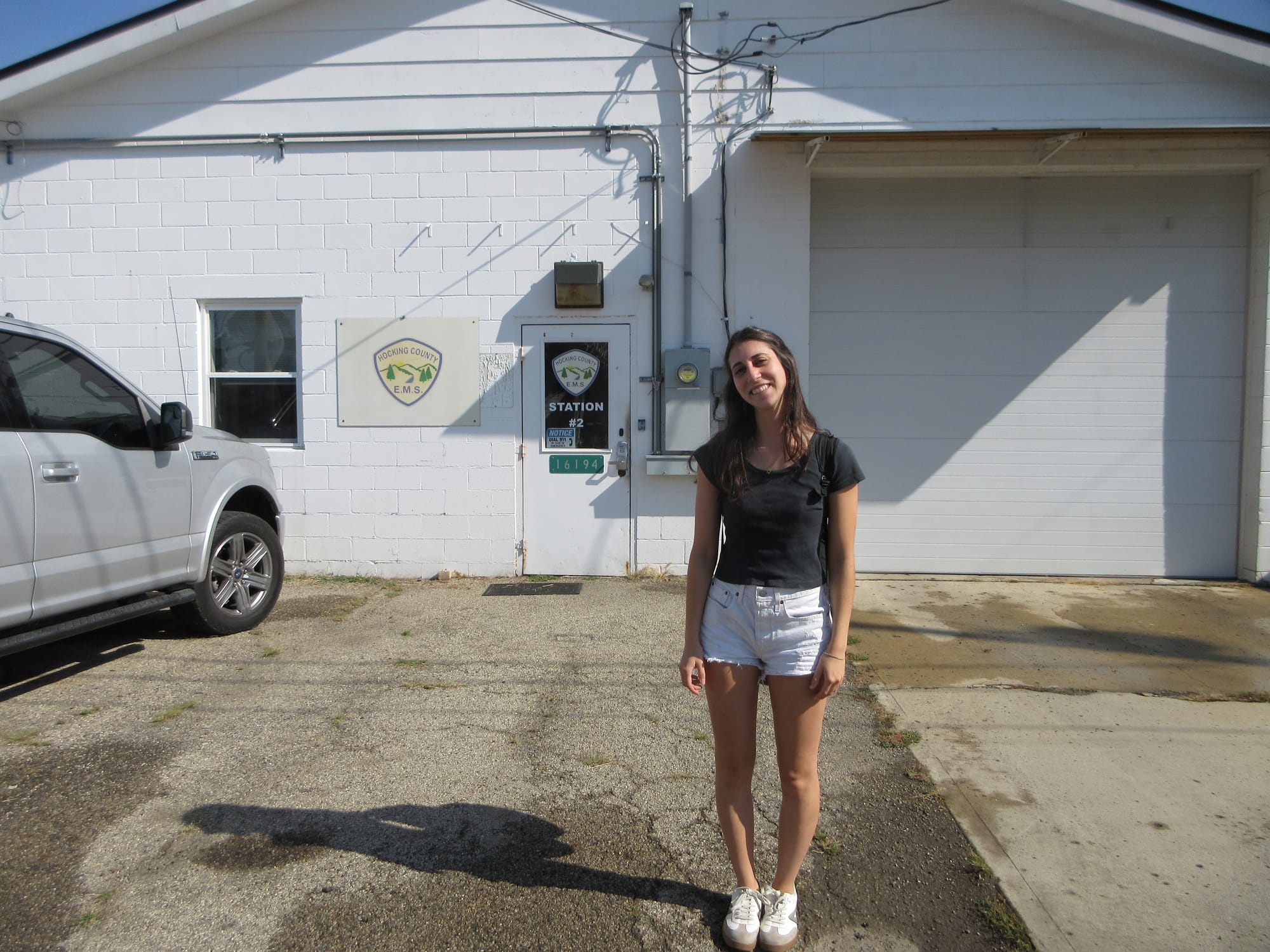
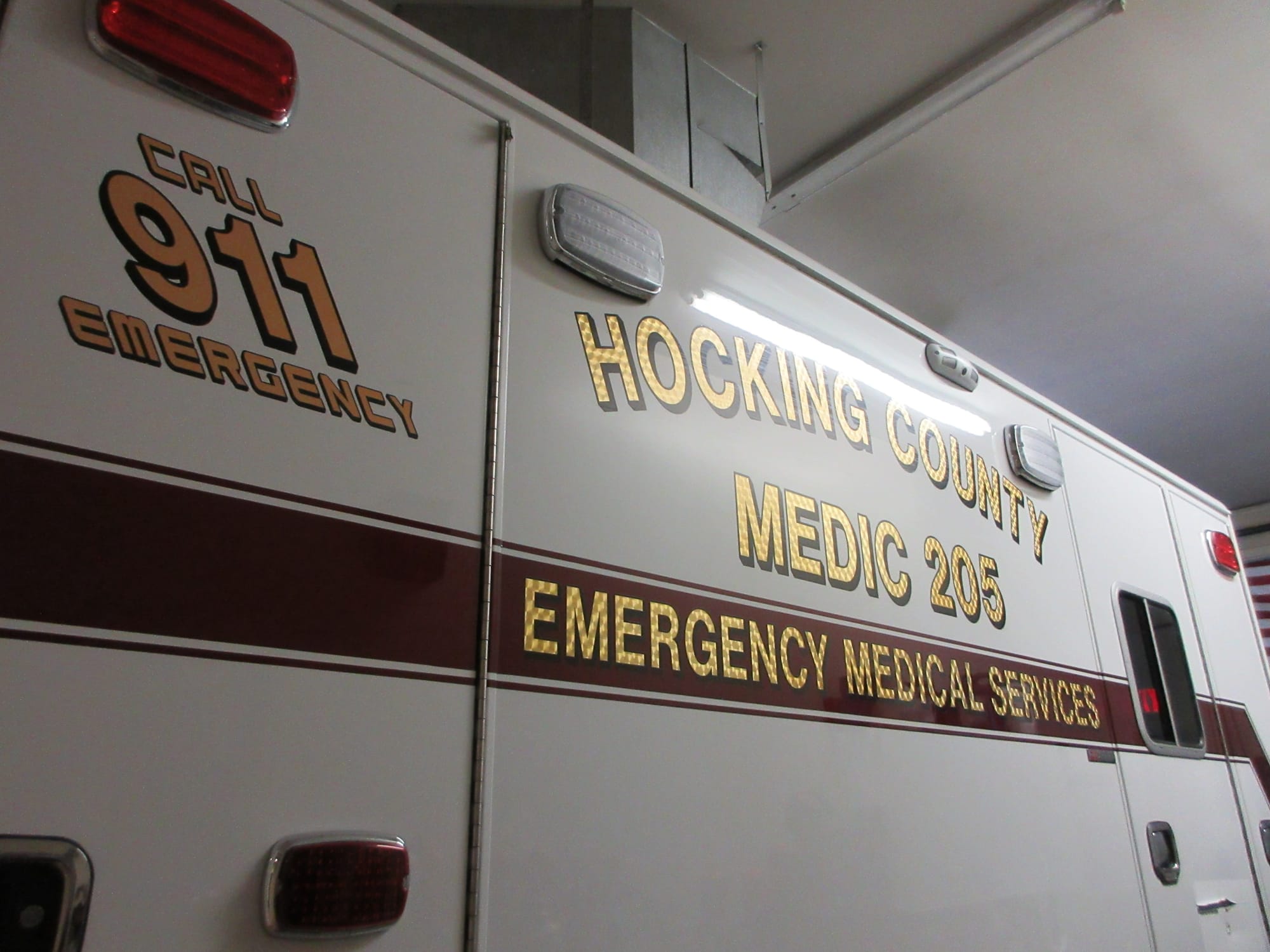
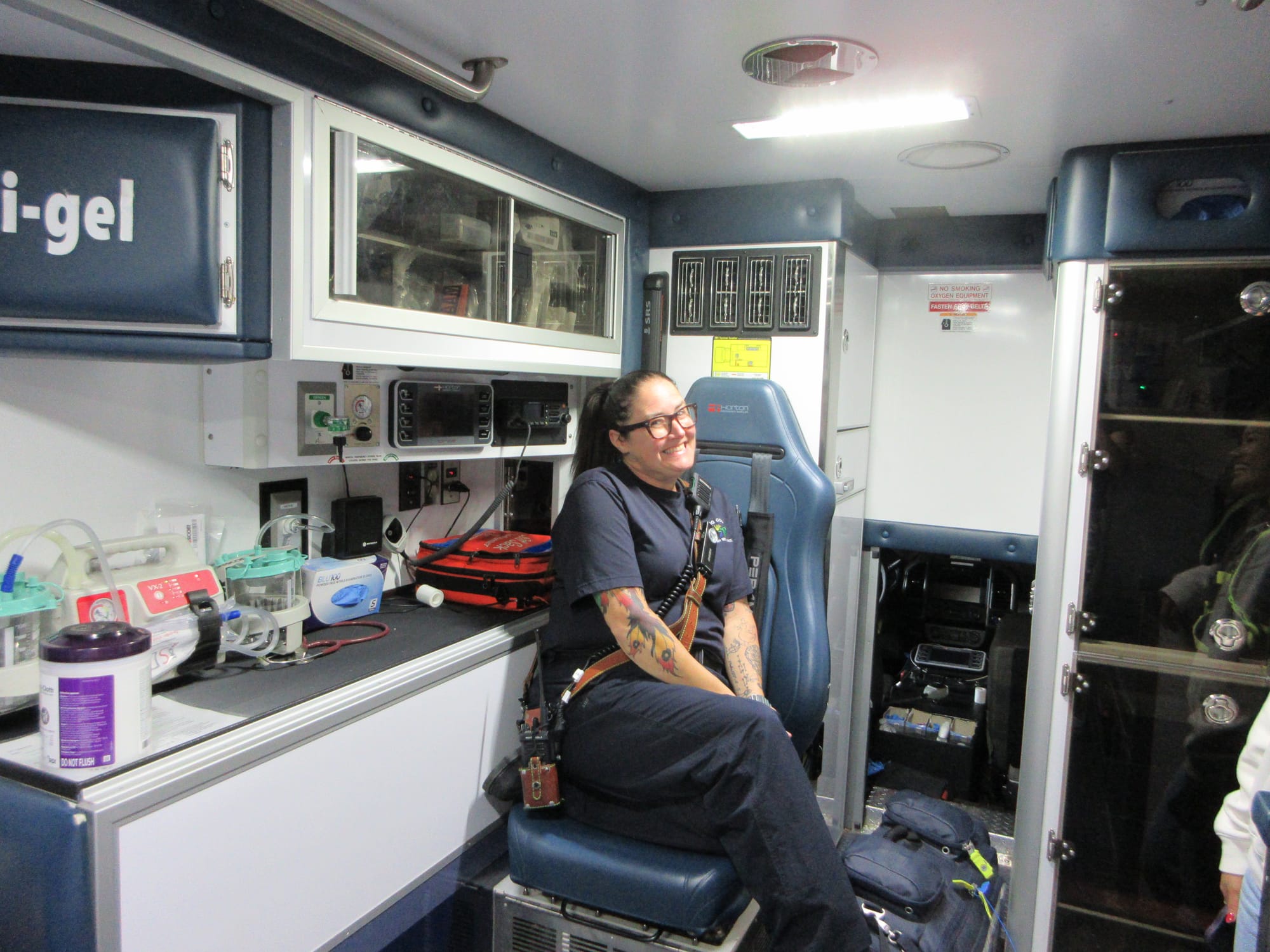
Research experience in Laurelville.
The local librarian in Laurelville described her own father's medical decline this way: multiple health issues stacked on top of each other - macular degeneration, kidney failure, diabetes - making the medically compromised man require transport hours away to Columbus' Wexner Medical Hospital for access to specialists and treatment. Mentioning cost, she noted what made the biggest dent: emergency ambulance costs. Just a few minutes later, we personally went and spoke to the EMS responders responsible for transporting patients just like her father. The overarching issue related to people waiting to obtain medical help until their problems were far more complicated.
Distance, in other words, doesn't just make care inconvenient, it changes when and how people are willing to ask for it.
When we went to Junction City to get insights into to the Amish community's perspective on healthcare, both financial and religious barriers were revealed as big factors against obtaining recurring medical check ups. While this church community has their own insurance pool for emergency medical events, a pattern emerged: routine check ups were delayed until problems became more serious. Speaking to three different groups of people, the cashier at the local market, 1 of the 2 school teachers at the local school, and an elderly couple who have a farm down the road, we managed to decipher the key to their community: faith.
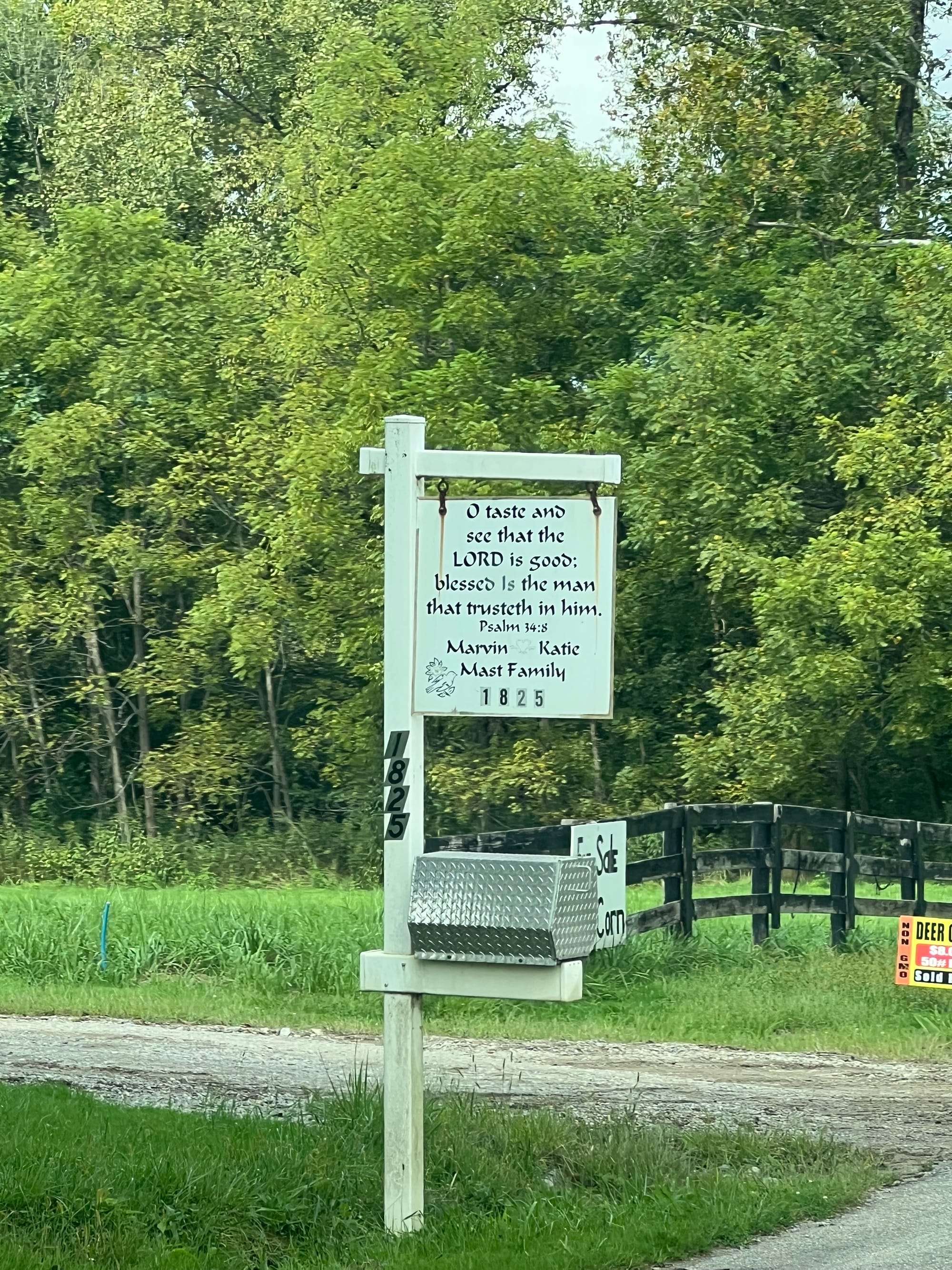
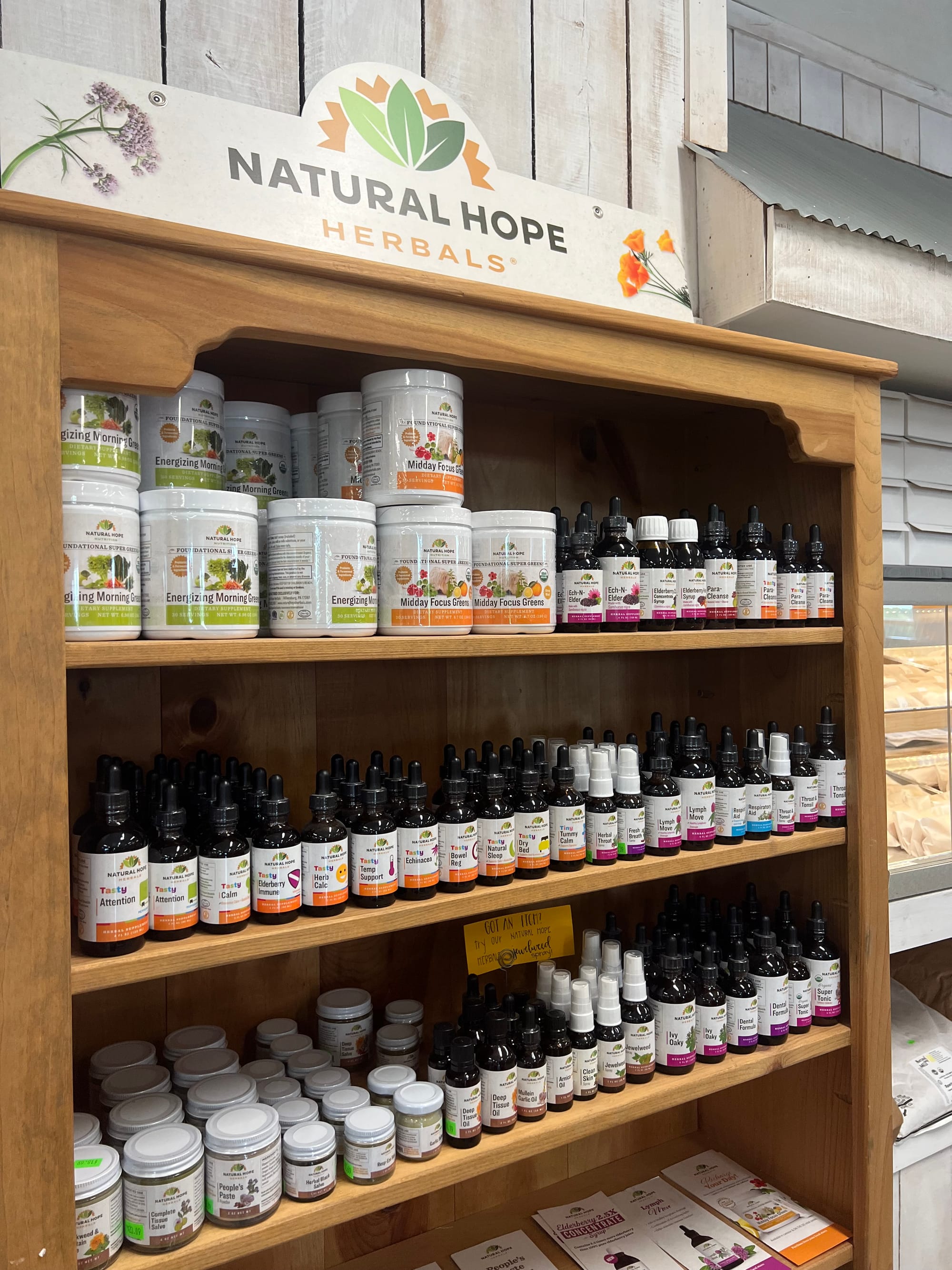
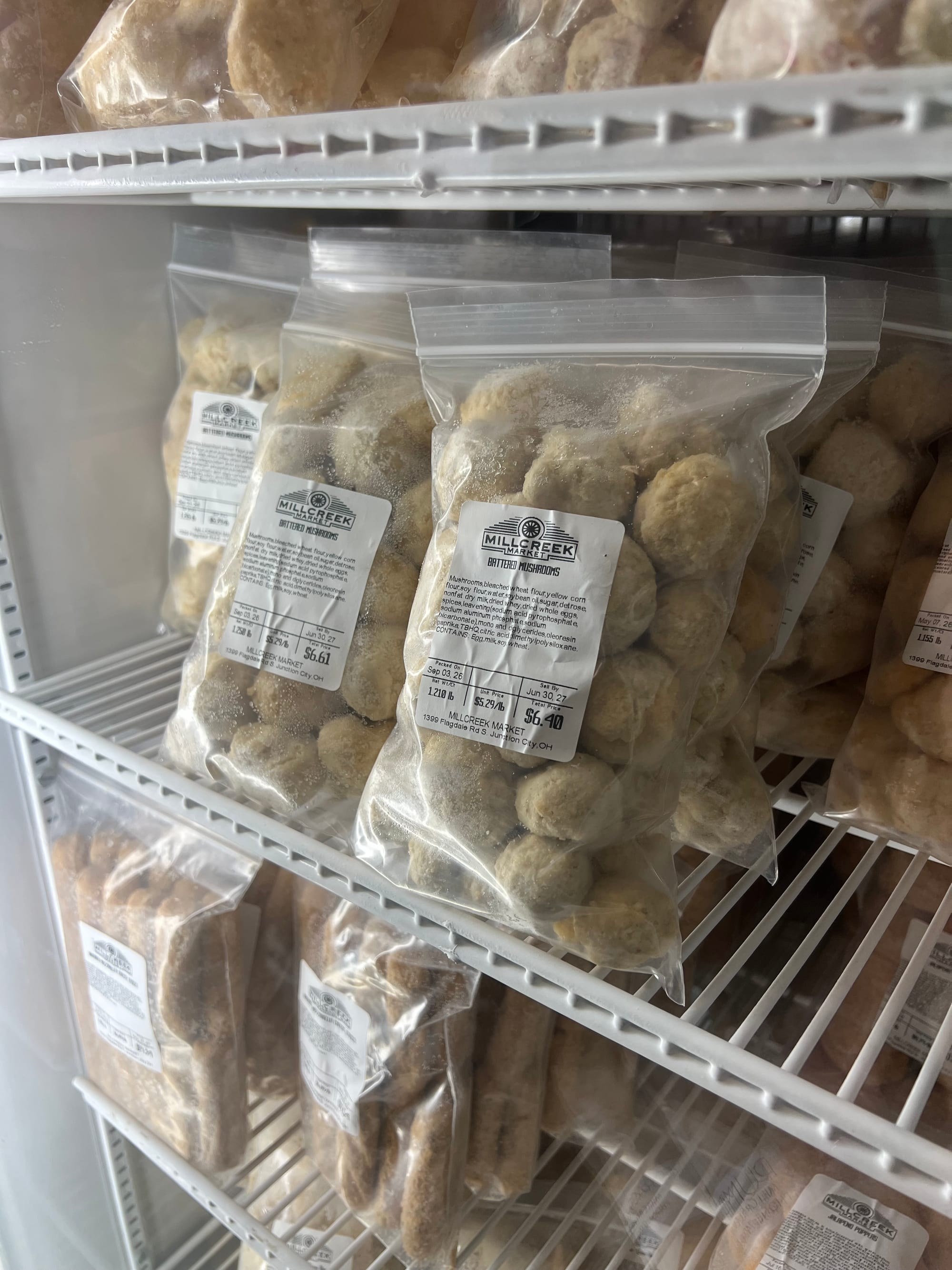

Research experience in Junction City Amish community.
According to the Millers, someone in their community was able to be "supernaturally healed" after being prayed upon for their back injury, especially impactful as they were not able to afford the treatment they would have originally needed. Making their way to a doctor also requires obtaining and paying a driver, as this community rarely uses cars as methods of transportation, adding an additional financial barrier.
While the use of technology in making healthcare more accessible has become widespread, communities like this pose an interesting question:
How do we design an automated or assistive healthcare device or system without crossing a cultural boundary all while remaining accessible?
Another interesting aspect mentioned by both the school teacher and market cashier regarded the difficulty of obtaining fresh food, bringing to light the fact that healthcare interventions in rural areas are part of an interconnected system containing nutrition, transportation, and education, to name a few.
Existing Innovations
Today, you can find remote medical solutions ranging from wearables, monitors, and telehealth as the fix for geographic distance but a technology isn't truly accessible when it is unusable within a user's actual environment. A solution like telehealth has also been impactful in helping provide healthcare to people with chronic illnesses who struggle leaving their house (Bense, 2024). Inconsiderately to rural communities, these solutions assume that people will have steady Bluetooth, cellular connection, and smartphones or laptops to use the system. Mainly most importantly, they assume that the user will be able to interpret what the device is alerting them about. A continuous glucose monitor, for instance, needs Bluetooth left on at all times, other high-drain apps closed, and critical alerts set to override silent mode (St. Joseph Medical, 2026).
For chronic conditions especially, the research points toward adaptable treatments rather than a one-size-fits-all method (Sunridge, 2025). Products like the EksoBionics personal exoskeleton raise the idea of giving autonomy back to the patient, fitting to their bodies and allowing them to control movement and direction. According to the Joint Pain Authority Team, a one-on-one caregiver could help alleviate physical burdens for people living with chronic conditions, but too much control from external people or factors might cause detrimental effects. This also made me consider the impact of autonomy on mental health within assistive healthcare, solidified by watching a tragic episode of Black Mirror in which a character tragically trades her autonomy for a life-extending implant (Brooker, 2025).
Patient-centered care emphasizes collaboration, education, and adaptability. Rather than following rigid protocols, clinicians and patients work together to monitor response, adjust strategies, and address emerging concerns... For individuals living with chronic illness, patient-centered models may restore a sense of agency and clarity (Sunridge, 2025).
Conceptual Ideas
Based on rural culture being heavily based in community, I thought of a solution that allows members of the community to have free, not-invasive health "check-ups." This Community Health Vitals (pictured below) is built on the idea of sustainable technology accessibility from IKEA Ingka Group’s Solar Energy for Many, adapted for basic health monitoring. Locating the health device in a public space would allow for people of all incomes to see if their current health status indicates any risk. With the display of a warning, people in rural communities might get more inclined to get their health checked by medical professionals.
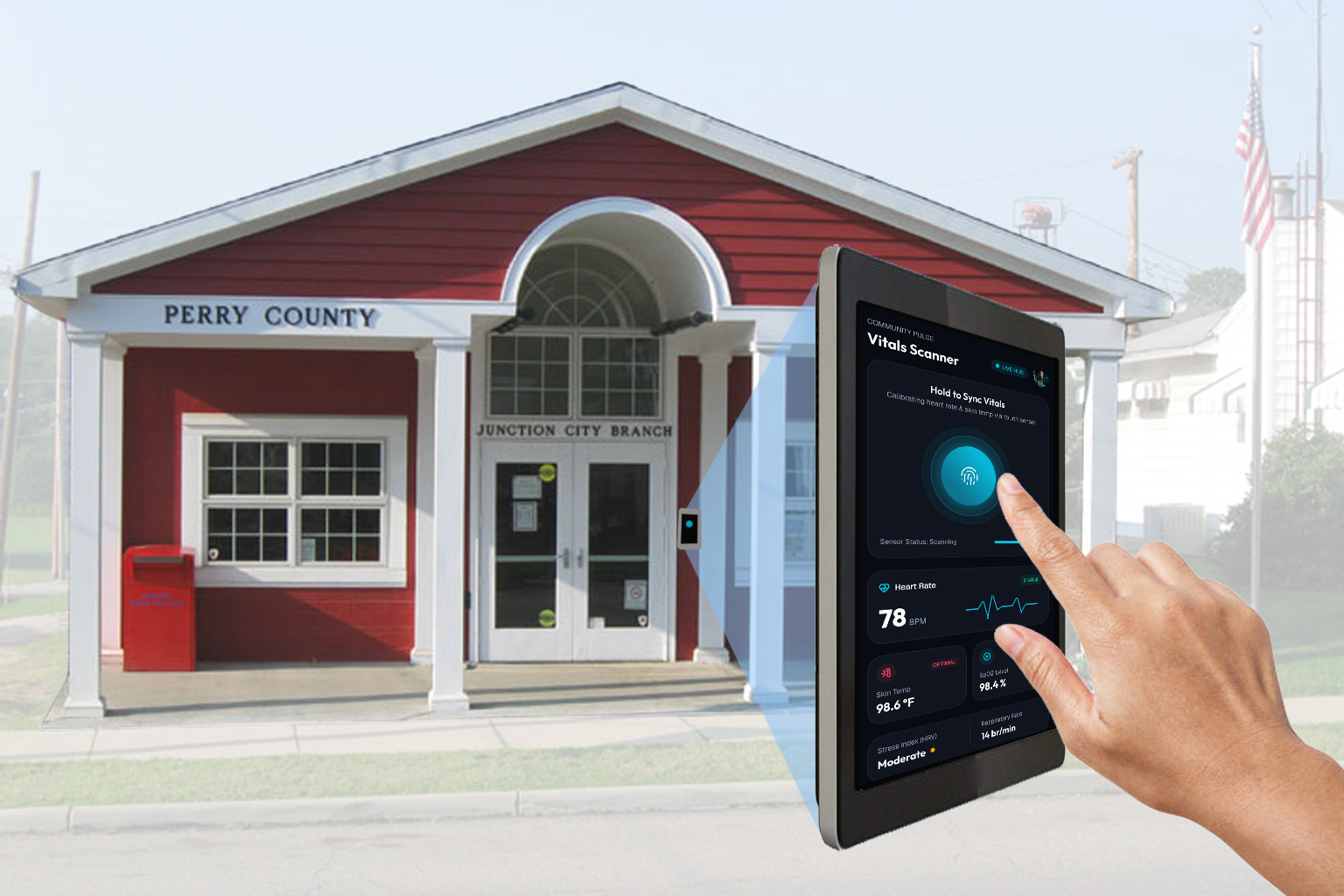
While public facing health checks should not be used as a replacement for medical care, they can nudge people to go get their health checked with difficult-to-overlook warnings, an aspect that could minimize conditions from getting worse from lack of knowledge. In turn, something that clearly calls out health issues early on could lessen the extremities of emergencies EMS responders treat in rural settings. However, accessibility cannot stop at detecting a health issue; it must also provide a realistic and accessible pathway from identifying a problem to receiving appropriate care (transportation, expenses).
Bringing treatment directly into the homes of rural communities is another direction that could have positive benefits on the stressors of EMS responders as well as alleviating both financial and physical pains for the people themselves. One method might be by minimizing the need for a caregiver by guiding patients through individualized medicine application or therapy.
Elements that make a medical experience feel less standardized and more creative or artistic has been proven to have lasting improvements on a patient (Hotz, 2025). Combined with replacing traditional procedures with more dynamic styles (TEDx, 2019), we can reframe the perspective behind treatments from draining to fulfilling. The concept below represents a patient participating in rehabilitative movements, simultaneously creating art, motivating the patient to continue the therapies through personalized, guided, and remote methods.
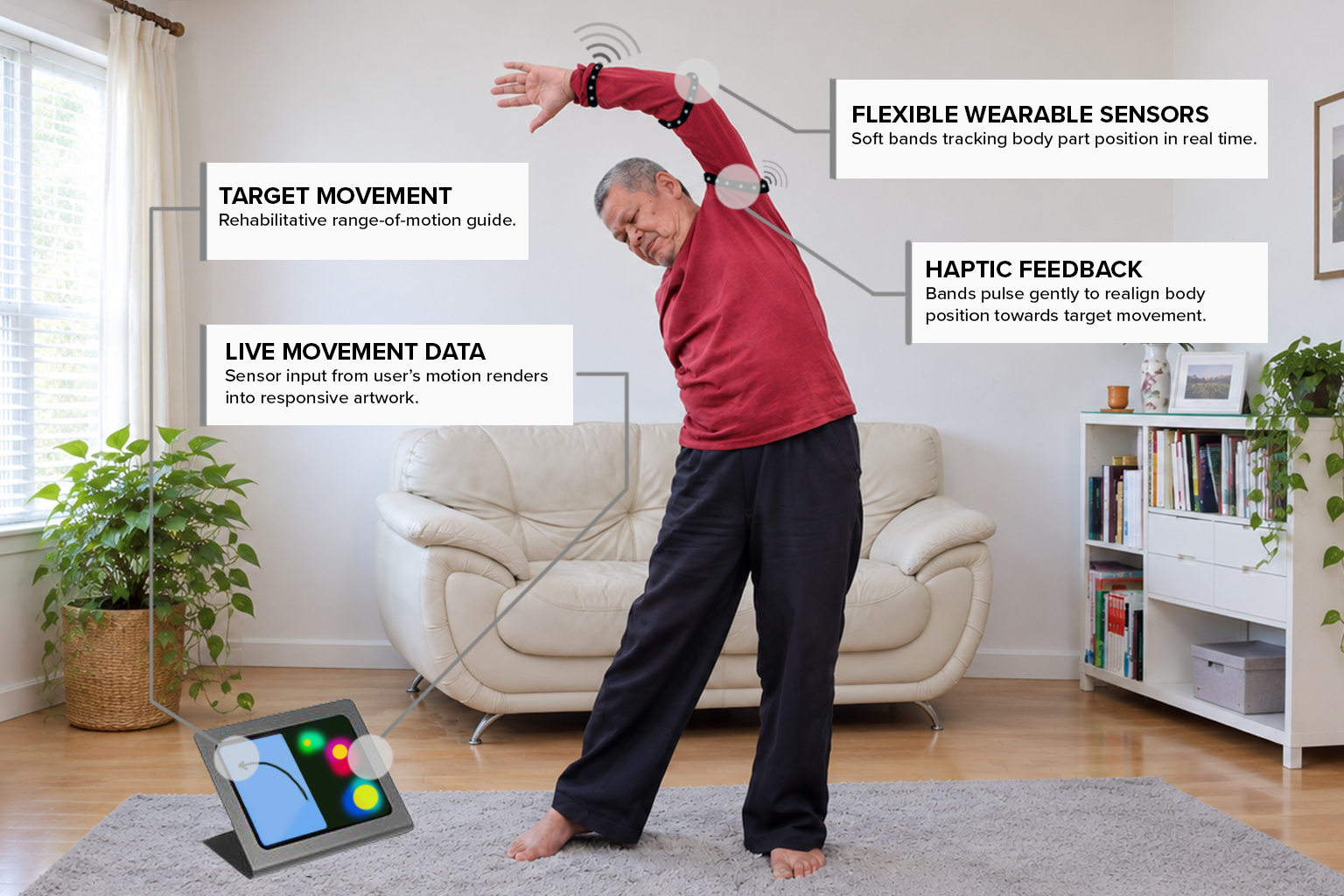
Through guided medicine, long trips to distant specialists are minimized, simultaneously lessening the financial burden of recurring treatment for chronic conditions. While these solutions rely on technology, their physical interfaces could be designed with minimal digital interactions that even technologically conservative populations, including elderly or local Amish communities, could use them. I believe it would be impactful to input preventative and assistive healthcare to areas where rural communities already gather and receive support.
Call to Action
Minimizing health emergencies in rural places is rooted in intervening earlier, before a condition becomes an emergency while balancing financial accessibility, geographical and technological barriers, as well as diverse cultural perspectives. We can use automated and assistive design within that lives within these factors in order for the communities to actually adopt the design and benefit.
References:
Bence, S. (2024, March 12). Telehealth, what it is, and its pros and cons. Verywell Health. https://www.verywellhealth.com/what-is-telehealth-5115712
Hotz, J. (2025, February 8). Museums as medicine? The growing trend of art prescriptions. Observer. https://observer.com/2025/02/museums-as-medicine-art-prescription-trend-healthcare/
Joint Pain Authority Team. (2026, February 18). Caregiver’s Guide to Helping a Loved One With Arthritis. Joint Pain Authority. https://jointpainauthority.com/blog/caregiver-guide-loved-one-arthritis/
Reardon, D. (2022, August 5). Partnership aims to make west Michigan rural healthcare easier to get. FOX 17 West Michigan News (WXMI). https://www.fox17online.com/news/local-news/the-partnership-that-will-make-rural-healthcare-in-west-michigan-easier-to-get
Sunridge. (2025, December 15). Why Chronic Conditions Do Not Respond To One-Size-Fits-All Medicine | Sunridge Medical. Sunridge Medical. https://sunridgemedical.com/why-chronic-conditions-do-not-respond-to-one-size-fits-all-medicine/
St. Joseph Medical. (2026, February 27). How Do Dexcom’s Work? A Step-by-Step CGM Guide. St Joseph Medical Corporation | Your Health Is Our Mission. https://stjosephmedicalcorp.com/how-do-dexcoms-work-a-step-by-step-guide-to-cgm-basics/
TEDx Talks. (2019, December 5). How integrating ballet into physical therapy enhances recovery | Jessica Baynes | TEDxSaltLakeCity [Video]. YouTube. https://www.youtube.com/watch?v=5LTYo5lWsd4
Too Good To Go. (2024). Save food - help the planet. Www.Toogoodtogo.Com. https://www.toogoodtogo.com/en-us



