
OP-ED: Rethinking Trust in Rural Healthcare
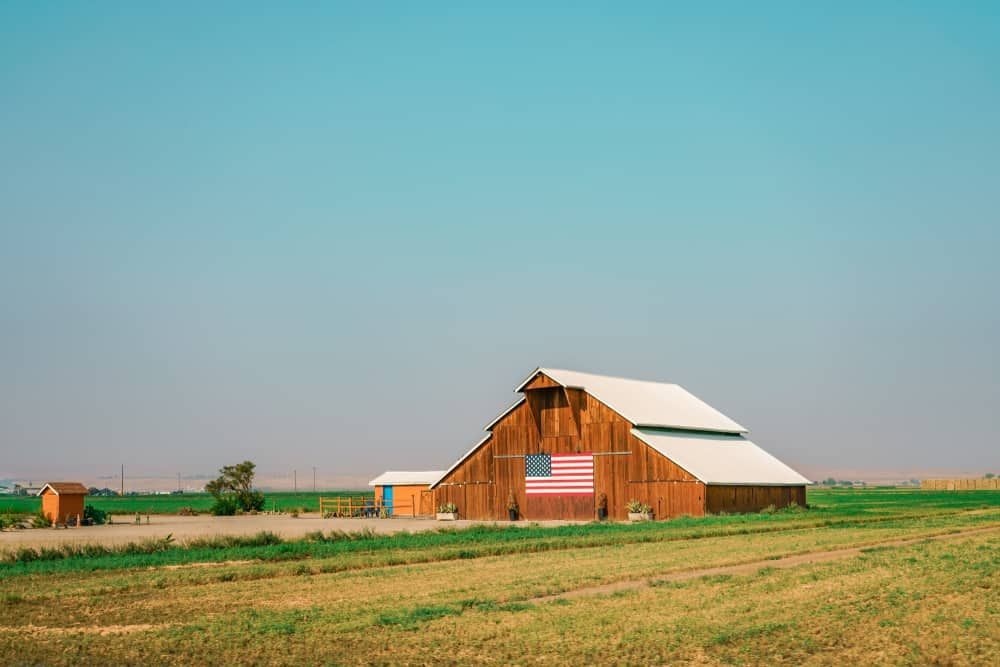
For someone living in a rural community, going to the doctor can involve a lot more than making an appointment. It might mean finding someone to drive you, paying for transportation, driving 20 or 30 minutes to the nearest hospital, or traveling more than an hour to see a specialist. Before making that trip, someone also has to decide if their health concern is serious enough to go.
When I started researching healthcare access in rural communities, I thought distance was the main problem. Rural patients live farther from healthcare, so I assumed technology could help close that gap. After conducting interviews and surveys and researching rural and Amish communities, I found that distance is only one part of the problem. Cost, transportation, trust, culture, internet access, comfort with technology, and the people someone relies on can all affect how and when they seek care.
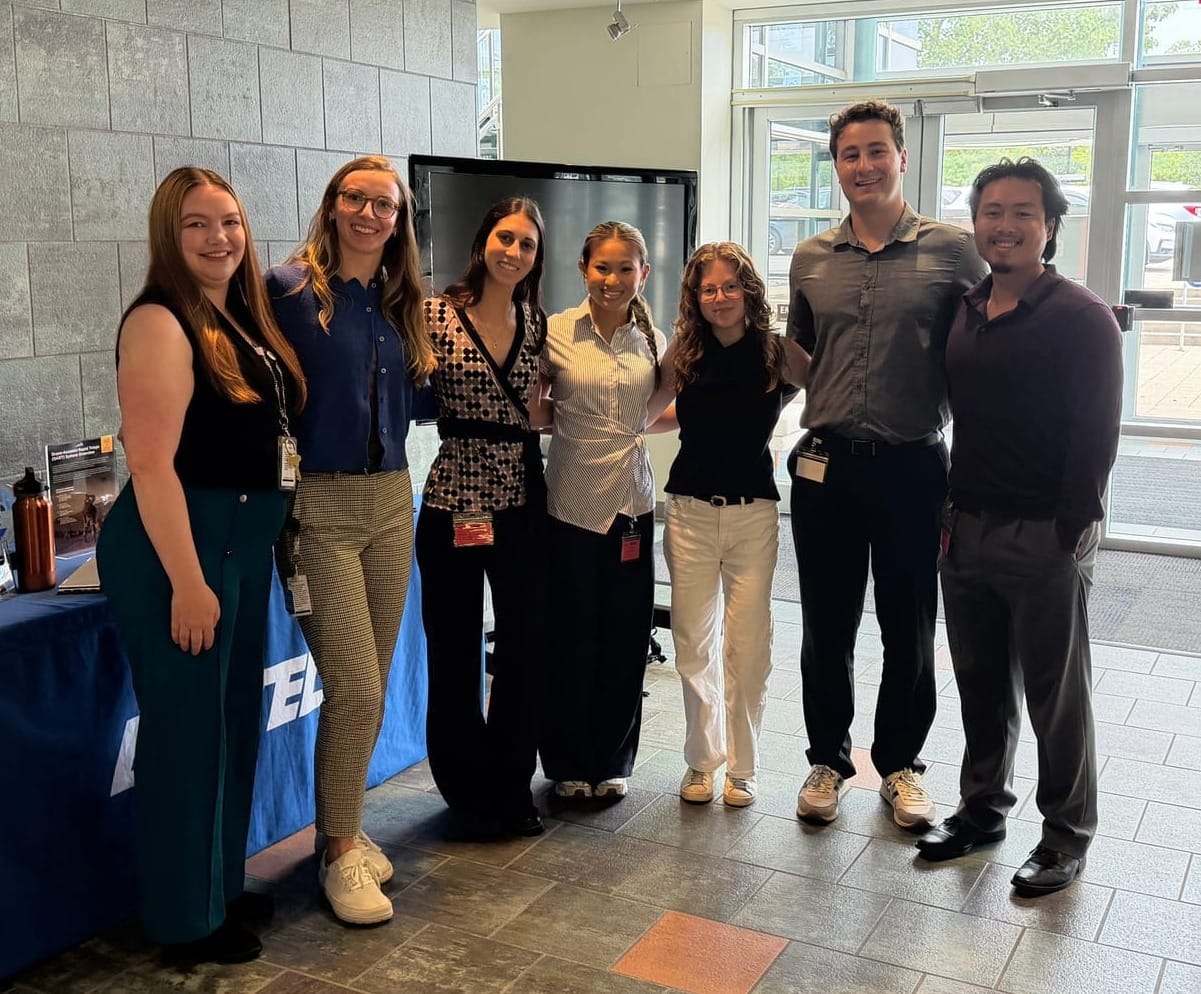
Healthcare also involves more than a patient and a doctor. Families, caregivers, neighbors, local clinicians, specialists, hospitals, pharmacies, emergency responders, health-sharing organizations, transportation services, and internet providers can all be involved.
What the Numbers Don't Show at First
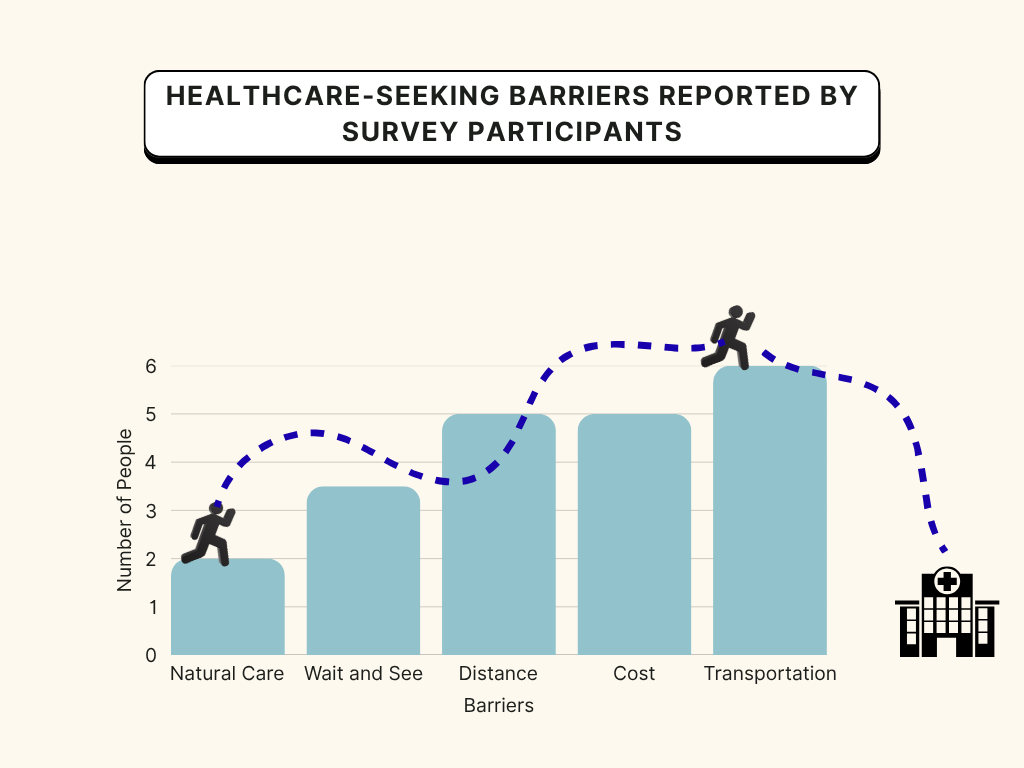
As part of my research, I shared a healthcare access survey in a rural Ohio Reddit community. Twelve people responded. Eight described where they lived as rural, three as a small town, and one as urban.

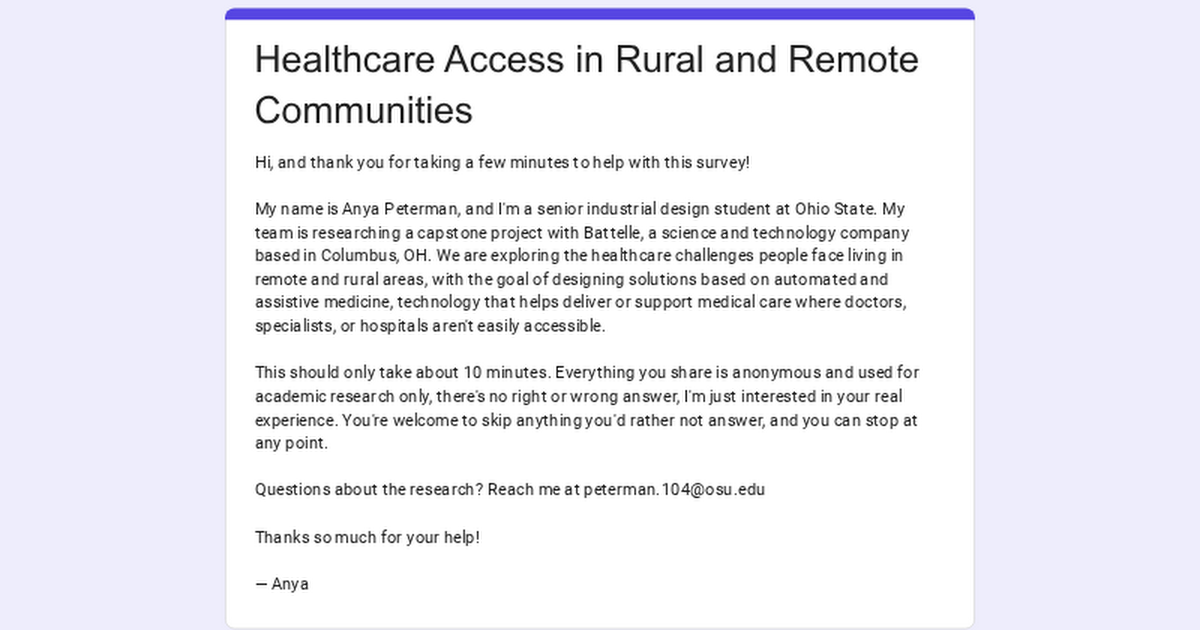
Survey that was originally sent out to a rural ohio reddit thread
Eight of the 12 respondents said they had delayed or avoided medical care at least once during the previous year. Eight also lived at least 10 minutes from their nearest hospital or urgent care, with one rural respondent reporting a drive between 30 and 60 minutes.
People gave different reasons for delaying care, including cost, transportation, appointment availability, long waits, limited access to specialists, and concerns about quality of care. This was a small survey, so the results don't represent everyone living in rural Ohio. However, many of the responses included more than one barrier. Someone who lives far from a hospital also needs transportation to get there. That adds time and possibly another expense. If the appointment is with a specialist, the trip may be even farther.
One caregiver I surveyed has a disabled daughter whose doctors are about an hour and a half away in Cleveland. When I asked what could make healthcare easier, she said: “I'd love more telehealth.”
A remote appointment could save this family several hours of driving and coordination.
Seven of the 12 respondents had used telehealth during the previous year. Remote care can reduce some of the travel involved in getting healthcare, although it doesn't address all of the barriers people described.
Healthcare Already Begins at Home
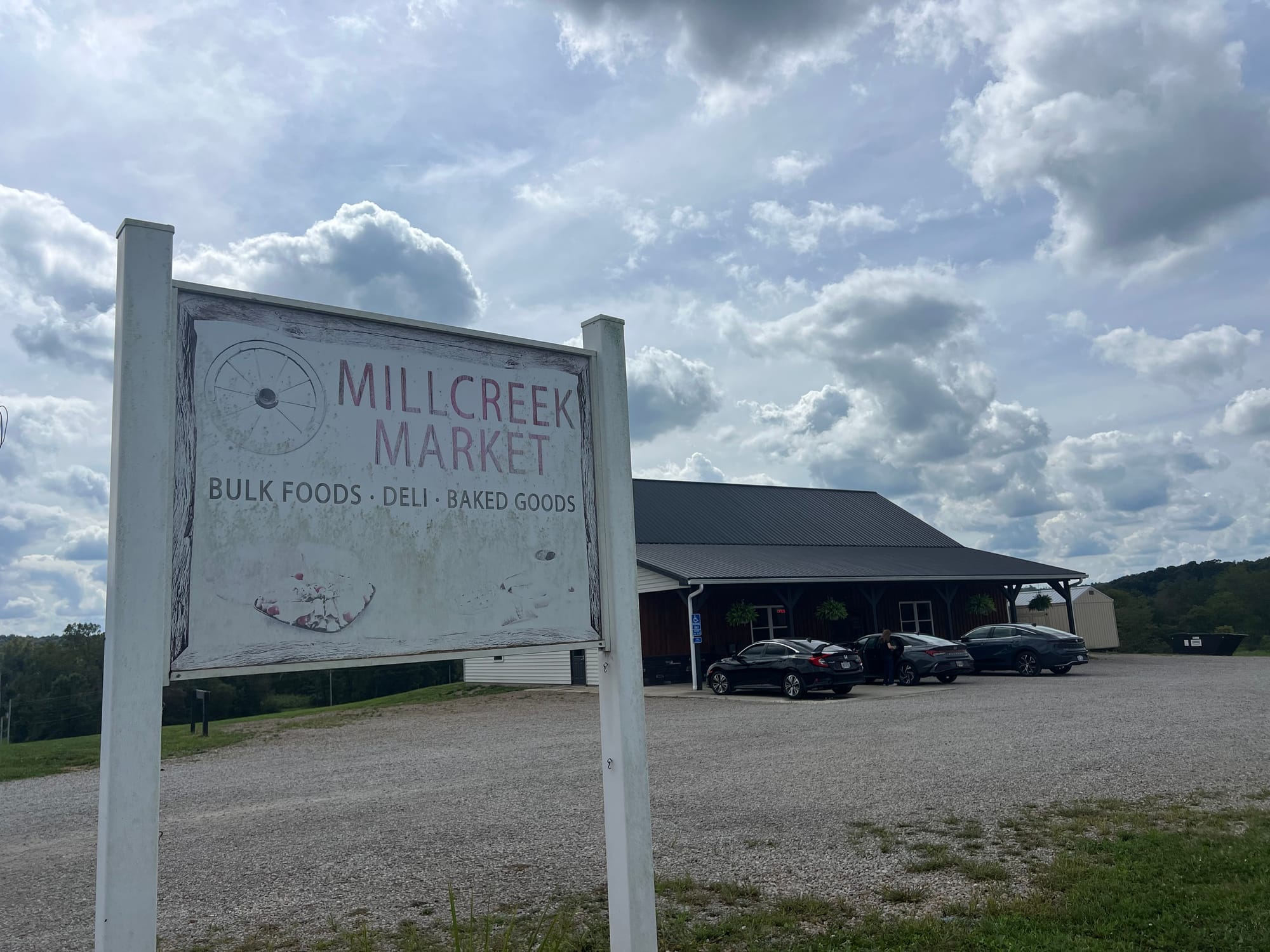
I also spent time with members of a rural community around Junction City, visiting a local market, school, and locally owned farm. Going to a doctor wasn't always the first response when someone got sick.
People talked about using home remedies, vitamins, supplements, and herbal treatments. Professional care became more important when an illness or injury seemed serious enough. One person told me he hadn't been to a doctor in at least three years because he “hasn't been sick.”
Transportation also looked different from city living. People described hiring drivers, asking neighbors for rides, and using electric bicycles. One person estimated that hiring a driver to Columbus for hospital care could cost around $100.
Research into Rural and Amish healthcare gave me more context for these conversations. Home remedies, family care, faith, and community support can exist alongside professional medicine. As Dimmitt (2025) writes, “The Amish do go to doctors, but typically as a second or last resort.”
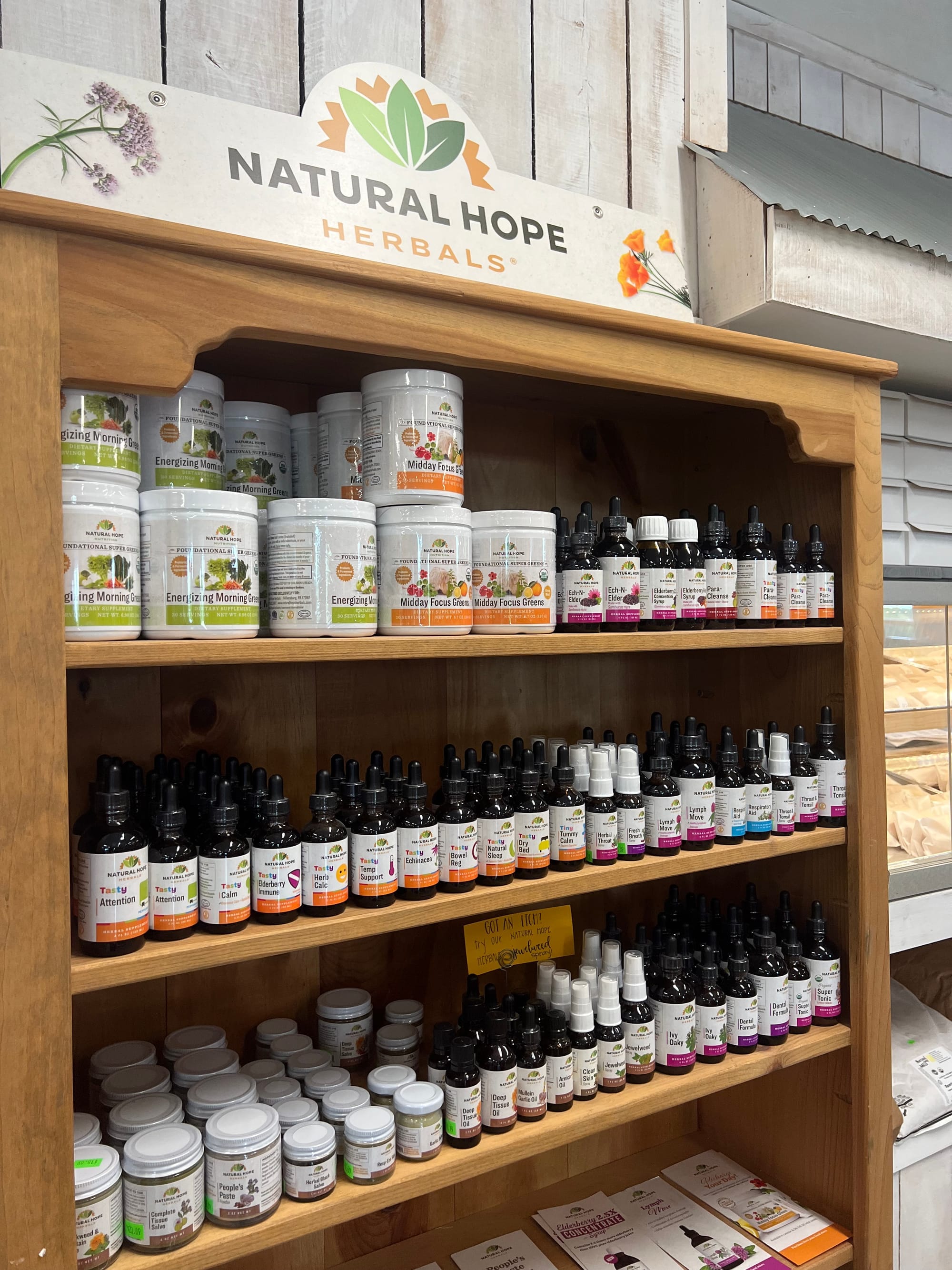
These communities may still use hospitals, specialists, genetic testing, and other medical services when needed. Genetic healthcare can be especially important because some Amish populations have higher risks for certain inherited conditions while also facing rural barriers to specialty care.
Trust also came up in research on providing genetic services to Amish communities. Researchers explain that
Building relationships and gaining the trust of communities takes time (Kantipuly et al., 2022).
This matters when designing healthcare technology for these communities. A device that depends on a smartphone, reliable internet, traditional health insurance, or regular visits to a doctor may not fit the way everyone currently manages their health. Even if the device works technically, people still have to be willing and able to use it.
Even Rural Experiences Are Not the Same
My interview with Fairfield County resident Cynthia Lecrone gave me a different perspective on rural healthcare.
Lecrone has lived in Fairfield County her entire life and at her current rural home for 33 years. Her primary-care doctor is about 15 miles away, or roughly a 15- to 20-minute drive. She didn't describe routine healthcare as especially difficult to access.
Specialty care can require a longer trip. Seeing certain specialists means traveling about 50 miles to Columbus. Lecrone also remembered her mother having difficulty traveling to a larger city for treatment and feeling uncomfortable with doctors she didn't know.
Lecrone has used video and telephone medical appointments and described the experience as fine. She also has reliable internet and cell service. When we talked about automated health monitoring, she brought up concerns about accuracy, reliability, cost, accessibility, and ease of use. She also mentioned personal connection.
There [are] issues of personal connection, she said.
Her experience added another issue to consider when designing for rural healthcare. Distance may not be a major problem for every routine appointment, while specialty care can still require significant travel. Familiarity with a healthcare provider can matter as well.
Instead of Moving the Patient, Move the Care
Cleveland Clinic has partnered with Zipline to use autonomous aircraft for certain prescription deliveries (Report, 2026). Medication can be delivered to patients without requiring another trip to pick it up.
Zipline has used drones in Rwanda to transport blood and medical supplies in areas where road transportation can make delivery difficult. The idea behind the system is captured in the statement,
Where you live should not decide whether you live (Peters, 2019).
The portable Mochila TB system in Peru takes a different approach. Portable diagnostic technology has been used to bring tuberculosis screening closer to underserved communities. Healthcare workers use the equipment to provide screening in places where access may otherwise be limited. These examples led me to look at ways healthcare services could be brought closer to rural patients.
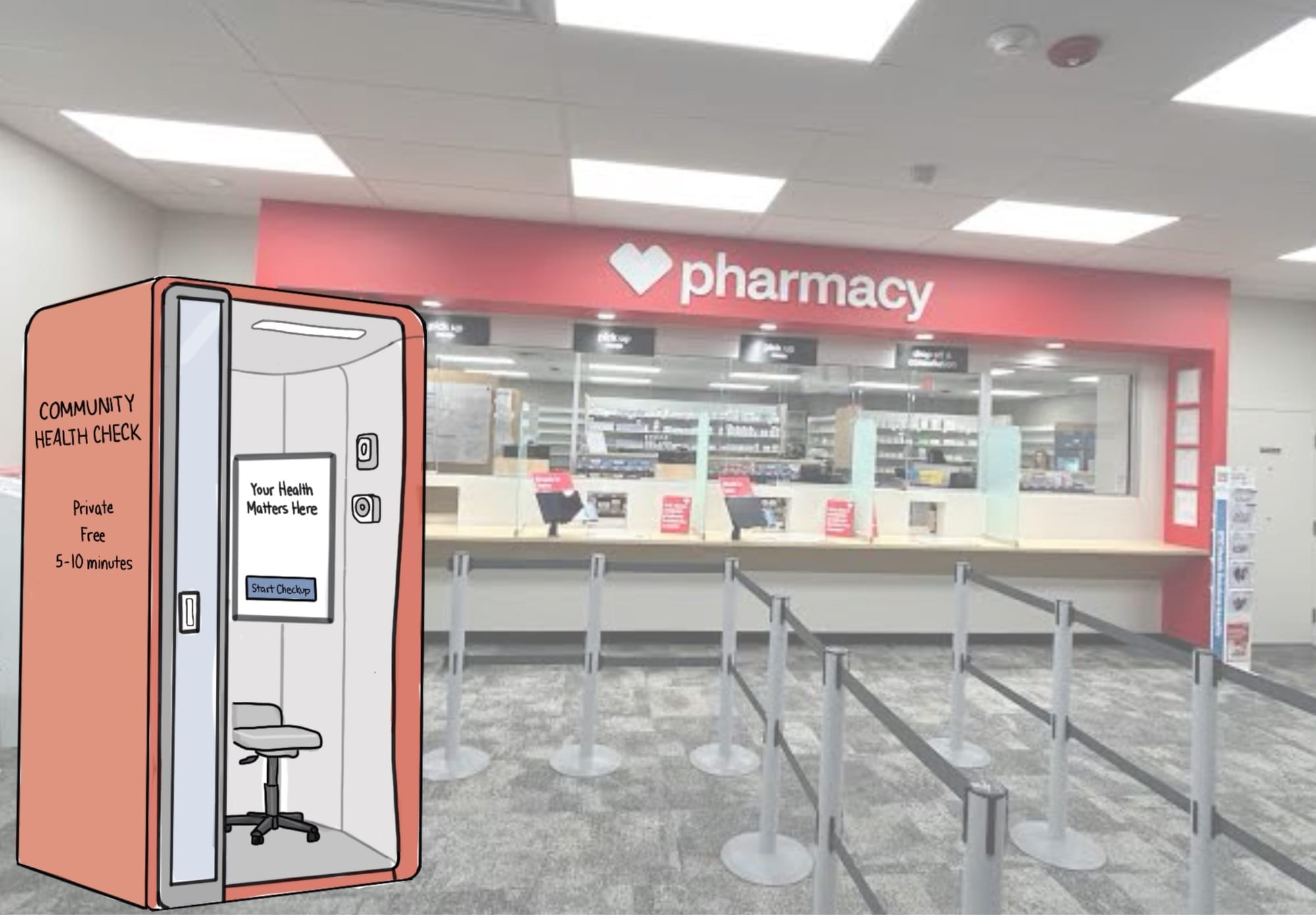
One concept I developed, “The Checkup That Doesn't Wait,” places basic health screening in familiar community locations instead of limiting it to hospitals and clinics. A private station could measure blood pressure, heart rate, oxygen level, temperature, and weight. It wouldn't provide a diagnosis, but it could give someone basic information about changes in their health that may need professional attention.
Another concept, “Before It's Urgent,” focuses on basic health checks in familiar and trusted community locations. Instead of requiring an app or permanent digital account, simple kits could include basic measurement tools, printed instructions, and paper health cards. Someone could use the same card over time to keep track of their measurements.
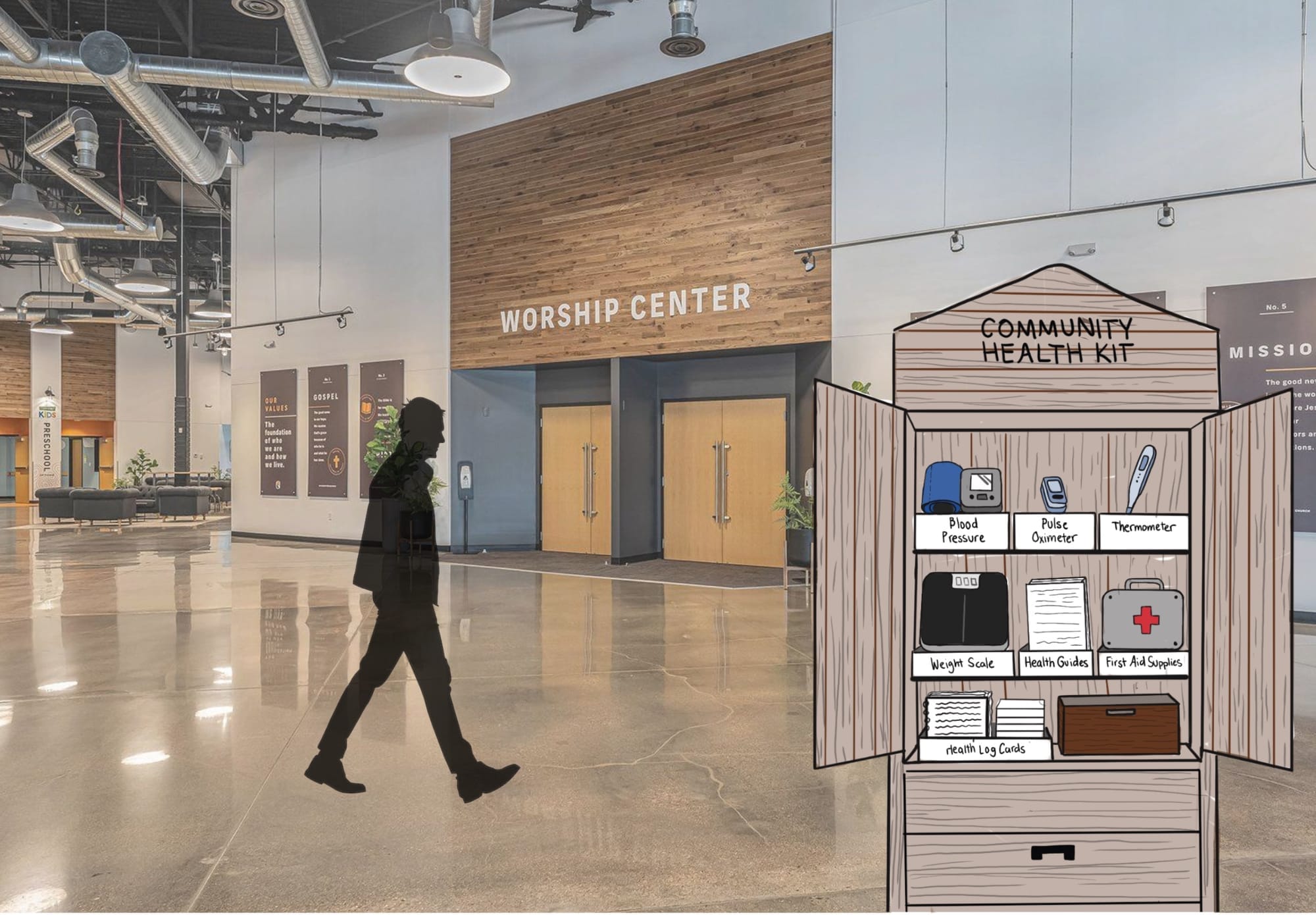
Both concepts focus on giving people access to basic health information earlier, before a concern becomes serious enough to require urgent care.
Automation Should Extend People, Not Replace Them
“Specialist-in-a-Box” looks at specialty care and the long distances some rural patients travel to receive it. Connected diagnostic equipment could be placed inside a rural clinic. A local clinician could use a digital stethoscope, otoscope, examination camera, or portable ultrasound while a specialist somewhere else receives the information in real time.
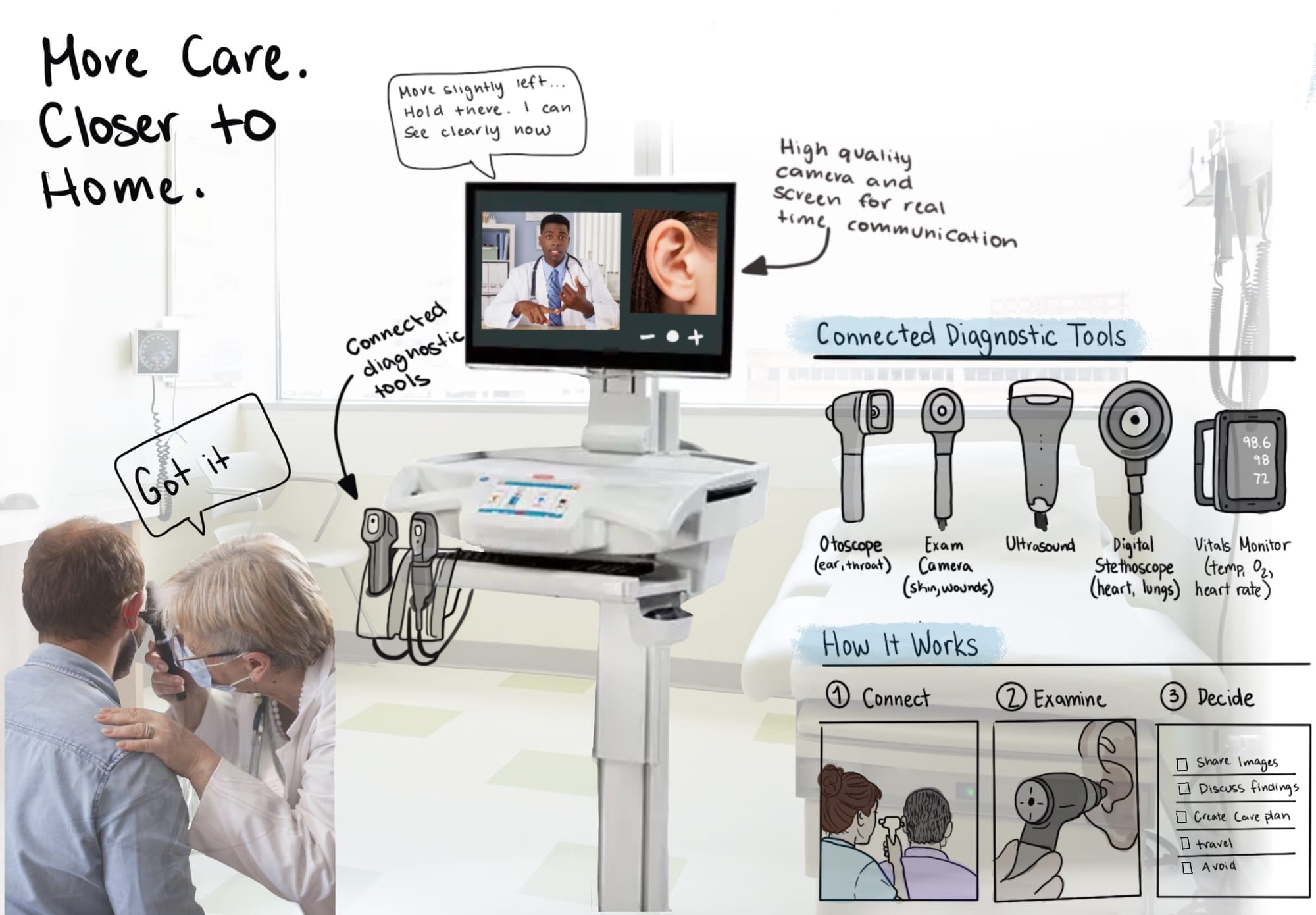
The local clinician would remain with the patient and operate the equipment while the specialist provides additional knowledge remotely. This could allow patients to receive parts of specialized care without traveling the full distance to the specialist.
For someone who normally travels 50 miles to Columbus, or a family making repeated 90-minute trips to Cleveland, reducing even some of those trips could make specialty care easier to manage. Not every medical examination can happen remotely, and deciding what can safely be done this way would require clinical expertise. Some parts of specialized care may be possible remotely when a specialist can work with a local healthcare professional. In this type of system, technology supports the healthcare workers already involved in someone's care instead of removing them from the process.
A Medical Device Still Has to Live Somewhere
Medical technology brought into someone's home creates a different set of considerations.
Research into aging-in-place design shows that accessibility can be incorporated into everyday environments without making a space feel clinical. A curbless shower, for example, can make a bathroom more accessible without making someone's home look like a hospital.
Healthcare products used at home could be approached similarly. That is why I came up with “The Counter Companion”. It is designed to sit alongside everyday objects in someone's home rather than looking like a piece of hospital equipment.
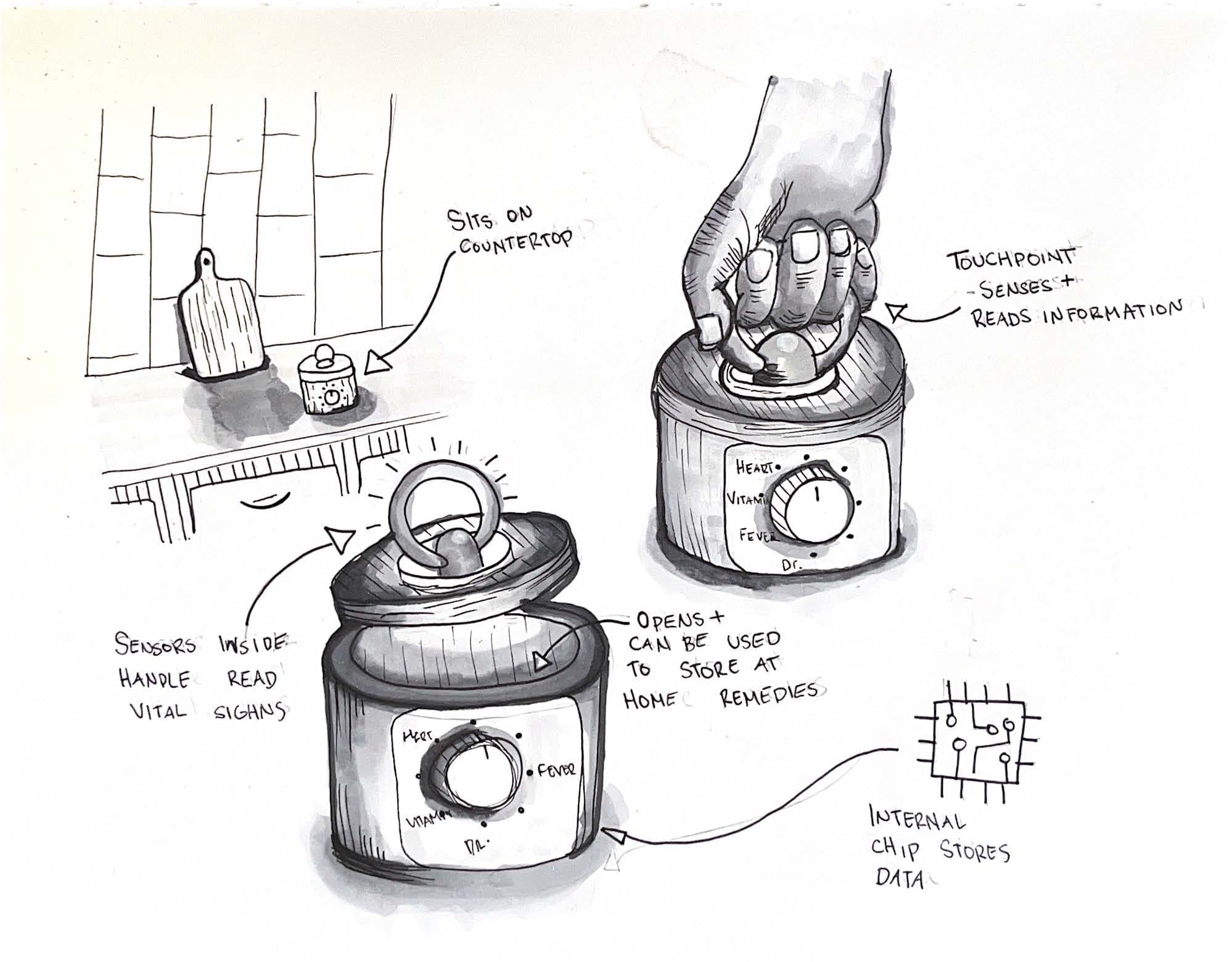
The appearance of a device can affect whether someone is comfortable having it in their home and using it regularly. Along with its medical function, the product would need to fit into the person's space and daily routine.
The Real Design Problem Is the Journey
The solutions I researched address different parts of the healthcare journey. Telehealth can reduce the need for some trips. Remote monitoring can provide health information between appointments. Drone delivery can reduce trips to pick up medication, and community health stations could make basic screening available closer to home.
Each also comes with limitations. Telehealth depends on internet access and comfort with remote appointments. Monitoring only helps if someone knows what to do with the information. Community health stations raise concerns about privacy, maintenance, accuracy, and who is responsible for following up.
I started this project asking how technology could overcome the distance between rural patients and healthcare. I now think there are two kinds of distance to consider: the physical distance to care and the personal distance a new system can create. Solving one while making the other worse isn't really improving access.
For me, that is where the opportunity for design is. Technology can help medicine, information, and specialized knowledge travel farther, but the people and relationships already trusted within rural communities should remain part of how that care is delivered.
References
Centers for Disease Control and Prevention. (2022, August 3). Improving access to genetic services for underserved populations: Amish, Mennonite, and other Plain communities. https://blogs.cdc.gov/genomics/2022/08/03/improving-access-to-genetics/
Report, K. K. C. (2026, August 11). Cleveland Clinic launches prescription drone delivery. Fox News. https://www.foxnews.com/tech/cleveland-clinic-launches-prescription-drone-delivery
Dimmitt, T. (2025, December 10). How do the Amish approach healthcare? Amish Furniture Factory Blog. https://www.amishfurniturefactory.com/amishblog/how-do-the-amish-approach-healthcare/
Partners In Health. (2021, March 26). Care, in a backpack: Fighting TB in Peru. https://www.pih.org/article/care-backpack-fighting-tb-peru
Reason Street. (n.d.). Connected things business models: Zipline medical logistics. https://reasonstreet.co/connected-things-zipline-medical-logistics/
Wright, H. (2026, March 17). Beyond aging in place: The design trends transforming 55+ homes in 2026. Builder Magazine. https://www.builderonline.com/design/consumer-trends/beyond-aging-in-place-the-design-trends-transforming-55-homes-in-2026/



