
Pretreatment of Plastic Waste: Removal of Colorants from HDPE Using Biosolvents
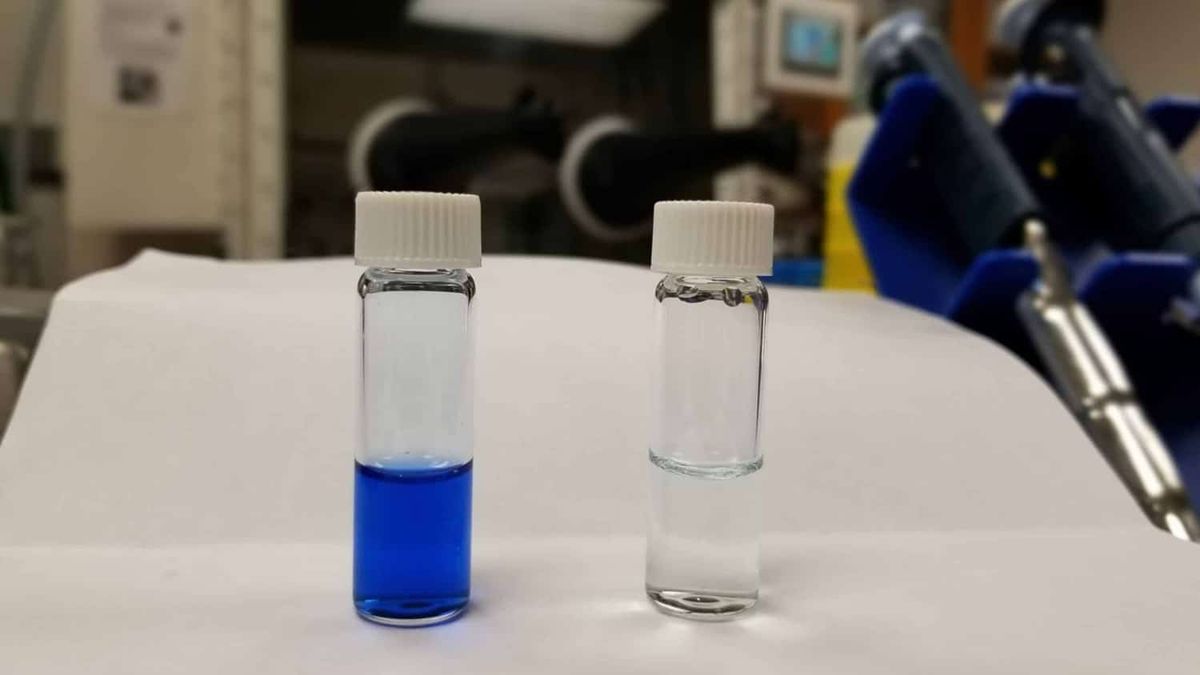
When it comes to recycling plastics back into useful material, most of the energy in developing this technology goes towards the actual physical processes that are required to take the material and transform it into a consistent material that is also usable.
Absent in this line of thinking however, is the specific aesthetic appeal resulting from this process. Plastics generally are dyed or pigmented when they are initially produced, and as such, those additives are still present in the plastic when they enter the recycling facility.
In most cases, any clear plastic can all be recycled together and remain clear, but for those products containing dyes and pigments, the mixing of all of the different colors often results in a color that is less than appealing to consumers buying recycled products.
In addition though, those additives also have specific challenging implications on the recycling process itself.
Additives....used to improve the performance of polymers are one of the major bottlenecks in the closed-loop recycling of plastic, i.e., obtaining a high-quality recycled polymer. Thus, it is essential to remove additives before the recycling process to obtain high quality recycled polymers
On the basis of aesthetic appeal and recycling efficiency, a multidisciplinary team of researchers from universities and research institutions in Portugal and Germany are working to develop the technology to extract certain contaminants from plastic prior to it being recycled.
This process revolves around the use of solvents, specific chemicals that can be added to the plastic mixture, that would attach to these contaminant particles, so that they can then be separated from the polymer. And they are doing so, with rather significant success.
Renewable solvents, such as the biosolvents cyrene, gamma valerolactone, limonene, glycerol ethers, to name a few, have emerged as interesting options in different applications . Biosolvents are biobased solvents (derived from natural products such as cellulosic waste or biomass) of renewable origin. They are biodegradable and less toxic than most organic solvents. Despite their remarkable potential to minimize the environmental impacts associated with the recycling process and, consequently, to enable sustainable additive extraction/removal, these green solvents have seldom been investigated as solvents for the extraction of additives, especially colorants, from plastic waste.
Review
Especially since having partnered with Marble Plastics for my capstone project, I have come face to face with the difficulties that come with the aesthetic concerns of the recycled material produced. To quote Joseph Klatt, the founder of marble plastics: You cannot sell what people do not want. In this case, Joseph had to develop a way to not only to create these recycled materials, but also ensure that they have a good aesthetic appeal, that is also consistent amongst the sheet goods he produces. Working with the natural speckled look of these plastics, he chooses carefully how and what materials go into being recycled to achieve this aesthetic. With the advent of these solvents that would be able to remove pigments and dyes all together, though, we could move into a future where we can produce these appealing aesthetic goods from a larger range of base materials.
Reference
Ferreira, A. M., Sucena, I., Otero, V., Angelin, E. M., Melo, M. J., & Coutinho, J. A. P. (2022). Pretreatment of plastic waste: Removal of colorants from HDPE using biosolvents. Molecules, 27(1), 98. https://doi.org/10.3390/molecules27010098



