
Primary Research: Invasive Investigations
Hydrilla Survey
- Point of contact: Shawn Baily
- Date: September 16, 2026
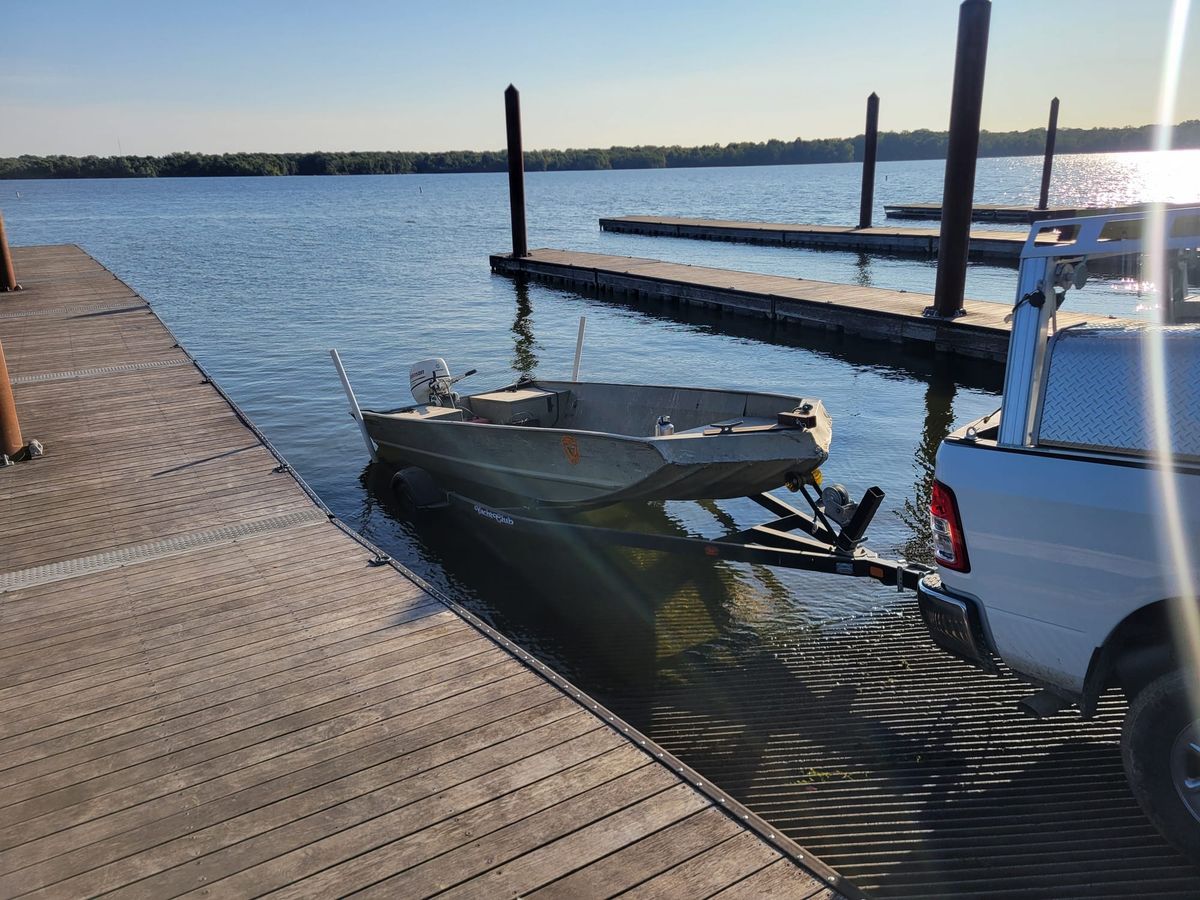
Choosing the path of ethnographic investigation, I volunteered to help with the annual hydrilla survey in mid-September as a way to familiarize myself with one of the most damaging invasive species. The goal of the survey was to go out on the water and visually inspect the relatively shallow portions of Alum Creek to assess the levels of hydrilla growth so that proper action could be taken to remedy significant problem areas. The lake was divided into four quadrants, and I teamed up with another ODNR employee, field technician J, to investigate the southwest quadrant of the lake.
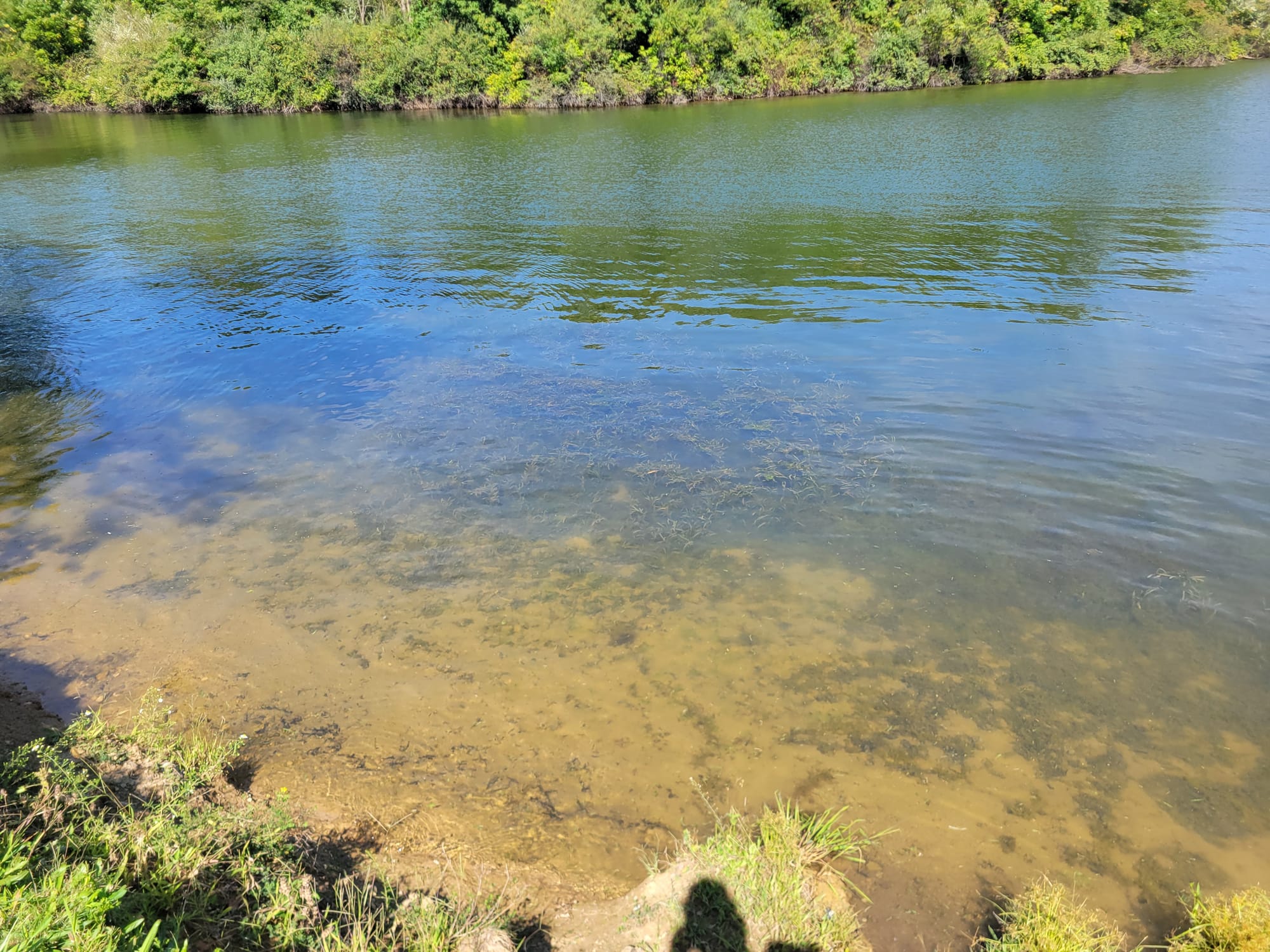
Before even entering the lake on watercraft, I quickly surveyed the bank around the dock. An inlet leading back into the woods was full of hydrilla no more than half a foot beneath the surface. Out to a certain depth, this was consistent across this cove, leading back into the wooded area where the weeds were so bad they became emergent and visible from the parking lot.
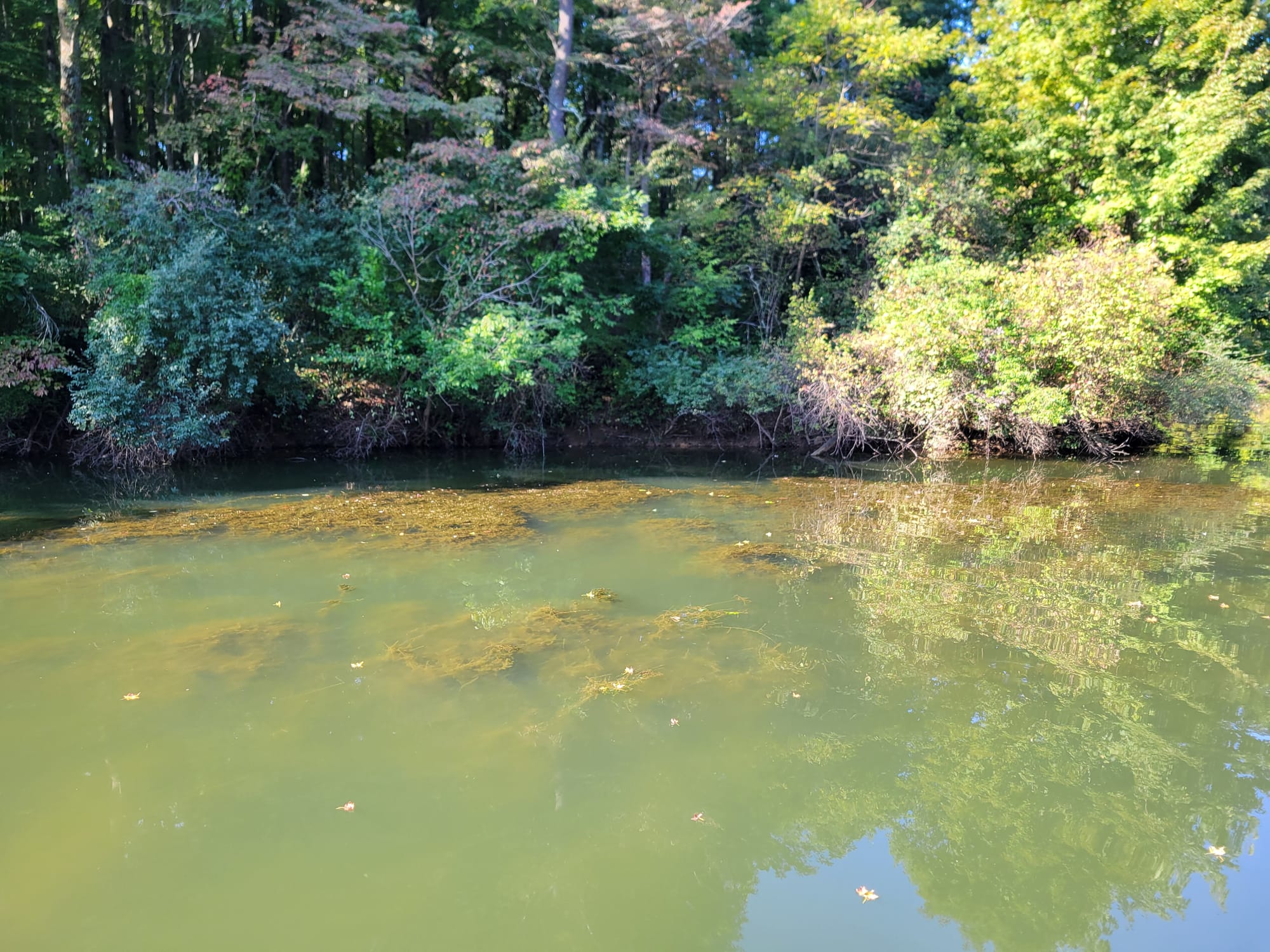
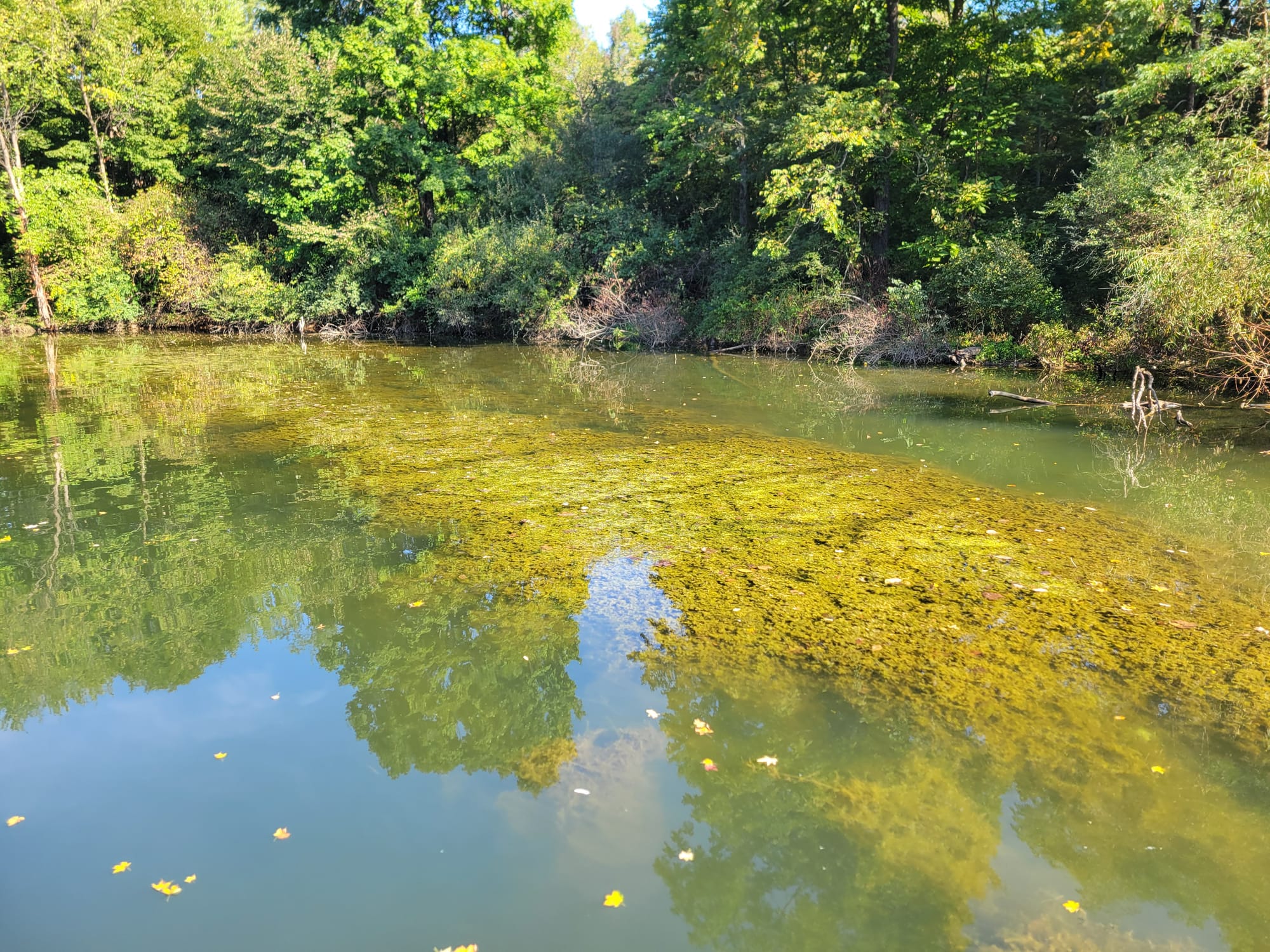
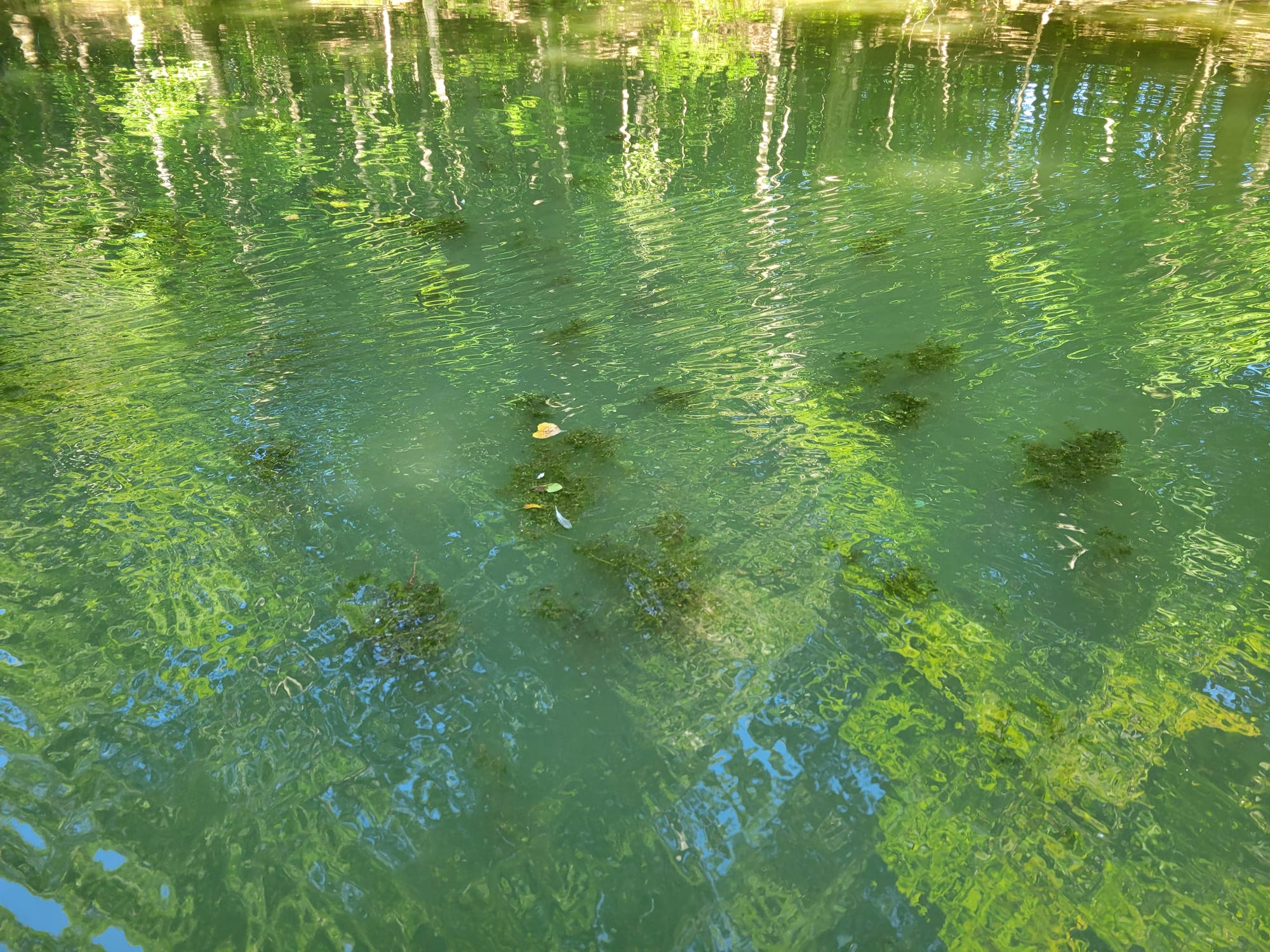
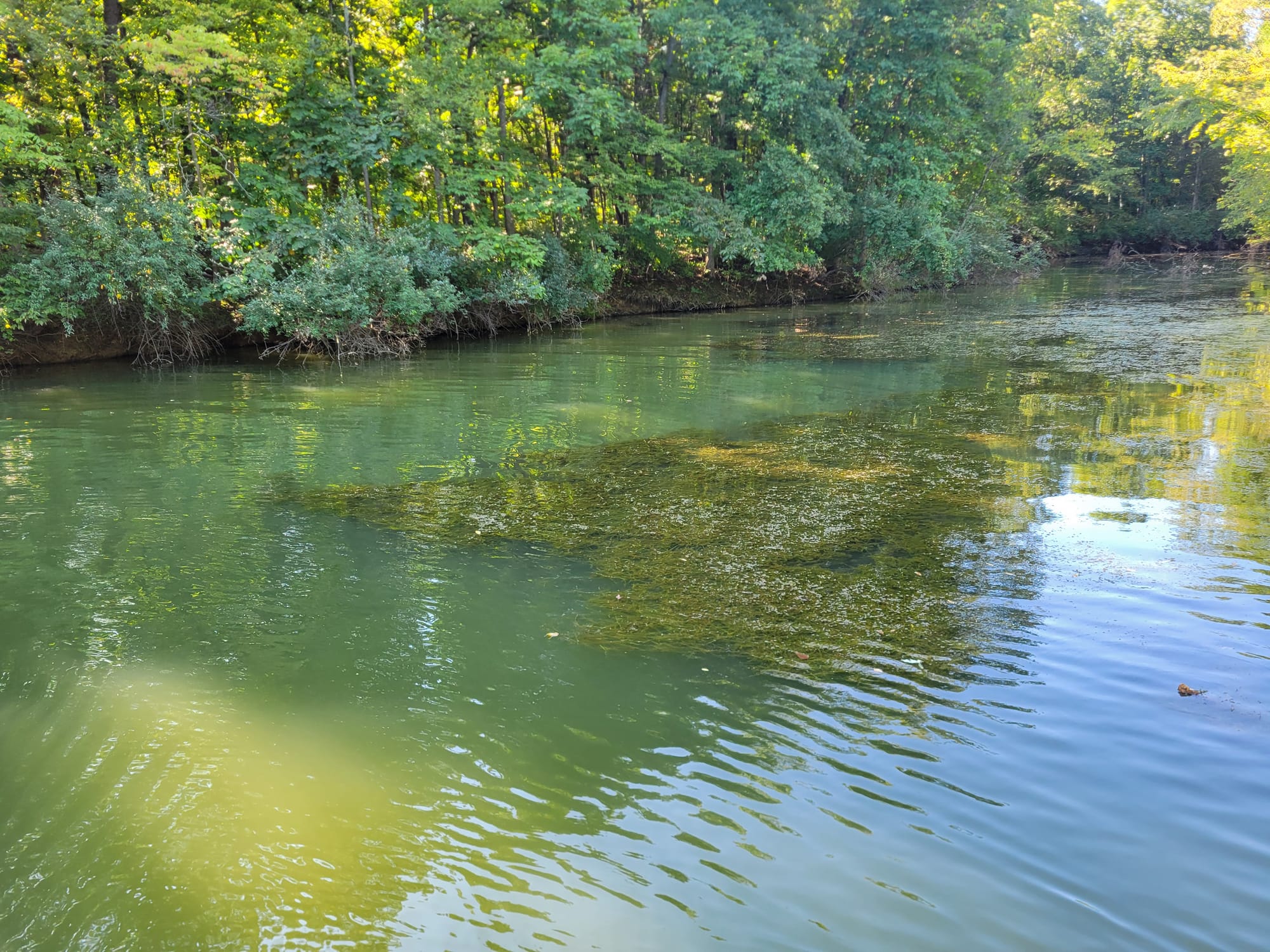
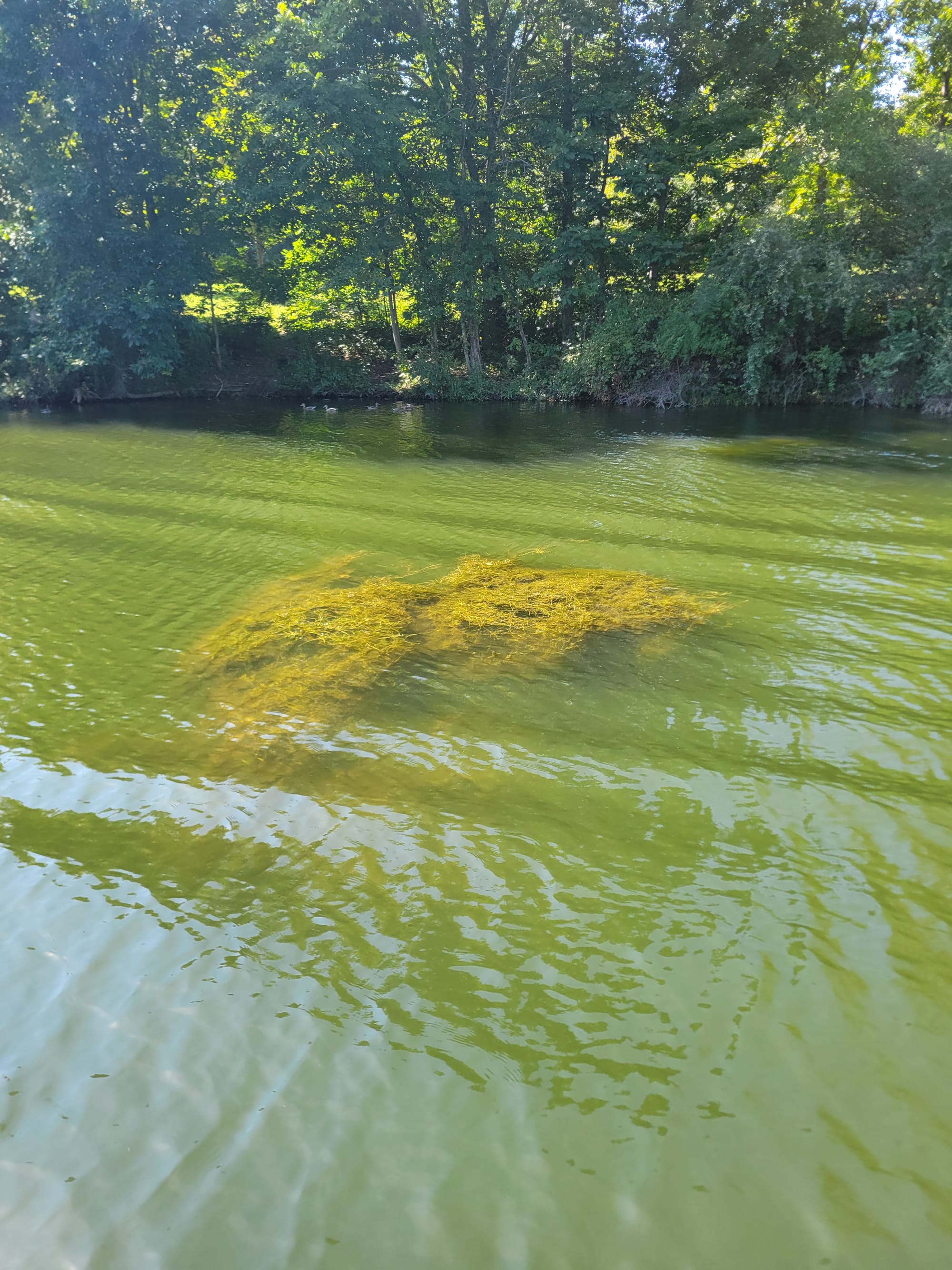
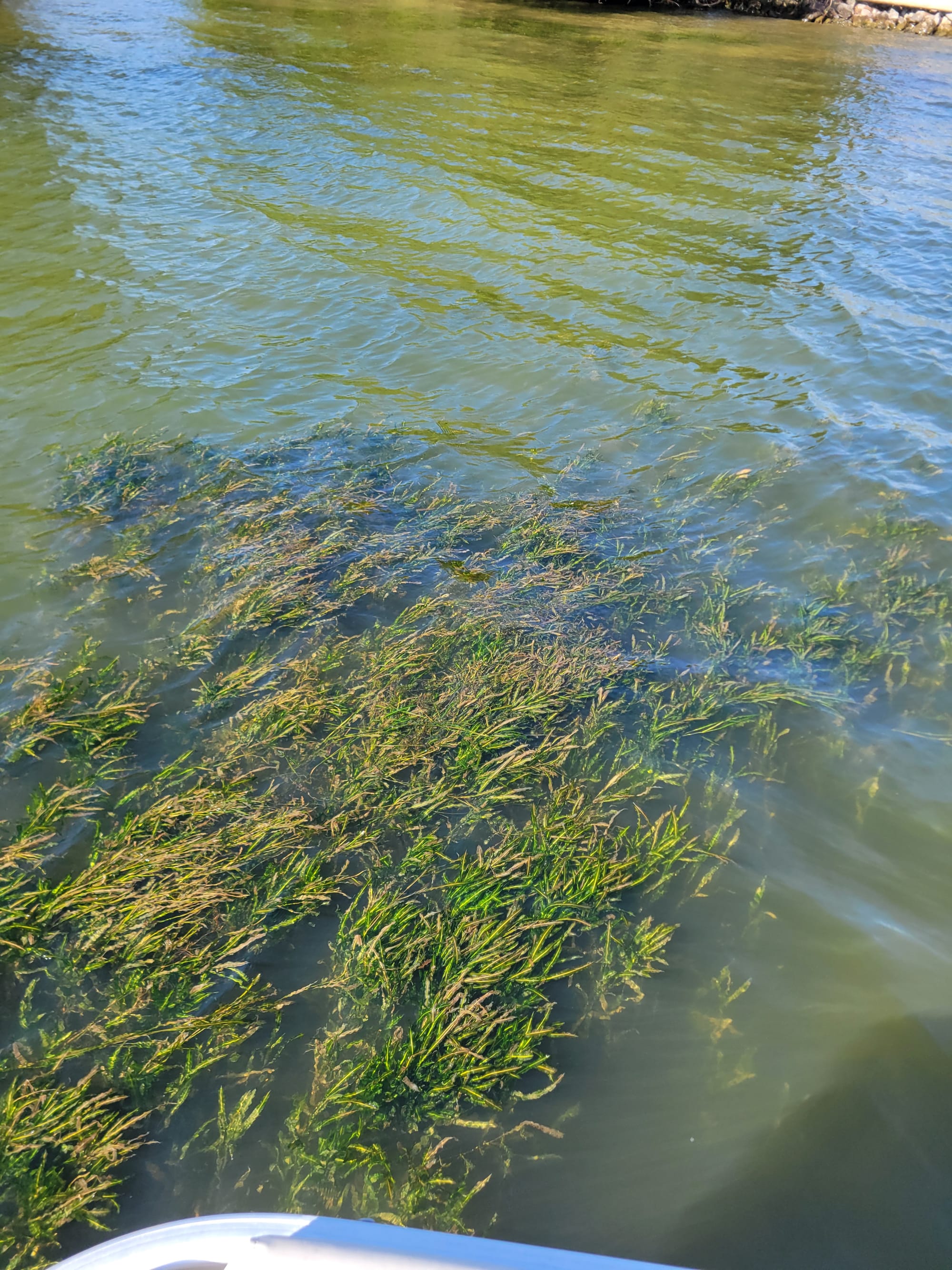
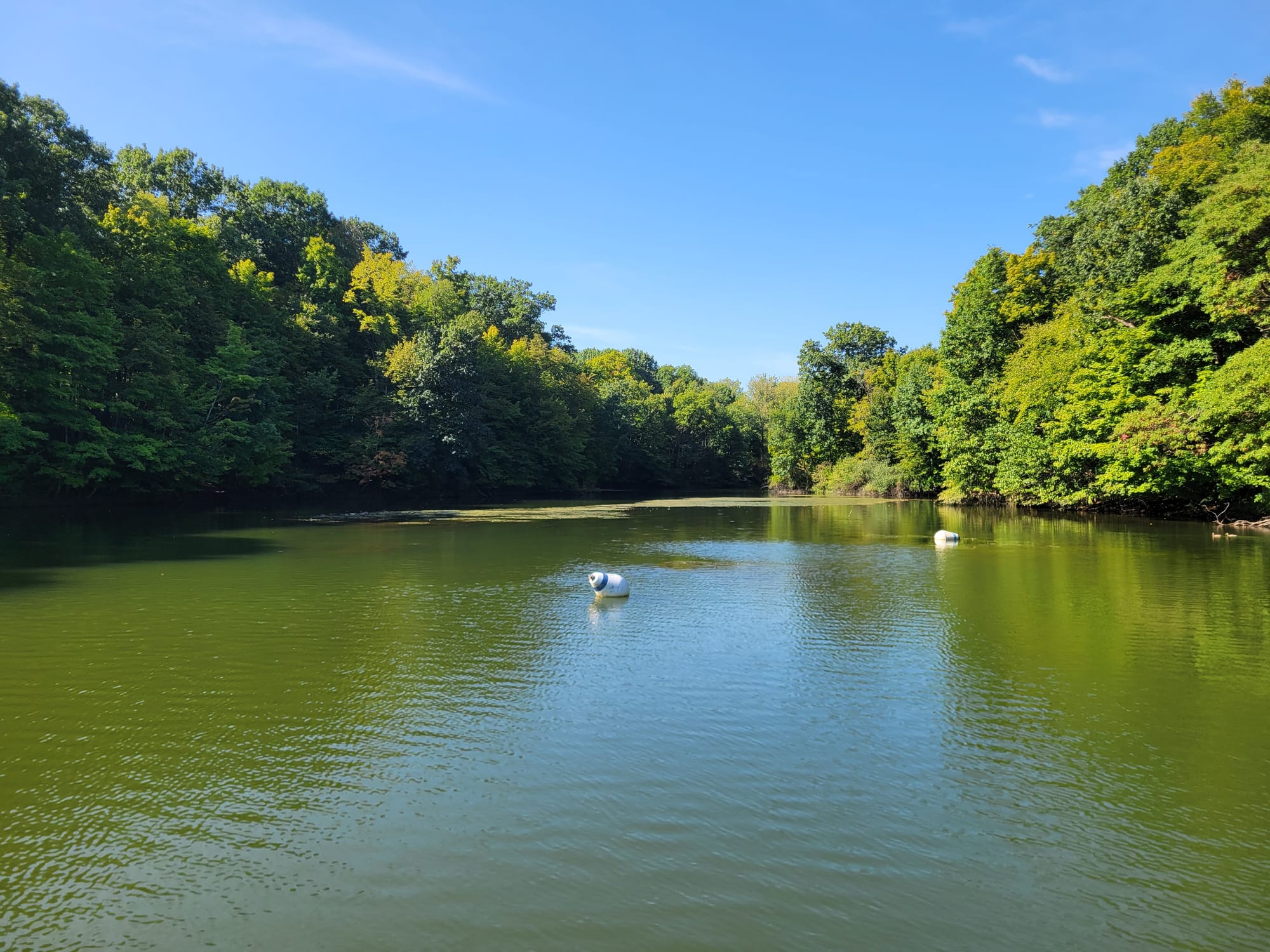
Hydrilla Presence in Alum Creek Lake
Out on the water, the situation was not much better. Beyond a certain depth, the hyrdilla was not as visible, but in the shallower regions of the lake, it was very hard to miss. Nearly every arm of the creek was infested with patches of the aquatic weed, and we did our best to keep an accurate account of each problem area.
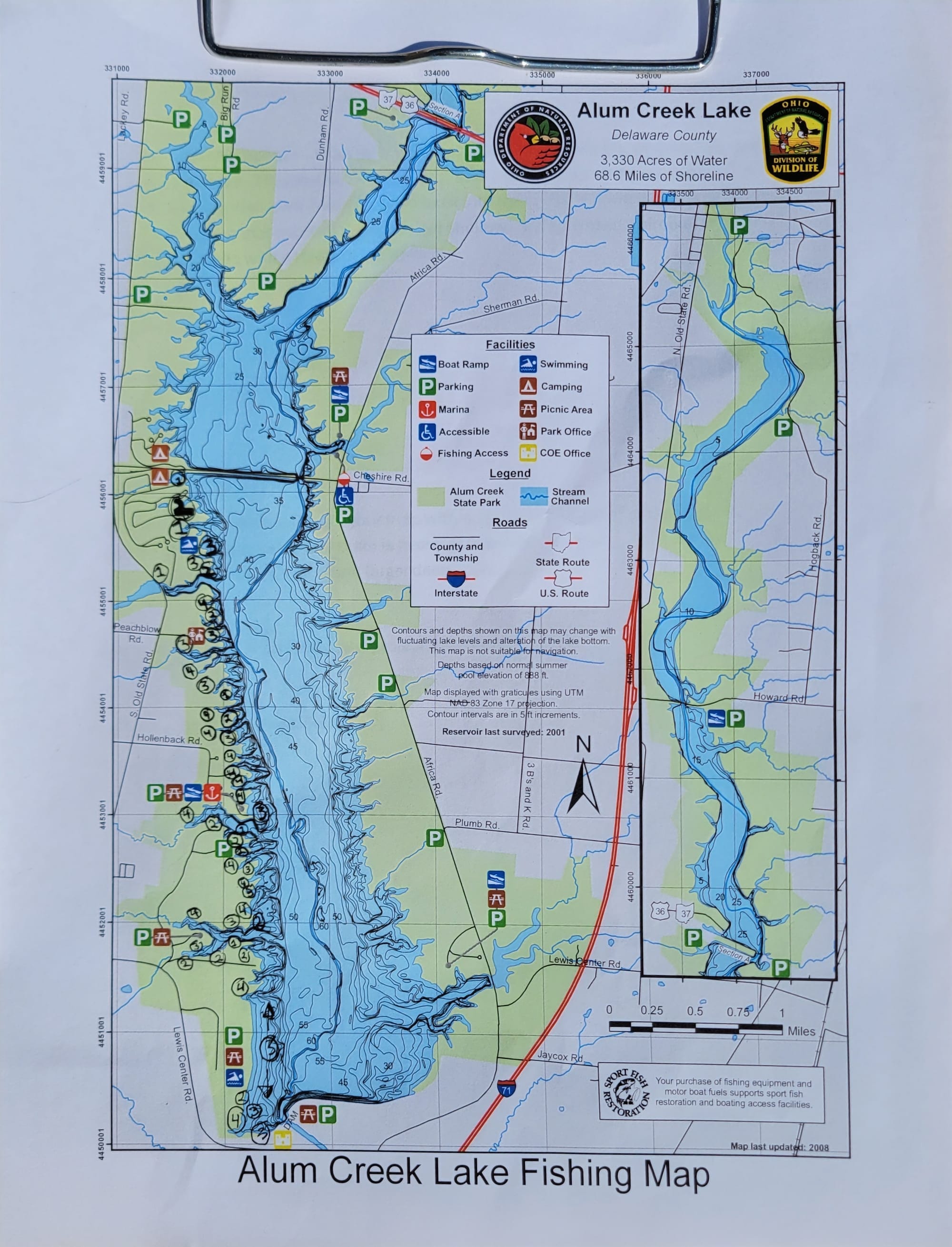
By the end of the survey, we had mapped the entire southwest quadrant and marked out each significant hydrilla patch to the best of our ability. What I learned was that the body of water where hydrilla is present is a huge factor in how the plant is treated, and if a body of water is large enough, hydrilla essentially becomes a permanent issue. Because of this, management becomes the objective as opposed to eradication.
Following the survey, I had a chance to interview some of the survey crew. While they were well aware of my research and documentation, I did forget to ask permission to use their real names, so they will be referred to by their first initial only.
J: ODNR Technician
Paul: How long has Hydrilla been an issue in Alum Creek?
J: Almost as long as I’ve been working with ODNR, I think it showed up around 2021, and we didn’t treat it for awhile, but it started to get bad in 2022, so we started trying to treat it because of how fast it can get out of hand.
Paul: What are the biggest challenges with trying to treat hydrilla?
J: Well, with a body of water this big, there's no real way to permanently get rid of it. A good sized bucket of herbicide pellets can be up to $500, and the stuff can grow back from just a little bit of stem. Look, you can see some floating around the banks almost everywhere if you look close enough.
F : Del-co Water Tech
Paul: So what do you do on these surveys that goes beyond ODNR’s evaluation of the area?
F: Del-Co uses Alum Creek as a major source for water treatment, and hydrilla is really bad news for the equipment and infrastructure. I basically come out here with special equipment, and we have our own network that we use to map out problem areas.
Paul: Is your evaluation more detailed than ODNR’s?
F: In some ways, yes. I use a GPS system to map out problem areas, and all these points get put into our system so we can accurately see where to look out for and what might be a problem down the road.
Paul: What equipment do you have with you today?
F: I have my GPS module that lets me upload these points, which you can see on my tablet. This is how we build our survey network map. I also have my sample stick, which is pretty much just a rod with a Nalgene container on one end. I fill it with de-ionized water before I use it so that whatever sample goes in it isn't contaminated by leftover stuff in the bottle. I mark each collection site on the GPS just for reference later.
Paul: Does Del-co treat hydrilla on their side too?
F: No, we do our part to document it and look out for issues, but treatment happens on ODNR’s end mostly. We work together on water studies and share information, but all that environmental care has to happen through ODNR
Terrestrial Surveys
Following my hydrilla survey experience, I felt that I needed to look at the land-based side of the invasive species situation. After consulting our partners at ODNR, I was informed that nearly every park had a significant presence of invasive plant life. I began my own personal exploration at the O'Shaughnessy Nature Preserve north of Columbus. It was not long before I noticed that one plant was far more abundant than any other: Amur Honeysuckle.
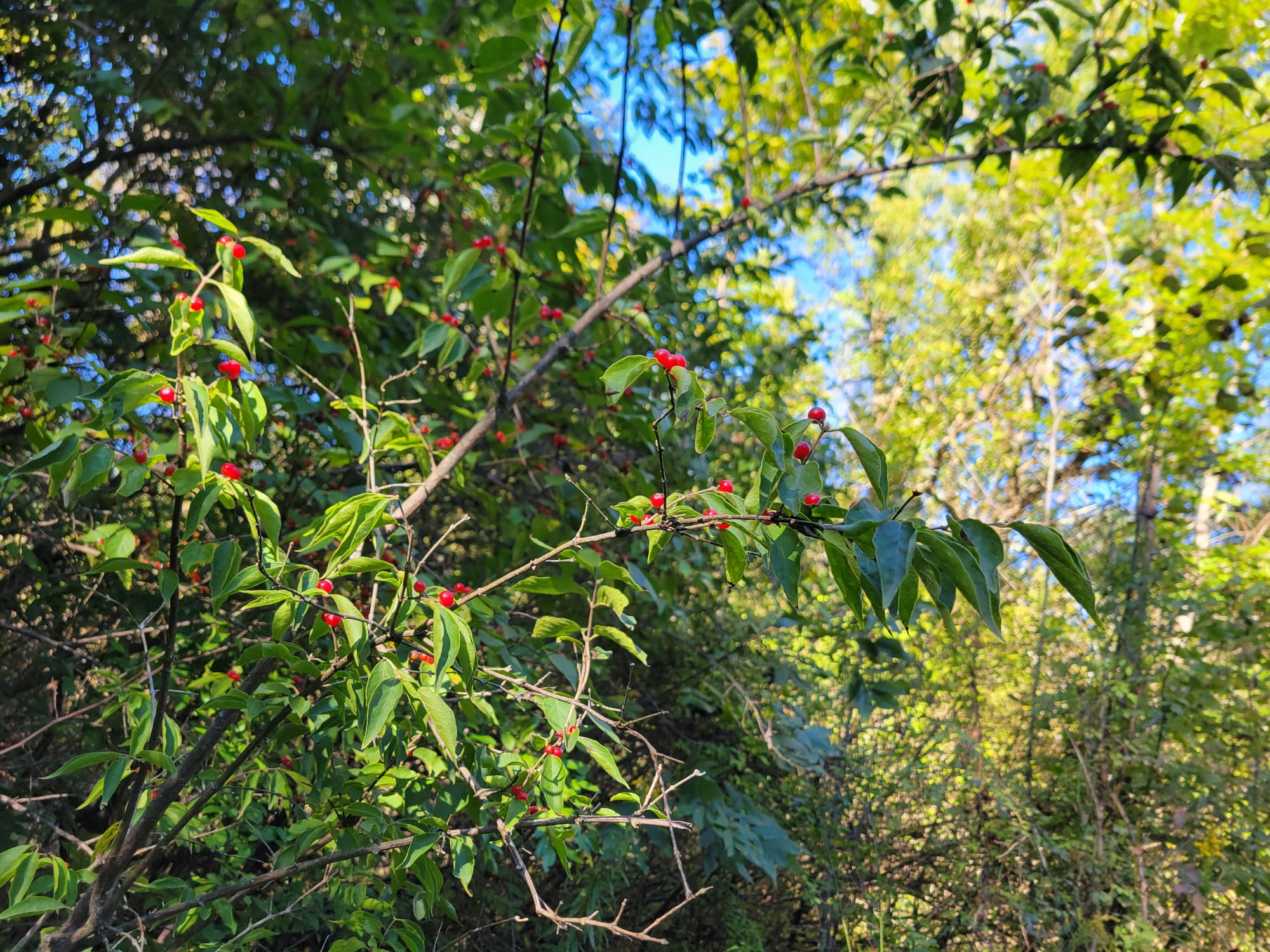
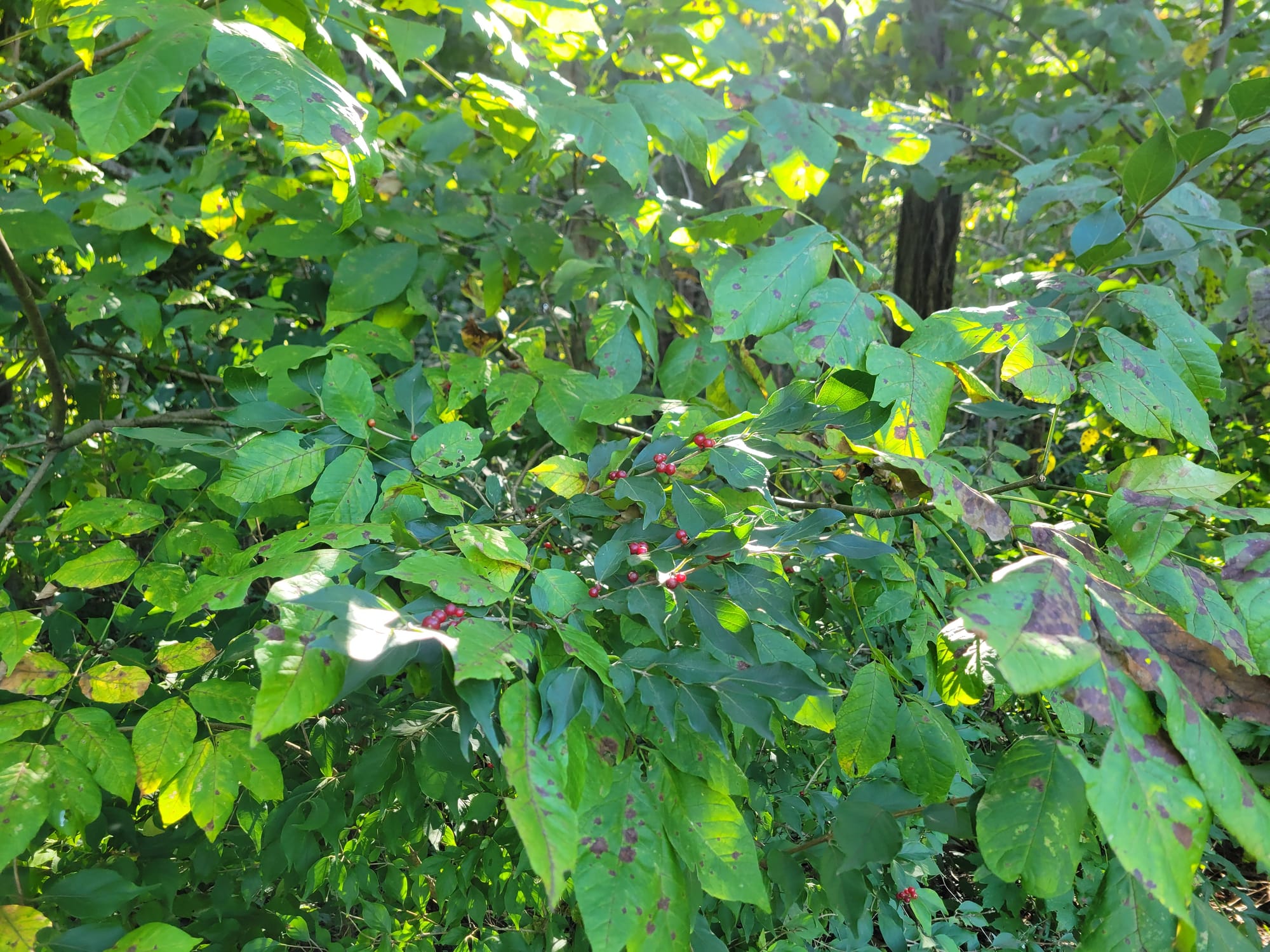
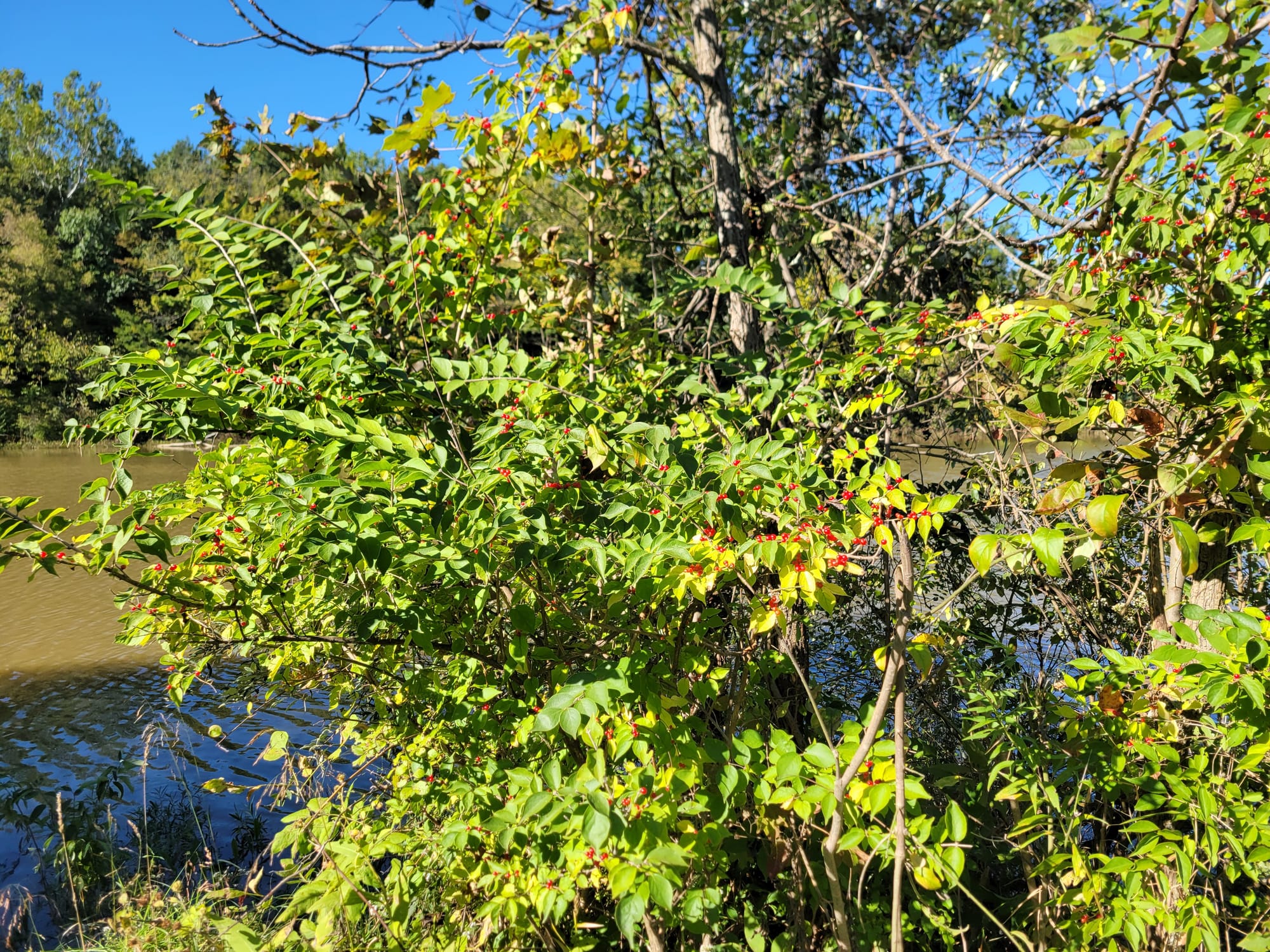
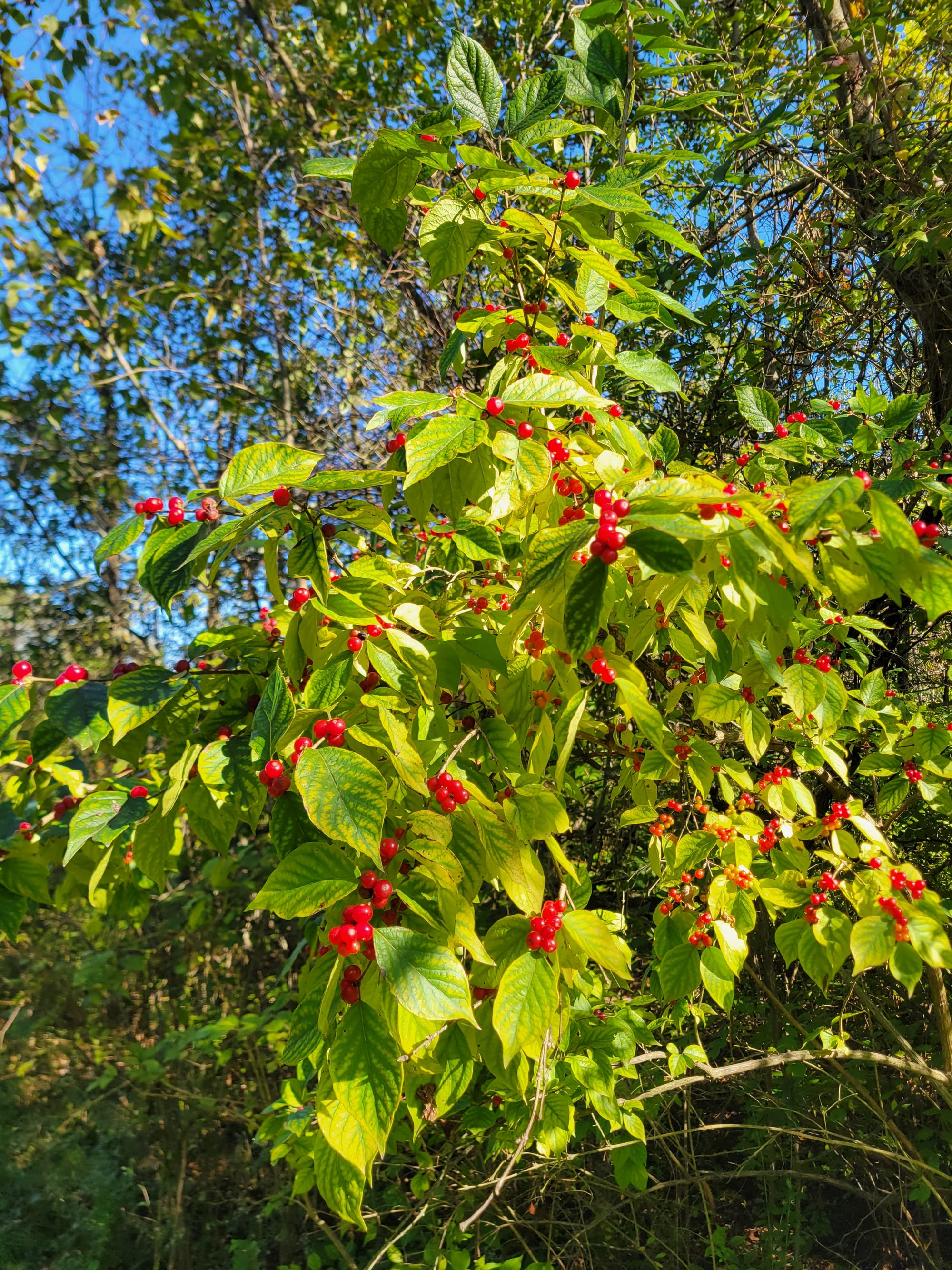
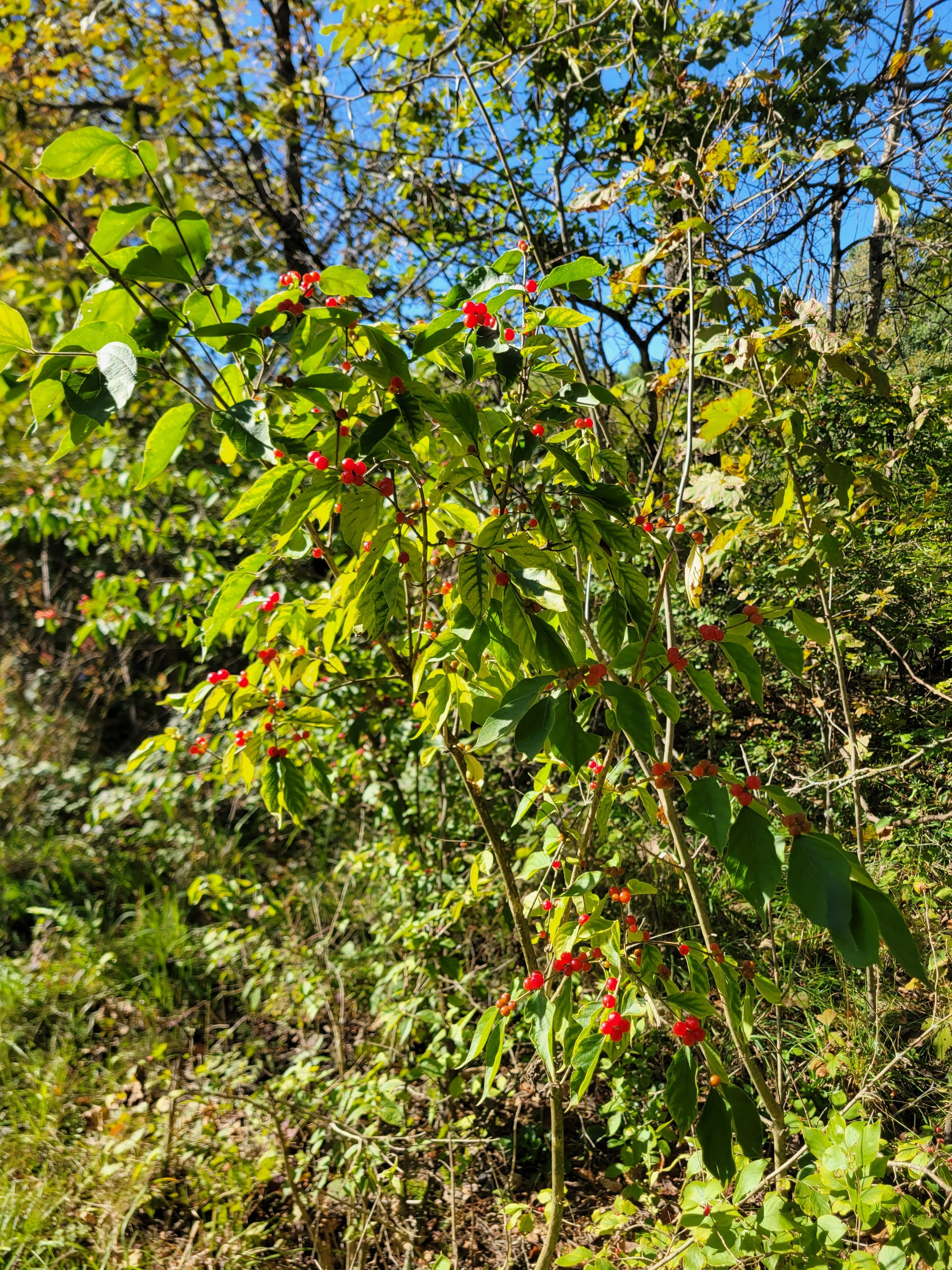
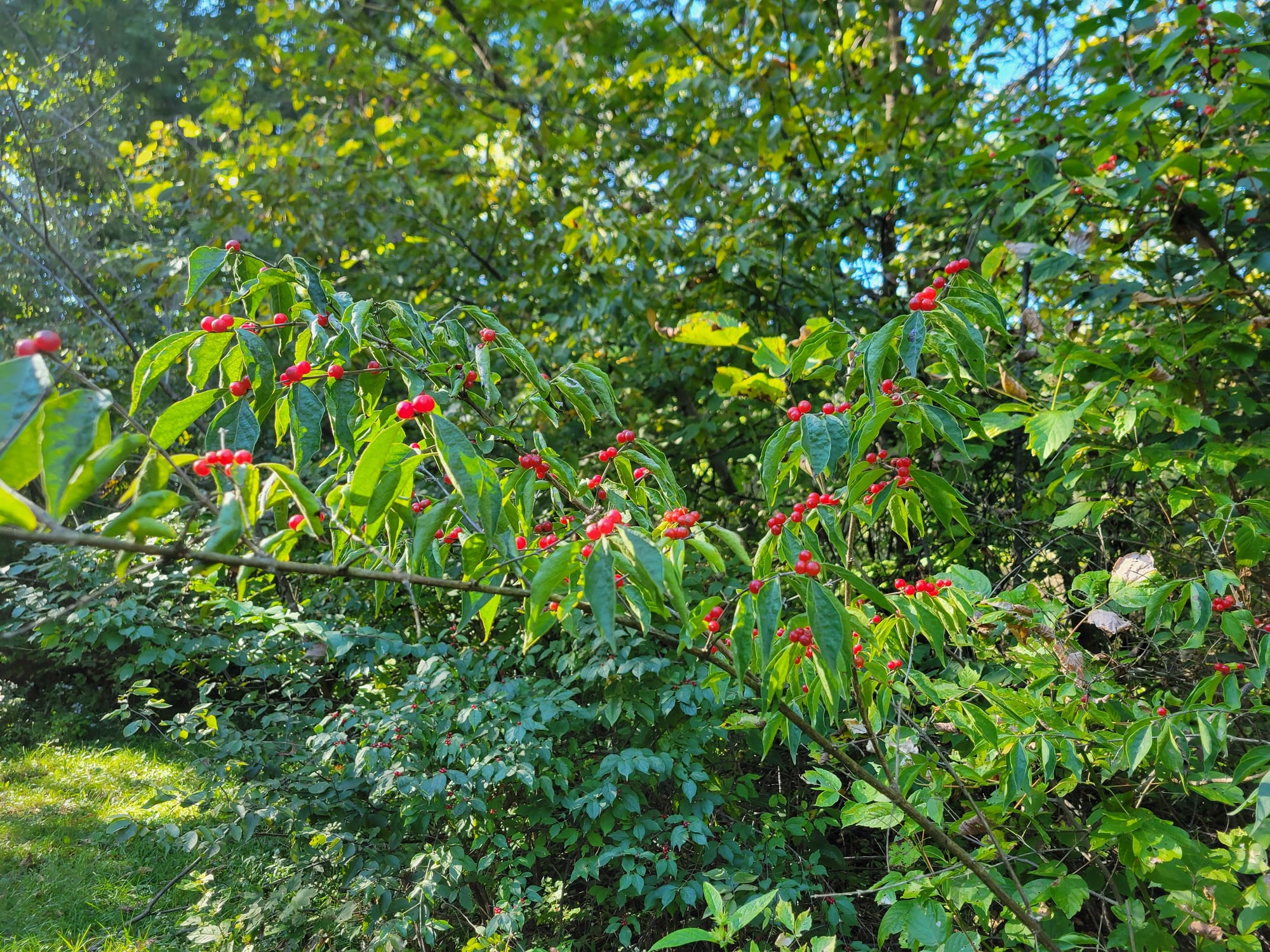
Amur Honeysuckle Presence at O'Shaughnessy Nature Preserve
This plant is particularly bad due to its competitiveness and its ability to release chemicals into the soil that keep other plant seeds from sprouting. On top of all this, its berries are both toxic to humans and generally low in nutrients, making them very lackluster when it comes to supporting local wildlife. I was not able to walk 100 feet without running into a large bush of honeysuckle, and its sheer density gave me insight as to just how tough of an issue plants like these are to tackle. Following my exploration at the nature preserve, I ventured back to Alum Creek to explore some of its walking trails.
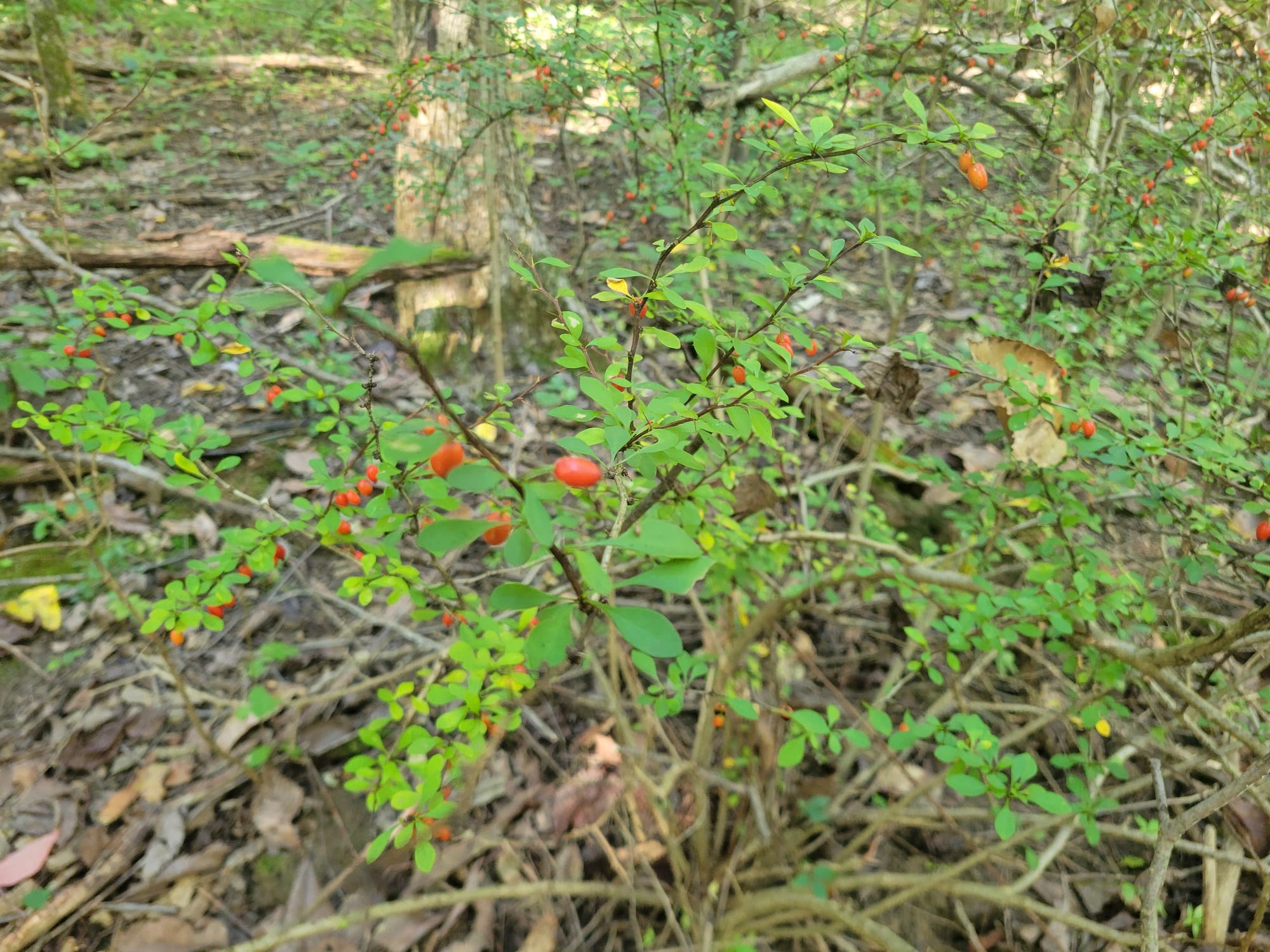
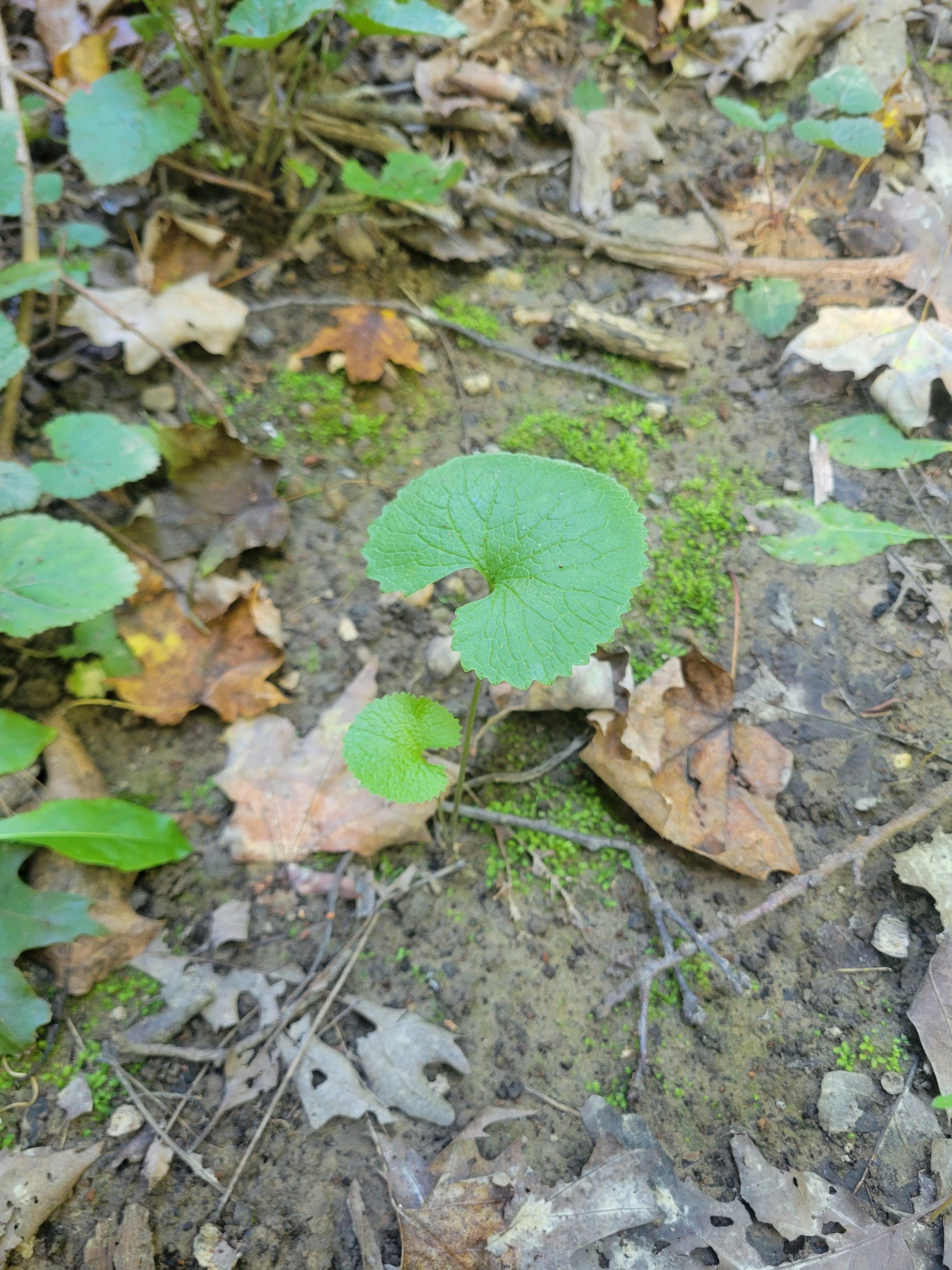
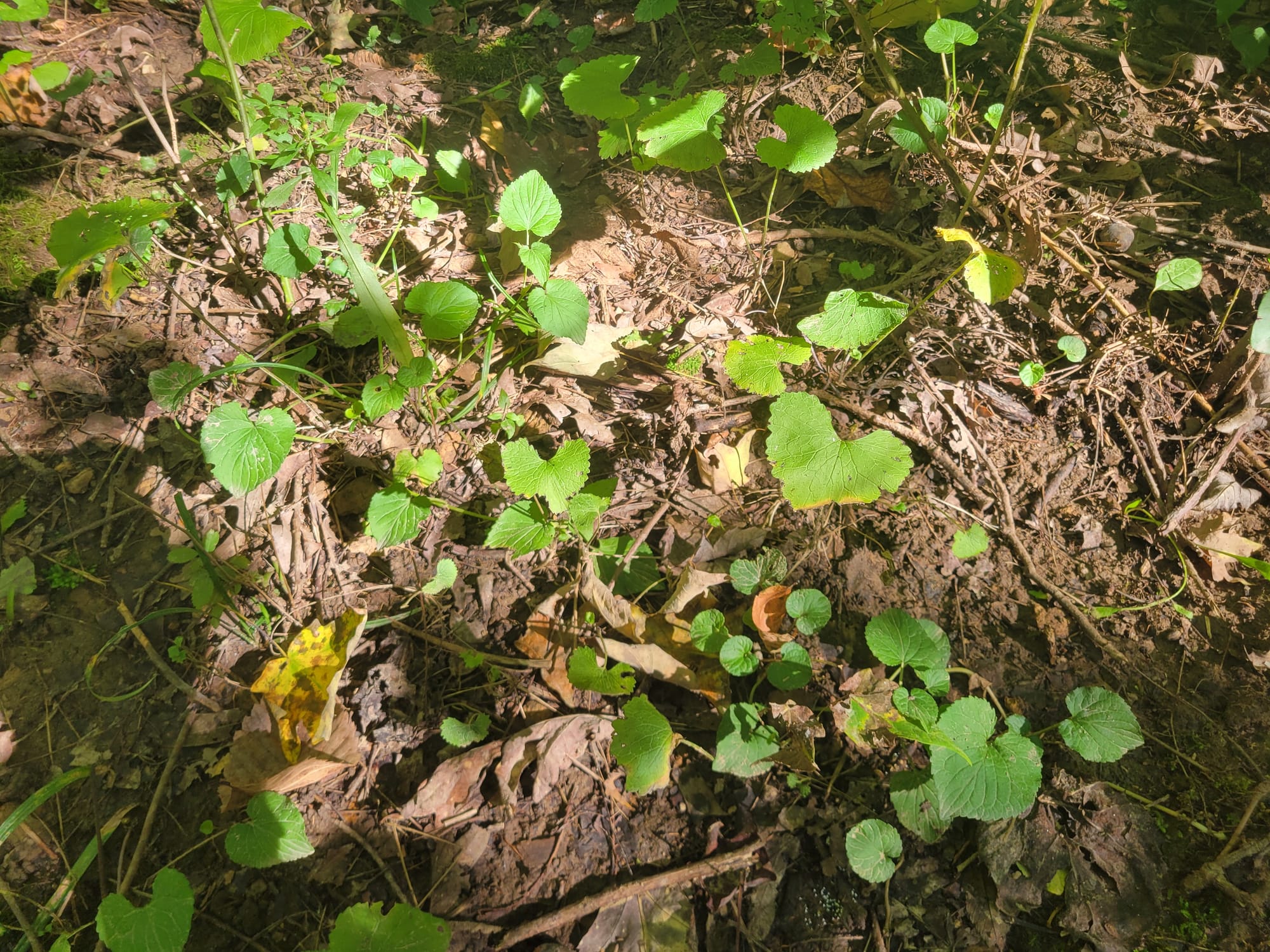
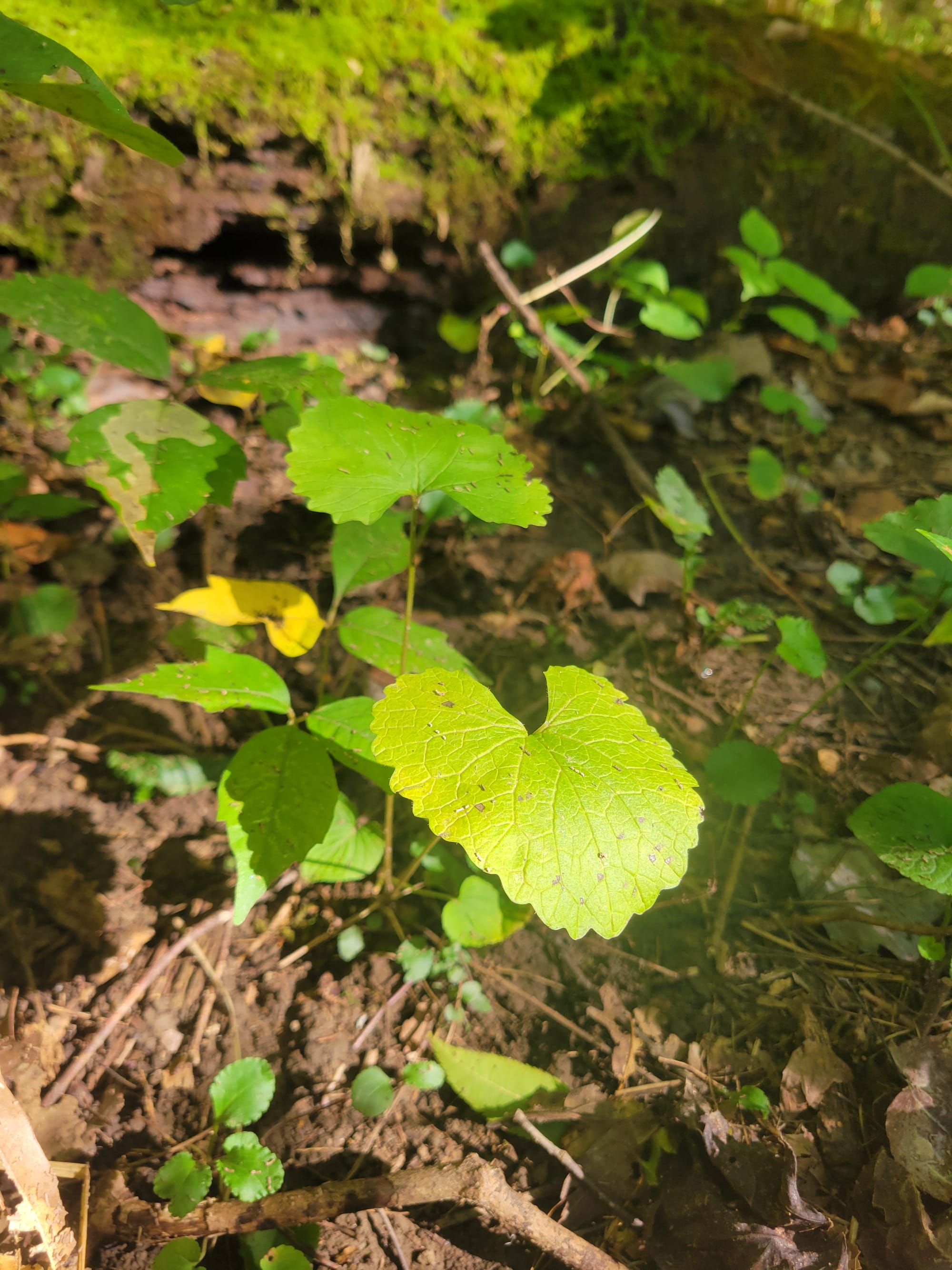
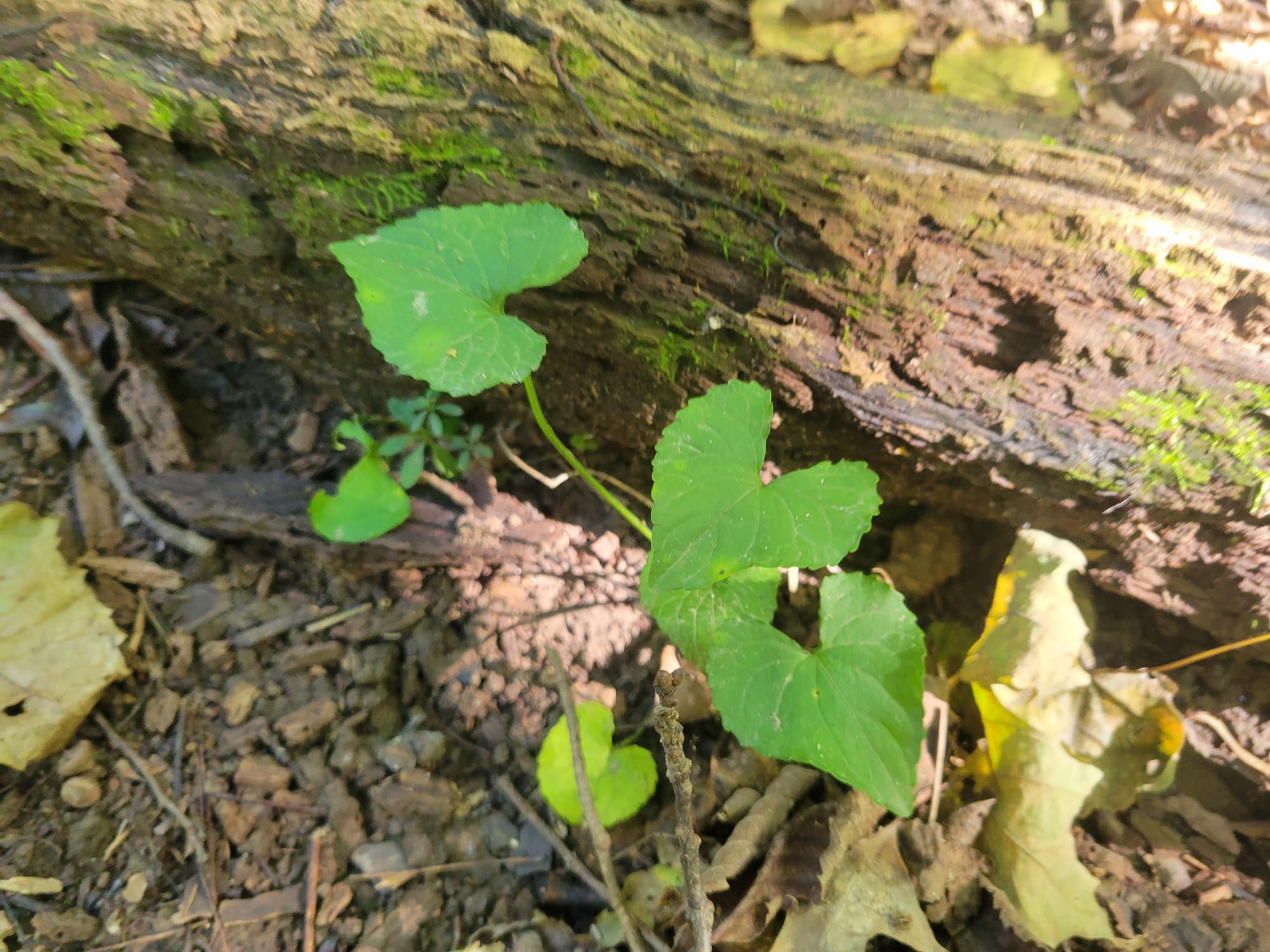
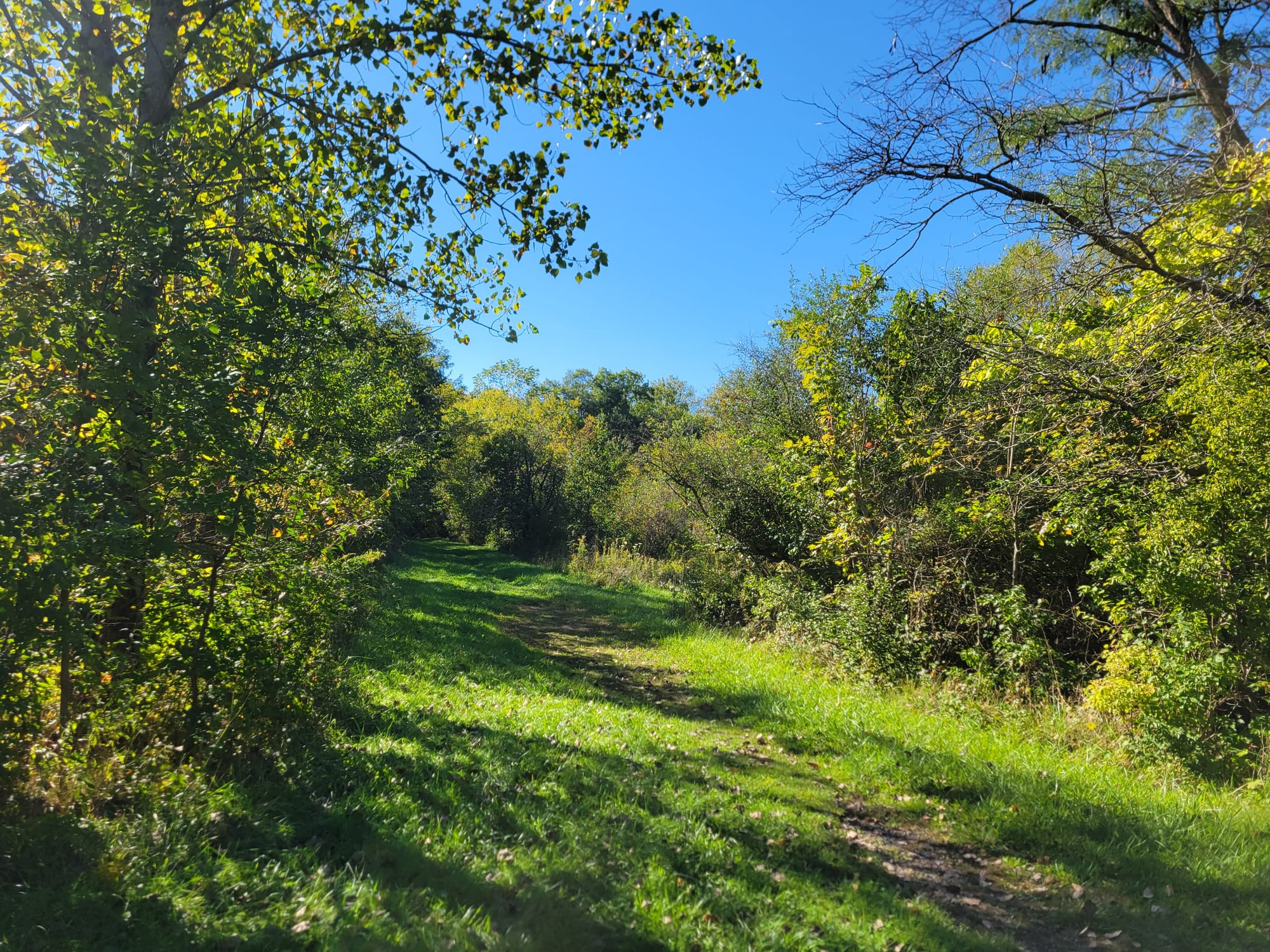
Garlic Mustard Presence on Alum Creek's Mountain Bike Trail
This time, I was not able to find any honeysuckle. What I found was a plant that blended in with its surroundings much more effectively, staying low to the forest floor and resembling many other small plants. Garlic Mustard was one of the most reported invasive species in my survey, and seeing how it can take over large patches of forested areas, I immediately understood why. This plant is known for creating massive amounts of seeds and blooming earlier than most other plants in its ecosystem, as well as having no natural predator insects or diseases in America to keep its numbers in check. Also, like honeysuckle, it actively harms the surrounding soil to prevent competition from other plants.
Conclusions
You do not have to search far to start finding live example so of invasive species in Ohio. Some are more apparent than others, but as soon as you learn to spot these plants, it becomes easy to understand how overwhelming the situation is. While I was not able to investigate and find every single example of invasive species that had been mentioned in my survey, what I did find is that Ohio's parks are under attack, and each species is staking a claim to its respective areas in nature. The question from here becomes "how do we approach this issue with design?", to which I think the first step is problem framing. As much of an issue as these plants are, there is no method or solution for total eradication, making the goal management instead. Management solutions are still complex and resource intensive, meaning scope is another key to designing an effective plan during the span of our capstone project. To move forward, I will need to select a problem species to work on and commit to an area of interest so as to develop my concepts with the best level of intention and clarity possible.



